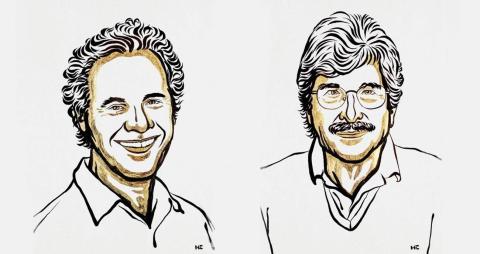
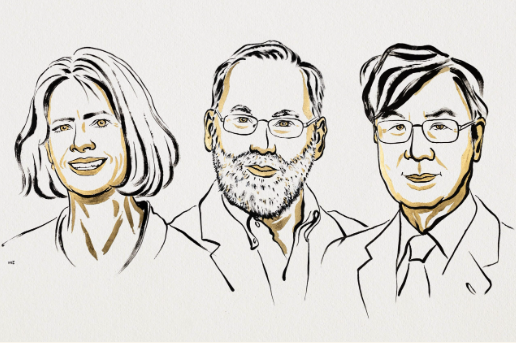
Nobel Prize in Medicine or Physiology awarded to Mary E. Brunkow, Fred Ramsdell and Shimon Sakaguchi for understanding how the immune system is kept under control without attacking organs
The Karolinska Institute has awarded the Nobel Prize in Medicine or Physiology to Mary E. Brunkow, Fred Ramsdell and Shimon Sakaguchi for describing how the immune system is regulated so as not to harm us. His groundbreaking discoveries on peripheral immune tolerance have spurred the development of new treatments for cancer and autoimmune diseases.
María Casanova - Nobel Medicina 2025 EN
María Casanova
Head of the Cancer Immunity Group at the CNIO
We received this news with great joy within the entire field of immunology and especially the Spanish Society of Immunology. What the award basically reflects is that Shimon Sakaguchi described regulatory T cells and both Brunkow and Ramsdell delved into the mechanisms that allow these T cells to prevent autoreactive capacity in our body. This discovery of regulatory T cells establishes that our body has a mechanism to somehow control antigens that are its own and antigens that are foreign, which the immune system must detect in order to respond to them. It is these regulatory T cells that dictate the balance between cells that generate an immune response and those that do not, and provide an additional control mechanism for our body. In fact, for many years, cancer research has attempted to modify these regulatory T cells because when they are found in tumours, it has been observed that our defences, our antigen-recognising T cells, do not function properly. Beyond their usefulness in research into lupus, psoriasis and other autoimmune diseases, they are vitally important in solid tumours because their elimination is responsible for restoring the effectiveness of immunotherapy.
José Gómez Rial - Nobel Medicina 2025 EN
José Gómez Rial
Head of the Immunology Department at the Complejo Hospitalario Universitario de Santiago de Compostela (CHUS), Servicio Gallego de Salud (SERGAS)
Once again, the Nobel Prize highlights advances in immunology, underscoring the central importance of immunology in modern medicine, both in understanding disease and in developing new therapies that improve the lives of millions of people.
This year's prize recognises a discovery that changed the way we understand the body's defences. Researchers Brunkow, Ramsdell and Sakaguchi demonstrated how certain cells in the immune system—called regulatory T cells—prevent our own bodies from attacking themselves. Thanks to this discovery, we now have a much better understanding of autoimmune diseases such as type 1 diabetes and multiple sclerosis, and new strategies have also been developed for treating cancer, transplants and chronic inflammation.
David Sancho - Nobel Medicina 2025
David Sancho
Researcher at the National Centre for Cardiovascular Research (CNIC), where he heads the Immunobiology Laboratory
The discoveries of Mary E. Brunkow, Fred Ramsdell, and Shimon Sakaguchi led to the establishment of the concept of peripheral tolerance, an immune control mechanism that prevents the immune response from attacking our own body (autoimmunity). Until the 1990s, it was thought that immune tolerance depended almost exclusively on central mechanisms in the thymus, where autoreactive lymphocytes are eliminated by negative selection. However, Sakaguchi demonstrated the existence of an additional peripheral control system based on CD4+ CD25+ regulatory T cells (Tregs) that inhibited the immune response, preventing autoimmunity. Subsequent research by Brunkow and Ramsdell identified the FoxP3 gene as an essential regulator of Treg development and function. They demonstrated that mutations in FoxP3, which eliminated Tregs, resulted in autoimmune diseases in mice and also in humans (X-linked immunodysregulation-polyendocrinopathy-enteropathy syndrome, IPEX).
Increasing Tregs helps combat autoimmunity and transplant rejection, while reducing Tregs improves cancer immunotherapy. The discoveries of Sakaguchi, Brunkow and Ramsdell have resolved a fundamental question in basic immunology: how the immune system maintains the delicate balance between defending the body against infection and avoiding attack on its own tissues. Their findings opened up a new field of research in immunoregulation and paved the way for therapeutic strategies aimed at modulating the immune response.
Vallina - Nobel 2025
Luis Álvarez-Vallina
Head of the Clinical Research Unit in Cancer Immunotherapy at CNIO-HMarBCN
The contributions of Mary E. Brunkow, Fred Ramsdell, and Shimon Sakaguchi have been fundamental to understanding the mechanisms of peripheral immune tolerance, transforming our understanding of the balance between immunity and self-tolerance. Their research identified the central role of the FOXP3 gene as a key regulator of regulatory T cells (Tregs) and demonstrated the essential role of this cell lineage in modulating immune responses. These findings also establish the conceptual and experimental basis for the development of immunomodulatory strategies aimed at restoring tolerance in autoimmune diseases, reducing transplant rejection, and modulating the antitumor response in cancer.
Beatriz Domínguez - Nobel Medicina 2025 EN
Beatriz Domínguez-Gil
Director of the National Transplant Organisation
The 2025 Nobel Prize in Medicine awarded to Mary E. Brunkow, Fred Ramsdell and Shimon Sakaguchi recognises a milestone in the field of immunology – a discovery that helps explain how the immune system learns to tolerate “self” without destroying it. Thanks to their work on peripheral immune tolerance and regulatory T cells—guardians of part of the immune balance—it is now possible to imagine transplants without rejection or the need for chronic immunosuppression with drugs. These drugs, which are necessary today, do not eliminate the possibility of graft rejection or progressive loss of function and are associated with significant side effects. His findings open the door to a new way of preventing rejection through cell therapies. However, it remains to be determined whether this approach achieves what we might call “immune harmony”, i.e., a combination of transplant tolerance with normal immune responses to infectious or tumour processes, or whether it is simply a more sophisticated form of immunosuppression with fewer undesirable effects.
Jordi Cano - Nobel 2025
Jordi Cano Ochando
Senior Scientist, Immunology Laboratory, Carlos III Health Institute
Regulatory T cells (Tregs) suppress the immune response and are necessary to prevent autoimmune diseases and organ transplant rejection. The existence of these cells was first described by Richard Gershon at Yale University in 1972. However, he was unable to identify them, and after his death in 1983, suppressor T cells were forgotten until 1995, when Shimon Sakaguchi described the interleukin-2 receptor (CD25) as the “identity card” of regulatory T cells. Thirty years have passed since Sakaguchi's discovery, and regulatory T cells are now used as cell therapy to treat various immune-based diseases.
Marta Vives-Pi - Nobel 2025
Marta Vives-Pi
Head of the Diabetes Immunology Group at the Germans Trias i Pujol Research Institute (IGTP, Badalona) and associate professor of Immunology at the Autonomous University of Barcelona
The 2025 Nobel Prize in Medicine has been awarded to Mary E. Brunkow, Fred Ramsdell, and Shimon Sakaguchi for their discoveries concerning peripheral immune tolerance. In my opinion, this is a wise decision: recognizing an advancement that allows us to understand the fundamental mechanisms of the immune system and its impact on the development of new therapies.
The winners have revealed how certain cells, called regulatory T cells, maintain immune balance, preventing the body from attacking its own tissues. These findings have been key in the development of immunotherapies for cancer and autoimmune diseases, which affect a significant percentage of the population. Identifying how regulatory T cells act as “guardians” of the body opens the door to more precise and less invasive therapies.
This is an example of how basic science, sometimes invisible to the general public, can translate into concrete advances that improve the health of millions of people. It is a reminder that fundamental research is the seed of the treatments that will save lives tomorrow.
Conflicts of interest: Marta Vives-Pi holds a patent related to immunotherapy for autoimmune diseases and is co-founder and CSO of Ahead Therapeutics SL.
Marcos López Hoyos - Nobel 2025
Marcos López Hoyos
Scientific Director of the Valdecilla Health Research Institute (IDIVAL), Head of the Immunology Department, and Professor of Immunology at the University of Cantabria-Marqués de Valdecilla University Hospital
This news is yet another example of the importance of immunology in medical advances (2018: checkpoint inhibitors; 2023: mRNA vaccines; 2025: peripheral tolerance). The 2025 prize recognizes the importance of immune tolerance mechanisms for the control and homeostasis of the immune response. Just as important as the efficiency of effector mechanisms is the fact that the response has control mechanisms. Peripheral immune tolerance is fundamental to this, which is why they are awarding the prize. And essential to this tolerance are Treg (regulatory T) cells, first described in 1995 by Simon Sakaguchi, who characterized them phenotypically and in vitro with their functions. At the same time, the other award winners advanced the characterization of peripheral tolerance mechanisms around these cells with murine models of the scurfy mouse and the human disease IPEX (immune dysregulation with X-linked polyendocrinopathy).
All of this work has led to a better understanding of the role of immune tolerance mechanisms at the peripheral level, in tissues, and not only in primary lymphoid organs (such as bone marrow and thymus). In fact, these peripheral mechanisms are more important because they occur throughout life in a highly plastic immune response that must be regulated to maintain homeostasis. Failures in these mechanisms induce autoimmune diseases, among others. Furthermore, their induction and manipulation can become an excellent therapeutic tool not only in autoimmune diseases, but also in other immune-mediated diseases and in the field of transplantation.
María Mittelbrun - Nobel Medicina 2025
María Mittelbrun
Head of the Immunometabolism and Inflammation Laboratory at the Center for Molecular Biology and scientific researcher at the Spanish National Research Council (CSIC)
The Nobel Assembly at the Karolinska Institute has decided to award the 2025 Nobel Prize in Physiology or Medicine to Mary E. Brunkow, Fred Ramsdell, and Shimon Sakaguchi for their discoveries concerning regulatory T cells (Tregs) and their importance in immune system tolerance mechanisms.
Our immune system protects us against infections and tumors. However, if it is activated in an uncontrolled manner, it can cause autoimmune diseases and chronic inflammation.
That is why it is very important that, once an immune response has been initiated, it is controlled and stopped in time to prevent the immune system itself from damaging healthy tissue.
Regulatory T cells (Tregs) play an essential role in this process of “turning off” inflammation: they slow down the inflammatory response by turning off other immune cells, preventing tissue damage and avoiding chronic inflammation. This Nobel Prize highlights how important regulatory T cells are in keeping our immune system in check and protecting our health.
Pilar Martín - Nobel Medicina 2025 EN
Pilar Martín Fernández
Head of the Inflammation Regulatory Molecules group at the Spanish National Centre for Cardiovascular Research (CNIC)
The 2025 Nobel Prize in Physiology or Medicine recognises a discovery that is absolutely essential to modern immunology: the identification and characterisation of regulatory T cells (Tregs) and their role in maintaining peripheral immune tolerance. Shimon Sakaguchi was the first to describe CD4⁺ T lymphocytes that had a key suppressive function, preventing the immune system from attacking the body's own tissues. Subsequently, the work of Fred Ramsdell and Mary E. Brunkow identified the master transcription factor that defines the identity and function of these cells, FOXP3, with mutations in this gene being responsible for serious autoimmune diseases such as IPEX syndrome.
This finding has revolutionised our understanding of how the immune system maintains the balance between defence and tolerance. Thanks to Tregs, the body can prevent autoimmune responses, control chronic inflammation and regulate the response to harmless antigens from the microbiota or allergens. Their dysfunction has been linked to multiple autoimmune, cardiovascular, metabolic and neurodegenerative diseases.
Furthermore, this knowledge has direct clinical implications. In cancer, for example, the presence of Tregs can suppress the anti-tumour response, which has led to the development of therapeutic strategies to modulate their activity. On the other hand, immunotherapy treatments, such as immune checkpoint inhibitors, can break this peripheral tolerance and trigger immune-related adverse effects (irAEs), affecting multiple organs. Thus, this Nobel Prize highlights not only a fundamental advance in basic biology, but also a central axis in precision medicine and modern immunotherapy.
María Hernández Fuentes - Nobel Medicina 2025
María Hernández Fuentes
Director Human Tissue Technologies at UCB Biopharma UK and honorary Senior Lecturer at King's College London
We believe that Shimon Sakaguchi's nomination for the Nobel Prize is a huge and well-deserved success, for his work and contribution to understanding how the immune system works. Dr Sakaguchi is known among immunologists as the “father of regulatory cells”. He has helped us to understand that the immune system has a series of resources to control the activation necessary to defend us from harmful attacks (such as cancer and infections of all kinds). It was one of the first discoveries of these control mechanisms. In addition, Sakaguchi has made a significant effort to share his discoveries and train scientists in this fascinating area of immunology.
Conflicts of interest: her opinions are personal and do not reflect the views of UCB and King's College London.
Matesanz - Nobel 2025
Rafael Matesanz
Creator and founder of the National Transplant Organisation.
All efforts by those working in the field of transplants are aimed, on the one hand, at increasing the number of organ donors and, on the other, at improving the tolerance of the transplanted organ by the recipient's body, either by using the least toxic drugs possible or by achieving the desired goal of not needing immunosuppression: immunotolerance. Many guidelines are currently being developed to achieve this, some of which have been successful in our country for different types of transplants. For all these reasons, I think it is a great success that the Swedish Academy has dedicated this year's Nobel Prize to this highly important and topical issue.
Óscar de la Calle - Nobel Medicina 2025
Óscar de la Calle-Martín
Specialist in Immunology at the Hospital de Sant Pau in Barcelona and secretary of the Spanish Society of Immunology
The award winners identified regulatory T cells (Tregs), the immune system's ‘security guards’ that prevent immune cells from attacking our own tissues. [Below are milestones related to their findings]:
- Sakaguchi's discovery (1995): he was the first to identify an unknown class of immune cells that protect against autoimmune diseases, challenging the prevailing belief that immune tolerance only occurred in the thymus.
- Brunkow and Ramsdell's discovery (2001): They discovered the Foxp3 gene while studying mice susceptible to autoimmune diseases and demonstrated that mutations in its human counterpart cause IPEX syndrome, a severe autoimmune disease.
- Connection between them (2003): Sakaguchi integrated both findings by demonstrating that the Foxp3 gene controls the development of regulatory T cells.
- Connection with previous work (1960 Nobel Prize in Medicine): Peter Medawar and Frank Macfarlane Burnet were awarded the prize for their discovery of central immune tolerance (how the immune system can tolerate its own or transplanted antigens).
- Study of genetic diseases that affect the immune system: primary immunodeficiencies. PIDs account for almost 10% of known genetic diseases. In addition, they are among the few genetic diseases that can be cured, basically in two ways: the most widespread is bone marrow transplantation (already recognized with a Nobel Prize) and gene therapy, which was originally developed for a particularly serious group of immune system defects, severe combined immunodeficiency (SCID). Work carried out by Alain Fischer's group at Necker Hospital in Paris.
- The 2018 Nobel Prize to James P. Allison for the discovery of the CTLA-4 molecule: This molecule, the first checkpoint inhibitor, is an essential element in the functioning of regulatory T cells and has revolutionized cancer immunotherapy. In other words, the impact of the discovery of Tregs has already saved thousands of cancer patients' lives.
His discoveries have been decisive in understanding how the immune system works and why only some of us develop autoimmune diseases. His work has opened up the field of research on peripheral immune tolerance, driven the development of new treatments for cancer and autoimmune diseases, opened up possibilities for more successful and longer-lasting organ transplants, and led to therapies currently in clinical trials.
To be honest, the impact of Sakaguchi's work is far greater than that of his fellow award winners, but being American always carries weight, and perhaps it is a moral boost to the US science system, which has been under attack in the last year.
Lola Fernández - Nobel Medicina 2025 EN
Lola Fernández Messina
Lecturer and principal investigator of the Nano-Immunotherapies group in the Department of Cell Biology at the Complutense University of Madrid
The Academy has awarded the 2025 Nobel Prize in Physiology or Medicine to Mary E. Brunkow, Fred Ramsdell, and Shimon Sakaguchi for their fundamental contributions to the understanding of the mechanisms of peripheral immune tolerance. Their findings have been instrumental in deepening our understanding of the functioning of the immune system, which is responsible for protecting the body against external pathogens and transformed cells, while preserving homeostasis and the integrity of the body's own tissues.
Maintaining this immunological balance depends on the system's ability to discriminate between self and non-self antigens, generating tolerance towards the former and effective responses to the latter when they represent a potential threat. The disruption of this balance can lead to a loss of immune tolerance, an underlying condition in various autoimmune diseases.
The award winners' research has shown that immune tolerance is not limited to the negative selection processes that occur during lymphocyte maturation in the thymus (central tolerance), but that there are also peripheral tolerance mechanisms that play a crucial role in regulating immune responses. Among these mechanisms, regulatory T cells (Tregs) stand out, whose function is essential for suppressing autoimmune responses and maintaining self-tolerance.
These discoveries have substantially modified the classical paradigm of immunology, broadening the conceptual framework of the mechanisms underlying immune tolerance. They also open up new perspectives for the development of immunomodulatory therapies aimed at treating autoimmune and neoplastic diseases and in the field of transplants, where controlled manipulation of tolerance could have a significant clinical impact.
Iván Fernández - Nobel Medicina 2025 EN
Iván Fernández Vega
Full professor of Pathological Anatomy at the University of Oviedo, Scientific Director of the Principality of Asturias Biobank (BioPA) and Coordinator of the Organoid hub of the ISCIII Biomodels and Biobanks platform
The discoveries of Shimon Sakaguchi, Mary E. Brunkow, and Fred Ramsdell revolutionised our understanding of immune tolerance. Their work demonstrated that a specific subtype of lymphocytes, regulatory T cells (Tregs), acts as a brake system to prevent the immune system from attacking the body's own tissues. The identification of the FOXP3 gene, which is essential for the development and function of these cells, explained why certain mutations cause serious autoimmune diseases in humans. This finding not only represented a paradigm shift in basic immunology, but also paved the way for new therapeutic strategies in autoimmunity, transplants, cancer and chronic inflammatory diseases.
I think the recognition is very appropriate: it rewards research that connects fundamental science with clinical applications of enormous relevance, and which has shaped the way we understand and treat the regulation of the immune response today.
Antonio Ruiz - Nobel Medicina 2025 EN
Antonio J. Ruiz Alcaraz
Immunologist.
The awarding of the Nobel Prize for studies on regulatory T cells (Tregs) and peripheral tolerance is a long-awaited recognition in the field of immunology.
These cells play a fundamental role in maintaining immune tolerance and ensuring that the immune system respects the body's own tissues, preventing it from attacking them and contributing to the balance between defence and self-regulation.
Their study has been decisive in better understanding not only autoimmune diseases, but also the mechanisms of immune evasion in cancer and the processes that allow transplant acceptance. Thanks to these discoveries, new opportunities have opened up in recent years to develop more specific and safer immunomodulatory therapies, with a direct impact on improving human health.
África González - Nobel Medicina 2025 EN
África González-Fernández
Professor of Immunology at the University of Vigo, researcher at CINBIO, and member of the RAFG
This is a very important day for immunology, and we have been waiting for this moment for years. It was mistakenly believed that the immune system was merely an external defence system that detected pathogens and rejected incompatible transplants. This model has changed. The immune system is an internal control and surveillance system that detects danger signals, monitors damaged, aged or tumour cells, participates in wound repair, detects pathogens and transplanted organs, but we also have cells that regulate the entire process so that it does not get out of control: regulatory T cells, which actively control that there is no autoreactive activation against our own organs and tissues. They protect us from developing autoimmune diseases by stopping other cells from activating in an uncontrolled manner.
These cells, defined by the foxp3 factor, are regulatory T cells. Dr Sakaguchi identified cells with regulatory capacity. A few years later, Dr Mary E. Brunkow and Dr Fred Ramsdell, using a mouse model that developed autoimmunity, found a mutated gene responsible for what was happening to the mouse, foxp3. A few years later, the circle was complete: regulatory T cells express foxp3, and if it is mutated, they do not function. These cells originate in two places: directly from the thymus or in the periphery.
The foxp3 mutation causes a rare X-linked syndrome that affects males, called IPEX syndrome (acronym for immune dysregulation, polyendocrinopathy, and enteropathy, associated with the X chromosome). Affected children usually show early signs of autoimmunity and involvement of many endocrine glands.
Knowledge of this new cell type has been very important for immunology and its potential applications. On the one hand, we can activate these cells to help better control autoimmunity or transplant rejection, and on the other, we can inhibit them to increase (anti-tumour) responses. These researchers have opened up a new avenue of knowledge about the immune system, as well as various possible therapies.