What we know

What we know

What we know

The SMC team produces explanatory articles on topical issues to answer society’s questions, with the necessary context and depth.

Ten years of the Paris Agreement: what is expected from the Belém Climate Summit

COP30 will kick off on 10 November in Belém, a Brazilian city and gateway to the Amazon. Expectations are high because it coincides with the tenth anniversary of the Paris Agreement, whose goal of limiting the temperature increase to 1.5 °C was shattered in 2024. In addition, this year countries must present a new version of their measures to combat climate change in a turbulent geopolitical context, marked by the Trump administration's abandonment of the climate agenda.

0

Pollution and going back to school: how air quality affects children's health

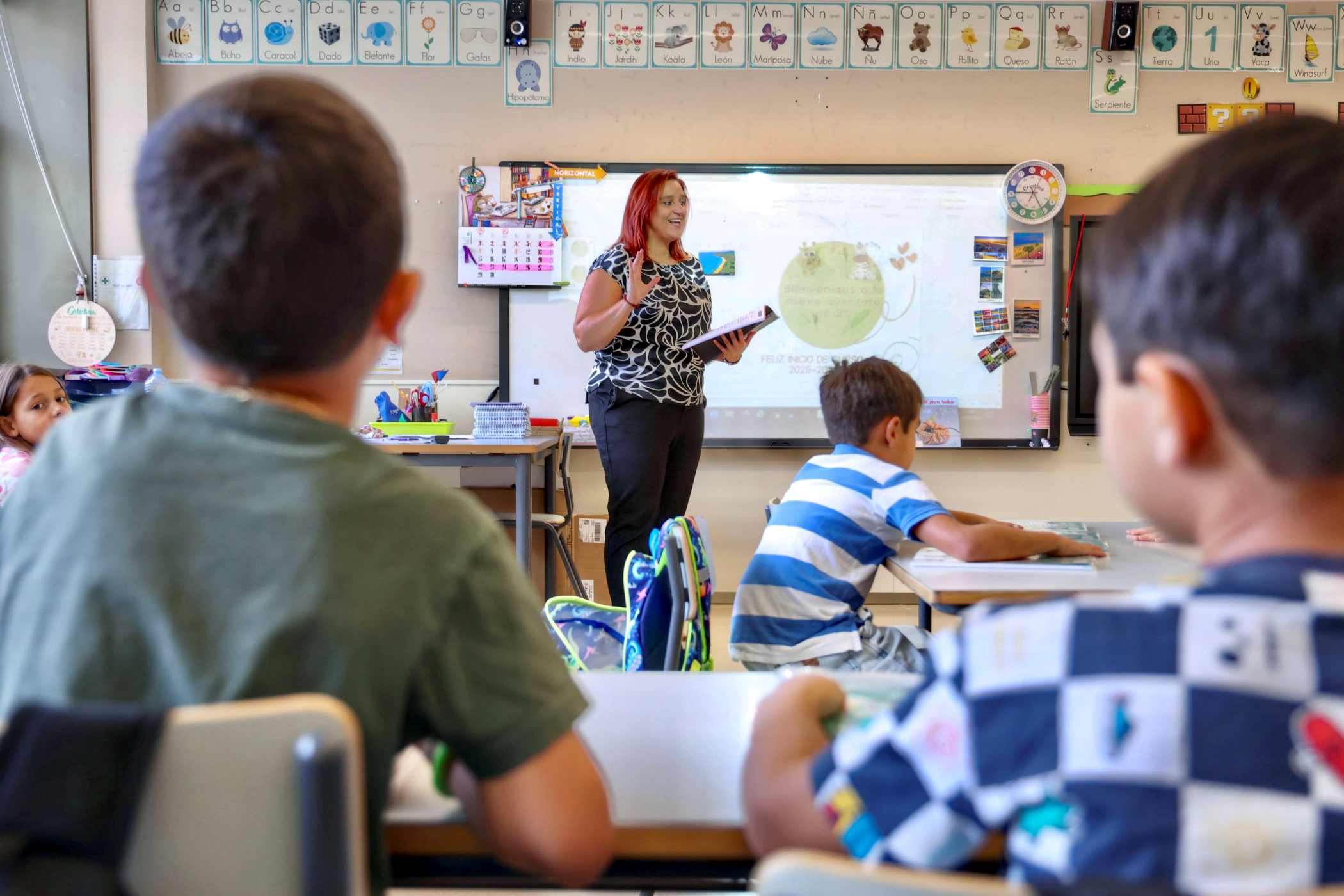
A new school year has begun, and pollution, which exceeds recommended limits in many urban centres, will once again affect children and their families. What consequences could this have on health? How does climate change affect it? What solutions can be implemented? SMC Spain organised an informative session with Julio Díaz and Cristina Linares to answer these questions.


0

Oropouche fever: how concerned should we be about the spread of this disease?

The Pan American Health Organisation has maintained its epidemiological alert for Oropouche fever since it was first issued in February 2024. Although the virus only circulates endemically in the Americas, the importation of cases to Europe following international travel is keeping health agencies and authorities on alert.

0

What to do in the event of extreme fires?

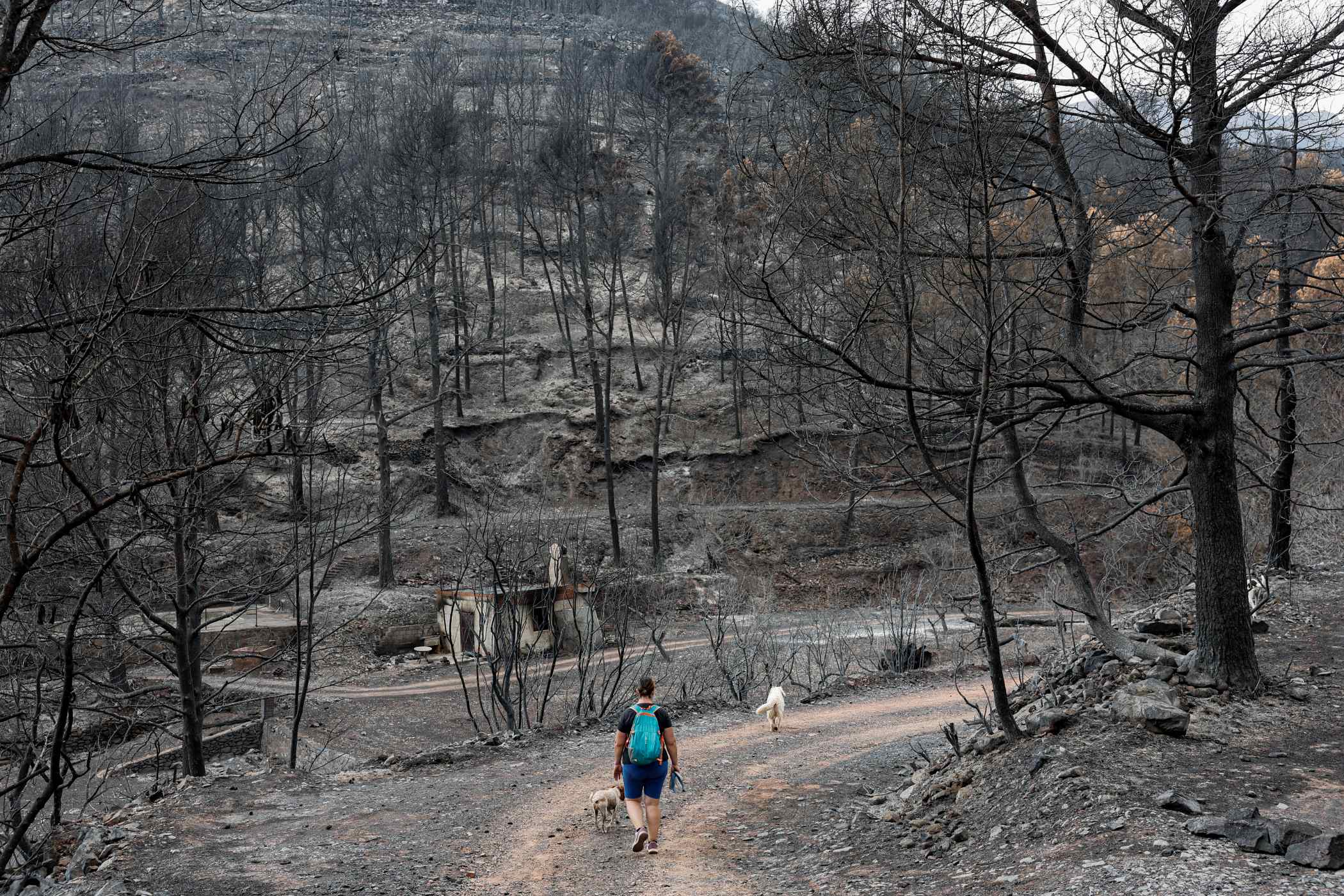
Two people have died in a fire that has burned more than 5,500 hectares in the province of Lleida. Firefighters from the Catalan government declared it under control last night, after 29 hours. Salvador Illa, president of the Catalan regional government, called for ‘maximum caution’ from the public, warning that ‘today's fires are not like those of the past, they are extremely dangerous,’ according to RTVE.es. Why is this fire considered extreme? What should you do when a fire breaks out? How can more fires be prevented? In this article, we have compiled explanations and basic recommendations with the help of expert sources.

0

Children and heat: how rising temperatures affect them and how to adapt their environment to climate change

Children will suffer more from the climate crisis than their grandparents. Fifty-two per cent of people born in 2020 will experience unprecedented heat waves throughout their lives, compared to 16 per cent of those born in 1960. This was calculated by a study published in Nature last month, assuming that temperatures rise 1.5 °C above pre-industrial levels. In this article, we analyse the profile of children who already suffer from heat in our country and explain how to adapt their environments to extreme temperatures. 

0