What we know

What we know

What we know

The SMC team produces explanatory articles on topical issues to answer society’s questions, with the necessary context and depth.

What to do in the event of extreme fires?

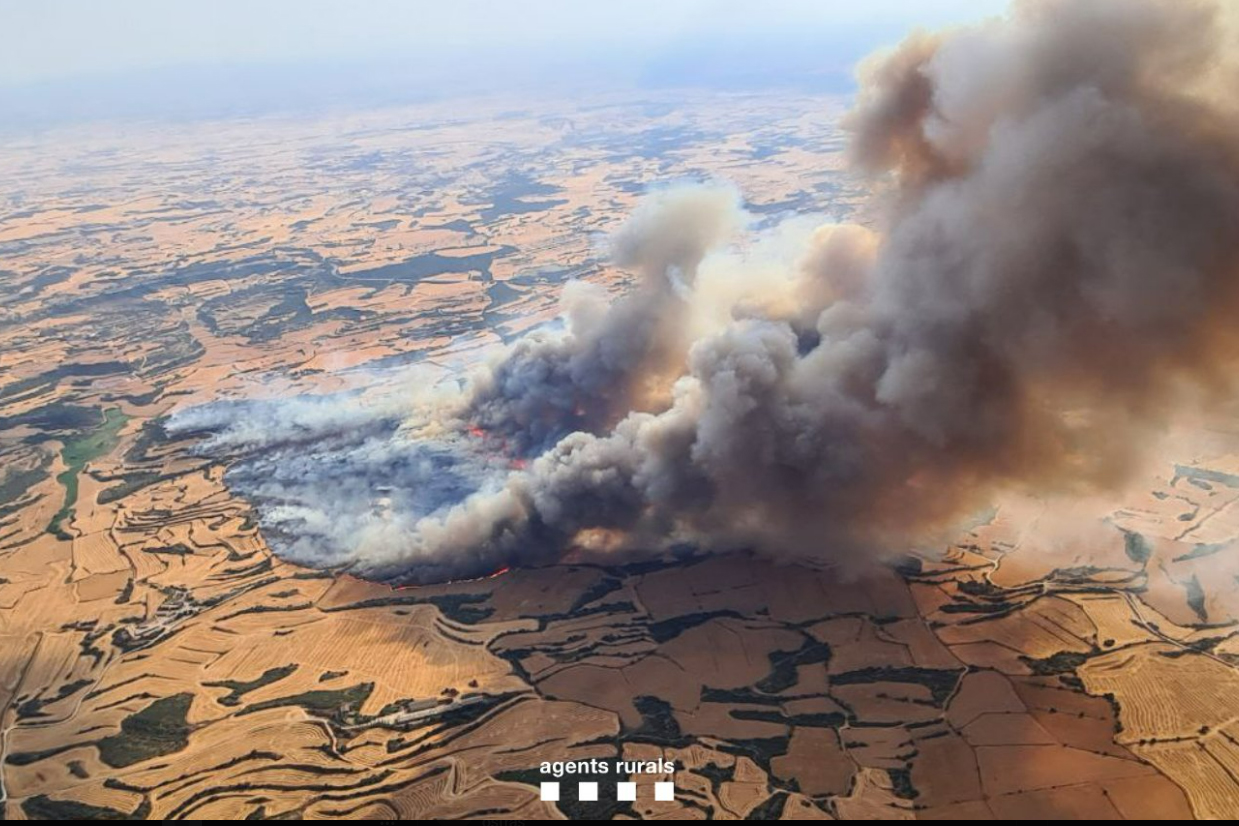
Two people have died in a fire that has burned more than 5,500 hectares in the province of Lleida. Firefighters from the Catalan government declared it under control last night, after 29 hours. Salvador Illa, president of the Catalan regional government, called for ‘maximum caution’ from the public, warning that ‘today's fires are not like those of the past, they are extremely dangerous,’ according to RTVE.es. Why is this fire considered extreme? What should you do when a fire breaks out? How can more fires be prevented? In this article, we have compiled explanations and basic recommendations with the help of expert sources.

0

Children and heat: how rising temperatures affect them and how to adapt their environment to climate change

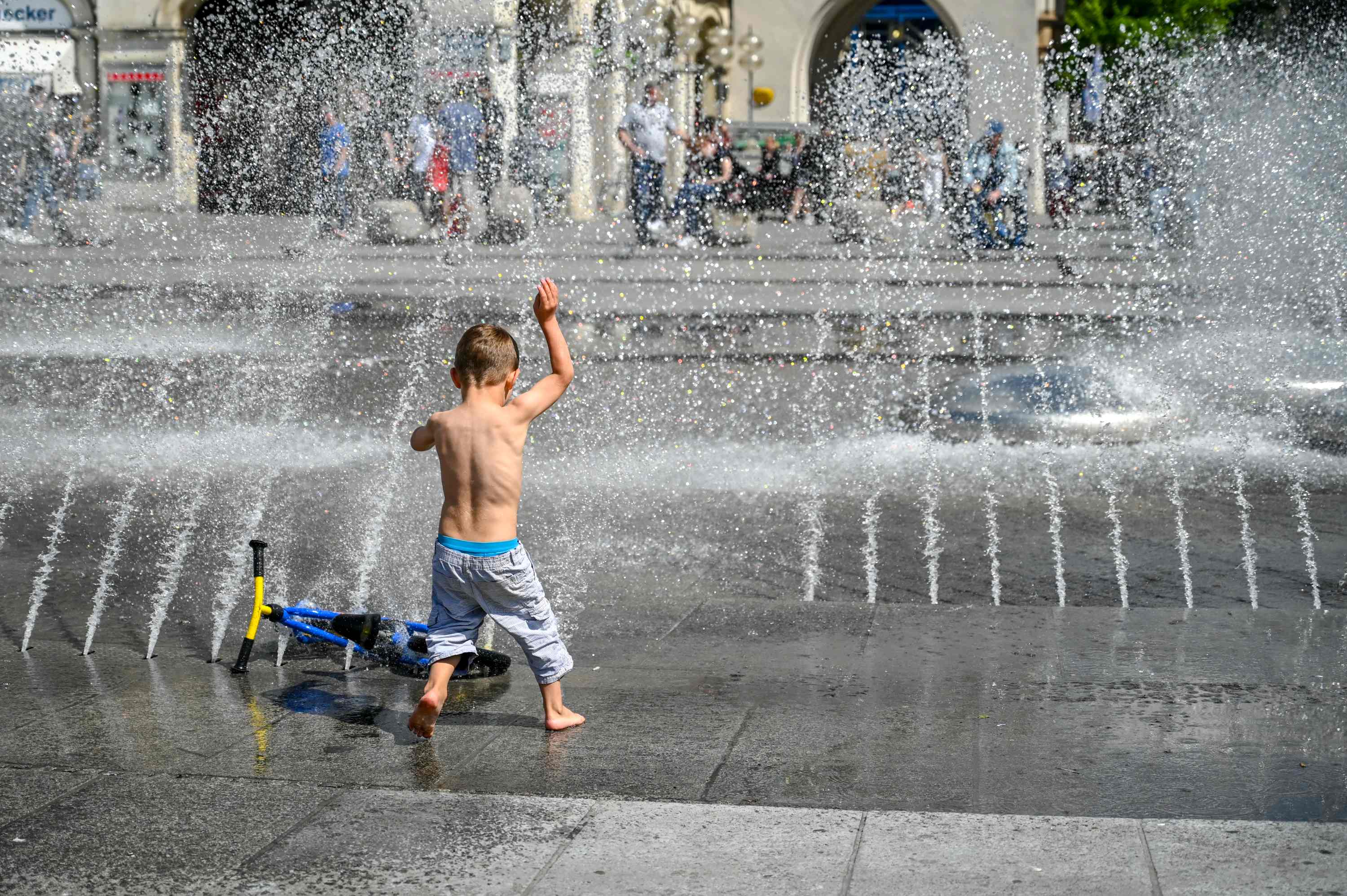
Children will suffer more from the climate crisis than their grandparents. Fifty-two per cent of people born in 2020 will experience unprecedented heat waves throughout their lives, compared to 16 per cent of those born in 1960. This was calculated by a study published in Nature last month, assuming that temperatures rise 1.5 °C above pre-industrial levels. In this article, we analyse the profile of children who already suffer from heat in our country and explain how to adapt their environments to extreme temperatures. 

0

Migratory birds: how they survive in an anthropogenic world

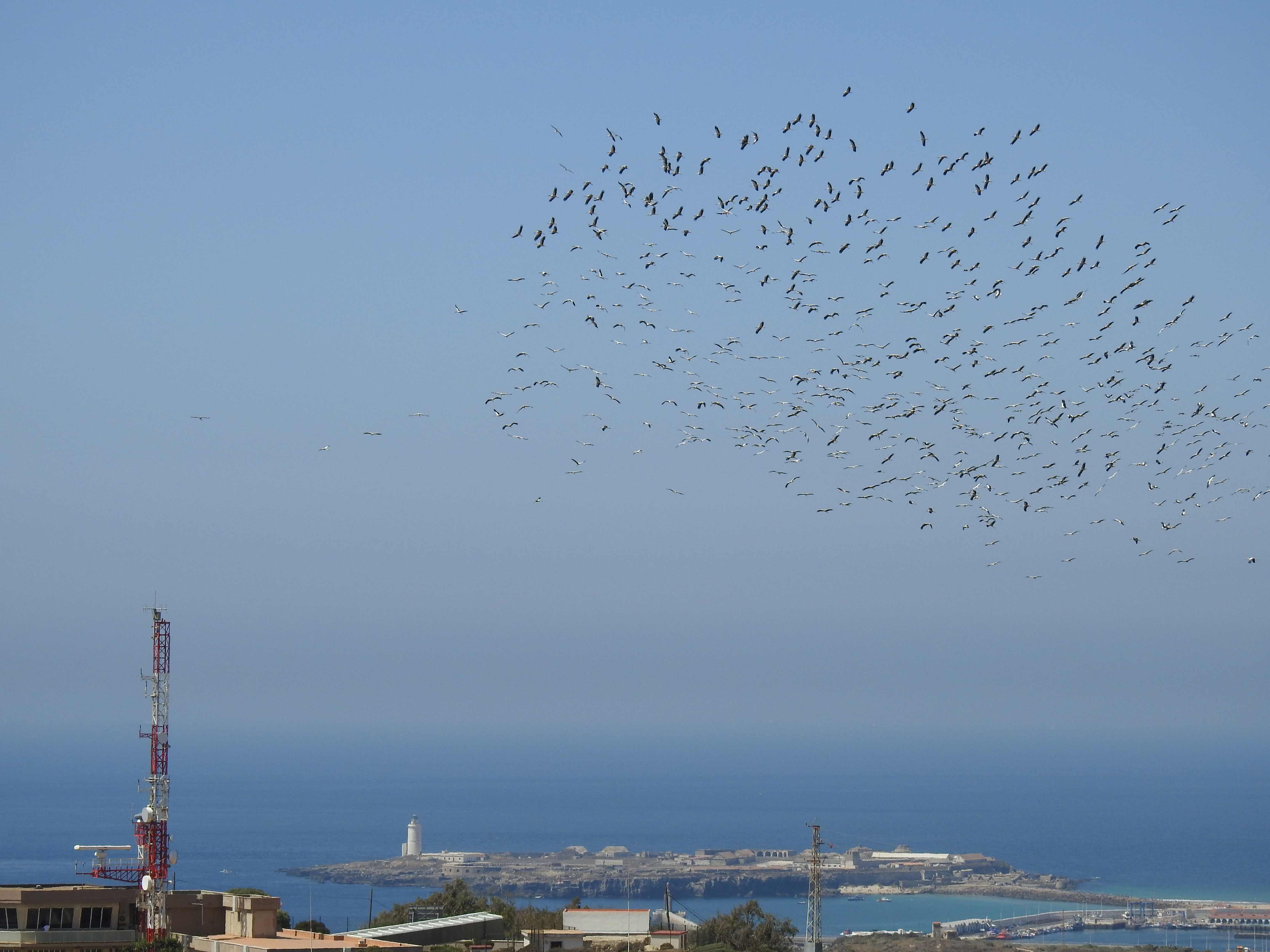
Migratory birds are particularly affected by the climatic, ecological and urban changes resulting from the constantly changing world in which we live. Their survival is at risk, as are the ecosystems in which they live. We analyse the threats they face on a cyclical basis during their migratory routes and why it is important to protect them.

0

Inequalities in the medical profession: why women fail to reach leadership positions

Every 11 February is celebrated as World Medical Women's Day, which coincides with the International Day of Women and Girls in Science, although its commemoration refers to Elizabeth Blackwell, the first woman to obtain a medical degree in the USA, in 1849. More than a century and a half later, despite the increasing number of women graduates, inequalities persist in the profession, especially in senior positions.

0

Oncological oblivion: the right to be free from discrimination after cancer

World Cancer Day is celebrated on 4 February. Behind the cases of this disease there are people who, although they have overcome it, bear the burden of the diagnosis years after the end of their treatment. Survivors demand the right to be forgotten so as not to suffer financial, employment and social discrimination.

0

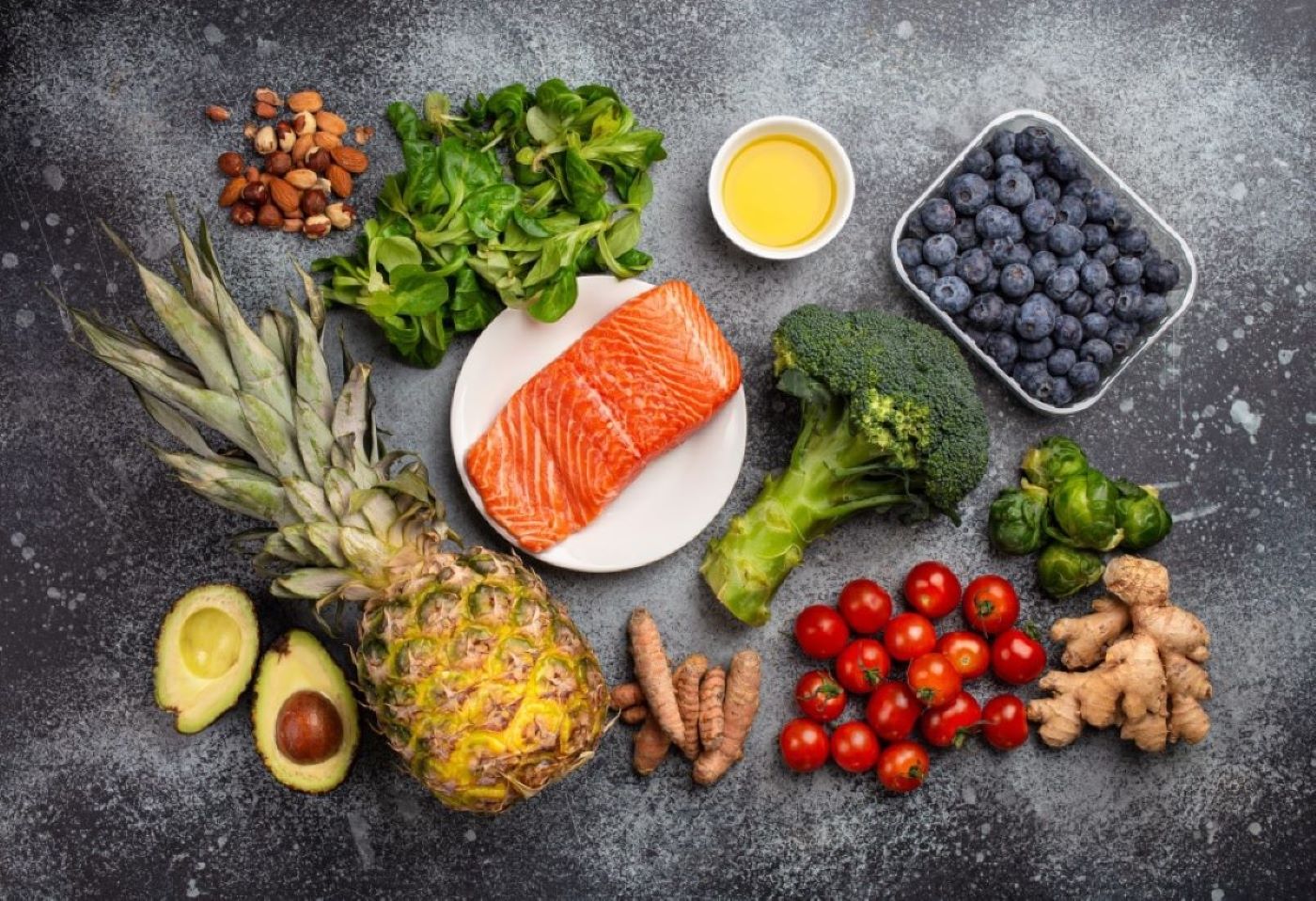
What is inflammation: a guide to information and how to avoid falling for ineffective remedies

Inflammation is all the rage. In fact, anti-inflammatory diets that claim to fight it. This is attested to by best-selling books and influencers, ready to give us the latest tips on how to lose weight, or rather, how to reduce inflammation. But what's the truth in all this, and what does inflammation have to do with being overweight? 

0