What we know

What we know

What we know

The SMC team produces explanatory articles on topical issues to answer society’s questions, with the necessary context and depth.

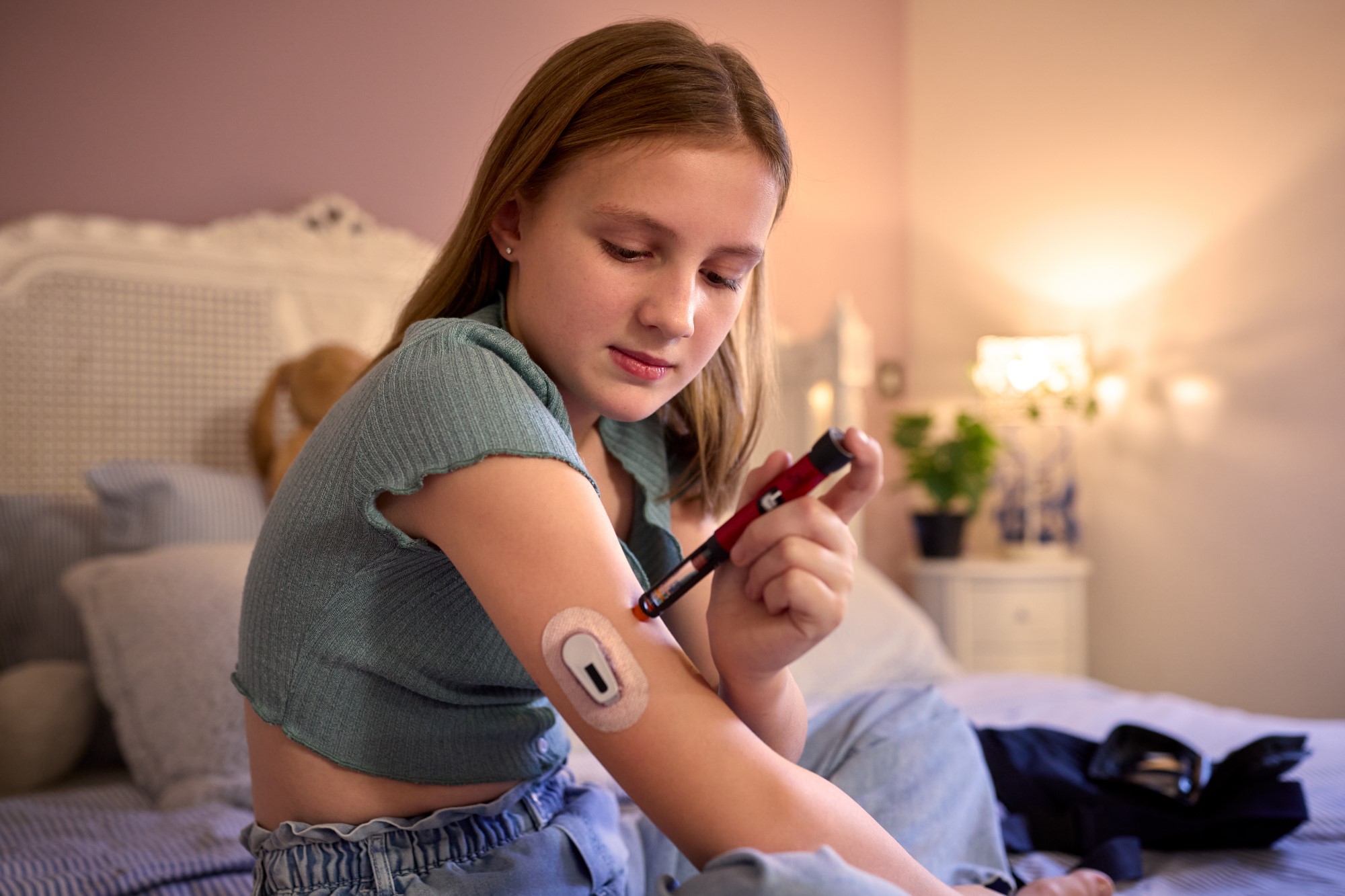
What do we know about the use of medical cannabis? Questions and answers about its regulation in Spain

This week, Spain’s Ministry of Health launched a process to develop a Royal Decree on the medical use of cannabis, assuring that it will be "a rigorous measure based on the best scientific evidence available.” The goverment is conducting a public consultation until 4 March to gather the opinions of citizens, civil society organisations, professional associations and scientific societies. In this explainer, we attempt to answer the main questions that arise regarding the medical use of cannabis. 

0

What do we know about scientific misconduct? A guide to reporting about research integrity

According to a survey conducted in Spain, with 403 respondents from the biomedical research field, four out of ten admit to having committed some type of misconduct in their work. The press regularly reports on scandals in science. Among the most recent cases, El País reported that the CSIC has opened a disciplinary proceeding against five individuals suspected of receiving money in exchange of false affiliations. These cases of misconduct may seem isolated, but they reflect broader dysfunction of the research system. In this guide, we provide keys to better understand how these cases arise and evolve, and to cover their nuances. 

0

Continuous or split school day: arguments in the debate

When considering which type of timetable is best, one question is: best for what and for whom? Not only does the scientific evidence on student learning and well-being come into play, but also the employment interests of teachers, the reconciliation needs of families, and the effects of each type of timetable on socio-economic inequality and the gender gap in care are also involved. We bring together more elements of the discussion in this second article.

0

Continuous or split school day: data, studies and evidence

Every school year in Spain, the debate returns about what kind of timetable schools should adopt: is it better to concentrate all teaching hours or to have a lunch break and extend the time spent at school? In this first issue, we bring together research on the effect of each type of timetable on students' performance, rest and socio-affective well-being, as well as the available data on public and charter education.

0

Sixth-generation wildfires: what they are, how climate change affects them and ways to prevent them

Rising temperatures, droughts, heat waves and abundant untreated material in forests are the perfect cocktail for fires to break out. When they are beyond the control of firefighting services - because of their intensity, speed and unpredictability - we speak of mega-fires or sixth generation wildfires, a phenomenon that is not new but whose frequency could increase due to rural abandonment and climate change. Some experts have thus described the fire in Tenerife that began on August 15 and has forced the evacuation or confinement of thousands of people.

0

Anthropocene: what it is and why it generates debate among scientists

The term Anthropocene describes the profound changes on Earth due to human activities in the past decades. The concept comes from geology but has spread to other areas and has sparked controversy within science. In this article, we provide some keys to understand what the Anthropocene is, and why there has been debate in recent days surrounding its possible declaration.  

0

How to distinguish dangerous species of mosquitoes and what to do if you get bitten by one

Summer conjures up images of swimming pools, beaches, holidays and also, buzzing and bites. Mosquitoes have been with us all our lives, but globalisation has led to the arrival in Spain of invasive species capable of causing diseases such as dengue and yellow fever. How can we distinguish dangerous species and avoid their bites?

0