climate change

climate change

climate change

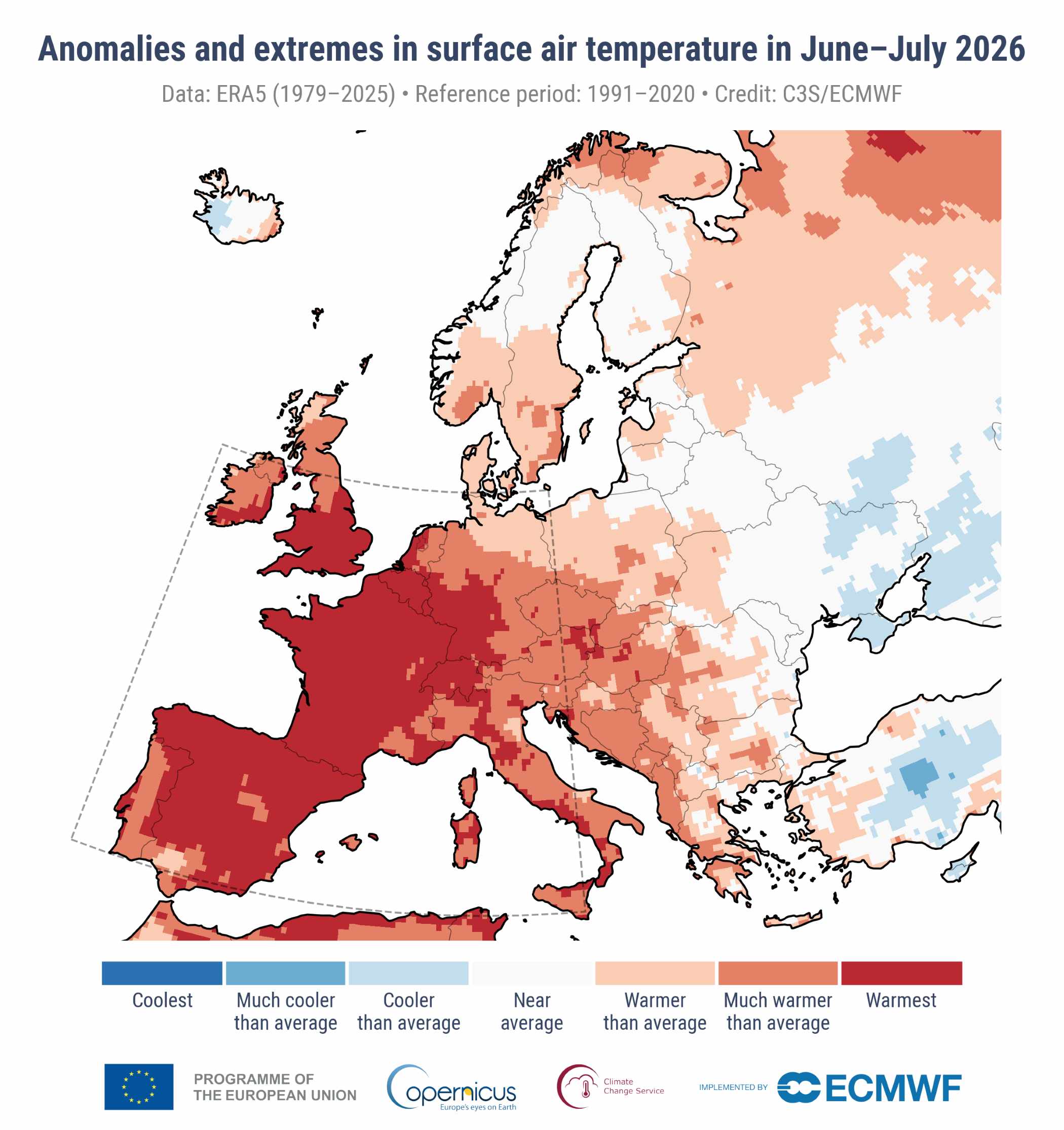
95% of Europe experienced above-average annual temperatures in 2025

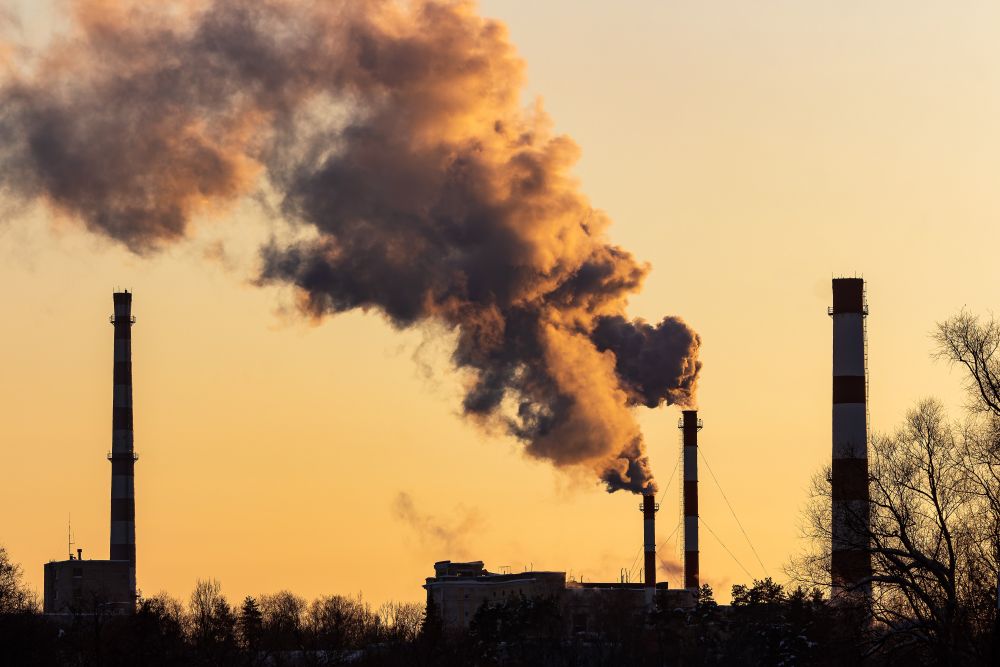
Rapid warming in Europe is reducing snow and ice cover, while very high air temperatures, drought, heatwaves, and record ocean temperatures are affecting regions from the Arctic to the Mediterranean. These are the main findings of the State of the Climate in Europe (ESOTC) 2025 report, prepared by the European Centre for Medium-Range Weather Forecasts (ECMWF), which operates the Copernicus Climate Change Service, and by the World Meteorological Organization (WMO). The data show that 95% of the continent recorded above-average annual temperatures last year, and river flows were below average for 11 months.

0

A study exposes the ‘greenwashing’ practices of major meat and dairy companies

A study claims that 98% of the environmental claims made by meat and dairy companies constitute greenwashing—statements and promises of environmental action that are not backed by scientific evidence. The analysis is based on 1,233 claims published between 2021 and 2024 in sustainability reports and on websites (for example, “producing carbon-neutral dairy products by 2050 at the latest”) by 33 major companies, including Danone and Nestlé. “The meat and dairy industry may be misleading consumers and investors about whether and to what extent they are addressing environmental impacts, including climate change,” the authors write, whose study is published in PLoS Climate..

0

Wildfires in 2025 burned more than one million hectares across the European Union, with nearly half of that area located on the Iberian Peninsula

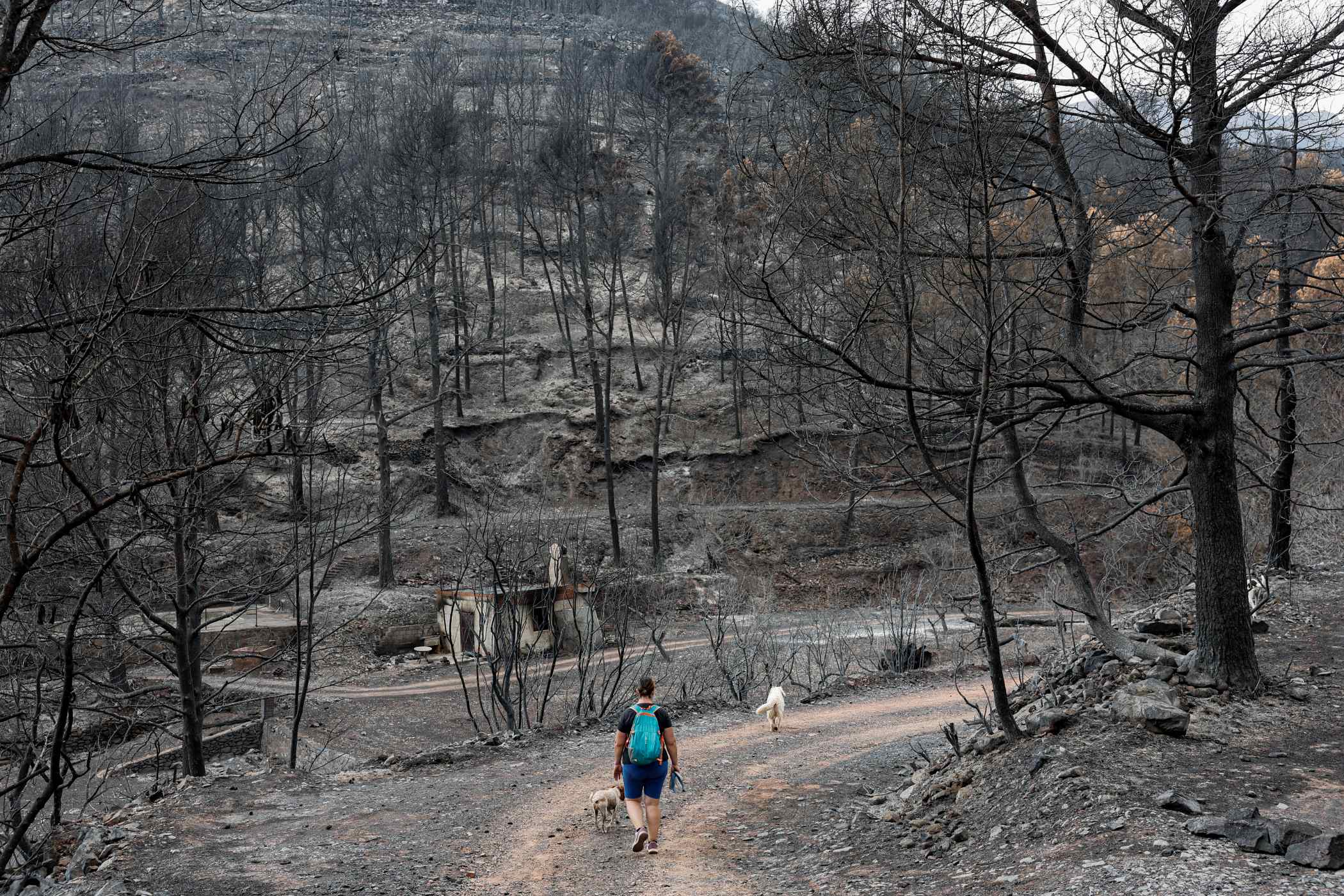
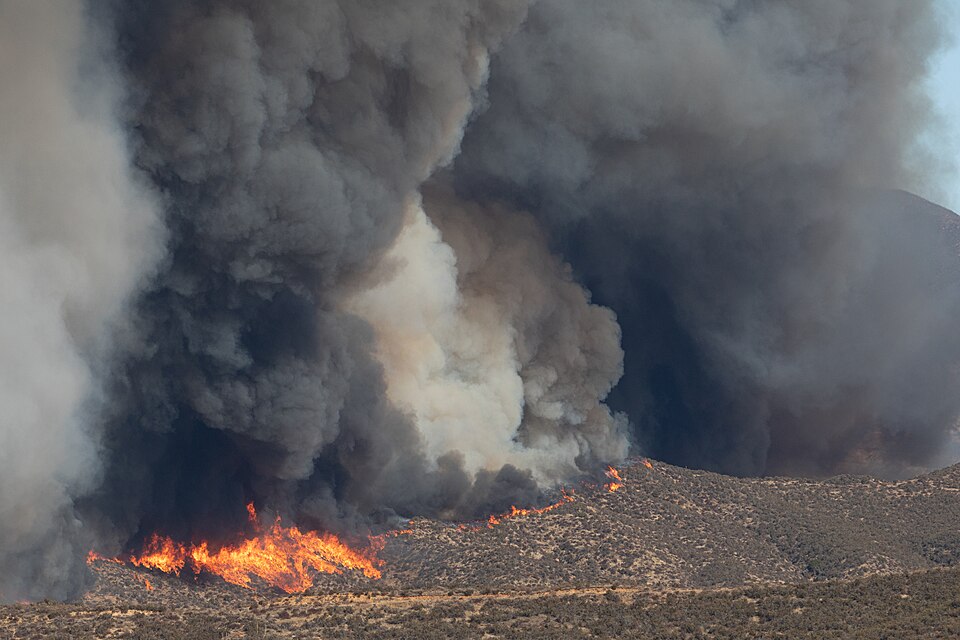
The 2025 wildfire season was the worst the European Union has seen in the last century. According to a report by the European Forest Fire Information System (EFFIS), managed by the European Commission’s Joint Research Centre (JRC), more than one million hectares were burned last year. Some 43% of that figure was burned in the major fires that occurred in Spain and Portugal during the summer. The report also covers the rest of the European continent, the Middle East, and North Africa, resulting in a total of more than two million hectares of burned area.

0

Historical carbon emissions will generate greater economic costs in the future than they have already caused to date

The economic costs of CO₂ emissions can be calculated in three ways: through the historical damages resulting from past emissions; through the expected future damages caused by those past emissions; and through the expected future damages from current or future emissions. A study published in Nature concludes that the future economic costs associated with past emissions could be at least ten times higher than the costs already incurred from those same emissions. The authors estimate that one tonne of CO₂ emitted in 1990 caused $180 (around €155) in global damages up to 2020, but will generate an additional $1,840 (nearly €1,590) by 2100. The analysis covers countries, high-net-worth individuals and major companies, as well as behavioural patterns, including taking an additional long-haul flight each year or choosing a non-vegetarian diet.

0

A study estimates that extreme heat-related physical inactivity could cause more than half a million premature deaths annually by 2050

Physical inactivity driven by rising temperatures due to climate change could result in between 0.47 and 0.70 million additional premature deaths each year by 2050, according to projections from a new study published in The Lancet Global Health. The study analysed data on the relationship between temperature and physical inactivity across 156 countries between 2000 and 2022. Low- and middle-income countries, where access to air conditioning, the availability of shaded public infrastructure, and discretionary leisure time are limited, were the most affected. Spain is among the European countries expected to be most impacted.

0

Knowledge of biodiversity is advancing faster than species loss

Global biodiversity is threatened by human impact, which has already led to the extinction of hundreds of species. However, the known tree of life continues to expand with the discovery of numerous clades (groups of organisms that share a common ancestor and all its descendants), according to a international study pubished in PNAS. According to their estimates, made between 2015 and 2020, more than 700 new genera, more than 20 new families, and more than three new orders are described each year, all based on newly discovered species. According to the authors, many new clades remain undiscovered, and describing them before they become extinct should be a priority for research and conservation.

0

Forest fires and pest outbreaks could double in Europe before the end of this century

Forest disturbances in Europe—including fires, insect pest outbreaks, and windstorms—could double by the end of the 21st century compared with the 2001–2020 period if emissions are not reduced. In the case of wildfires, the annual area burned could nearly triple. The Mediterranean region ranks among the most vulnerable, and almost 90% of Mediterranean forests could be affected by increased fires and pest outbreaks under higher warming scenarios. The findings are published in a study in the journal Science involving Spanish research centers such as CREAF, the CTFC and the University of Girona.

0

Sea level rise may be higher than previously thought, according to a study

Researchers have reviewed nearly 400 scientific articles related to sea level rise and associated risks and concluded that most studies may have underestimated global sea level rise by an average of 0.3 meters. In some areas of the Global South, these levels could be up to 1 meter higher than previously thought. According to the authors, a reassessment of the methodology used to characterize the impact of sea level rise is necessary, as this could have implications for policy, climate finance, and coastal adaptation plans. The study is published in Nature.

0

Antarctica loses 12,800 km² of coastline over 30 years

The transition zone between land and sea in glaciers is an indicator of their stability. An analysis of satellite measurements from 1992 to 2025 has shown that 77% of Antarctica’s coastline has experienced no change. The 23% that did see a reduction in area was concentrated in regions where deep troughs allow access to warmer waters and where the bed slopes inland. These include the Antarctic Peninsula, Wilkes and George V Lands, and West Antarctica, where retreat of this transition line ranged between 10 and 40 km. A total of 12,800 km² of ice has been lost —an area roughly equivalent to almost half the size of Galicia— most of it in West Antarctica. The results are published in the journal PNAS.

0

Marine heatwaves cause an annual decline of almost 20% in fish biomass

New research analysing more than 33,000 fish populations in the northern hemisphere between 1993 and 2021 reveals that chronic ocean warming is driving a long-term decline in biomass of up to 19.8% per year for species in the Mediterranean, North Atlantic and North-East Pacific. At the same time, in the short term, more fish are thriving in cold areas due to the heat, but these increases are temporary and the authors warn that relying on them would lead to unsustainable exploitation. The study, by the National Museum of Natural Sciences (MNCN-CSIC) and the National University of Colombia, is published in Nature Ecology & Evolution.


0