climate change

climate change

climate change

Deaths due to wildfires could double in Europe by the end of the century

Premature deaths due to smoke pollution from wildfires will multiply to reach nearly 1.5 million deaths per year by the end of the century, according to a study published in Nature. The authors estimate that the increase will be much greater in Africa (11 times more deaths in 2095-2099 than in 2010-2014) than in Europe and the US (up to twice as many). Another study published in the same journal estimates that, under a high CO2 emissions scenario, there will be more than 70,000 additional deaths per year from fires in the United States by 2050.

0

A study estimates that companies with the highest carbon emissions contributed 50% to more intense heatwaves

Using data from the 180 companies with the highest carbon emissions—fossil fuel and cement producers—research has calculated that these companies contributed 50% to the increase in heatwave intensity since 1850-1900. The authors estimate that the individual emissions of each large polluting company may have contributed to the occurrence of between 16 and 53 heatwaves. The study, published in Nature, also shows that a quarter of the heatwaves recorded between 2000 and 2023 would have been virtually impossible without anthropogenic climate change.

0

The climate crisis could reduce the population of an important oxygen-producing marine bacterium by up to 50%

The cyanobacterium Prochlorococcus, the smallest and most abundant photosynthetic organism on Earth, is an important producer of oxygen and is crucial to marine ecosystems. A team from the United States has collected data from ships sailing the Pacific Ocean over a ten-year period and concluded that these cyanobacteria could experience population declines of between 17% and 51% in tropical oceans by the year 2100, depending on the warming scenario. The results, which are the product of modeling work, are published in the journal Nature Microbiology and indicate that this microorganism is more vulnerable to climate change than previously thought.

0

A large-scale study reinforces the link between following an environmentally friendly diet and lower mortality rates

The Planetary Health Diet promotes environmentally sustainable consumption, based, among other things, on increasing vegetable intake and reducing dairy and red meat consumption. Previous studies had found an association with better human health, although there were some conflicting results. Now, a study combining two cohorts of more than 150,000 people and a meta-analysis of 37 studies involving more than three million volunteers reinforces this association, finding that greater adherence to the diet is associated with lower all-cause mortality. The results are published in the journal Science Advances.


0

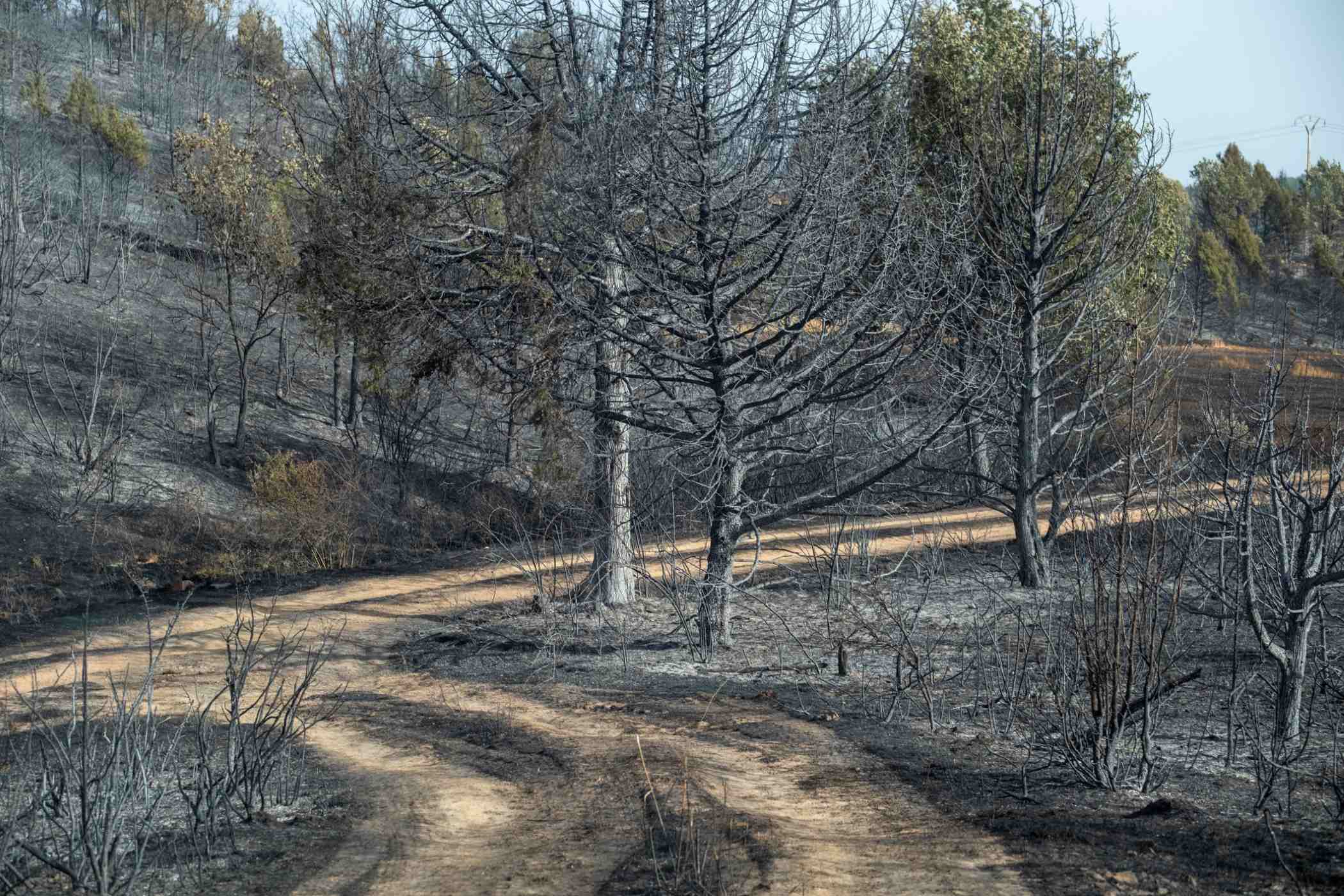
An attribution study links climate change to the intensity of extreme fires in Spain and Portugal in August 2025

Climate change has made the hot, dry and windy weather conditions that spread fires across the Iberian Peninsula 40 times more frequent and 30% more intense than in the pre-industrial climate, according to a rapid study by World Weather Attribution. The ten-day heatwave was also 200 times more likely and 3°C hotter due to climate change. The study, which analysed weather observations rather than climate models, warns that fires in Europe are overwhelming firefighting resources and highlights the importance of controlling vegetation in affected areas.


0

Global limit on carbon storage capacity in geological formations estimated

The planet's capacity to store carbon emissions in geological formations is 1,460 gigatons, according to a study published in the journal Nature. This ceiling is likely to be reached by 2200 under current global warming mitigation scenarios, so, according to the authors, countries should reconsider the role of carbon storage in their plans to reduce emissions.

0

Supercell thunderstorms could become more frequent if global warming is not controlled

So-called ‘supercell thunderstorms’ — incredibly intense phenomena that bring hurricane-force winds, hail, torrential rain and often tornadoes — will become more frequent in Europe as the Earth continues to warm. This is the conclusion of a study published in Science Advances, which indicates that the increase could reach 11% in a scenario where temperatures rise by 3°C.

0

A WHO-WMO report warns that extreme heat increases the risk of neurological disorders and other illnesses among workers

The frequency and intensity of extreme heat events have increased in recent years, heightening the risks for those who work outdoors and indoors. Health risks include heatstroke, dehydration, kidney dysfunction and neurological disorders. These are some of the conclusions of a joint report by the World Health Organisation (WHO) and the World Meteorological Organisation (WMO), which estimates that worker productivity falls by between 2% and 3% for every degree above 20°C. The document proposes measures for governments, businesses and health authorities to mitigate the risks of extreme heat for these people.

0

Solar panels in space could help Europe achieve its net-zero emissions target

Space-based solar power could provide electricity to support Europe's net-zero emissions target if its cost of supply is reduced sufficiently. This is one of the conclusions of an article published in the journal Joule, by the Cell Press group. Space solar panels would allow continuous capture of solar energy, rather than only when light reaches Earth, reducing the need for wind and solar energy on Earth by 80% in Europe. The researchers estimate that by 2050, space-based solar power could reduce the costs of the European electricity system, although this depends on the development of two NASA space-based solar power designs they have used for their research: the Innovative Heliostat Swarm and the Mature Planar Array.

0

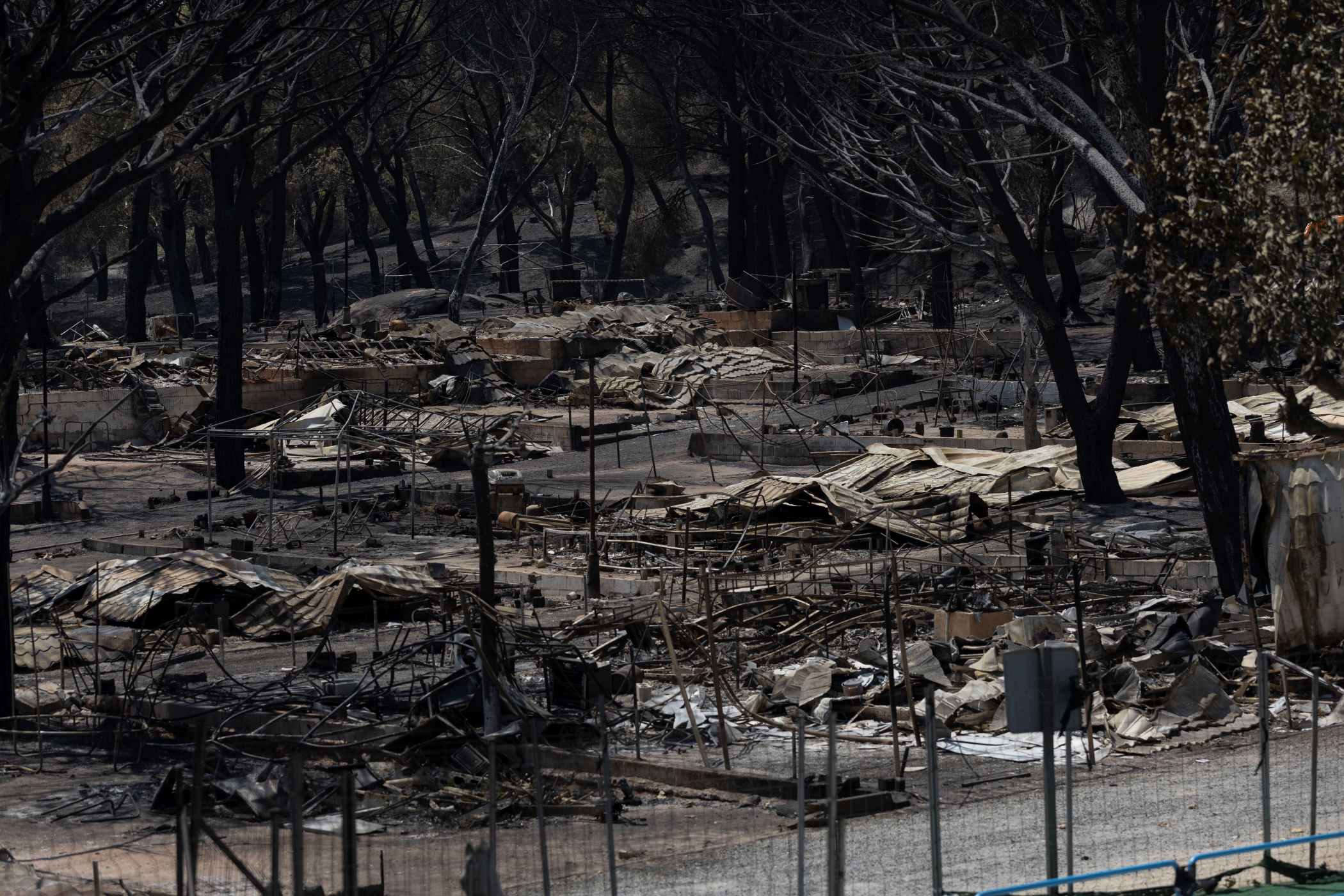
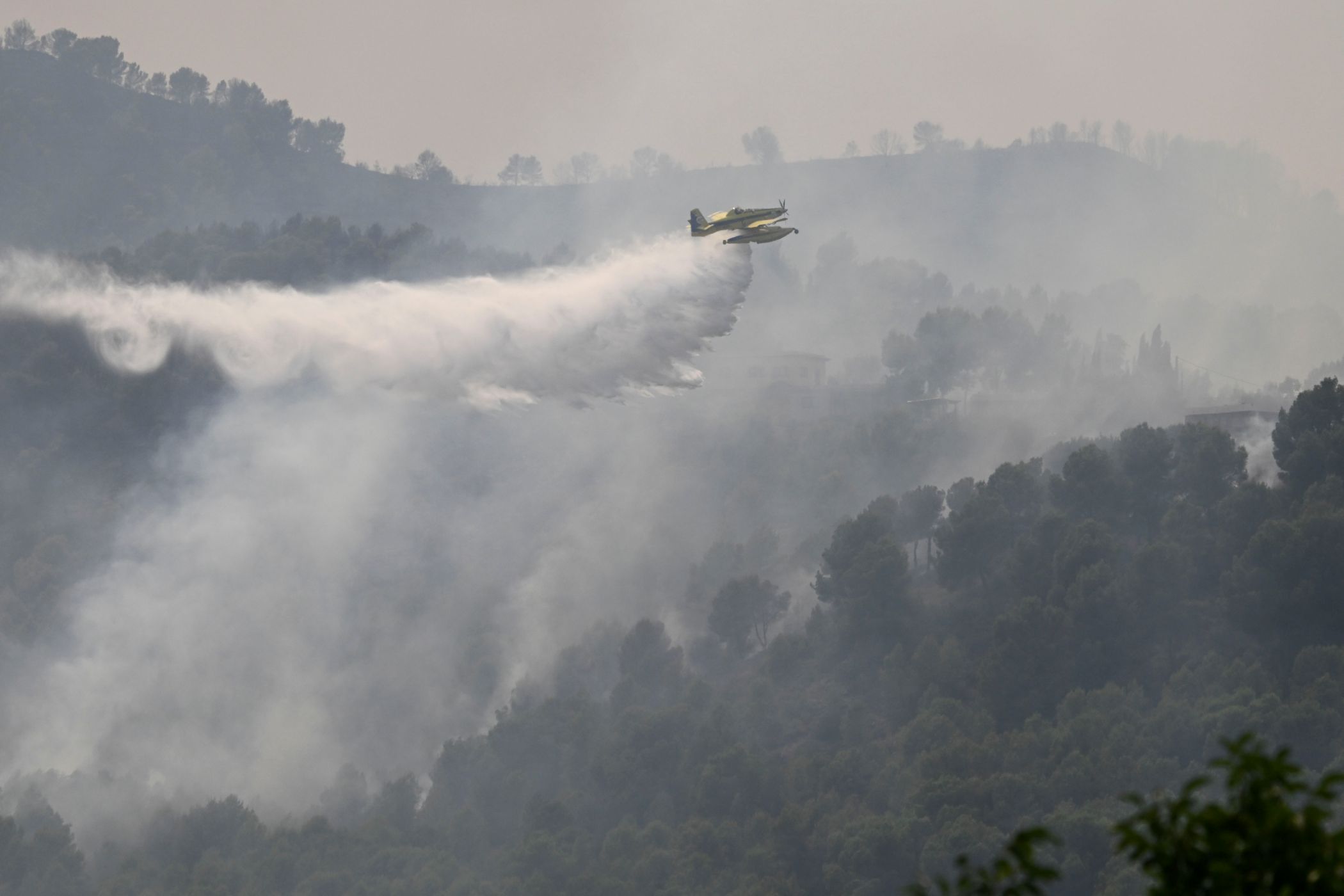
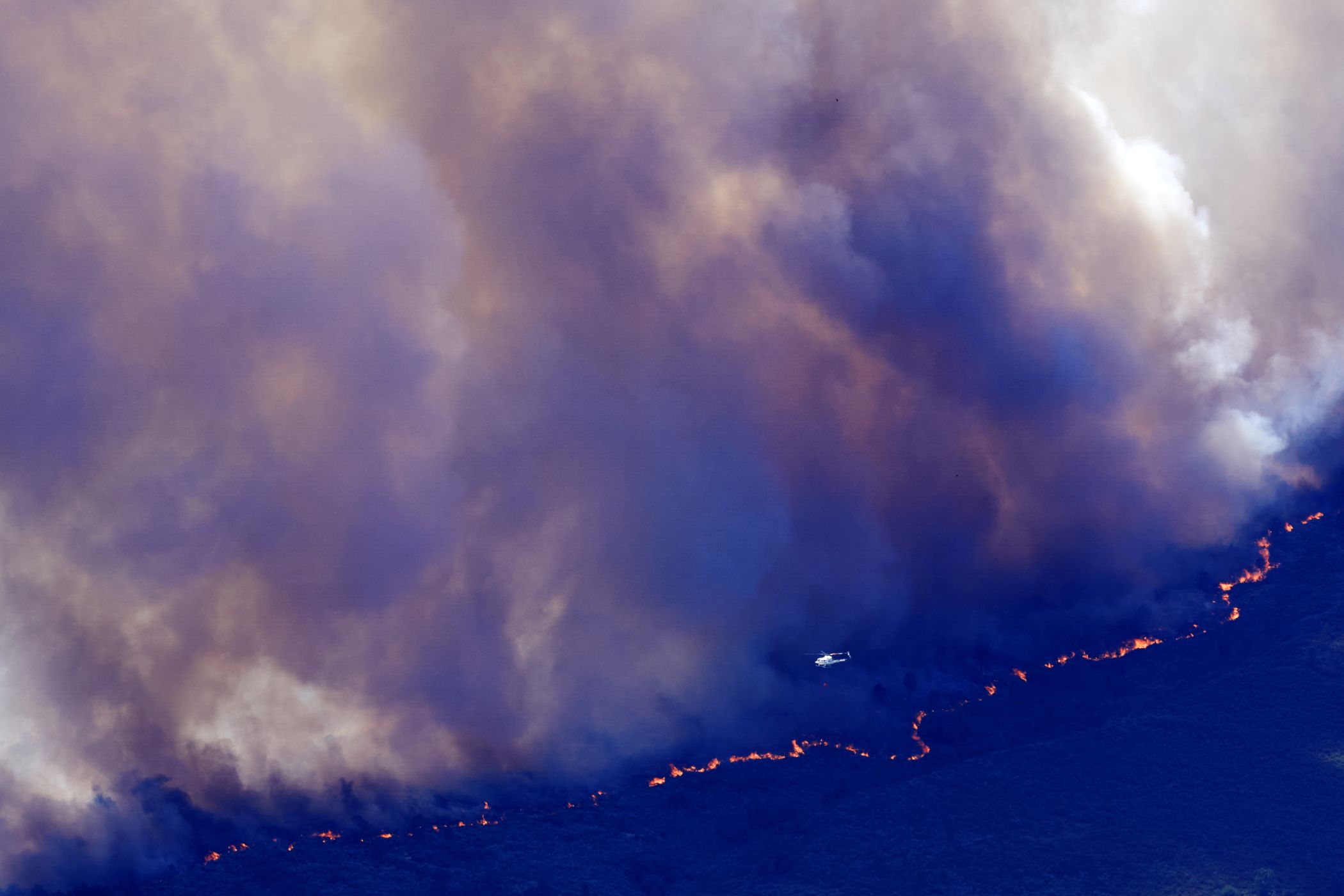
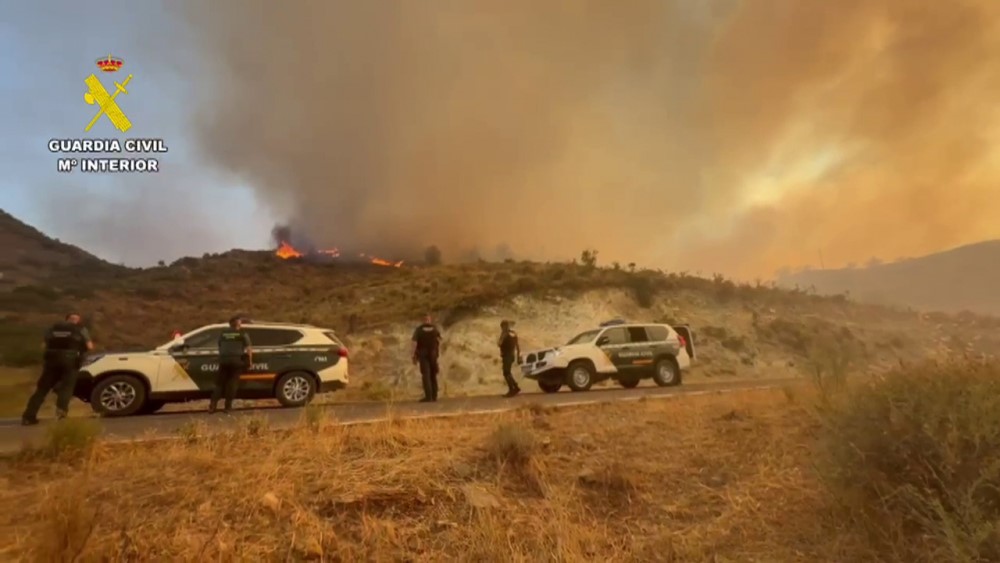
Extreme heat and wind keep numerous fires burning on the peninsula

Four people have died in the fires that began last weekend on the Iberian Peninsula and have spread to different areas of Galicia, Castile and León, Andalusia, Castile-La Mancha, Extremadura and Madrid. The heatwave that continues to grip the country, strong gusts of wind and their changing direction, and the thermal drought are hampering firefighting efforts. The government declared on Tuesday a pre-emergency phase and thousands of people have had to be evacuated.

0