climate change

climate change

climate change

Adaptation measures in Europe prevented 80% of heat-related deaths in 2023

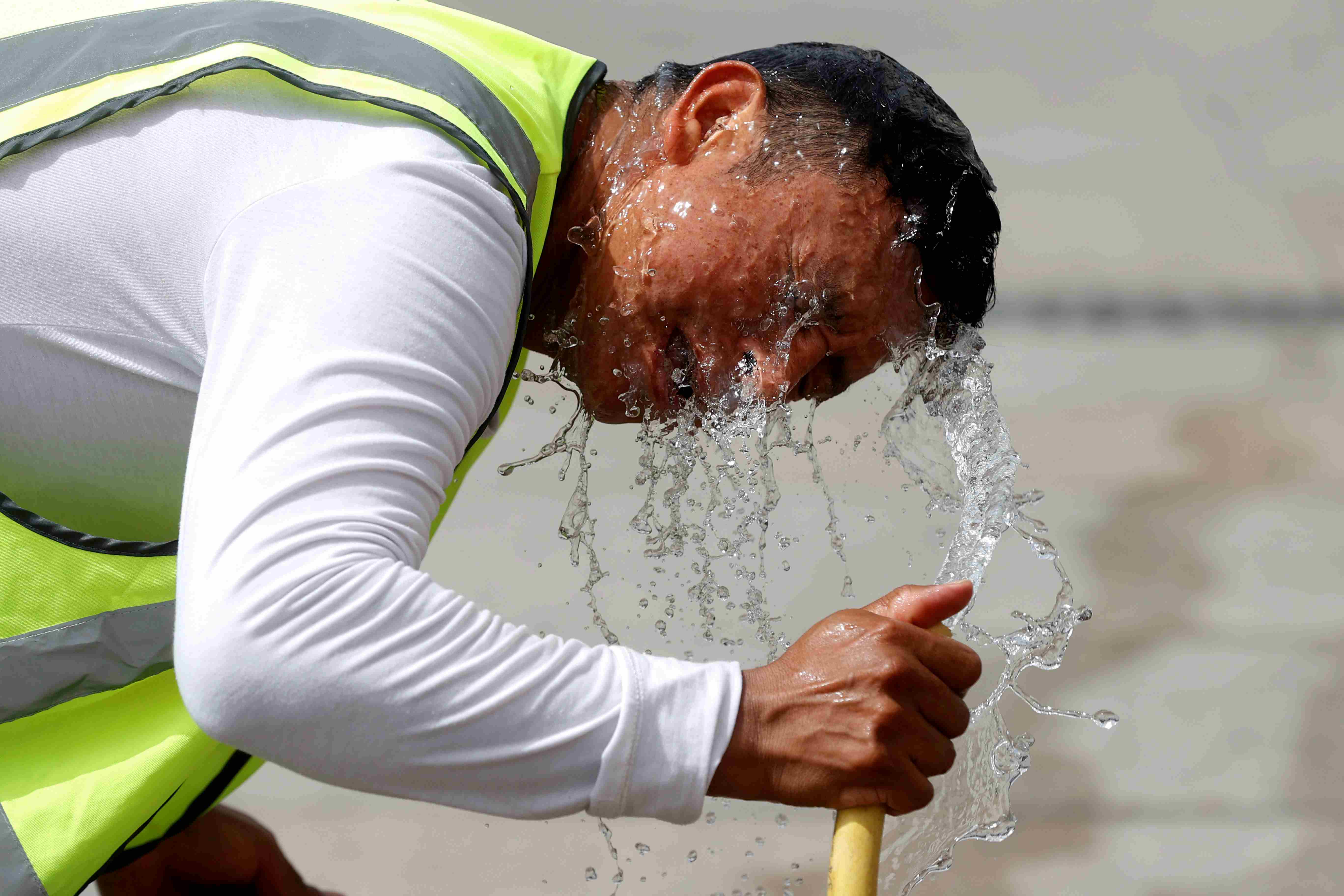
Heat-related mortality in Europe would have been 80% higher last year without recent adaptation measures to rising temperatures, such as changes in infrastructure and public behaviour, according to a study led by ISGlobal. The study, published in Nature Medicine, estimates that more than 47,000 deaths were related to the heat in 35 European countries in 2023 - the second highest number in the 2015-2023 period, behind 2022. Heat-related mortality was highest in southern European countries including Spain (175 deaths per million people), Italy (209) and Greece (393). 

0

Heat culture in Spain: 20 years of prevention plans to face the extreme temperatures

August 2003 was the month of the heatwave that killed 70,000 people in Europe. In France, with 14,800 deaths, the Minister of Health resigned, and in Spain, with 6,500, the first prevention plan for the extreme heat was put in motion, which came into force in 2004. Two decades later, campaigns and preventive measures in social services, nursing homes, and hospitals have generated the so-called "heat culture," and although temperatures continue to rise due to climate change, this adaptation is limiting its impact.

1

Too much uncertainty to predict when climate tipping points will occur, warns study

Climate tipping points are thresholds at which elements of the Earth could reach a point of no return, accelerated by climate change and with consequences for the rest of the planet. These drastic changes could affect, for example, the Atlantic Meridional Circulation (AMOC), polar ice sheets or tropical rainforests. A study published in Science Advances concludes that there is too much uncertainty to extrapolate historical data and reliably estimate when these inflections will occur.


0

Trees capture methane from micro-organisms that inhabit their bark

The surface of tree bark plays an important role in the elimination of methane gas from the atmosphere thanks to the microorganisms that live on it, according to a study published today in Nature in which CREAF participates. Methane is one of the gases responsible for the greenhouse effect. The authors estimate that this process, unknown until now, makes trees 10% more beneficial to the climate than previously thought.

0

Earth's days are getting longer due to climate change

Climate change is influencing the length of the day, according to an analysis published in PNAS. As melting ice accelerates due to rising temperatures, sea levels rise and large masses move from the polar to the equatorial regions. This redistribution affects the Earth's rotation and results in longer days. During the 20th century, sea level variations were associated with changes in day length between 0.3 and 1 millisecond per century, but since 2000 this variation has increased to 1.33 (±0.03) milliseconds per century and the authors estimate that it will accelerate further in the coming decades.

0

Carbon stored in plants more ephemeral than previously thought

Carbon stored globally by plants is shorter-lived and more vulnerable to climate change than previously thought, according to a study published in Science. This has implications for nature's role in climate change mitigation, including the potential for carbon removal projects such as mass tree planting. The research reveals that existing climate models underestimate the amount of carbon dioxide (CO2) that vegetation absorbs globally each year, but overestimate how long that carbon stays there. 

0

Mosquito-borne diseases: an increasing risk in Spain

International health organisations are warning about the spread in Europe of mosquito species that transmit diseases such as dengue fever. In Spain, where they are already widespread across much of the country, the Centro de Coordinación de Alertas y Emergencias Sanitarias (CCAES) warns of the risk of West Nile virus, and says that the summer is expected to be complicated. In this guide, we bring together information to understand this public health issue. 

0