climate change

climate change

climate change

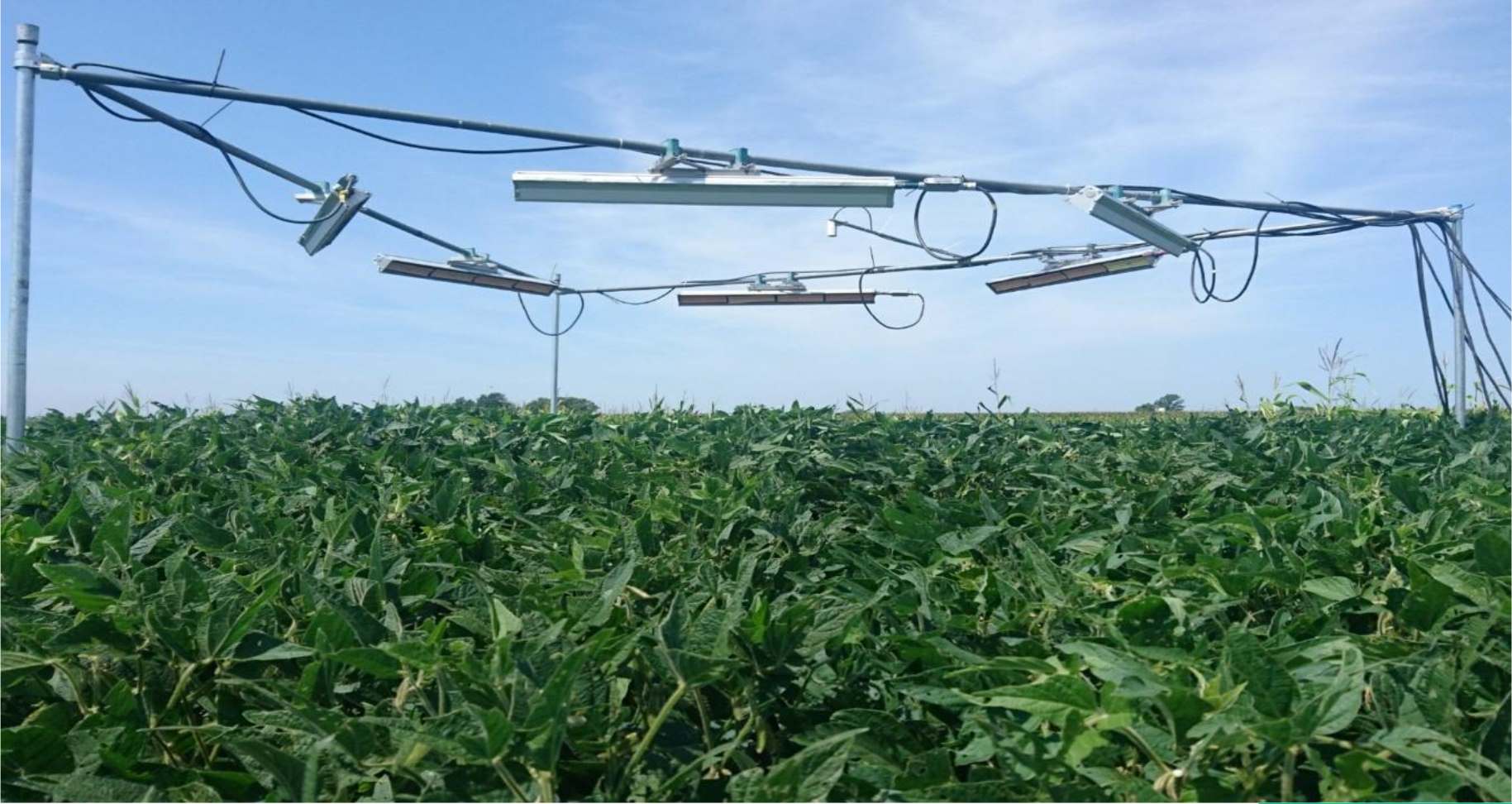
Nitrous oxide emissions increased by 40 % in 2020 compared to 1980, largely due to agricultural practices

Nitrous oxide is considered one of the three most important greenhouse gases, behind carbon dioxide and methane. According to a report by the Global Carbon Project, emissions of this gas from human activities continue to grow, with a 40% increase over the last four decades - from 2020 to 1980. The research, led by Boston College and published in the journal Earth System Science Data, reveals that in the last decade, agricultural production through the use of nitrogen fertilizers and animal manure contributed 74% of total anthropogenic emissions of this gas.

0

A basic income for the entire population could double global GDP and cut carbon emissions, says study

In an analysis published in Cell Reports Sustainability, an international team of researchers proposes a regular cash payment for the entire world population, which could increase global Gross Domestic Product (GDP) by 130 %. According to the authors, this basic income could be paid for, in part, by a tax on carbon emitters, which would also help to reduce environmental degradation.  

0

Reaction: climate change will reduce the number of tree species in Europe by at least one-third over this century

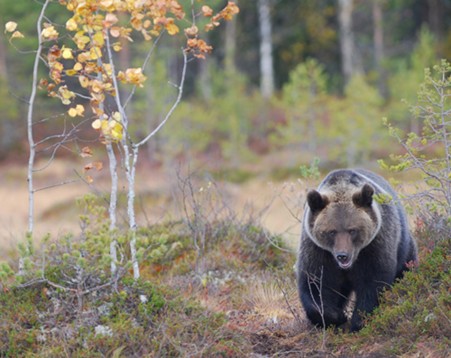
A study has analyzed how 69 of the tree species present in Europe - such as oaks, ashes or willows - will behave over this century under different climate change scenarios. In the best-case scenario, the number of species able to survive per square kilometer will be reduced by a third, according to their calculations. For the authors, who publish their results in the journal Nature Ecology & Evolution, this could have strong negative repercussions on timber production, carbon storage and biodiversity conservation.

0

Reaction: In 2023 Europe suffered severe heatwaves and floods, a report on the impacts of climate change says

The Copernicus Climate Change Service, together with the World Meteorological Organisation, publishes the report on the state of Europe's climate in 2023. According to their findings, last year was one of the hottest on record, with a record number of extreme heat stress days and widespread flooding. According to their calculations, heat-related mortality has increased by 30 % over the last 20 years.

0

[Retracted] Global income could decrease by 19% in two decades due to climate change

[This article has been retracted by Nature on December 3, 2025]. The global economy could lose, on average, 19% of income by 2049 due to increased carbon emissions over the past four decades, says an analysis published in Nature. To estimate the future economic damages of climate change, the authors used temperature and precipitation data for 1,600 regions worldwide in the past 40 years. Low-income countries will be more affected by these losses than higher-income countries, the authors warn. 

0

Reaction: heat waves move more slowly, which exacerbates their effects

A study has analysed data on heat waves from 1979 to 2020 and concludes that their propagation speed has decreased over the last 40 years due to anthropogenic causes. In addition, their frequency, intensity and travel distance have increased. According to the authors, "longer-lasting and slower-moving heat waves will cause more devastating effects on natural and social systems in the future if [greenhouse gases] continue to increase and effective mitigation measures are not taken". The findings are published in the journal Science Advances.  

0

Reactions: Review details impacts of climate change on global wine production

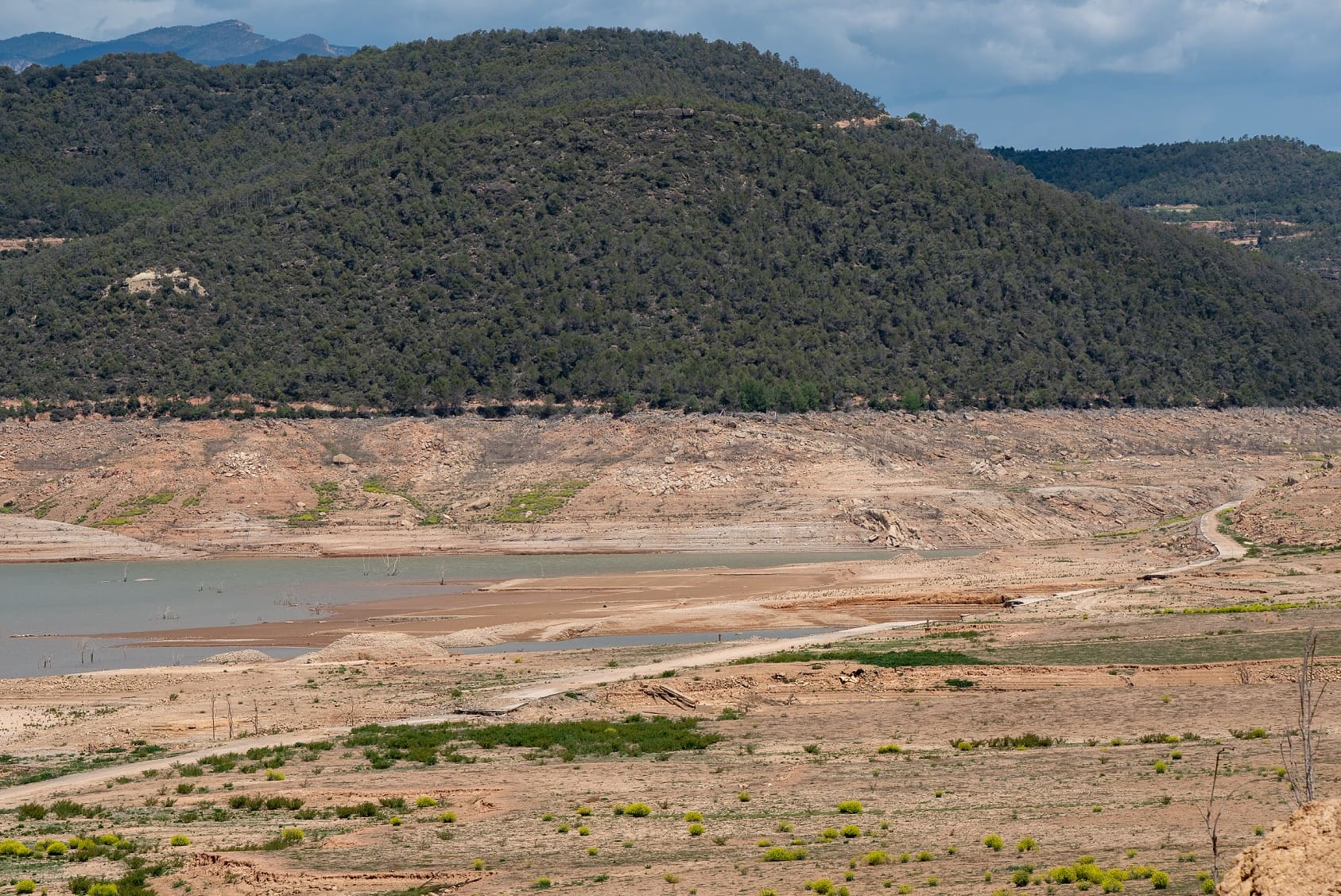
Some 90 % of coastal and lowland wine-growing regions in Spain, Italy, Greece and southern California are at risk from extreme events, such as excessive droughts and heat waves, according to a review published in Nature Reviews Earth & Environment. The article summarises the expected changes and the adaptations that wine producers will need to make.   

0

Reactions to the 'New York Times' report that a commission of experts has rejected that the Anthropocene has begun

According to a report published yesterday in The New York Times, most of the members of the Subcommission on Quaternary Stratigraphy had rejected the proposal to declare the beginning of the Anthropocene, thus showing their opposition to the idea that this is a new geological epoch. Other sources told El País that the result of the vote was not formally confirmed. If this proposal is defeated, the process could be restarted from scratch at a later date.

0

Reactions: skeletons of marine sponges suggest that global temperature has already exceeded the 1.5°C limit

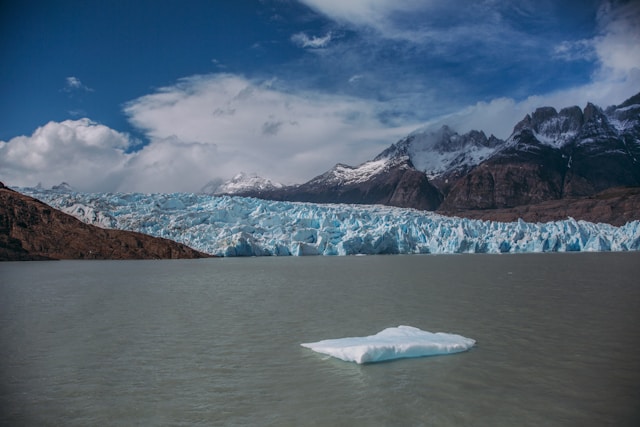
Global average surface temperatures may have already surpassed the 1.5°C warming mark and could exceed 2°C by the end of the decade, as suggested by an article published in Nature Climate Change. The projections are based on 300 years of preserved ocean temperature records found in Caribbean sponge skeletons.

0