heat

heat

heat

22,000 deaths per year in Spain are attributed to air pollution

Around 5,800 deaths per year in Spain between 2012 and 2021 can be attributed to heat—twice as many as during the 1990s—according to a report published in The Lancet. In addition, of the deaths that occurred during 2022, around 22,000 can be attributed to air pollution, the publication adds. The Countdown report describes the impact of climate change on global health with more than 50 indicators reviewed by scientists. In the period 2020-2024, 61% of Spanish territory experienced at least one month of extreme drought per year; this figure is six times higher than the average for the period 1951-1960.

0

The heat in Europe caused more than 181,000 deaths in the summers of 2022, 2023 and 2024

A study has estimated that there were more than 62,700 heat-related deaths in Europe between 1 June and 30 September 2024. This figure was 24% higher than that recorded in the summer of 2023, when more than 50,700 people died from heat, although 8.1% lower than in 2022, when more than 67,800 people died from this cause. By country, Spain had the second highest estimated mortality in the summer of 2024, with more than 6,700 deaths. The study, published in Nature Medicine and led by ISGlobal, proposes a new early warning system that can predict heat-related health emergencies at least one week in advance.

0

A study estimates that companies with the highest carbon emissions contributed 50% to more intense heatwaves

Using data from the 180 companies with the highest carbon emissions—fossil fuel and cement producers—research has calculated that these companies contributed 50% to the increase in heatwave intensity since 1850-1900. The authors estimate that the individual emissions of each large polluting company may have contributed to the occurrence of between 16 and 53 heatwaves. The study, published in Nature, also shows that a quarter of the heatwaves recorded between 2000 and 2023 would have been virtually impossible without anthropogenic climate change.

0

A WHO-WMO report warns that extreme heat increases the risk of neurological disorders and other illnesses among workers

The frequency and intensity of extreme heat events have increased in recent years, heightening the risks for those who work outdoors and indoors. Health risks include heatstroke, dehydration, kidney dysfunction and neurological disorders. These are some of the conclusions of a joint report by the World Health Organisation (WHO) and the World Meteorological Organisation (WMO), which estimates that worker productivity falls by between 2% and 3% for every degree above 20°C. The document proposes measures for governments, businesses and health authorities to mitigate the risks of extreme heat for these people.

0

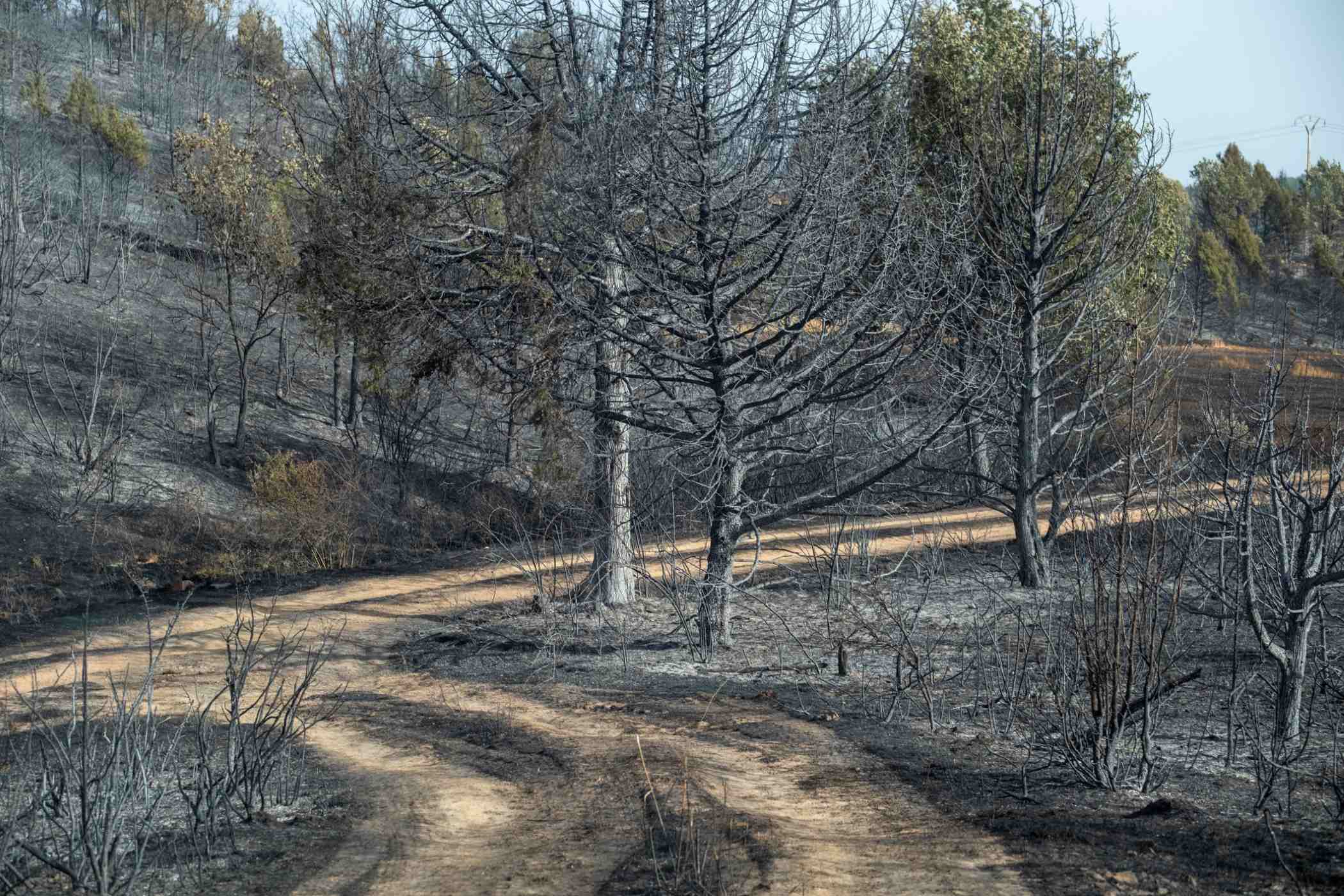
Extreme heat and wind keep numerous fires burning on the peninsula

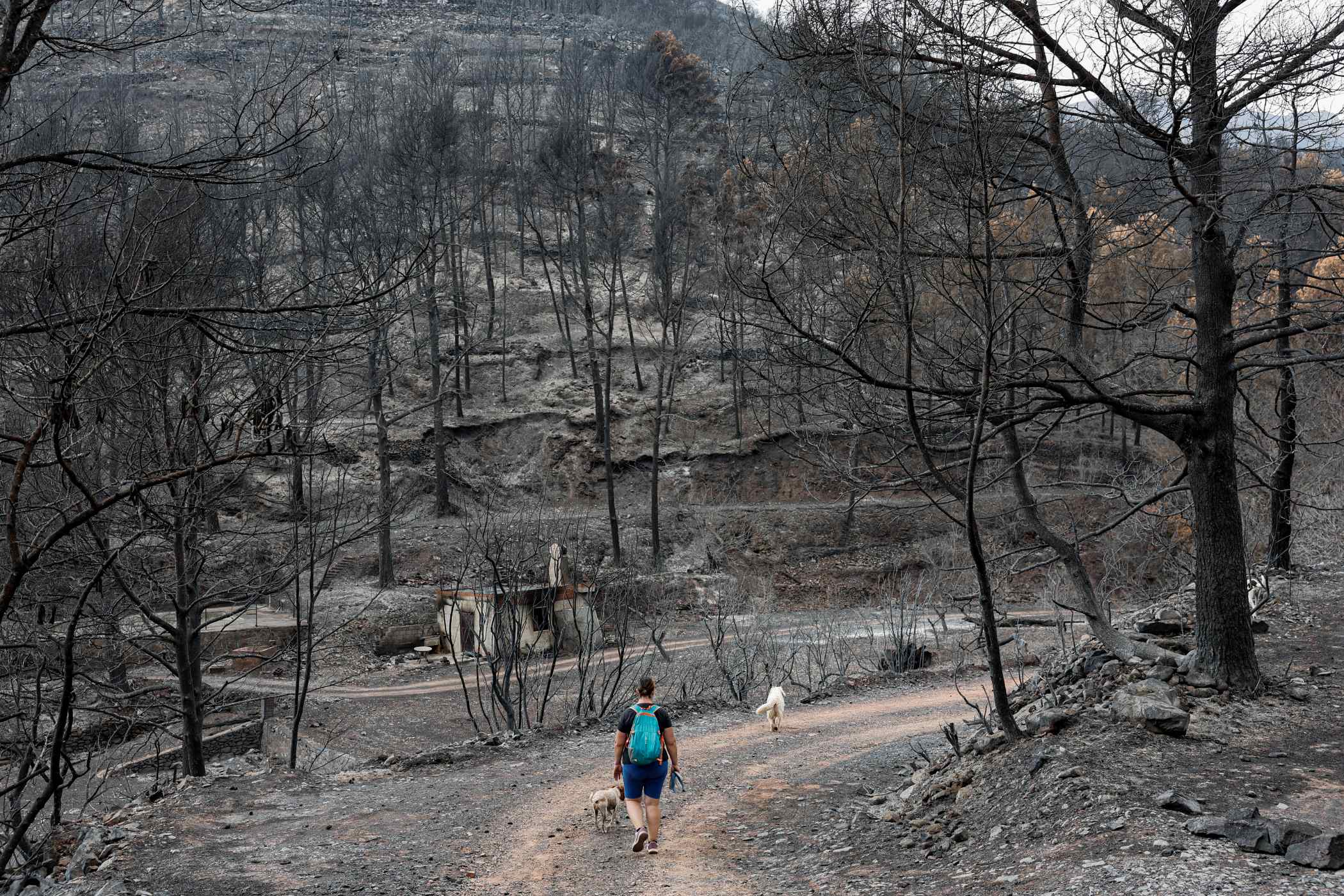
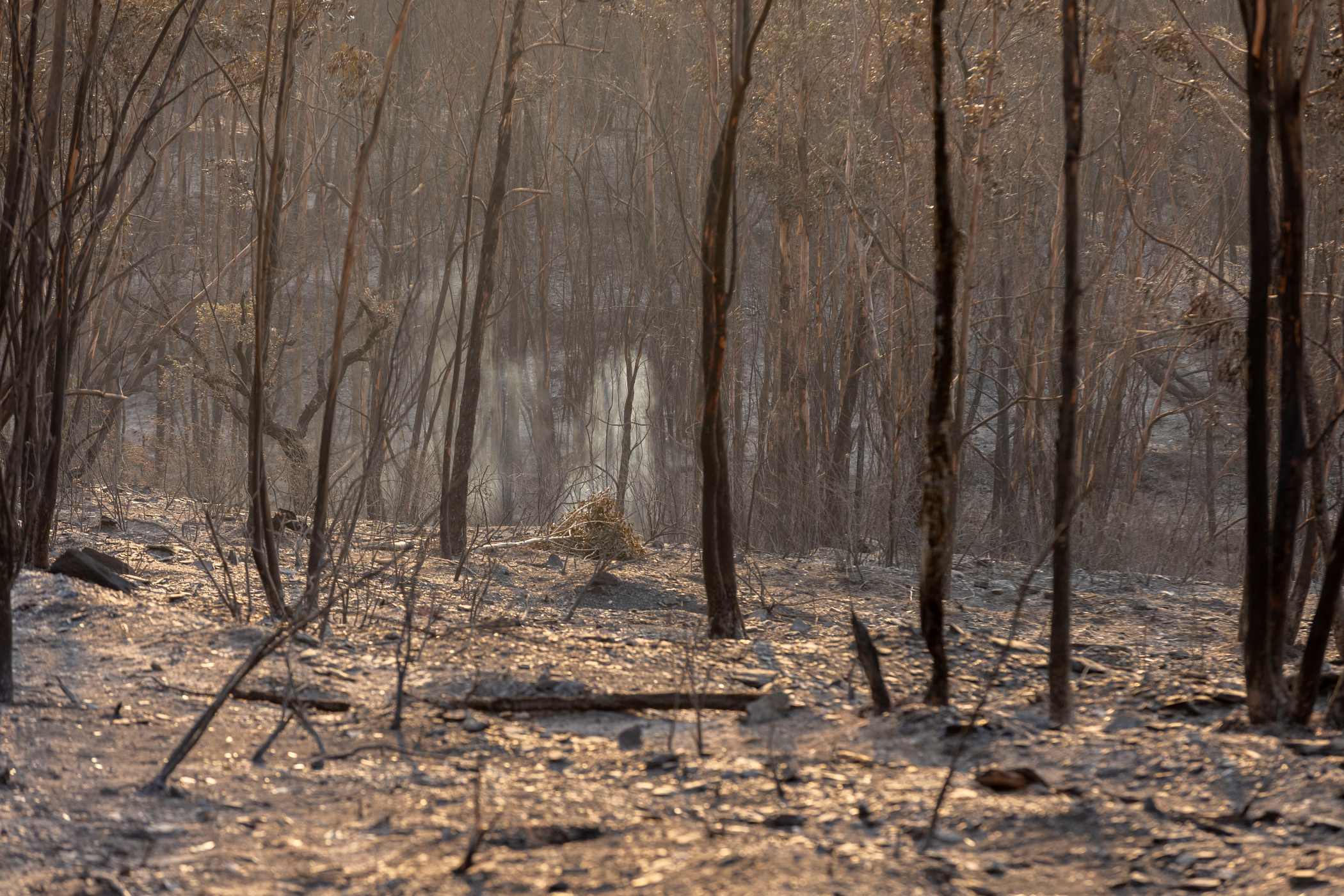
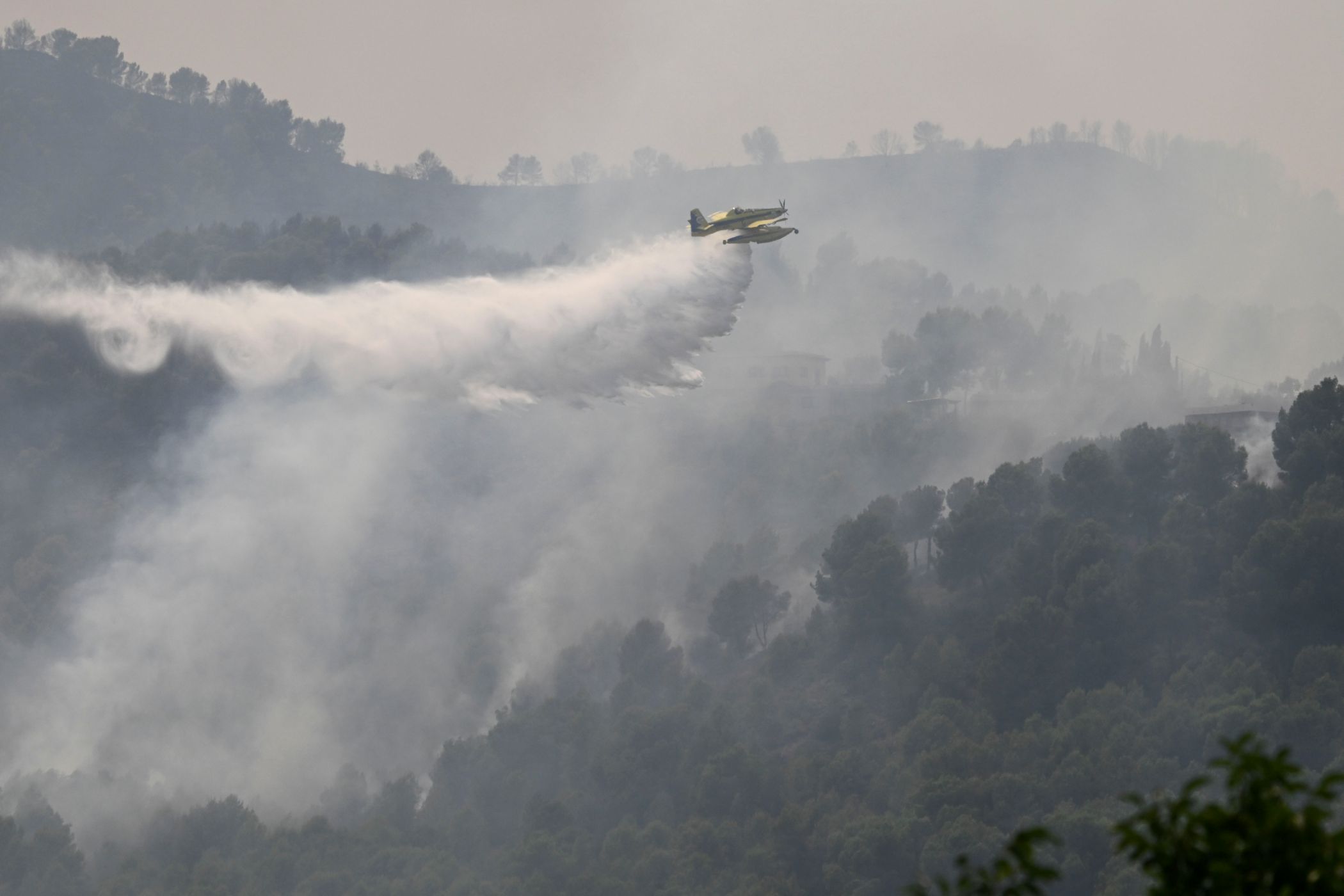
Four people have died in the fires that began last weekend on the Iberian Peninsula and have spread to different areas of Galicia, Castile and León, Andalusia, Castile-La Mancha, Extremadura and Madrid. The heatwave that continues to grip the country, strong gusts of wind and their changing direction, and the thermal drought are hampering firefighting efforts. The government declared on Tuesday a pre-emergency phase and thousands of people have had to be evacuated.

0

Sixth-generation fires in Spain: are we prepared?

The last few weeks have been marked by devastating fires in Spain and other European countries. In Catalonia, just days after a fire killed two people and burned 5,500 hectares in the province of Lleida, another fire broke out in the province of Tarragona, affecting more than 3,200 hectares and now stabilised, which resulted in another person's death. What are the characteristics of these large fires? How can we prevent them? The Science Media Centre Spain organised an informative meeting with two experts to answer these questions and clarify key concepts.

0

Children and heat: how rising temperatures affect them and how to adapt their environment to climate change

Children will suffer more from the climate crisis than their grandparents. Fifty-two per cent of people born in 2020 will experience unprecedented heat waves throughout their lives, compared to 16 per cent of those born in 1960. This was calculated by a study published in Nature last month, assuming that temperatures rise 1.5 °C above pre-industrial levels. In this article, we analyse the profile of children who already suffer from heat in our country and explain how to adapt their environments to extreme temperatures. 

0

Climate change is increasing sudden temperature changes

An international team has analyzed the sudden changes in temperature that occurred in the world between 1961 and 2023. Their conclusions are that more than 60% of the regions included in the analysis - including Western Europe - have experienced an increase in the frequency and intensity of these sudden changes, which can endanger health, agriculture or infrastructures. Moreover, the trend will continue to rise as a result of climate change. The results are published in the journal Nature Communications.

0

European State of the Climate highlights record temperatures and heavy rainfall in 2024

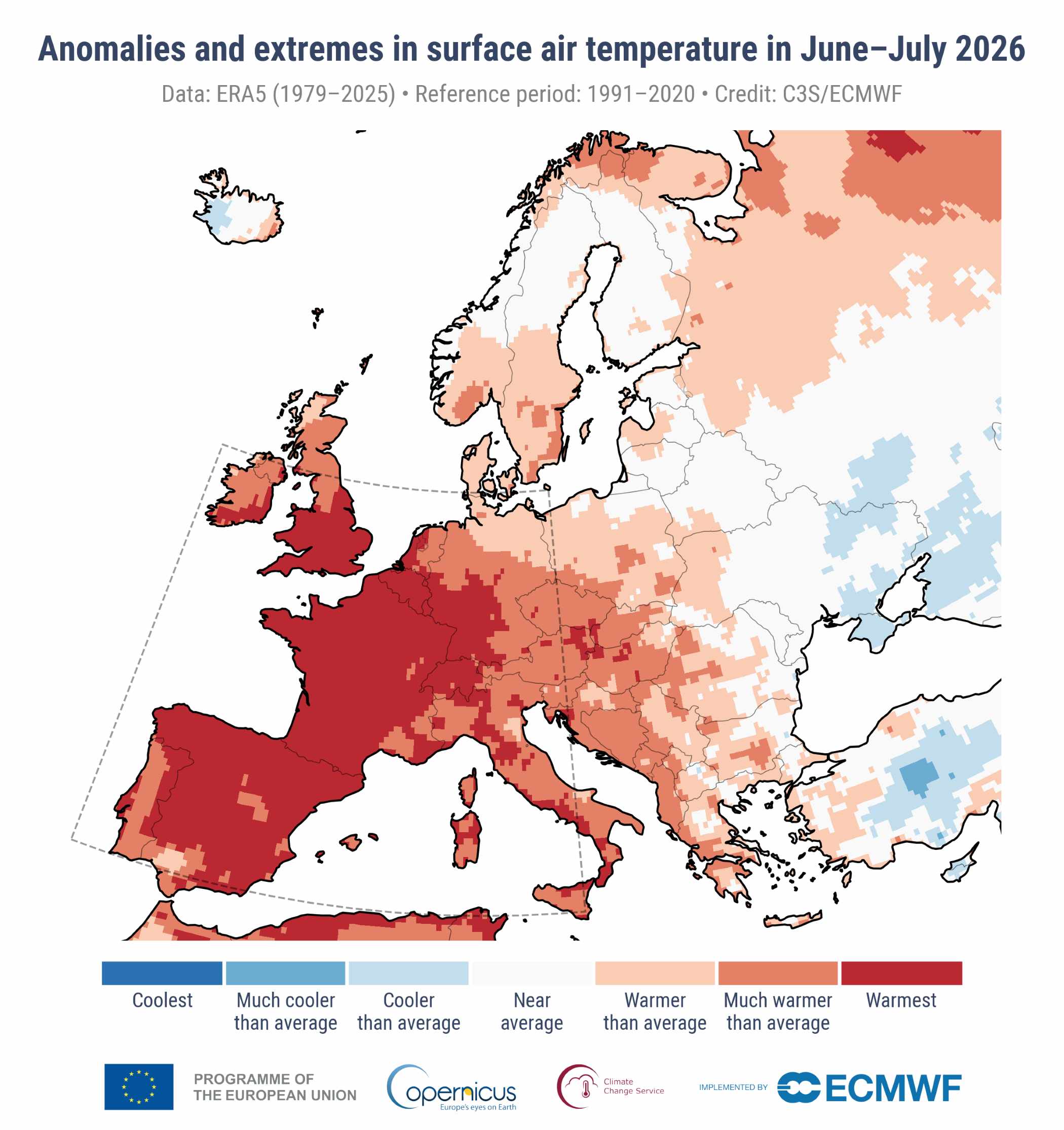
The year 2024 was the warmest year in Europe, with record temperatures in almost half of the continent, according to the European State of the Climate 2024, published by the Copernicus Climate Change Service (C3S) and the World Meteorological Organization (WMO). The report highlights 2024 as one of the ten wettest years since 1950 and estimates that storms and floods affected 413,000 people in Europe and at least 335 people lost their lives.

0