Interpreting the results of the PISA 2025 report

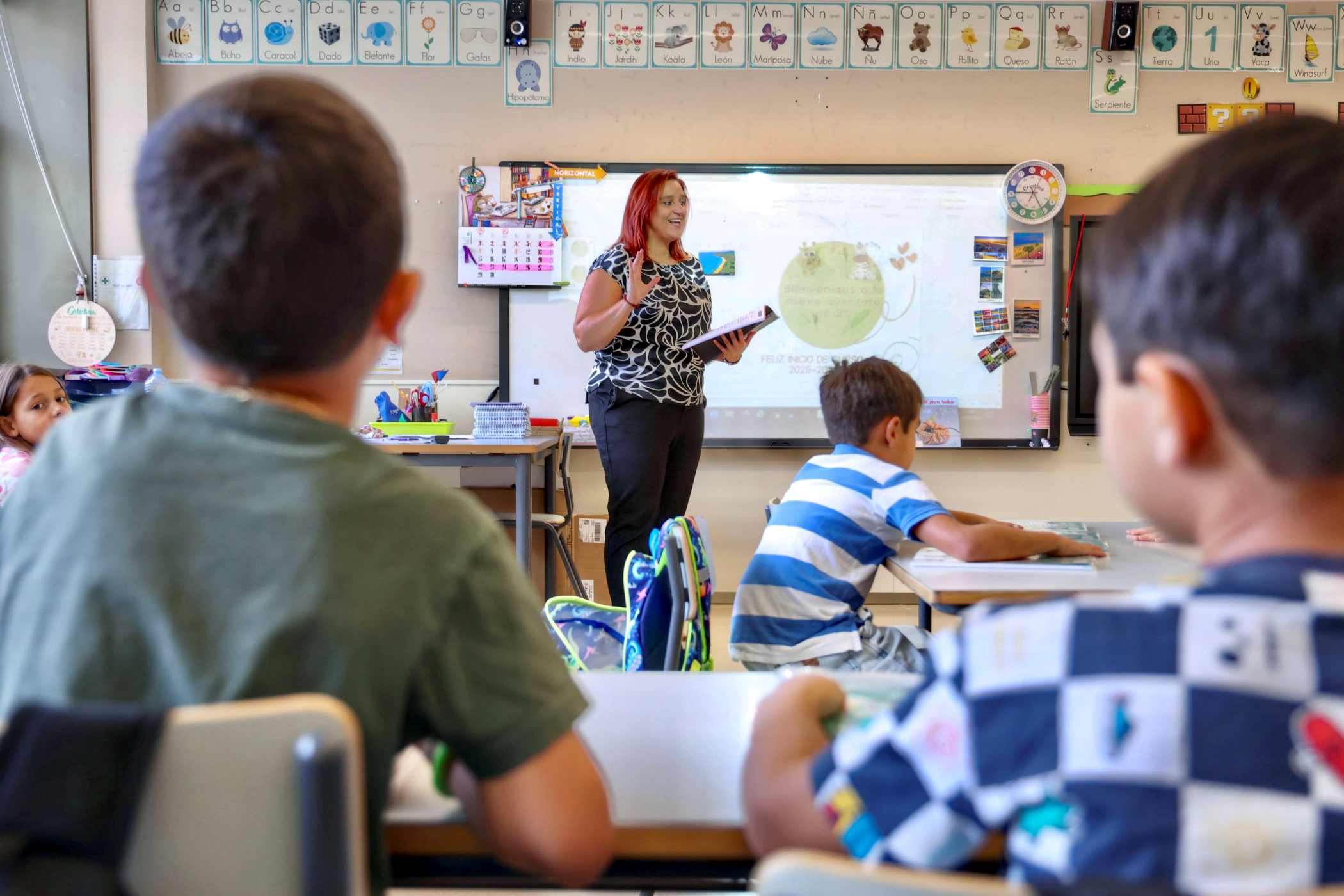
Following the publication of the results of the PISA 2025 report, the question arises as to how to interpret them and explain the possible causes of the decline in reading and maths results, both internationally and in Spain. We have sought the views of experts in education, sociology, inequality, educational technology and pedagogy.
0