education

education

education

Are the summer school holidays in Spain too long? What do we know about their impact on children’s academic performance and wellbeing?

Summer holidays in Spanish schools are amongst the longest in Europe, and every year the debate resurfaces as to whether their length is appropriate or excessive. Do they affect the knowledge and skills acquired? Could they have an impact on well-being? Do they affect all children equally? How could the summer months be improved for children and teenagers?

0

A study links early use of social media with lower scores in standardised tests

Pupils who set up a social media account in early adolescence appear to perform less well in subsequent standardised tests, according to a study published today in Nature Human Behaviour and based on a sample of 5,227 Italian pupils. The study is observational, so it does not allow for a causal link to be established between social media use and academic performance. Furthermore, it was carried out using questionnaires in which students had to recall and report on their use of these services when they were younger.

0

Why aren’t there eclipses every month? The most common misconceptions and how to debunk them inside and outside the classroom

Why do eclipses occur? Is the Earth’s shadow responsible for the phases of the Moon? Is the Moon full during a solar eclipse? These are by no means obvious questions, yet they are extremely useful in teaching astronomy for identifying the obstacles we encounter when thinking about celestial mechanics, regardless of age or educational background. Here are several suggestions for untangling the most common misconceptions and understanding the cosmic dance of the stars as seen from Earth.

1

Homework in primary school: data and evidence about its usefulness

How much homework do teachers assign? If children spend more time doing homework, do they get better grades? What should homework be like in order to be useful? There are conflicting opinions on this subject, as well as a great deal of academic research. In this article, we present evidence to unravel some of the controversies –with a focus on primary education, which is usually completed between the ages of six and twelve.

0

Academic pressure during adolescence is linked to depression and self-harm into early adulthood

High academic pressure during adolescence is linked to increased rates of depressive symptoms and self-harm, which can persist into early adulthood. This finding, published in The Lancet Child & Adolescent Health, was observed in a sample of nearly 5,000 young people born in England (UK) in 1991 and 1992. Academic pressure was measured when participants were 15 years old, mental health was assessed repeatedly between ages 16 and 22, and self-harm was tracked up to age 24. While the association with depressive symptoms was observed up to age 22, it was strongest at 16. Regarding self-harm, each one-point increase in academic pressure was associated with an 8 % higher likelihood of engaging in self-injurious behavior.

0

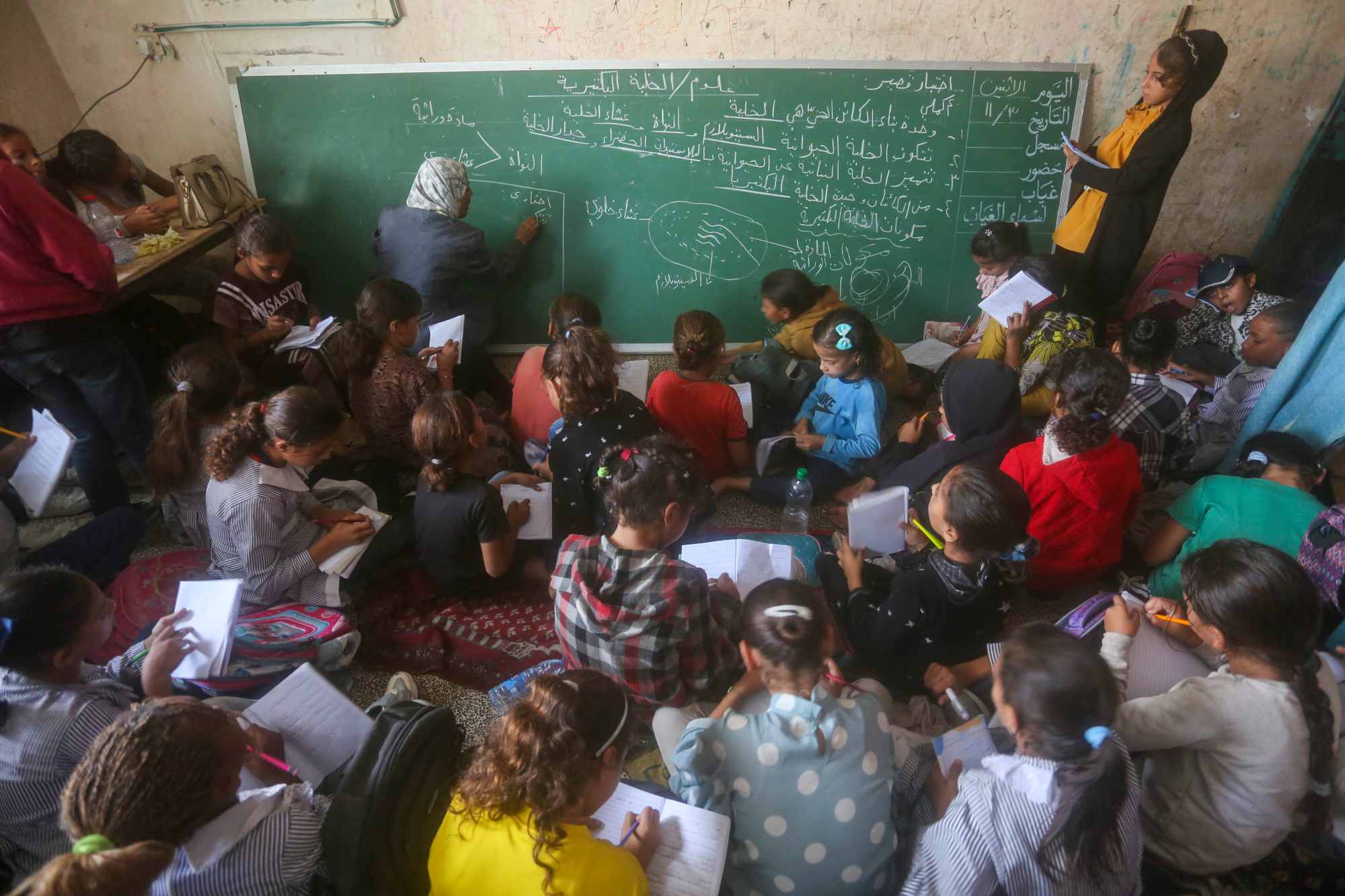
A report analyses the impact of the Israeli invasion of Gaza on education and warns of the risk of a ‘lost’ generation

An international report led by the University of Cambridge (United Kingdom) warns that there is a serious risk of a ‘lost’ generation emerging in Gaza, due to the combination of educational, physical and psychological impacts after more than two years of the Israeli invasion. As of 1 October 2025, the UN Office for the Coordination of Humanitarian Affairs (OCHA) reported the deaths of 18,069 students and 780 education personnel in Gaza, with 26,391 students and 3,211 teachers injured. The study estimates that children in Gaza will have lost the equivalent of five years of education due to repeated school closures since 2020, first due to COVID-19 and then due to the Israeli invasion.

0

The temporary nature of teaching staff in Spain remains above the OECD average

The temporary employment rate for teaching staff in Spain is 31%, above the OECD average of 19% and the EU average of 17%. This is one of the results of the latest edition of TALIS, the Teaching and Learning International Study, promoted by the OECD and involving more than 50 participating countries. In its previous edition, in 2018, 33% of Spanish teachers had temporary contracts. The study also shows that teacher job satisfaction is among the highest, at 95%—compared to 89% in the OECD and 90% in the EU. As a new feature, TALIS analyzes four new areas: the impact of artificial intelligence on learning and teaching, managing diversity in the classroom, socio-emotional learning, and education for sustainability.

0

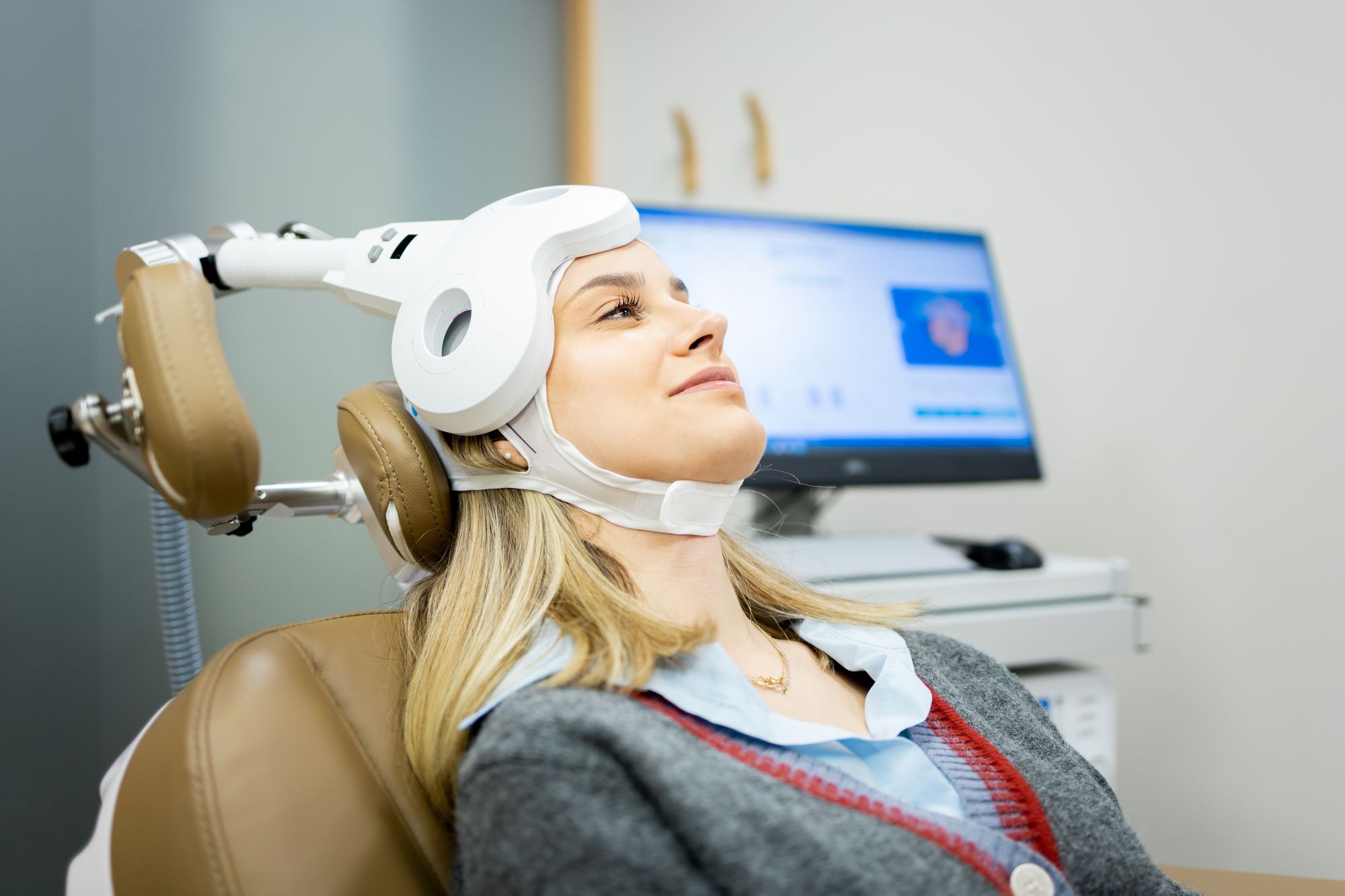
Electrical brain stimulation could improve mathematics learning in people with more difficulties

An international study with 72 participants has found that greater connectivity between certain brain areas is associated with greater mathematical computational ability. In addition, weak electrical stimulation in a particular area was associated with improved computational learning in volunteers with lower connectivity. The results are published in the journal Plos Biology.  

0

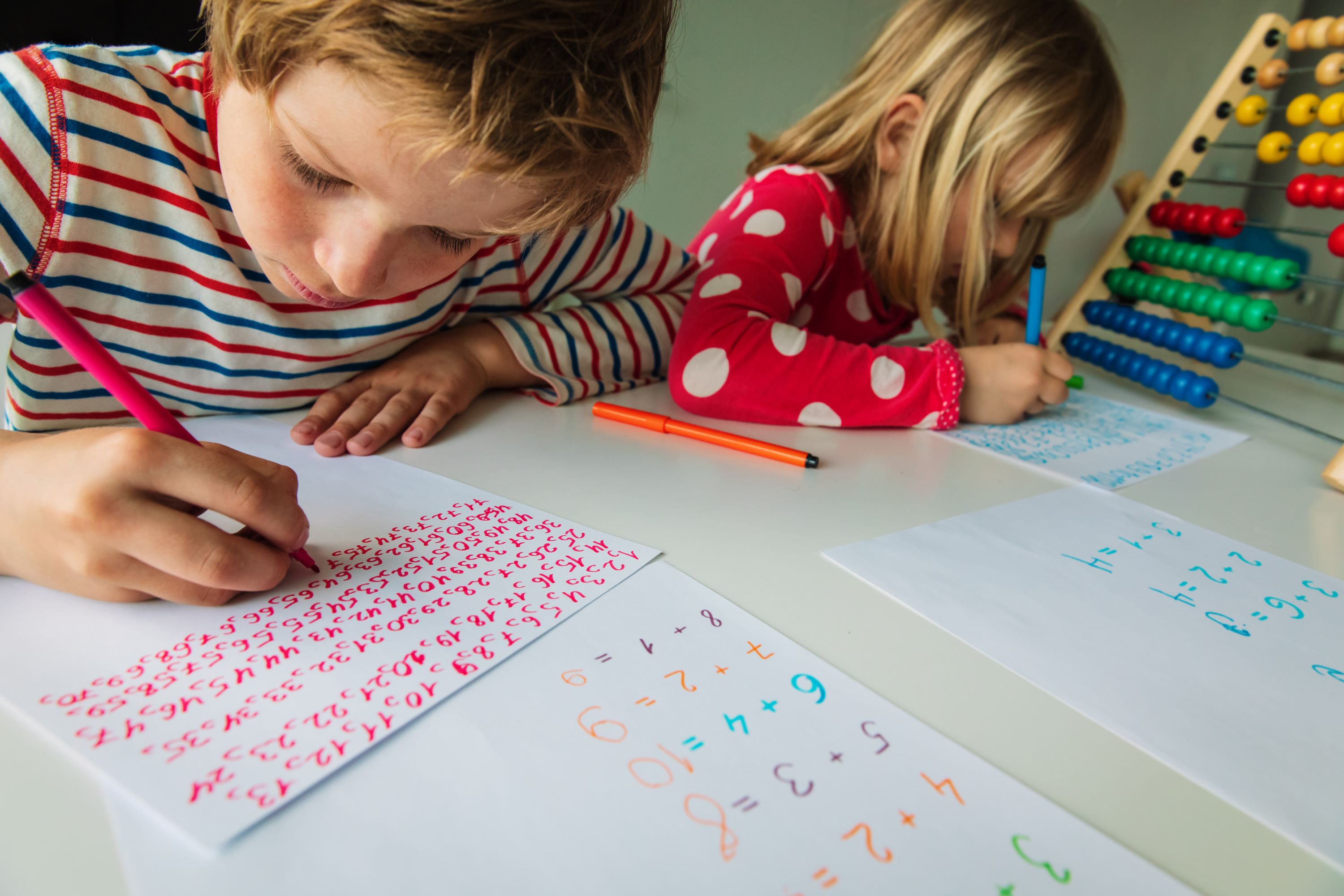
The gender gap in mathematics appears in the first year of primary school

A study evaluating the mathematical and linguistic performance of first- and second-year primary school students in France—more than 2.6 million children between 2018 and 2022—shows that the gender gap in mathematics appears within a few months of starting primary school. This gap increases with years of schooling, not with age, adds the research published in Nature.

0