education

education

education

The temporary nature of teaching staff in Spain remains above the OECD average

The temporary employment rate for teaching staff in Spain is 31%, above the OECD average of 19% and the EU average of 17%. This is one of the results of the latest edition of TALIS, the Teaching and Learning International Study, promoted by the OECD and involving more than 50 participating countries. In its previous edition, in 2018, 33% of Spanish teachers had temporary contracts. The study also shows that teacher job satisfaction is among the highest, at 95%—compared to 89% in the OECD and 90% in the EU. As a new feature, TALIS analyzes four new areas: the impact of artificial intelligence on learning and teaching, managing diversity in the classroom, socio-emotional learning, and education for sustainability.

0

Electrical brain stimulation could improve mathematics learning in people with more difficulties

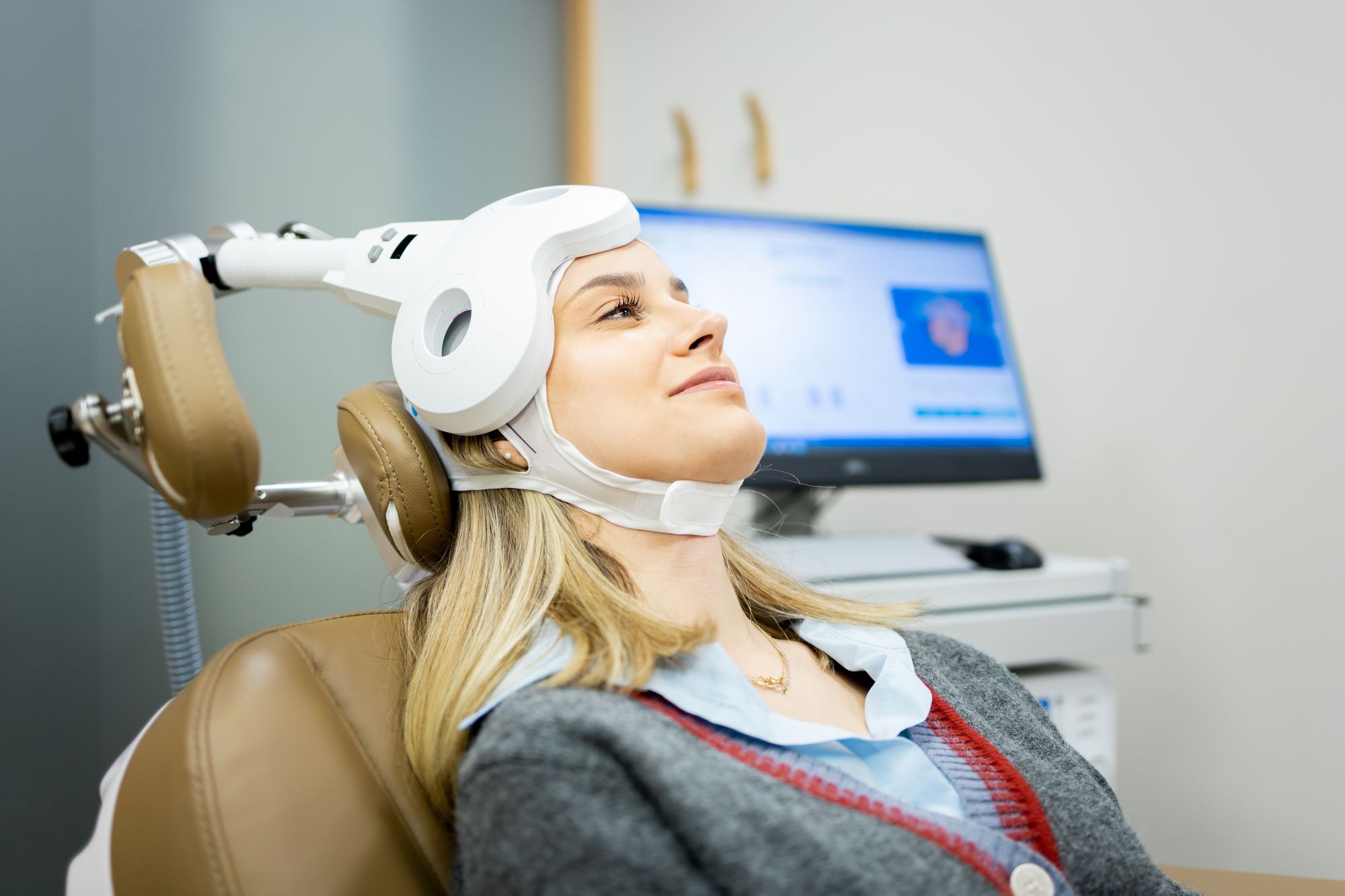
An international study with 72 participants has found that greater connectivity between certain brain areas is associated with greater mathematical computational ability. In addition, weak electrical stimulation in a particular area was associated with improved computational learning in volunteers with lower connectivity. The results are published in the journal Plos Biology.  

0

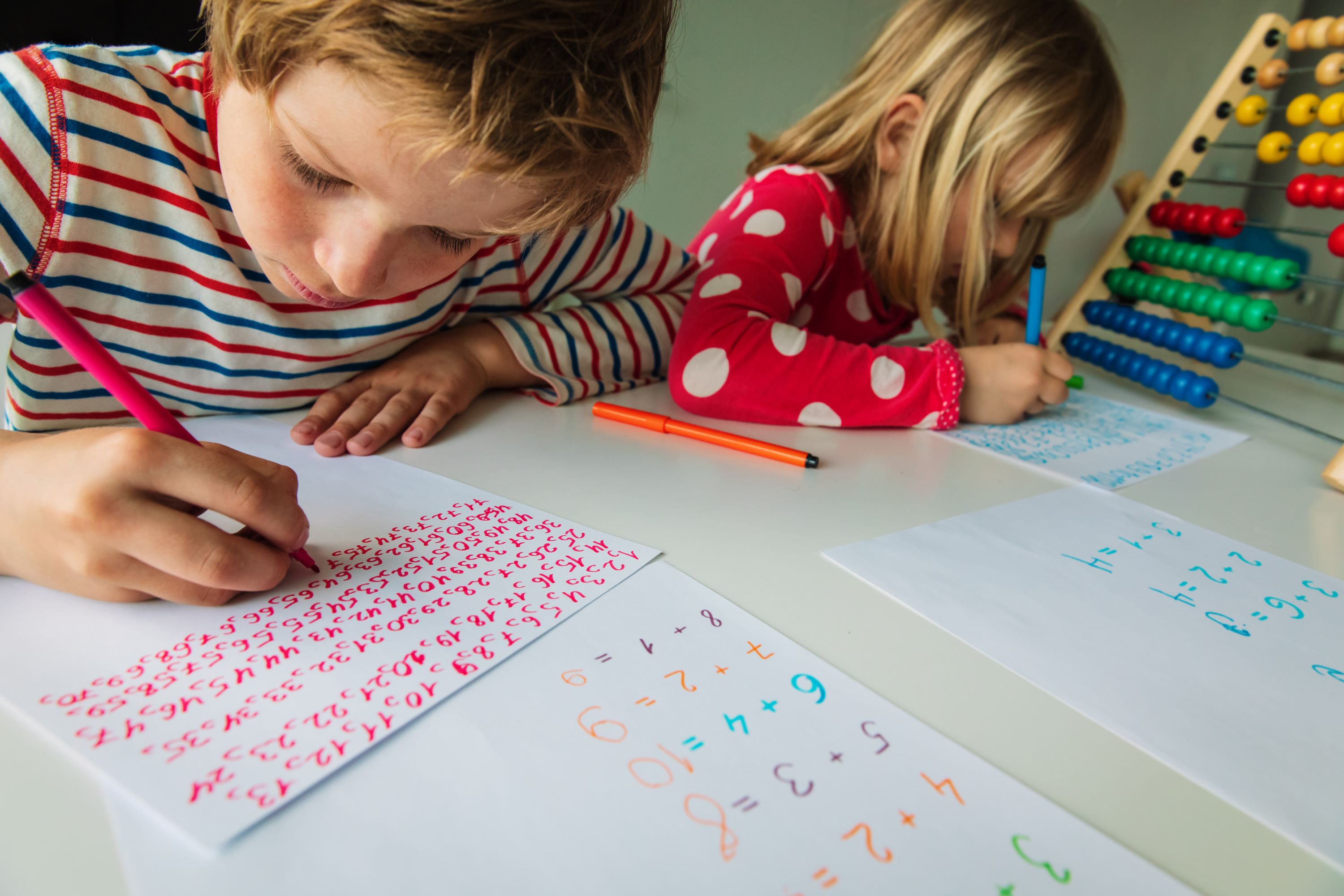
The gender gap in mathematics appears in the first year of primary school

A study evaluating the mathematical and linguistic performance of first- and second-year primary school students in France—more than 2.6 million children between 2018 and 2022—shows that the gender gap in mathematics appears within a few months of starting primary school. This gap increases with years of schooling, not with age, adds the research published in Nature.

0

Children and heat: how rising temperatures affect them and how to adapt their environment to climate change

Children will suffer more from the climate crisis than their grandparents. Fifty-two per cent of people born in 2020 will experience unprecedented heat waves throughout their lives, compared to 16 per cent of those born in 1960. This was calculated by a study published in Nature last month, assuming that temperatures rise 1.5 °C above pre-industrial levels. In this article, we analyse the profile of children who already suffer from heat in our country and explain how to adapt their environments to extreme temperatures. 

0

Blood lead levels, even below the permitted limit, are associated with poorer school performance in children

Lead exposure in children can affect their neurodevelopment. In the United States, the maximum blood concentration limit for this metal was lowered to 3.5 μg/dL (micrograms per decilitre) in 2021, down from 10 μg/dL in 2012. Now, a study has analysed data from more than 300,000 children in Iowa and found an association between higher concentrations and poorer school performance in reading and maths, even below the 3.5 μg/dL limit, prompting the researchers to reconsider this figure. The results are published in the journal JAMA Network Open.

0

Study analyses relationship between toddlers' use of screens and language skills

Toddlers' screen time has a negative correlation with their language skills, according to a study published in PLoS ONE. However, the use of educational content and screen time in the company of adults show a positive association with language skills. The study included nearly 1,900 children between one and four years old from 19 Latin American countries.

0

Reactions: Study says smaller classrooms do not improve grades for children from low-income families

Smaller classroom sizes in schools are failing to increase the resilience of children from low-income families, according to a study published in the International Journal of Science Education. Data from more than 2,700 disadvantaged secondary school students in Japan and China show that minimising class sizes does not lead to better grades. The authors of the study claim that reducing classroom size may even decrease the likelihood of children achieving the best results.

0

Reaction: Study finds that wearing a school uniform is associated with less physical activity, especially in girls

Dressing in school uniform is associated with less physical activity in children, especially primary school girls, according to a study by the University of Cambridge (UK) published in the Journal of Sport and Health Science. The study analysed data on the physical activity levels of more than one million children aged 5-17 in 135 countries, including Spain, combined with an online survey.

0

Reaction: Study questions whether digital leisure reading improves reading comprehension in younger students

A meta-analysis by the University of Valencia has studied the links between leisure reading habits on digital devices and the reading comprehension of students of different ages. The research - which is based on 25 studies published between 2000 and 2022 involving some 470,000 students from different countries - concludes that in the early stages (primary and 1st and 2nd ESO in the Spanish case) there were small negative relationships between digital leisure reading and reading comprehension, while in later stages (3rd and 4th ESO, baccalaureate and university) the relationship became slightly positive. The research is published in Review of Educational Research.

0

Reaction: The risks and benefits of screens for children and young people are small, according to a large review of studies

A review of more than 100 meta-analyses and nearly 2500 studies has analysed the use of screens by children and young people and the consequences for their learning and health. Their conclusions are that, in general, the effects are small and vary according to the type of use and context. The results are published in the journal Nature Human Behaviour.

0