fires

fires

fires

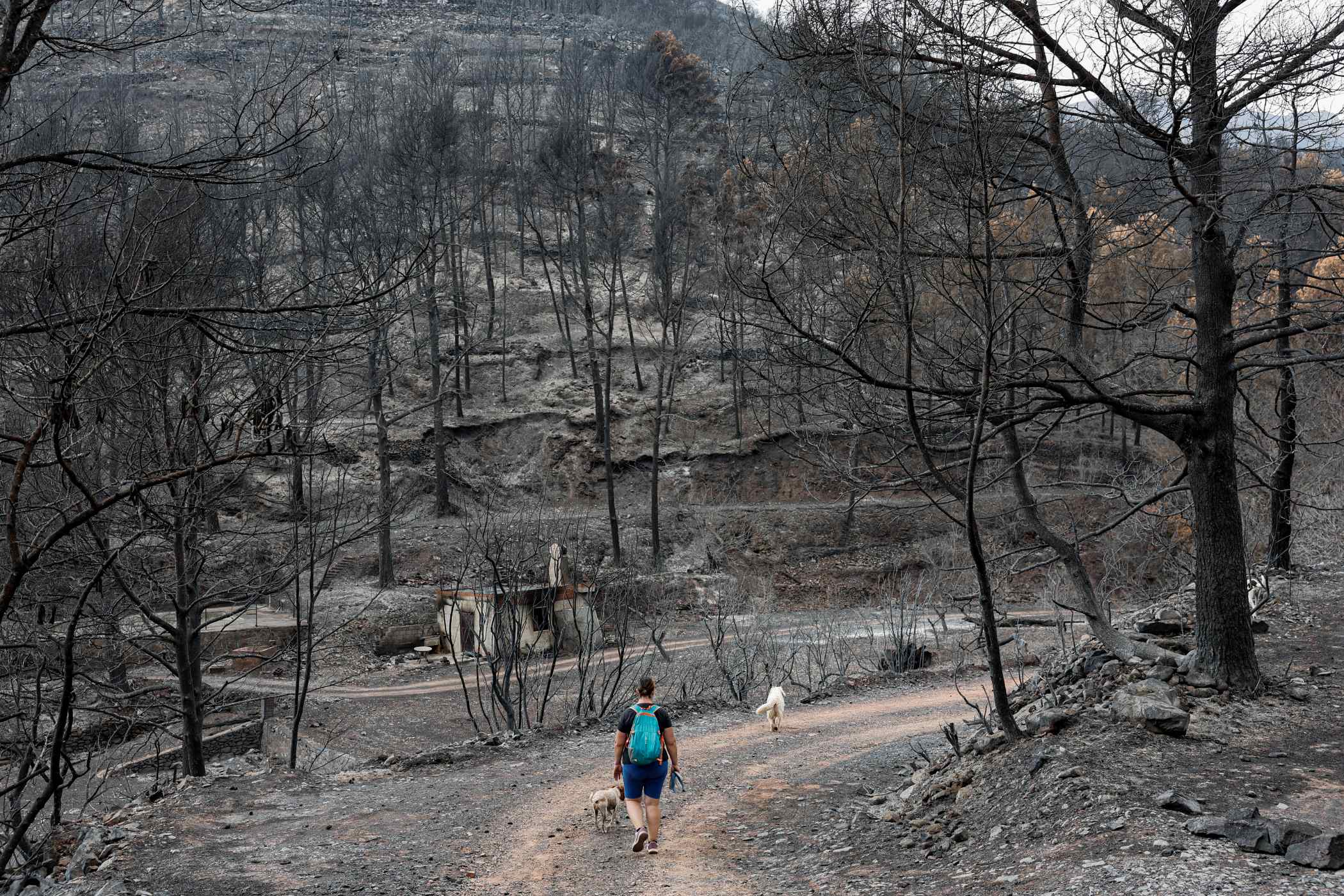
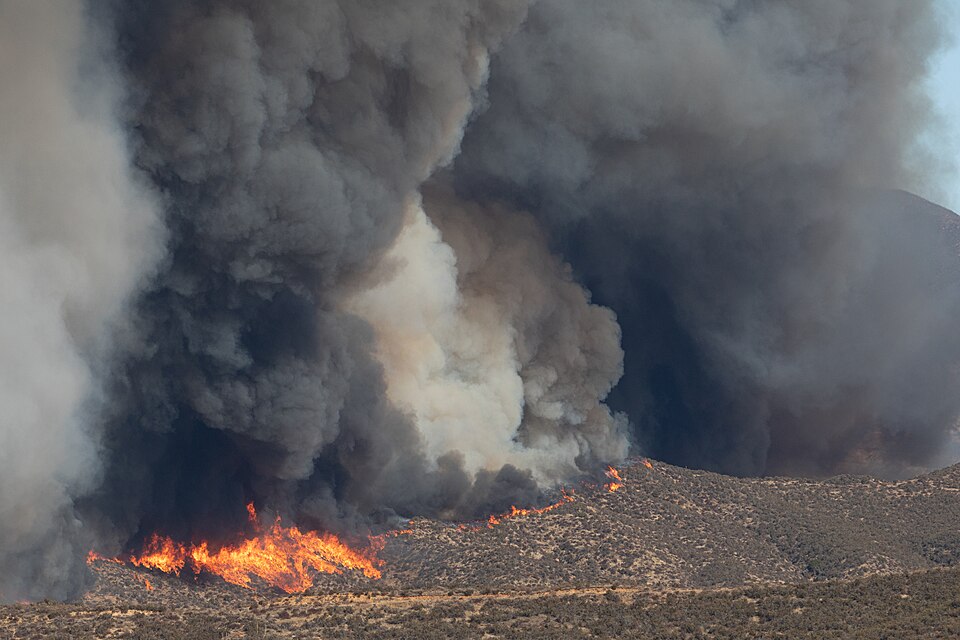
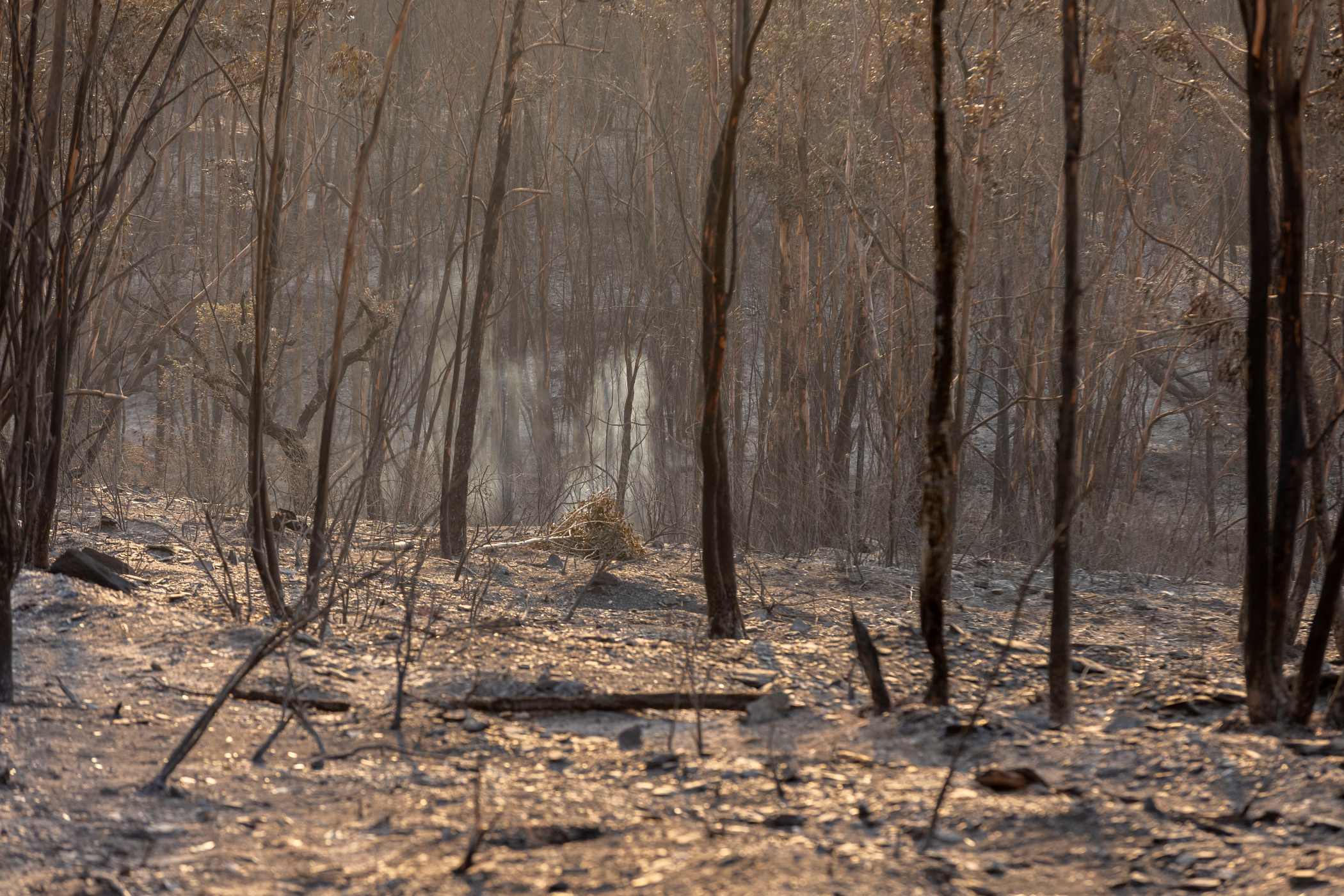
The fires in Ávila, Madrid and Castellón remain out of control, with thousands of people evacuated

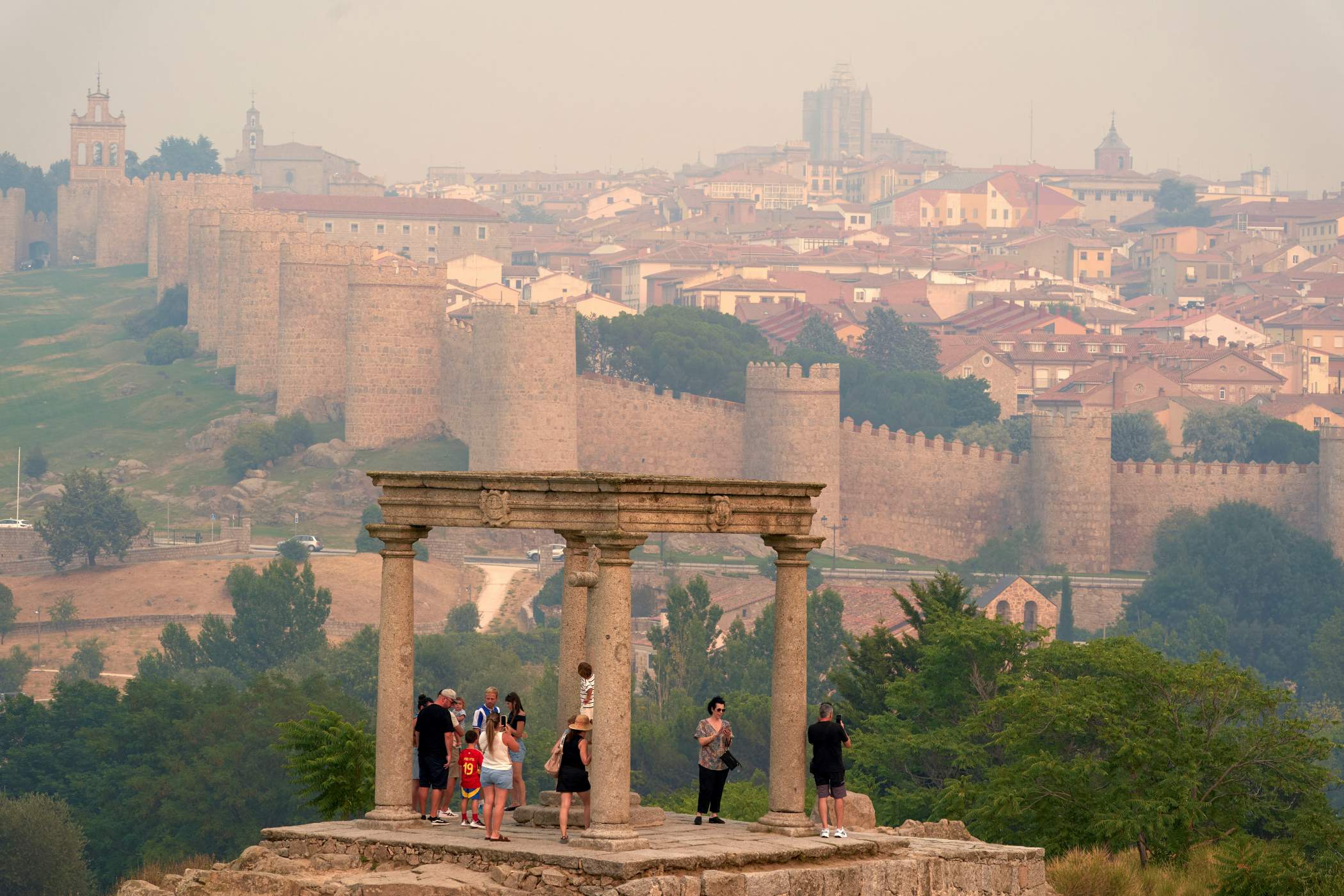
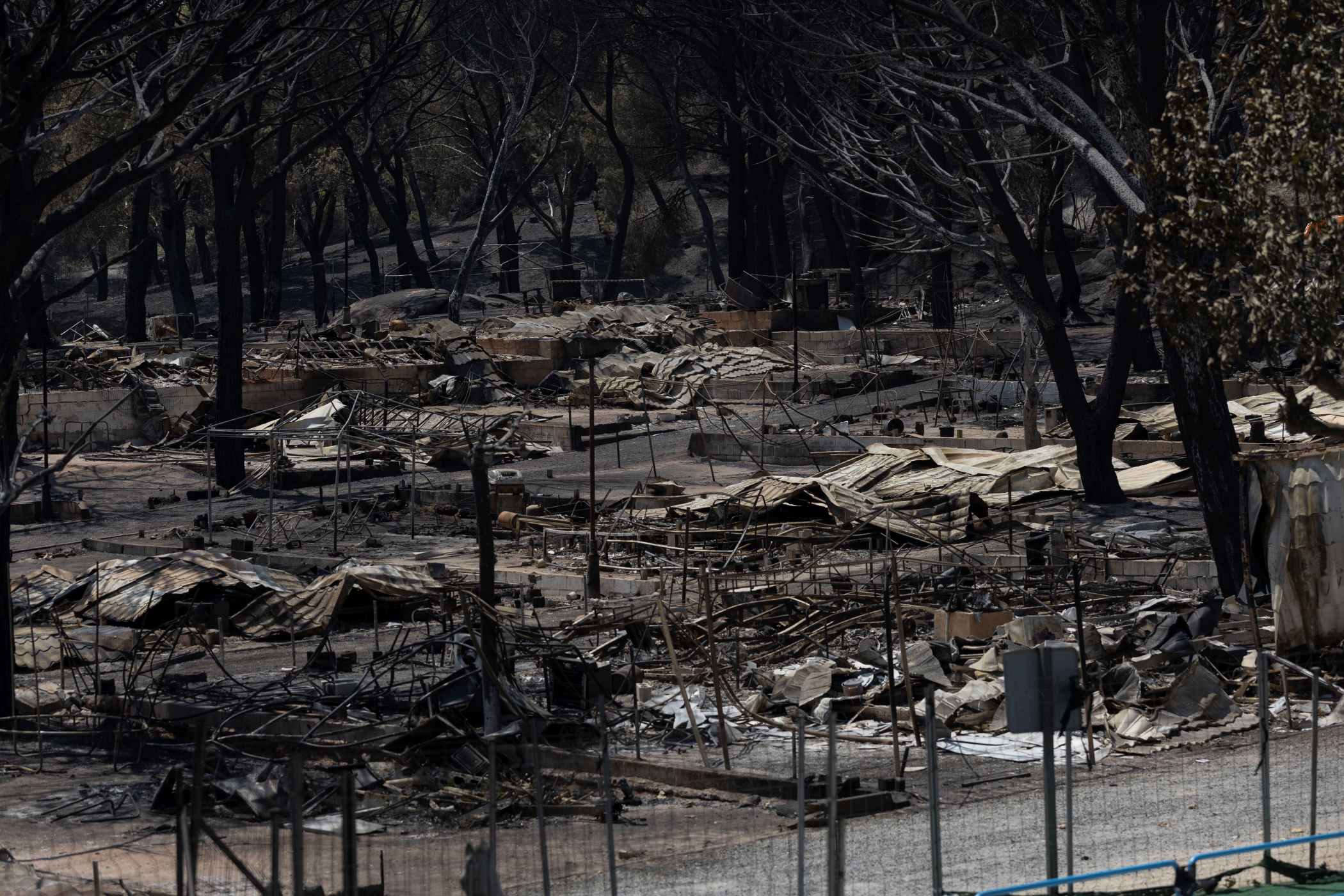
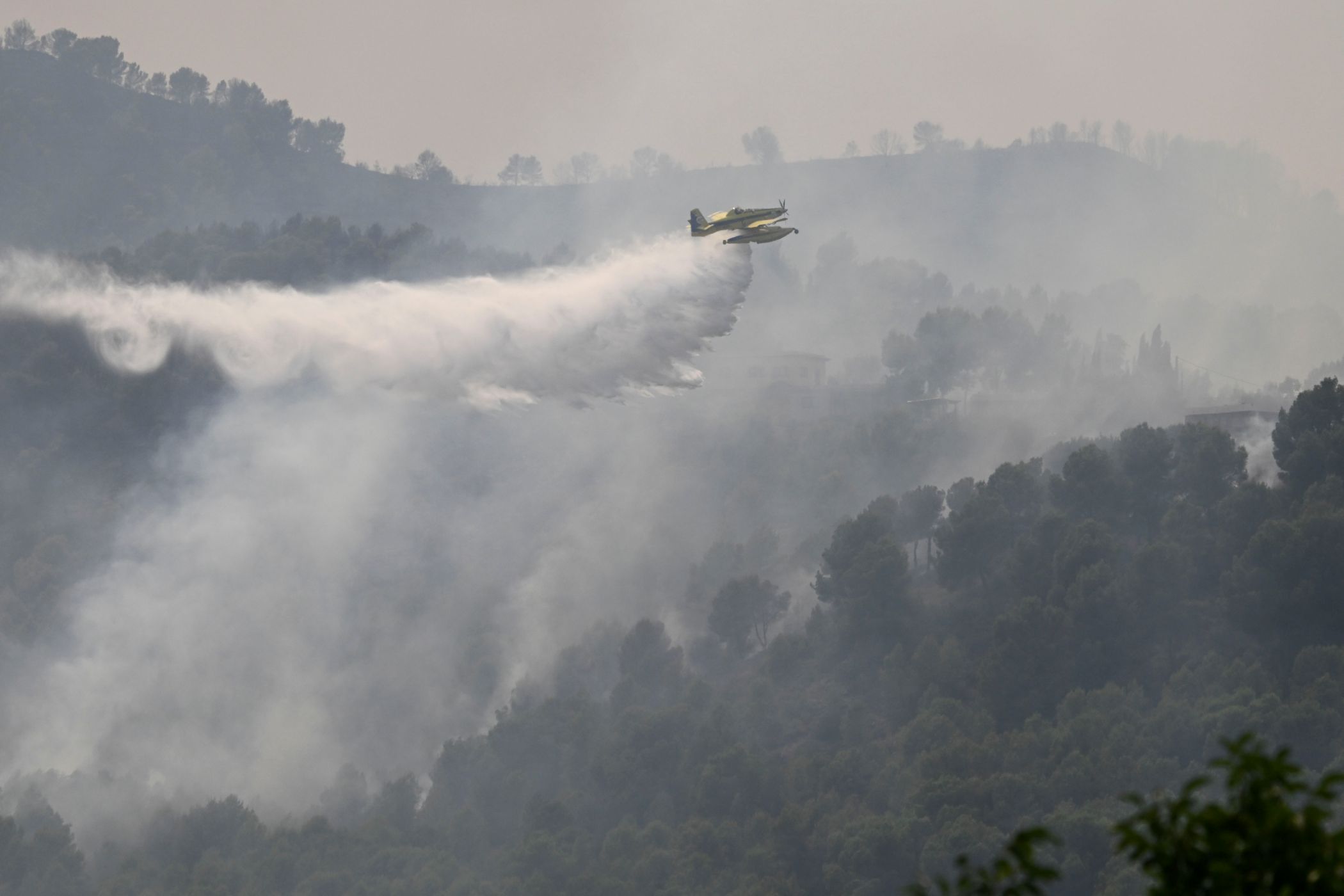
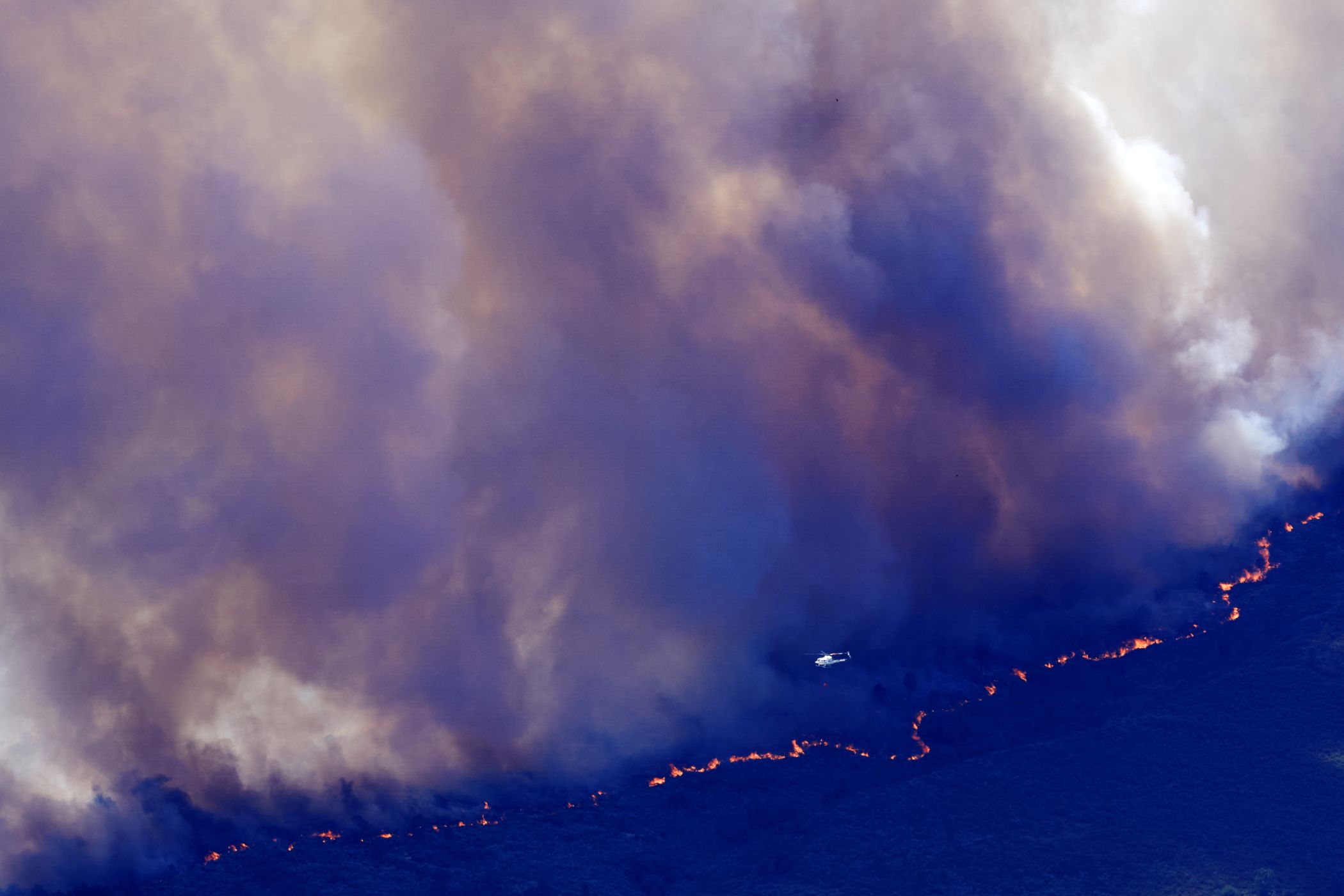
The fire in Ávila, which merged with the one in the south-western mountains of Madrid last Saturday and spread to the province of Toledo, remains unstabilised, although it is under control in some areas. Wind gusts of up to 30 km/h will complicate fire-fighting efforts on Monday, according to the Madrid 112 Safety and Emergency Agency. The fire in Ávila is now the largest in Spain’s recent history. Meanwhile, the fire that broke out on Saturday in La Vall d’Uixó (Castellón), which has spread into the Sierra de Espadán Natural Park, has not yet been stabilised either. In total, around 100,000 people have been evacuated or are under lockdown across all the fire fronts.


0

Smoke from wildfires is associated with more emergency room visits for migraines and headaches, according to a study

A team from Canada analyzed nearly one million emergency room visits for migraines or headaches that occurred between 2010 and 2023 in two Canadian provinces during the peak wildfire season. Their analysis shows that the presence of small particles less than 2.5 microns in diameter (PM2.5) from wildfire smoke was associated with an increase in emergency room visits for migraines and headaches. The study is published in JAMA Network Open. In Spain, the Ministry of Health has published health recommendations for action in the event of wildfires. The Community of Madrid, with several active fire fronts, has shared this video with safety and protection tips.

0

The Ministry of Interior has declared a state of emergency of national interest in the Community of Madrid and the province of Ávila due to three forest fires

Early this morning, the Minister of Interior, Fernando Grande-Marlaska, declared a state of emergency of national interest in the Community of Madrid and the province of Ávila due to the forest fires in Villa del Prado, San Martín de Valdeiglesias and Burgohondo. According to Carlos Novillo, the Regional Minister for the Environment, Agriculture and the Interior of the Community of Madrid, the fires were beyond the capacity of the fire services to extinguish and posed a serious threat to the population. The Madrid 112 Security and Emergency Agency has reported that, although the night-time firefighting efforts have been effective, the fires have still not been contained or brought under control. More than 10,000 people remain evacuated.

0

So far this year, almost 120,000 hectares have been destroyed by fire in Spain – one of the highest figures recorded for this time of year

Data from the Copernicus European Forest Fire Information System (EFFIS) show that, as of 22 July, 119,458 hectares have been burnt in Spain. The average number of hectares burnt from 2006 to 2025 up to this date stands at 35,736 hectares. The fire in the Sierra Norte de Guadalajara, which has scorched more than 30,000 hectares and is still active, together with numerous fire fronts in other provinces and the fire in Los Gallardos (Almería), in which 13 people died, have caused the total area burnt to soar.


0

Study assesses benefits of prescribed forest fires for air pollution

Controlled burning of coniferous forests helps prevent larger wildfires and thus reduces emissions of polluting smoke, according to a study published in Science. The study uses satellite data to estimate the severity of wildfires in California between 2000 and 2021, combined with estimates of fine particulate matter emitted by the fires. By simulating the prescribed burning of more than 2,000 km² of forest per year, the authors estimate a 10% reduction in the cumulative emission of harmful particles in California up to a decade later.

0

A team has studied how people react to smoke from wildfires using mobile phone location data

The way people respond to wildfire smoke varies depending on their level of education and only occurs once the smoke begins to pose a health risk. These are the main findings of a study based on geolocation data from 163,000 cell phones belonging to people exposed to air pollution during the 2018 wildfire season in California (United States). According to the authors, whose study is published in the journal PNAS, these gaps in awareness could pose an obstacle to interventions aimed at changing people’s behaviors. 

0

Wildfires in 2025 burned more than one million hectares across the European Union, with nearly half of that area located on the Iberian Peninsula

The 2025 wildfire season was the worst the European Union has seen in the last century. According to a report by the European Forest Fire Information System (EFFIS), managed by the European Commission’s Joint Research Centre (JRC), more than one million hectares were burned last year. Some 43% of that figure was burned in the major fires that occurred in Spain and Portugal during the summer. The report also covers the rest of the European continent, the Middle East, and North Africa, resulting in a total of more than two million hectares of burned area.

0

Forest fires and pest outbreaks could double in Europe before the end of this century

Forest disturbances in Europe—including fires, insect pest outbreaks, and windstorms—could double by the end of the 21st century compared with the 2001–2020 period if emissions are not reduced. In the case of wildfires, the annual area burned could nearly triple. The Mediterranean region ranks among the most vulnerable, and almost 90% of Mediterranean forests could be affected by increased fires and pest outbreaks under higher warming scenarios. The findings are published in a study in the journal Science involving Spanish research centers such as CREAF, the CTFC and the University of Girona.

0

Large wildfires and major volcanic eruptions had an impact on global atmospheric temperatures

A study published in PNAS reveals the effects of large-scale wildfire smoke and aerosols from major volcanic eruptions on global atmospheric temperatures. Using satellite observations, the team estimated the temperature disturbances associated with the 1991 eruption of Mount Pinatubo in the Philippines, the 2019–2020 Australian wildfires, and the 2022 eruption of the submarine Hunga Tonga volcano in Tonga. All three events had measurable impacts on global atmospheric temperatures. Sulfate particles from Pinatubo caused cooling in the troposphere and warming in the stratosphere, confirming previous measurements. Aerosols from the Australian wildfires —though only about 5 % of the aerosol mass emitted by Pinatubo— also produced both effects, while water vapor from Hunga Tonga led to tropospheric cooling.

0