fires

fires

fires

Sixth-generation fires in Spain: are we prepared?

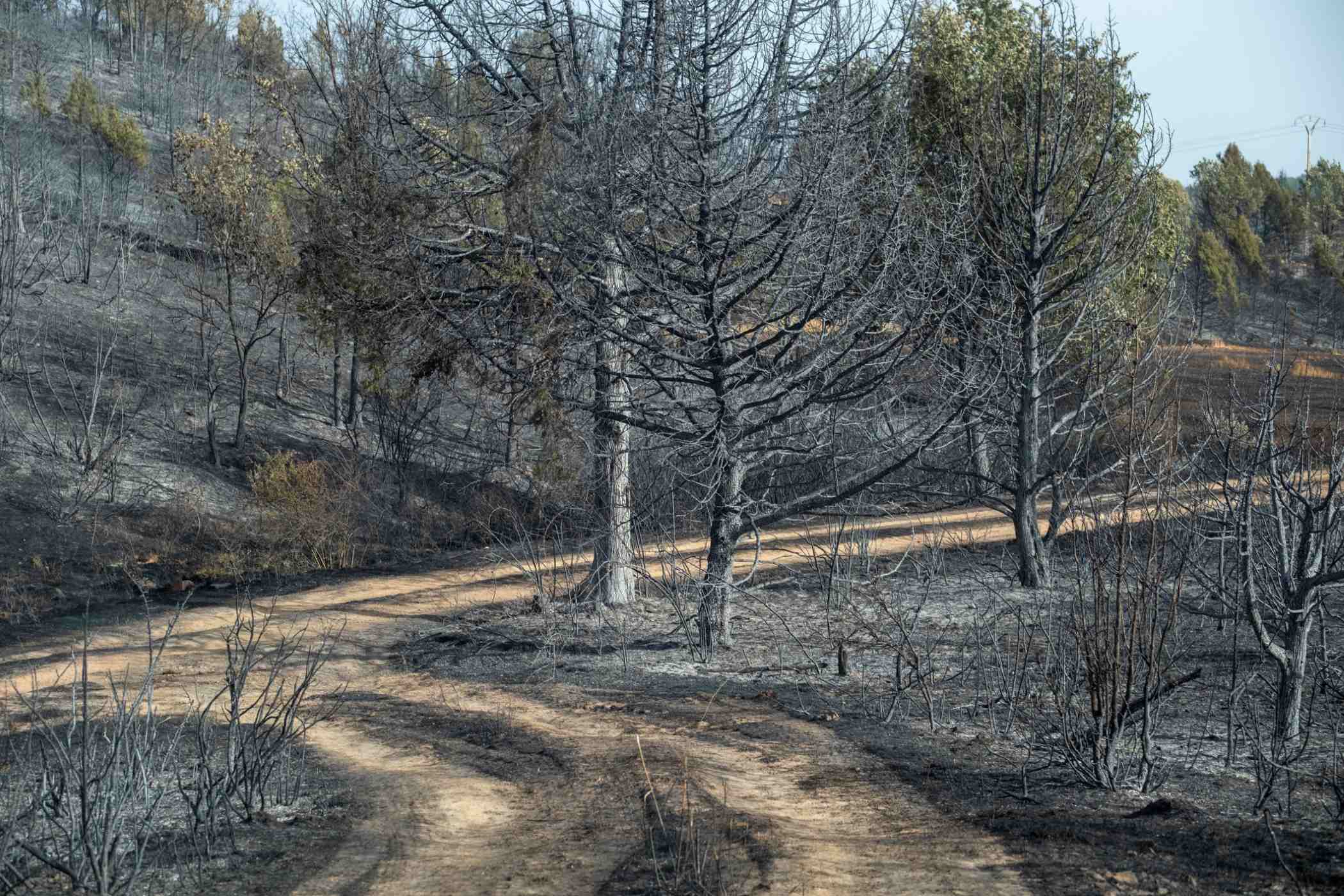
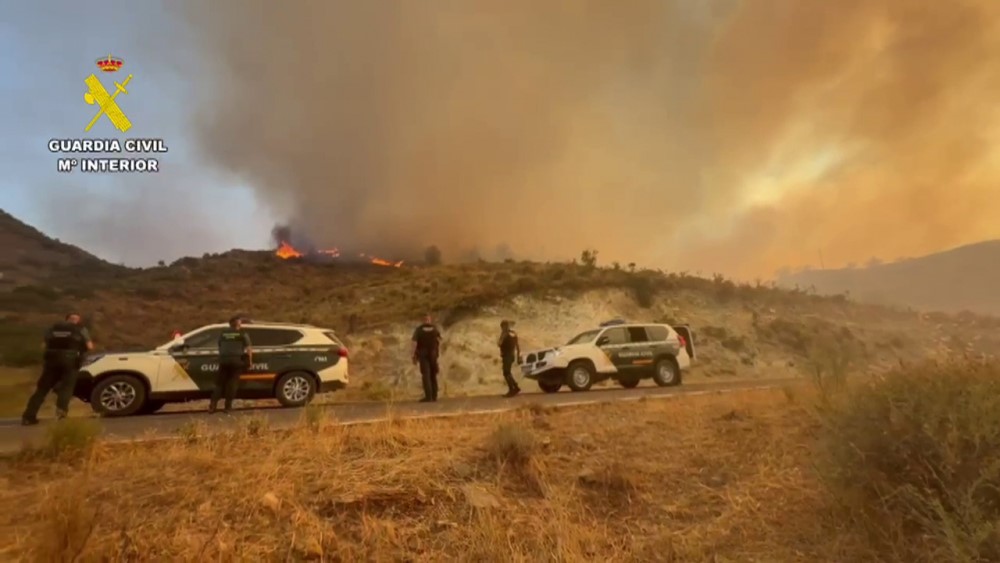
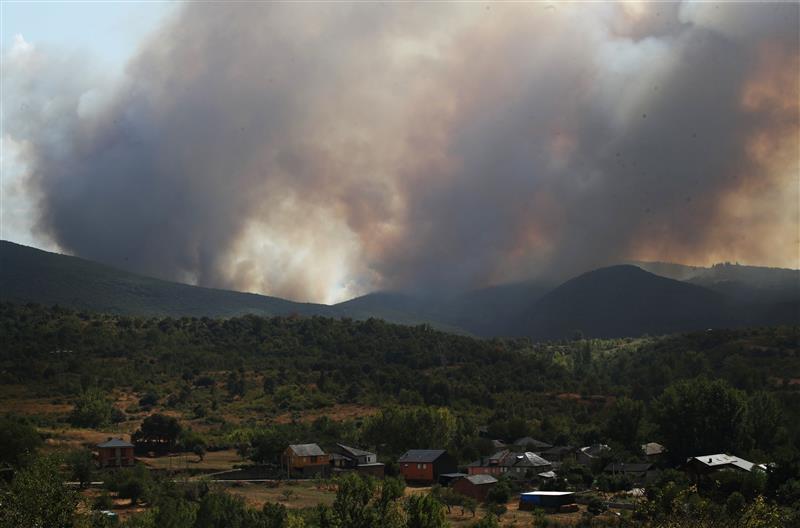
The last few weeks have been marked by devastating fires in Spain and other European countries. In Catalonia, just days after a fire killed two people and burned 5,500 hectares in the province of Lleida, another fire broke out in the province of Tarragona, affecting more than 3,200 hectares and now stabilised, which resulted in another person's death. What are the characteristics of these large fires? How can we prevent them? The Science Media Centre Spain organised an informative meeting with two experts to answer these questions and clarify key concepts.

0

What to do in the event of extreme fires?

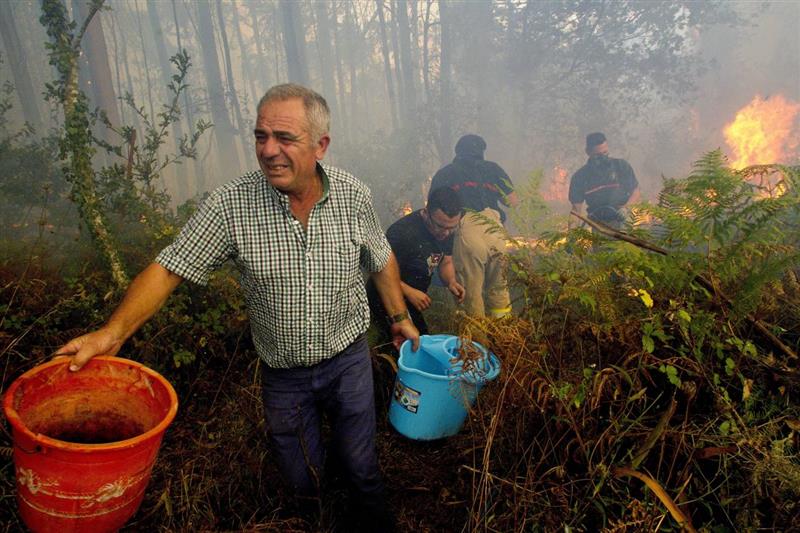
Two people have died in a fire that has burned more than 5,500 hectares in the province of Lleida. Firefighters from the Catalan government declared it under control last night, after 29 hours. Salvador Illa, president of the Catalan regional government, called for ‘maximum caution’ from the public, warning that ‘today's fires are not like those of the past, they are extremely dangerous,’ according to RTVE.es. Why is this fire considered extreme? What should you do when a fire breaks out? How can more fires be prevented? In this article, we have compiled explanations and basic recommendations with the help of expert sources.

0

The frequency of certain fires in cities will increase in the coming decades

According to a modelling study published in Nature Cities, the frequency of some types of fires in cities is expected to increase in the coming decades as a result of climate change. This increase would be seen in vehicle fires and in those that occur outdoors. The conclusions are based on data from more than 2,800 cities in 20 countries and could be useful for future urban planning and emergency response strategies.

0

The wildland-urban interface, which is vulnerable to fires, has grown by 35% since 2000

The interface between wildland and urban areas - areas that are at risk of devastating fires - has grown by 35.6 per cent between 2000 and 2020, says a study based on satellite data. The increase has accelerated since 2010 due to growing urbanisation, reaching 1.93 million square kilometres worldwide, adds the study published in Science Advances.

0

The increase in wildfires raises the temperature of the Earth's surface

More frequent and severe wildfires increase the temperature of the exposed land surface one year after the fire, according to an analysis of forest satellite data collected from 2003 to 2016. In recent decades, large wildfires have doubled or tripled their average size in eastern Spain, Canada, and western United States, as noted in the research published in Nature. The authors call for consideration of these effects on surface temperature when managing forests.

0

How Wildfires and Saharan Dust Affect Hospitalizations for Psychological Disorders

A team led by the Carlos III Health Institute has analyzed how short-term concentrations of particles associated with wildfires and Saharan dust incursions influence hospital admissions in Spain due to mental and behavioral disorders. The results were explained in a briefing organized by the Science Media Centre Spain. 


0

Short-term exposure to ozone from wildfires is associated with increased mortality

Wildfires increase the level of tropospheric ozone. An international study, published in The Lancet Planetary Health and involving Spanish participation, suggests that one- to three-day exposure to wildfire-related ozone pollution is linked to increased daily all-cause and respiratory mortality rates. The study analysed more than 700 locations - including in Spain - between 2000 and 2016, calculated the daily concentration of wildfire-related ozone pollution and compared it with data on daily deaths in the areas studied.

0

Reactions: the wildfire in Tenerife forces thousands of people to evacuate although they manage to stabilize it in some points

The fire that originated on August 15 between the Tenerife municipalities of Arafo and Candelaria, in the northeast of the island, is advancing on several fronts and has affected more than 13,000 hectares, although the firefighting services have stabilized it in some points. The people evacuated in the last days have been thousands. As confirmed by the president of the Canary Islands, Fernando Clavijo, the fire has been caused.

0