climate change

climate change

climate change

The International Court of Justice will issue its advisory opinion today on countries' obligations to address the effects of climate change

Today at 3:00 PM CEST, the International Court of Justice in The Hague, the principal judicial body of the United Nations, will issue its advisory opinion on the obligations of states in relation to climate change and the legal consequences of those obligations. The case stems from a Pacific youth initiative, taken up by the small island nation of Vanuatu, which led a coalition of 132 countries to request an opinion. It is expected to determine whether large, polluting countries should be held accountable for damages caused to small island nations.

0

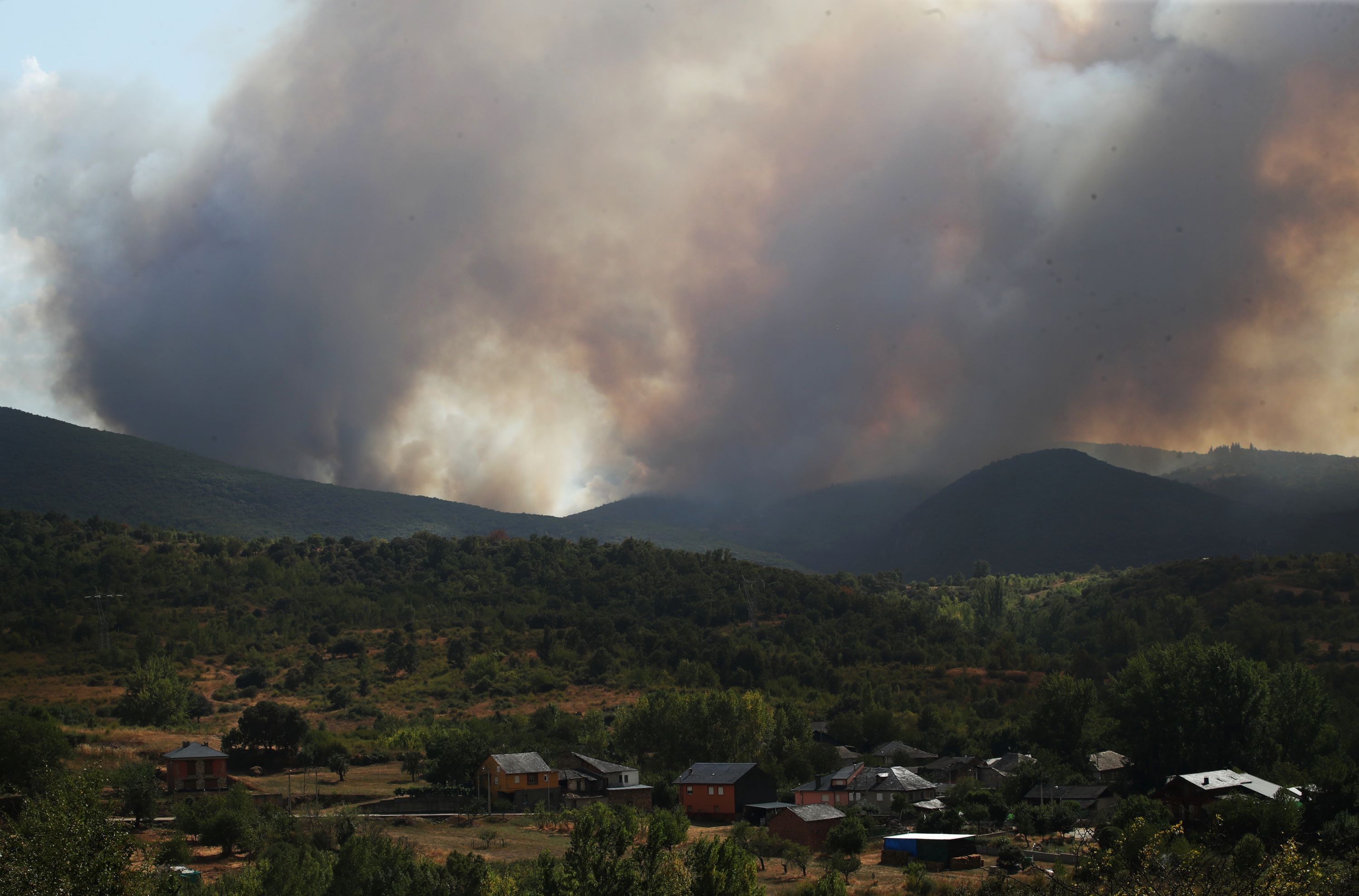
Sixth-generation fires in Spain: are we prepared?

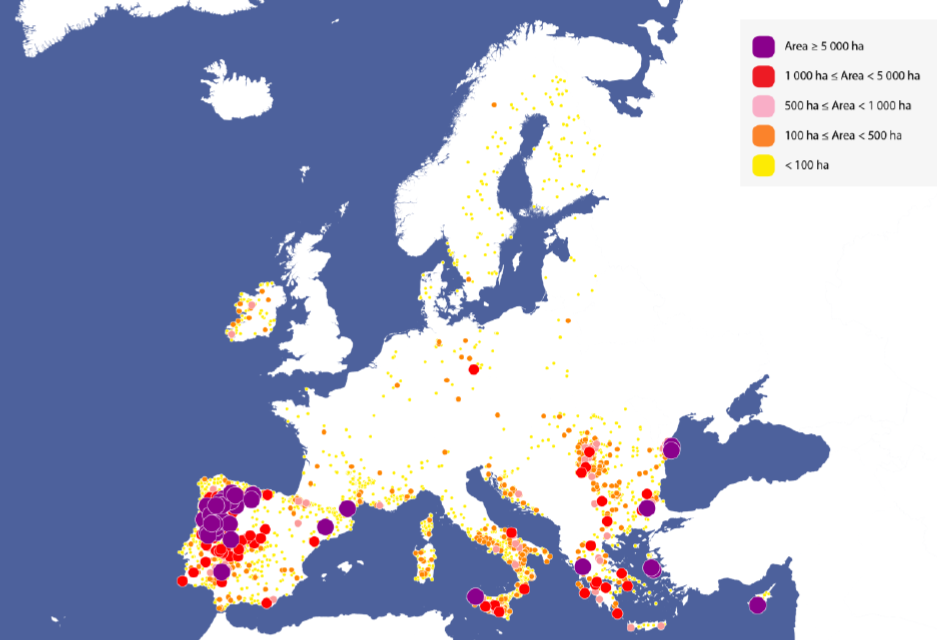
The last few weeks have been marked by devastating fires in Spain and other European countries. In Catalonia, just days after a fire killed two people and burned 5,500 hectares in the province of Lleida, another fire broke out in the province of Tarragona, affecting more than 3,200 hectares and now stabilised, which resulted in another person's death. What are the characteristics of these large fires? How can we prevent them? The Science Media Centre Spain organised an informative meeting with two experts to answer these questions and clarify key concepts.

0

A report estimates that there are three years of carbon budget left to achieve a 1.5 °C increase

The carbon available for emission without exceeding the 1.5°C limit set in the Paris Agreement—known as the carbon budget—could be exhausted in just over three years at the current rate of CO2 emissions. This is one of the conclusions of a new edition of Indicators of Global Climate Change, published in the journal Earth System Science Data. The study also shows that between 2019 and 2024, sea levels rose by an average of around 26 millimetres: more than double the rate of 1.8 mm per year recorded since the beginning of the 20th century.

0

The frequency of planetary wave resonances has tripled in the last 70 years, according to a study

Over the last seven decades, the frequency of planetary wave resonance phenomena has tripled, according to a study published in PNAS. The authors argue that the risk of extreme weather events related to this phenomenon during the northern hemisphere summer could be higher than current model estimates.

0

Review the dangers of climate change for plants and the possibilities for adaptation

The changes caused by the climate crisis—such as its impact on rainfall and rising temperatures—are stressful for plants in both wild and agricultural environments. A special issue of the journal Science brings together five articles reviewing this issue, including the adaptations that plants can adopt and that could be applied to combat it.

0

A factor related to the atmosphere could influence the increase in the severity of droughts

Atmospheric evaporative demand is a measure of the atmosphere's ability to extract moisture from the soil and influences the availability of water on the Earth's surface. An international team has analysed global drought data from 1901 to 2022 and found that this demand has contributed to a 40% increase in drought severity since 1981. Furthermore, this trend is accelerating and will most likely continue due to climate change, according to the authors. The results are published in the journal Nature.

0

A macro study examines how other species and climate change influence the geographical distribution of brown bears

An international research project involving Spanish participation has analysed the distribution of brown bears in Europe and Turkey. To do this, the team studied more than three million locations belonging to some 3,000 bears, with data from 14 European and Turkish subpopulations in very different environments. The main conclusion is that bears occupy areas where the species that form part of their diet are distributed. The study, published in Global Change Biology, shows that the influence of climate change on these species also has an impact on the distribution of bears.

0

Experiencing successive climate-related disasters is associated with greater mental health deterioration

Suffering climate change-related disasters is associated with a cumulative deterioration in mental health, meaning that the effects are exacerbated by successive events, according to an Australian study. The research, published in The Lancet Public Health, is based on longitudinal data from 2009 to 2019 on 5,000 people who suffered damage to their homes after at least one disaster (flood, wildfire, or cyclone).

0