economics

economics

economics

Heatwaves are already changing tourism in Spain: what we know and what we can expect

Various studies show that extreme heat is already influencing the decisions of international tourists, who are cutting short their summer holidays in the Mediterranean and opting for coolcations in search of destinations with milder climates. Climate adaptation is becoming a priority and, in the face of increasingly intense heatwaves, may boost the appeal of spring and early autumn.

1

It has been proposed that FIFA and music stars offer discounts to their fans to help reduce the climate impact of mega-events

International entertainment events have a very high carbon footprint. The majority of this stems from emissions caused by spectators’ travel, which account for 82 per cent of the emissions from the 2026 FIFA World Cup and 97 per cent of those from Coldplay’s 2024 European tour, according to a study published in Communications Sustainability which analyses the environmental impact of both mega-events. The researchers propose that organisers should bear part of the carbon costs by rewarding fans with discounts for choosing more environmentally friendly modes of transport to attend the events.


0

A study examines public attitudes towards different groups of migrants

Society prefers immigrants who are women, young, highly educated and in skilled employment – even though there is greater demand in the labour market for low-skilled workers – according to a meta-analysis that brings together data on more than 140,000 people from 36 countries. Respondents also expressed a preference for immigrants who do not come from Muslim countries and who migrate to escape violent situations rather than for economic reasons, according to the article published in Science Advances.


0

Historical carbon emissions will generate greater economic costs in the future than they have already caused to date

The economic costs of CO₂ emissions can be calculated in three ways: through the historical damages resulting from past emissions; through the expected future damages caused by those past emissions; and through the expected future damages from current or future emissions. A study published in Nature concludes that the future economic costs associated with past emissions could be at least ten times higher than the costs already incurred from those same emissions. The authors estimate that one tonne of CO₂ emitted in 1990 caused $180 (around €155) in global damages up to 2020, but will generate an additional $1,840 (nearly €1,590) by 2100. The analysis covers countries, high-net-worth individuals and major companies, as well as behavioural patterns, including taking an additional long-haul flight each year or choosing a non-vegetarian diet.

0

Women executives must build broader and more influential networks than men to reach positions of power

A new study published in the journal Patterns investigates the influence of professional networks on positions of power. The authors drew on data from more than 19,000 senior executives across over 700 publicly listed Canadian companies between 2000 and 2022. Using deep learning artificial intelligence models, the team analysed the evolution of each individual’s social and professional networks throughout their career, as well as the factors affecting their likelihood of promotion. The results revealed a "clear 'glass ceiling effect': women on boards must build broader and more influential networks than men in order to reach comparable positions of influence, even when their demographic characteristics and career trajectories are similar".

0

In light of biodiversity loss, a global report urges companies to also think long term

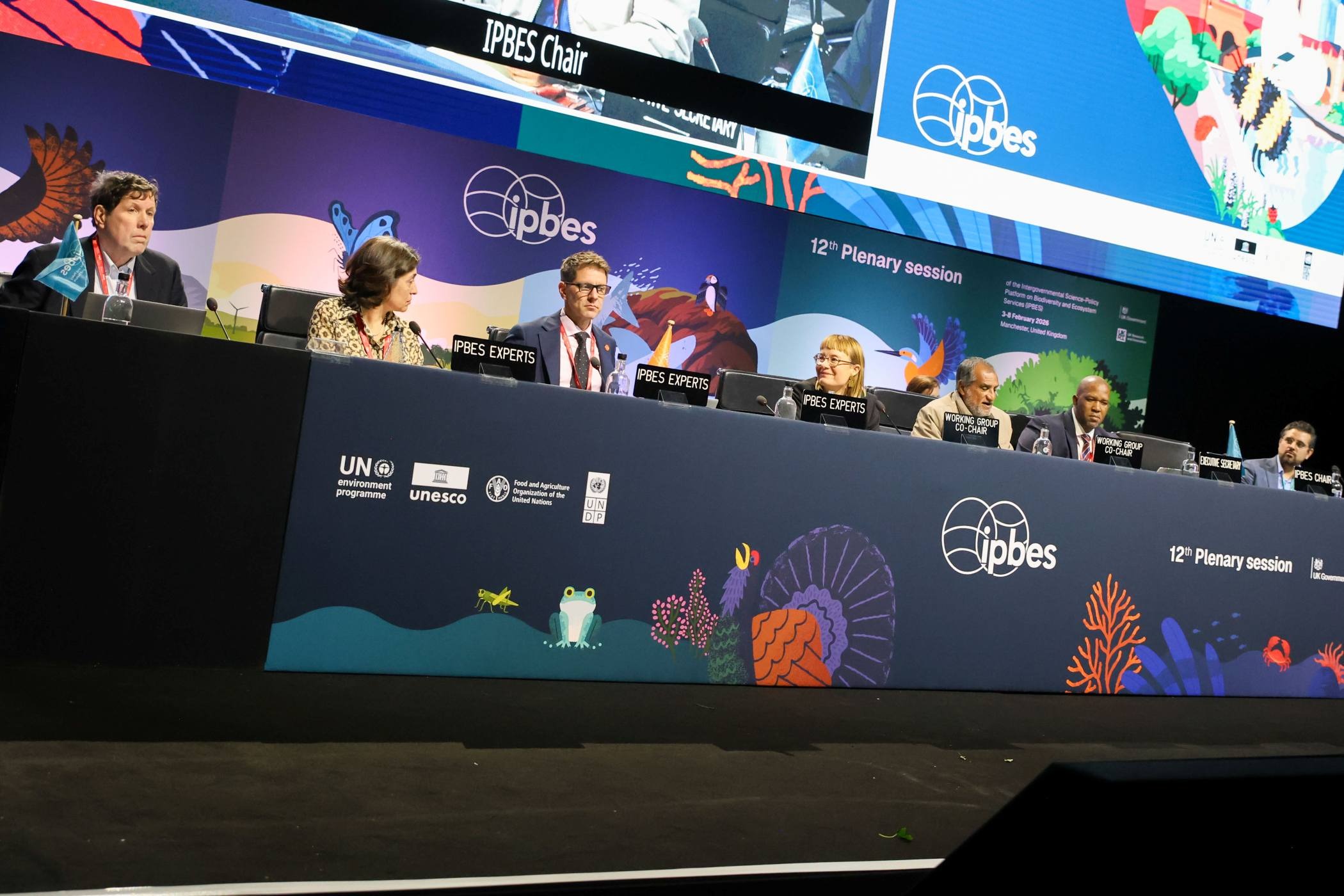
Meeting in Manchester (United Kingdom), the plenary session of IPBES (Intergovernmental Science-Policy Platform on Biodiversity and Ecosystem Services) ratified its Assessment on Business and Biodiversity, which presents data to understand the dependence and impact of businesses on nature and proposes more than 100 measures to improve the global situation. Three of its representatives explained the main results and proposals at a briefing organized by SMC Spain.

0

COP30 ends with a minimal agreement, leaving out any mention of fossil fuels

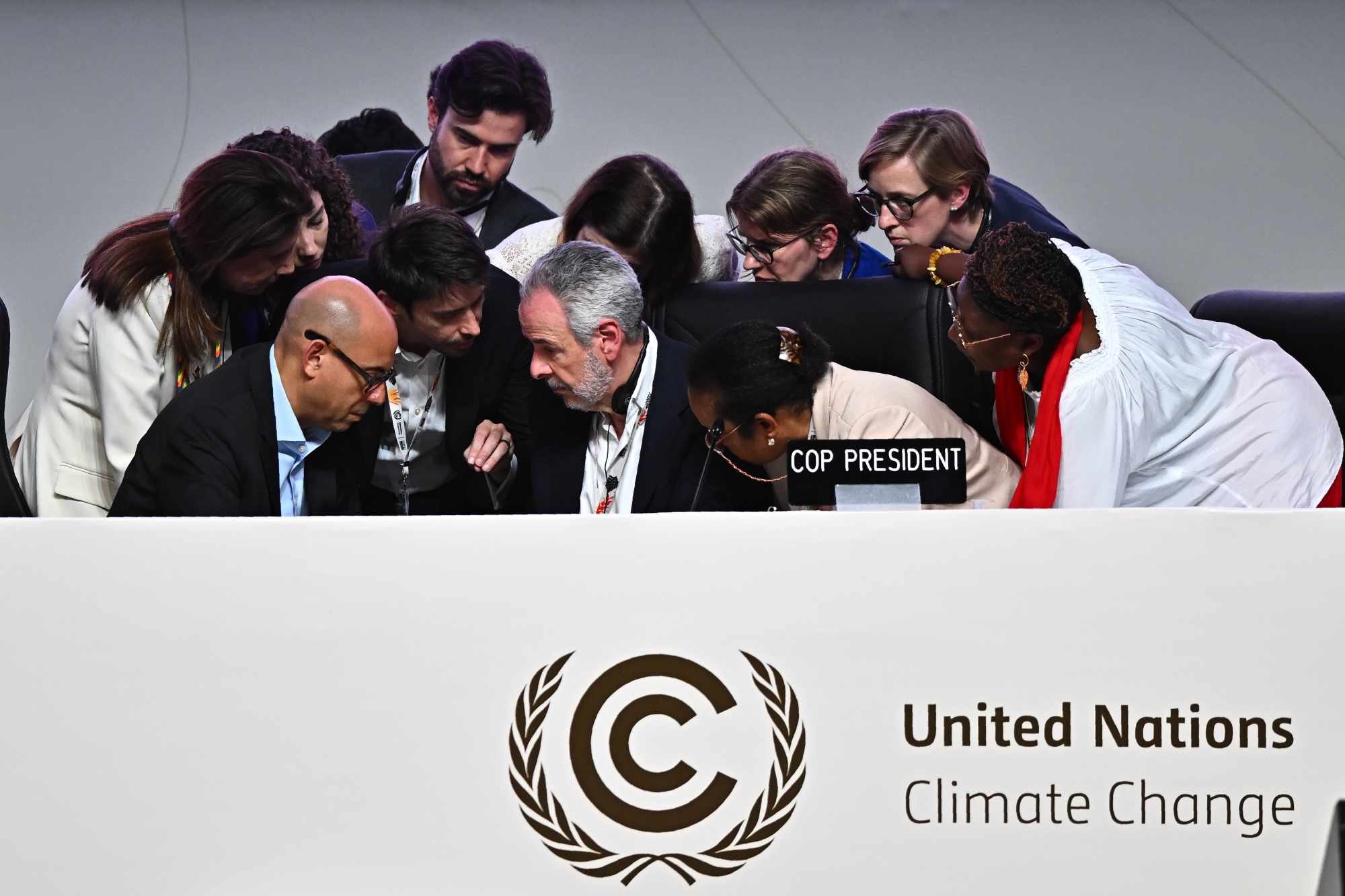
One day after the deadline, COP30 in Belém (Brazil) has finally reached a minimal agreement. The text does not mention a roadmap for abandoning fossil fuels, as requested by more than 80 states, including the European Union. The agreement states that countries agreed to accelerate climate action and triple funding for developing countries facing extreme weather events.


0

Link the consumption of lorazepam in the series 'The White Lotus' with an increase in Google searches for this anti-anxiety drug

According to a study published in the journal JAMA Health Forum, the use of the benzodiazepine lorazepam by the character Victoria Ratliff in the series The White Lotus was associated in the United States with an increase in Google searches for this medication, including queries about how to obtain it online. The series generated 1.6 million more searches than usual over a 12-week period. Although the study reflects searches for information and not actual consumption, the abuse of anti-anxiety drugs is a fact: illegal sales of benzodiazepines have increased in the United States, and Spain leads the rankings in terms of consumption.


0

Fossil fuel CO2 emissions will hit a new record in 2025, according to the largest carbon balance report

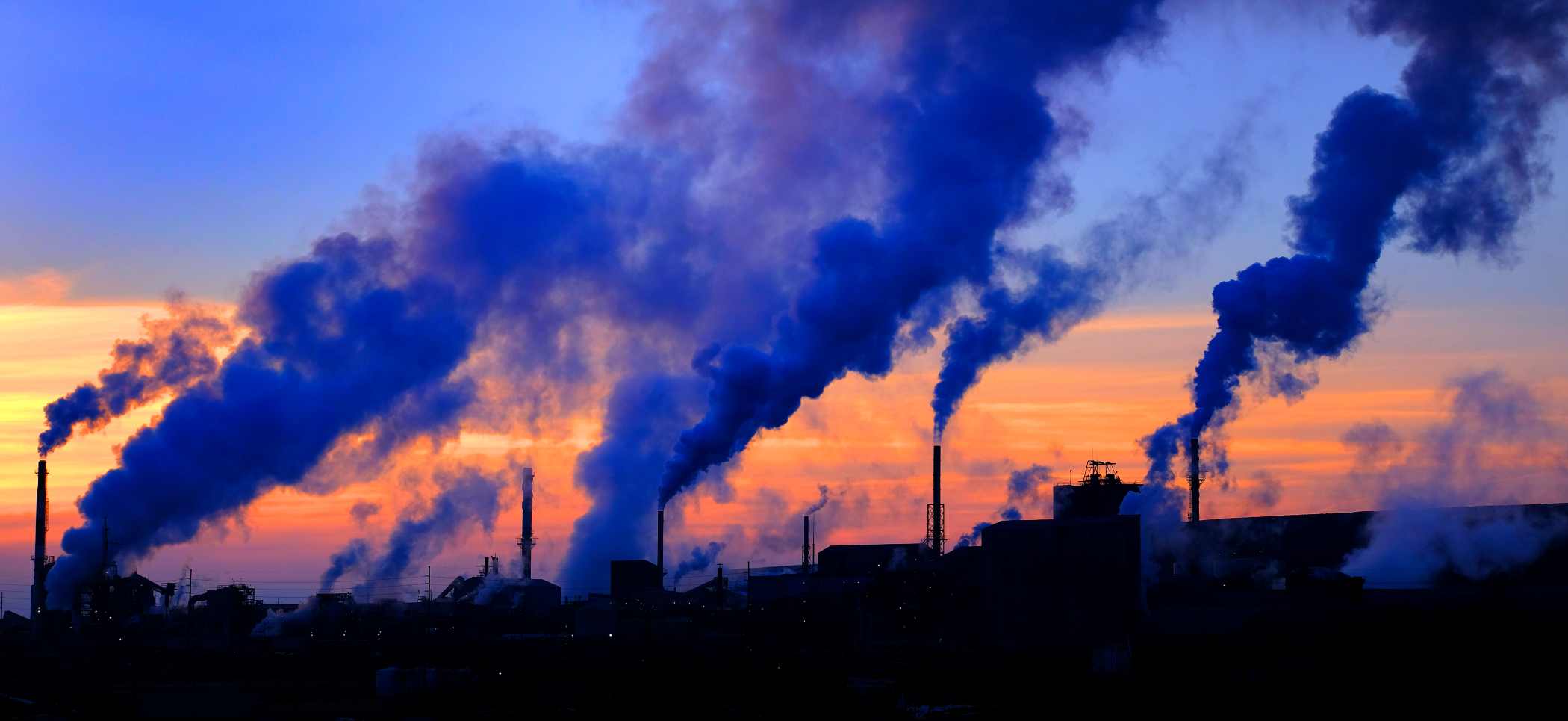
The Global Carbon Budget's projections for 2025 estimate that carbon dioxide (CO2) emissions from fossil fuels will reach a new all-time high of 38.1 billion tons, an increase of 1.1% over 2024. This global report—now in its 20th edition and to be presented at COP30 in Belém, Brazil—estimates that emissions in the United States and the European Union will grow this year, in contrast to the decline in previous years, partly due to weather conditions and higher energy consumption. The study is published in the journal Earth System Science Data in preprint format.


0

The illegal trade of four protected shark species continues despite regulations

Since 2013, undeclared and uncertified exports of fins from five overexploited shark species have been illegal. Now, an international team has determined that illegal fins from four of those species remained prevalent in the market between 2015 and 2021. Among the countries cited as potential violators are Spain, China, and Taiwan. The study is published in the journal Science Advances.

0