economics

economics

economics

If cities imitated Copenhagen's cycle network, vehicle emissions would fall by 6%

A team from the United States has analysed data on modes of transport in more than 11,500 cities in 121 countries around the world, including Spain, representing 41% of the world's population. In addition to studying the factors that most influence the proportion of journeys made on foot or by bicycle, they estimate that if each city analysed increased the extent of its cycling network to the level of Copenhagen (Denmark), private vehicle emissions would be reduced by 6% and the public health benefits would be equivalent to around £37 billion. The results are published in the journal PNAS.

0

The economic cost of some invasive species may be 1600% higher than previously estimated

A study published in Nature Ecology & Evolution concludes that the global economic cost of invasive species may be, in the case of some of them, more than 1,600% higher than previously estimated. By region, the highest costs were recorded in Europe, and by species, invasive plants generated the greatest impacts. According to the authors, these results - based on data from 162 species - could help countries to plan cost-effective management. 

0

Friendship is one of Spain's strengths for human flourishing, says international ranking

Among the factors affecting human flourishing, Spain has strengths such as friendship and balance in life, and weaknesses such as lack of perceived political voice as well as financial and material worries, according to an international study. The flourishing index is based on questionnaires completed by 200,000 people in 22 middle- and high-income countries. Spain ranks 14th in the ranking excluding financial indicators (ahead of Sweden and Germany), and 18th if financial indicators are considered (behind the same countries). The prosperity of Spanish youth is lower than in other age groups, adds the study published in Nature Mental Health

0

How Donald Trump's announced tariffs will affect the EU's science and health industry

US President Donald Trump has announced that all goods imported into the United States will be subject to a 10 % tariff. In the case of goods from the European Union, this will increase to 20 %, according to the executive order signed by Trump, which will affect the EU's science and health industry. This tariff will be even higher with other trading partners. The measure will not affect pharmaceuticals for the time being.


0

COP29 agrees rich countries to provide $300 billion to poorer countries for climate finance

In the early hours of the morning, after more than two weeks of negotiations and on the verge of collapse, participants at COP29 in Baku (Azerbaijan) reached an agreement to set the new climate finance target. In the end, at least 300 billion dollars a year will be contributed by rich countries to the least developed countries until 2035, within a broader global commitment of up to 1.3 trillion dollars directed at these same countries. The renewal of this target was part of the Paris Agreement and will enable governments to support developing countries in their climate action on adaptation, mitigation and damage from the climate crisis. The previous target - set at the Copenhagen Summit in 2009 - was $100 billion per year.

0

A small share of climate policies significantly reduced emissions

Analysis of 1,500 climate policies implemented in 41 countries over the last two decades - between 1998 and 2022 - shows that a small proportion - 63 of them - achieved a significant reduction in carbon dioxide emissions. The study, published in Science, indicates that a significant decrease in these emissions was recorded in the transport sector in Spain. According to the authors, the combination of several policy instruments is often more effective than the use of single measures.

0

A basic income for the entire population could double global GDP and cut carbon emissions, says study

In an analysis published in Cell Reports Sustainability, an international team of researchers proposes a regular cash payment for the entire world population, which could increase global Gross Domestic Product (GDP) by 130 %. According to the authors, this basic income could be paid for, in part, by a tax on carbon emitters, which would also help to reduce environmental degradation.  

0

[Retracted] Global income could decrease by 19% in two decades due to climate change

[This article has been retracted by Nature on December 3, 2025]. The global economy could lose, on average, 19% of income by 2049 due to increased carbon emissions over the past four decades, says an analysis published in Nature. To estimate the future economic damages of climate change, the authors used temperature and precipitation data for 1,600 regions worldwide in the past 40 years. Low-income countries will be more affected by these losses than higher-income countries, the authors warn. 

0

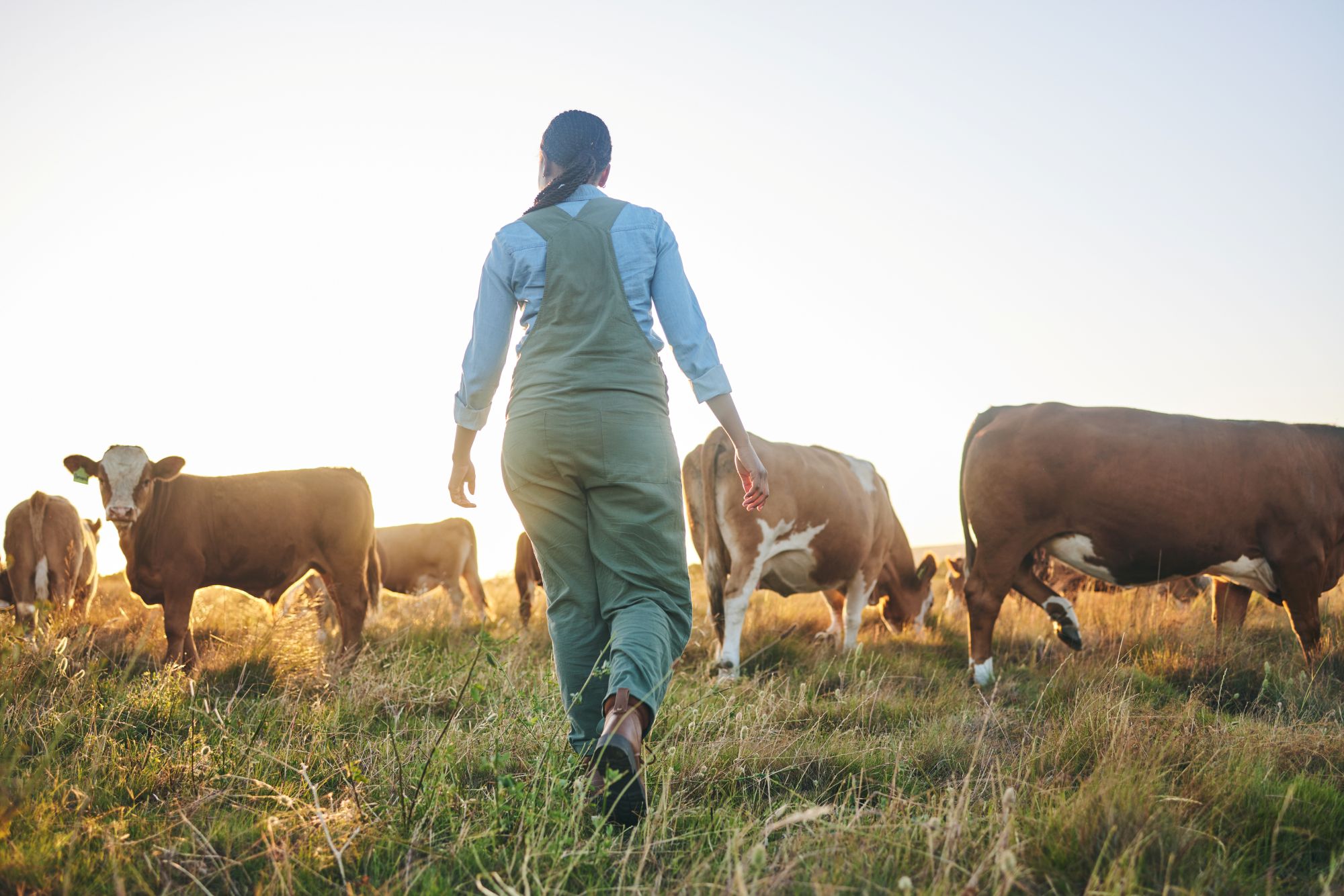
Reactions: Analysis of 2013 data estimates that most CAP funds go to emissions-intensive animal production

Eighty-two percent of EU farm subsidies articulated through the Common Agricultural Policy (CAP) financed high-emission livestock production in 2013, according to a study published in Nature Food. The analysis, which is based on data from 1986 to 2013 - the latest year for which records are available - highlights that 82% went to animal products in the following proportions: 38% directly and 44% for feed production. The authors note that food of animal origin is associated with 84 % of the greenhouse gases emitted by EU food production. 

0