mobility

mobility

mobility

Long-term exposure to residential road traffic noise is associated with an increased risk of Parkinson's disease, study finds

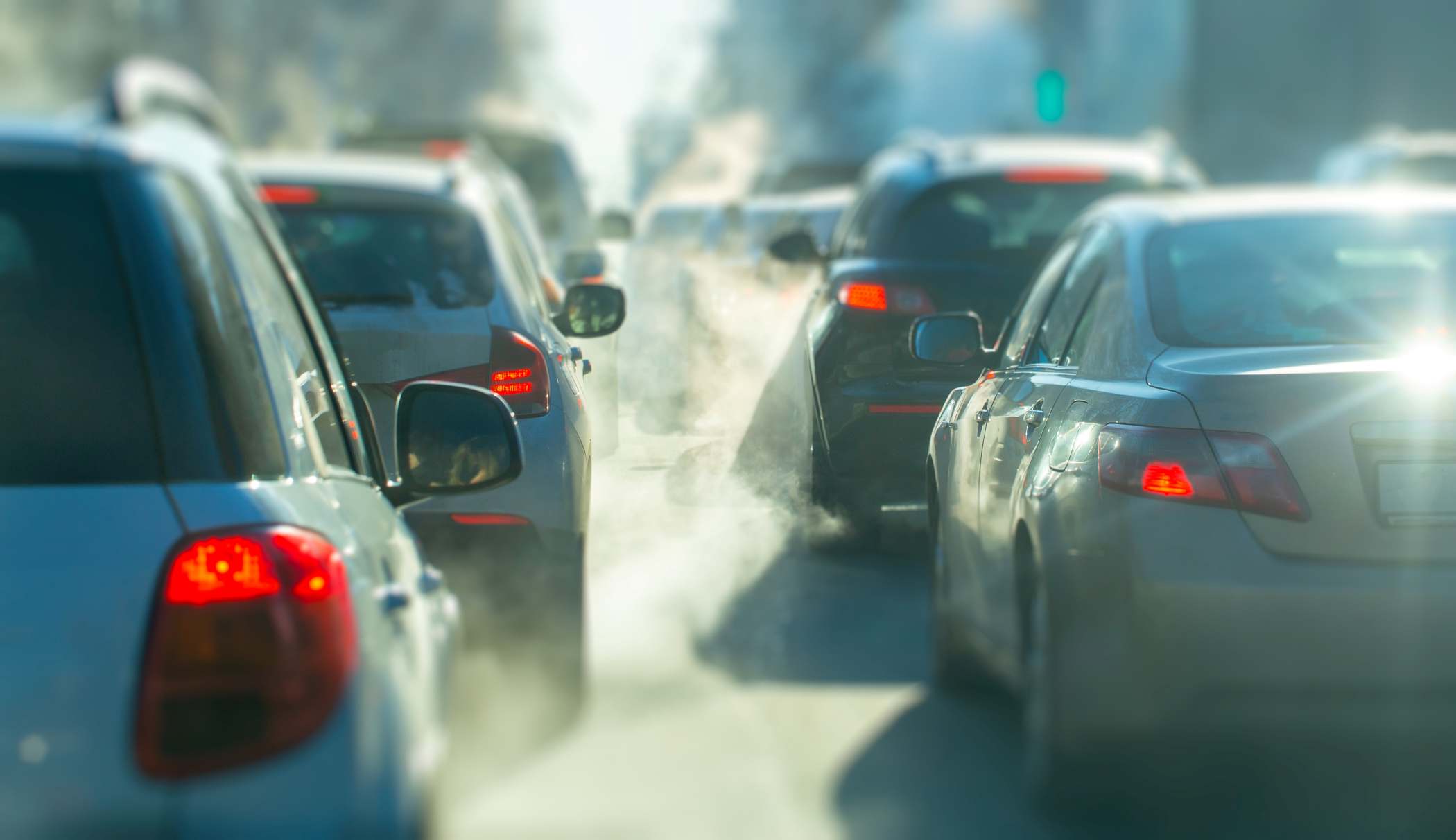
A Danish study published in JAMA Neurology found an association between long-term exposure to residential road traffic noise and an increased risk of developing Parkinson's disease. The study followed more than three million Danish adults aged 40 years and older for 18 years using data from Denmark's national administrative and health registries. The researchers assessed residential road traffic noise exposure at both the most exposed and the least exposed façades of participants' homes. The study also found that individuals with a quiet façade had a lower risk of developing Parkinson's disease than those whose homes were exposed to high levels of noise on all sides.

0

City design influences the physical activity of its inhabitants, according to a study using mobile data from more than 5,000 people

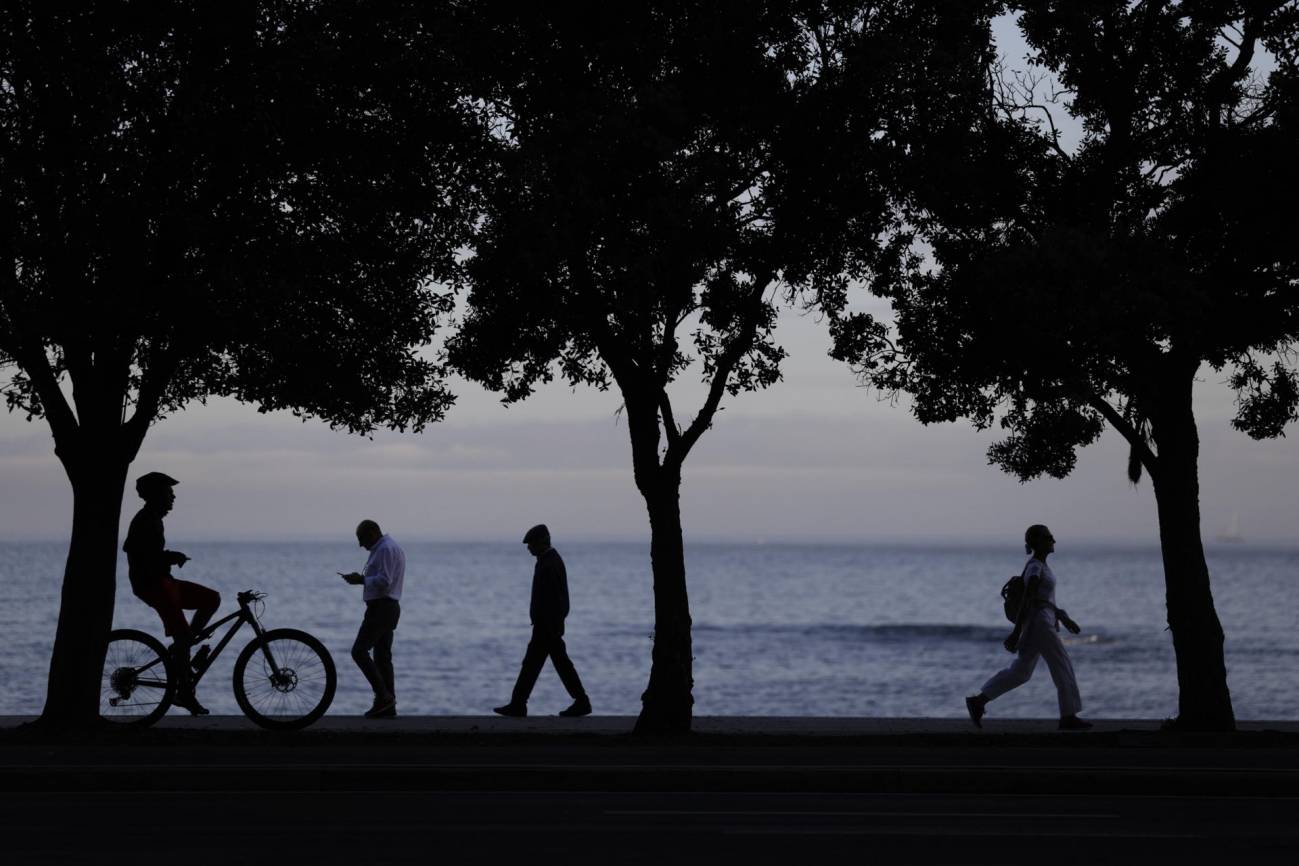
Analysis of data from a mobile health app covering more than 5,000 people in 1,609 cities in the United States reveals that moving from a less walkable area to a more walkable area leads to an increase in the number of steps taken per day, and vice versa. Walkability was measured using the Walk Score, an index based on parameters such as proximity to services, block length and intersection density. According to the authors, the results can serve as a guide for urban design policies that improve public health. The study is published in Nature.

0

If cities imitated Copenhagen's cycle network, vehicle emissions would fall by 6%

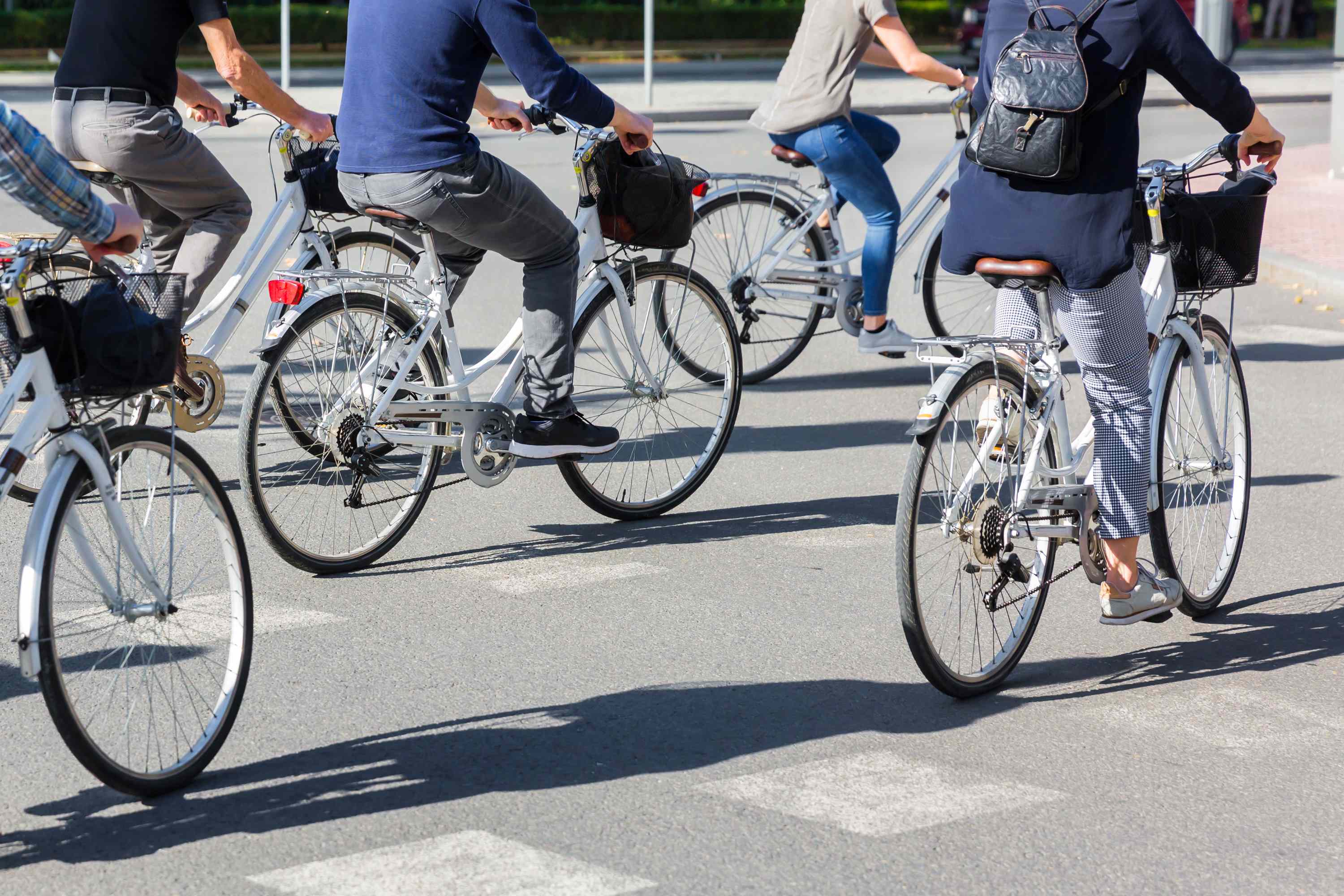
A team from the United States has analysed data on modes of transport in more than 11,500 cities in 121 countries around the world, including Spain, representing 41% of the world's population. In addition to studying the factors that most influence the proportion of journeys made on foot or by bicycle, they estimate that if each city analysed increased the extent of its cycling network to the level of Copenhagen (Denmark), private vehicle emissions would be reduced by 6% and the public health benefits would be equivalent to around £37 billion. The results are published in the journal PNAS.

0

Deep brain stimulation improves walking after spinal cord injury

According to a study published in Nature Medicine, deep brain stimulation of the lateral hypothalamus improves walking and promotes recovery in humans and rodents with spinal cord injuries. In humans, the authors tested this technique on two patients who relied on assistive devices and had difficulty walking; both showed improved performance in the ten-meter and six-minute walking tests. Combined with rehabilitation, the patients experienced recovery that persisted even after the deep brain stimulation was turned off.

0

CO2 emissions caused by private flights increased by 46 % between 2019 and 2023

Private flights are used by approximately 0.003 % of the world's population, but the CO2 emissions they released in 2023 were equivalent to 1.8 % of those of all commercial aviation. These are the conclusions of a study published in the journal Communications Earth & Environment, which estimates that emissions from private flights increased by 46 % between 2019 and 2023. Almost half of them covered a distance of less than 500 kilometers.

0

New online map to find 15-minute cities

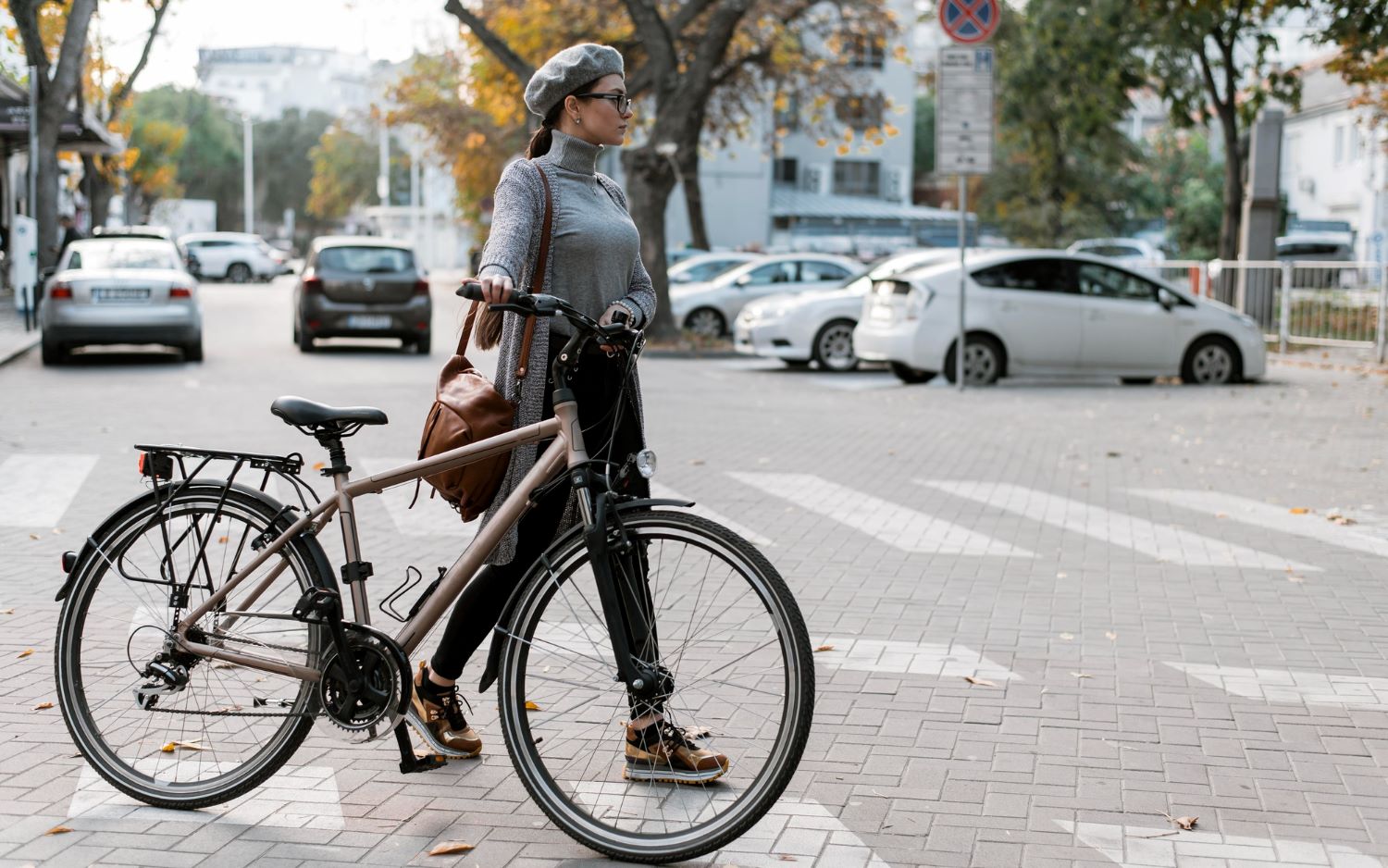
A new web-based tool analyzes major cities like Tokyo, Paris, Atlanta or Barcelona to see how close they are to the 15-minute city concept, where residents take less than those minutes to access essential services by foot, bike, or public transport. According to the study, published in Nature Cities, few cities fit this concept. The tool, which is freely accessible and uses data from 10,000 cities sourced from the open-source packages GeoPandas and OpenStreetMap, could be useful for developing action plans and estimating how viable it is to transform certain cities to follow this model.

0

A small share of climate policies significantly reduced emissions

Analysis of 1,500 climate policies implemented in 41 countries over the last two decades - between 1998 and 2022 - shows that a small proportion - 63 of them - achieved a significant reduction in carbon dioxide emissions. The study, published in Science, indicates that a significant decrease in these emissions was recorded in the transport sector in Spain. According to the authors, the combination of several policy instruments is often more effective than the use of single measures.

0

Cycling to work is associated with a 47% reduction in risk of death

According to a large long-term study published in BMJ Public Health, people who cycle or walk to work or school have a lower risk of mental and physical illness. Cyclists benefit the most, with a 47% lower risk of death from any cause, a 24% lower risk of hospital admission for cardiovascular disease, a 51% lower risk of dying from cancer and a 20% lower risk of being prescribed drugs for mental health problems.

0