parkinson

parkinson

parkinson

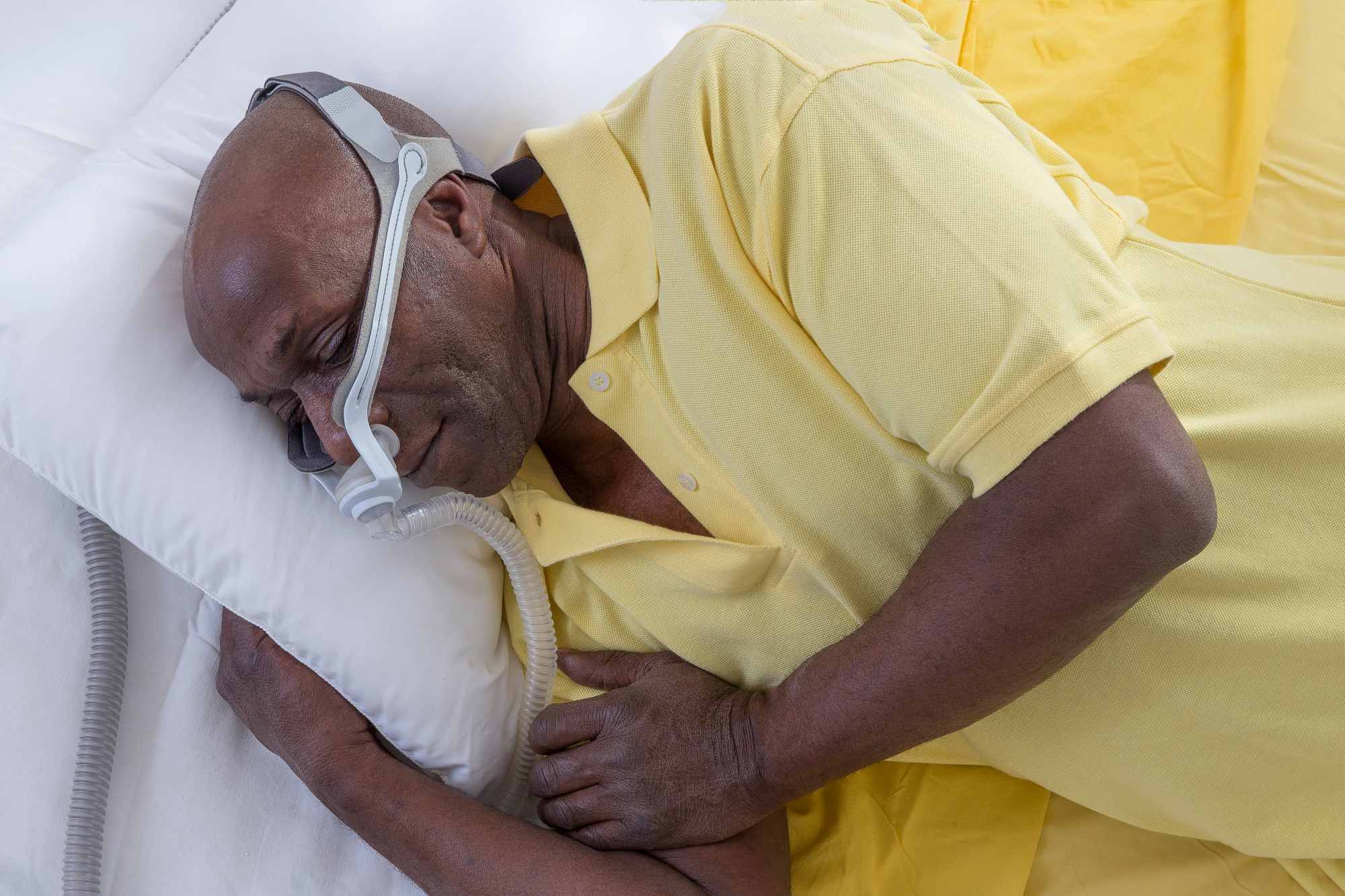
Untreated sleep apnoea is associated with an increased risk of Parkinson's disease, according to data from US war veterans

An investigation published in JAMA Neurology concludes that obstructive sleep apnoea is associated with an increased risk of Parkinson's disease, according to the medical records of more than 11 million American war veterans, mainly men. The article also indicates that this risk can be reduced by early treatment with continuous positive airway pressure, suggesting intervention in sleep-disordered breathing as a strategy for preventing neurological diseases.  

0

Early signs of Parkinson's disease detected for the first time in post mortem brain tissue

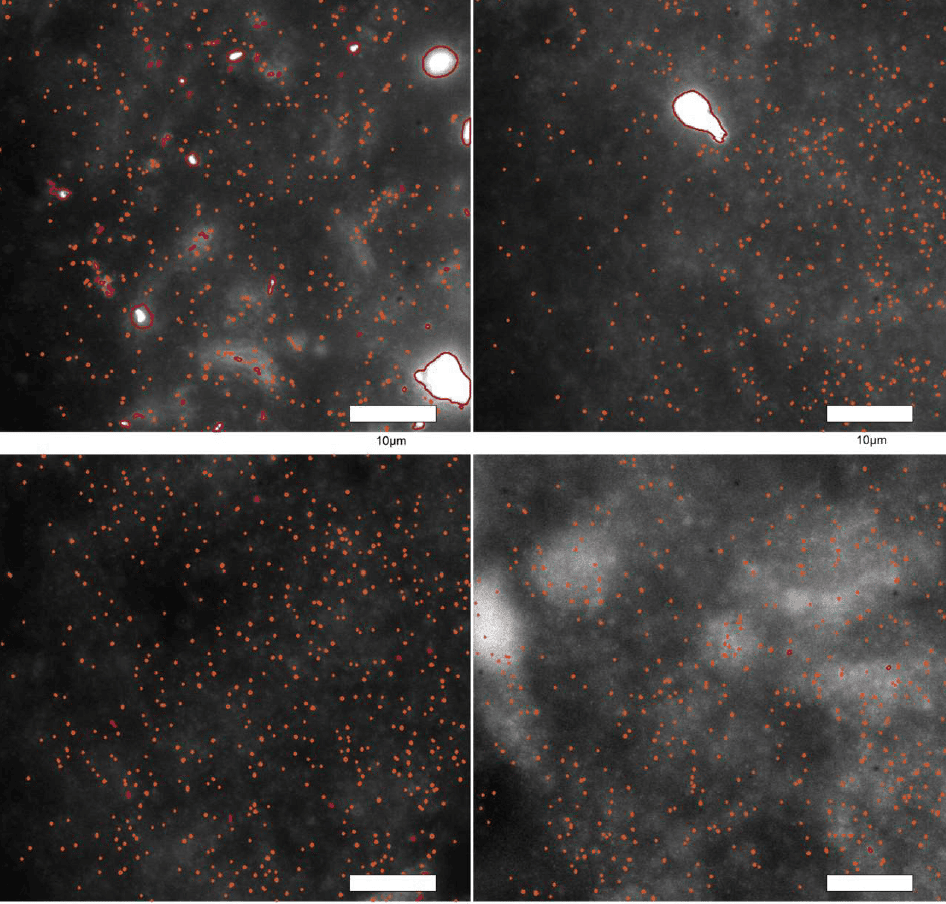
A team has managed to visualise and quantify the protein aggregates believed to trigger Parkinson's disease. This is the first time they have been directly visualised. These small aggregates – alpha-synuclein oligomers – were observed in post mortem brain tissue from people with the disease using a new microscopy technique, as explained by the authors in Nature Biomedical Engineering.

0

A link between digestive disorders and the development of Alzheimer's and Parkinson's diseases has been shown

An international team with Spanish participation has analyzed data from more than 500,000 people and found a link between digestive disorders such as colitis, gastritis, esophagitis, or functional bowel disorders and an increased risk of developing Alzheimer's and Parkinson's diseases. According to the researchers, who published their findings in the journal Science Advances, “this effort sheds light on the interaction between factors involved in the gut-brain axis and opens avenues for targeted treatment and early diagnosis.”

0

Study suggests eating ultra-processed foods may accelerate early Parkinson's symptoms

Consumption of ultra-processed food is associated with an increased likelihood of having prodromal signs of Parkinson's disease - symptoms that precede the disease - says a study published in Neurology. The analysis is based on data from more than 42,000 healthcare professionals in the US, followed for up to 26 years.

0

Two clinical trials show safety of stem cell therapies against Parkinson's disease

Two independent clinical trials demonstrate the safety of stem cell therapies for Parkinson's disease. The papers, published in Nature, investigate the use of cells derived from human induced pluripotent stem cells and human embryonic stem cells, respectively. Parkinson's disease is characterised by the progressive loss of dopamine-producing neurons. Cell therapy, which replenishes dopamine-producing neurons in the brain, could provide a treatment with fewer adverse effects than current treatments. However, further research is needed to test the efficacy and benefits of these new therapies.

0

Smart' keyboard developed for early diagnosis of Parkinson's disease

An American team has developed a ‘smart’ computer keyboard that could be used for the early diagnosis of Parkinson's disease. The prototype is a flexible device, linked to a mobile application, whose keys detect slight variations in the pressure applied by the user, allowing for the quantitative analysis of motor symptoms. The study, published in Science Advances, presents the validation of the keyboard with three people with Parkinson's.

0

Structure of a protein linked to Parkinson's disease described

Discovered years ago, PINK1 is a protein directly linked to Parkinson's disease, but it was not known what it looks like, how it binds to the surface of damaged mitochondria or how it is activated. A study published this week in Science has for the first time determined the structure of this protein. The authors suggest that this new information could help in finding new treatments.


0

The number of people with Parkinson's disease will exceed 25 million worldwide by 2050

In 2050 there will be 25.2 million people with Parkinson's disease worldwide, which represents an increase of 112% from 2021, largely due to the ageing of the population, according to a modelling study published by The BMJ. The number of people living with this disease – prevalence across all ages – per 100,000 inhabitants is expected to increase by 76% – and by 55% when age differences are corrected.

0

Reactions: Analysis shows monoclonal antibody slows motor symptoms in patients with rapidly progressing Parkinson's disease

A monoclonal antibody called prasinezumab reduces the worsening of motor symptoms in people with Parkinson's disease who have rapidly progressive disease, according to an analysis of a phase 2 clinical trial published in Nature Medicine. These findings suggest that clinical efficacy of prasinezumab, which works by binding to alpha-synuclein protein aggregates, is seen after one year of treatment in such patients. According to the authors, more research is needed to determine whether the antibody can be effective in people with slower disease progression after longer periods of treatment. 

0

Reactions to phase 2 clinical trial testing an oral antidiabetic as a treatment for Parkinson's disease

A phase 2 clinical trial in France has examined whether taking an oral anti-diabetic drug called lixisenatide - a GLP1 receptor analogue, similar to those also used for weight loss - also has an effect on the progression of Parkinson's disease. The results indicate that there is a modest but significant decrease in the progression of motor symptoms of the disease, although side effects were also observed. The results are published in the journal NEJM

0