biodiversity

biodiversity

biodiversity

The illegal trade of four protected shark species continues despite regulations

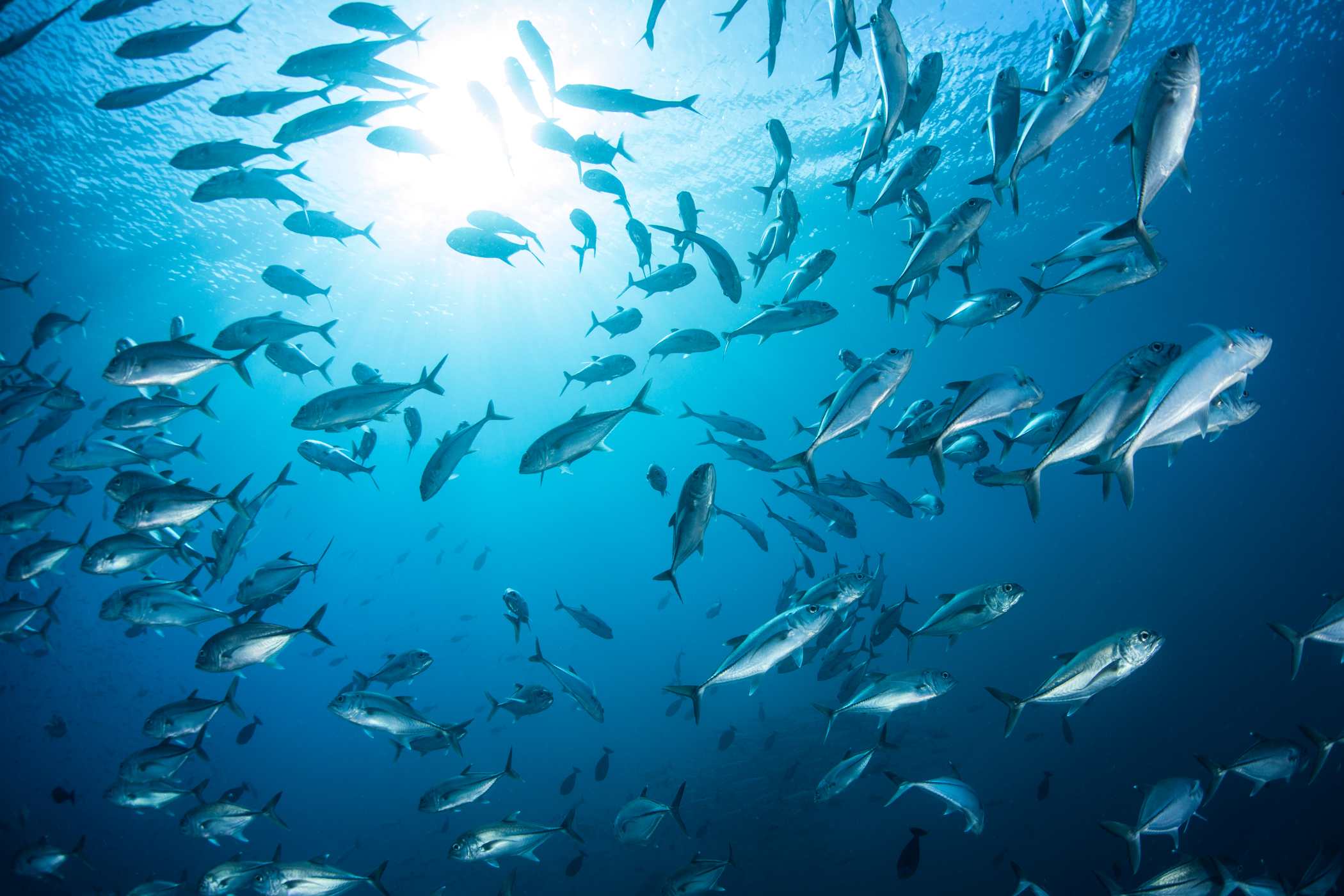
Since 2013, undeclared and uncertified exports of fins from five overexploited shark species have been illegal. Now, an international team has determined that illegal fins from four of those species remained prevalent in the market between 2015 and 2021. Among the countries cited as potential violators are Spain, China, and Taiwan. The study is published in the journal Science Advances.

0

Extreme droughts slow the carbon storage capacity of scrublands and grasslands

Some ecosystems are able to adapt to moderate droughts, even if they last for several years. However, in scrublands and grasslands, when the phenomenon is extreme and prolonged, their capacity to store carbon plummets. This is the main conclusion of an international study that has assessed the effects of the duration and severity of droughts on the productivity of 74 grassland and pasture ecosystems on six continents. According to the authors, the most vulnerable areas are arid and semi-arid regions, such as those in the Mediterranean region and the southwestern United States. The study, published in Science, involves CREAF, CSIC and IICG-URJC, among other centres.

0

Warm-water coral reefs pass their point of no return

Extensive warm-water coral reefs are facing widespread mortality and, unless global warming is reversed, will be lost, warns the report Global Tipping Points 2025. This is the first tipping point reached by the Earth system, the first in a series of tipping points that will cause ‘catastrophic’ damage—melting ice sheets, death of the Amazon rainforest, and collapse of vital ocean currents—unless humanity takes urgent action. The report also identifies positive tipping points that have been crossed on a global scale, for example in the area of solar energy and the adoption of electric vehicles.

0

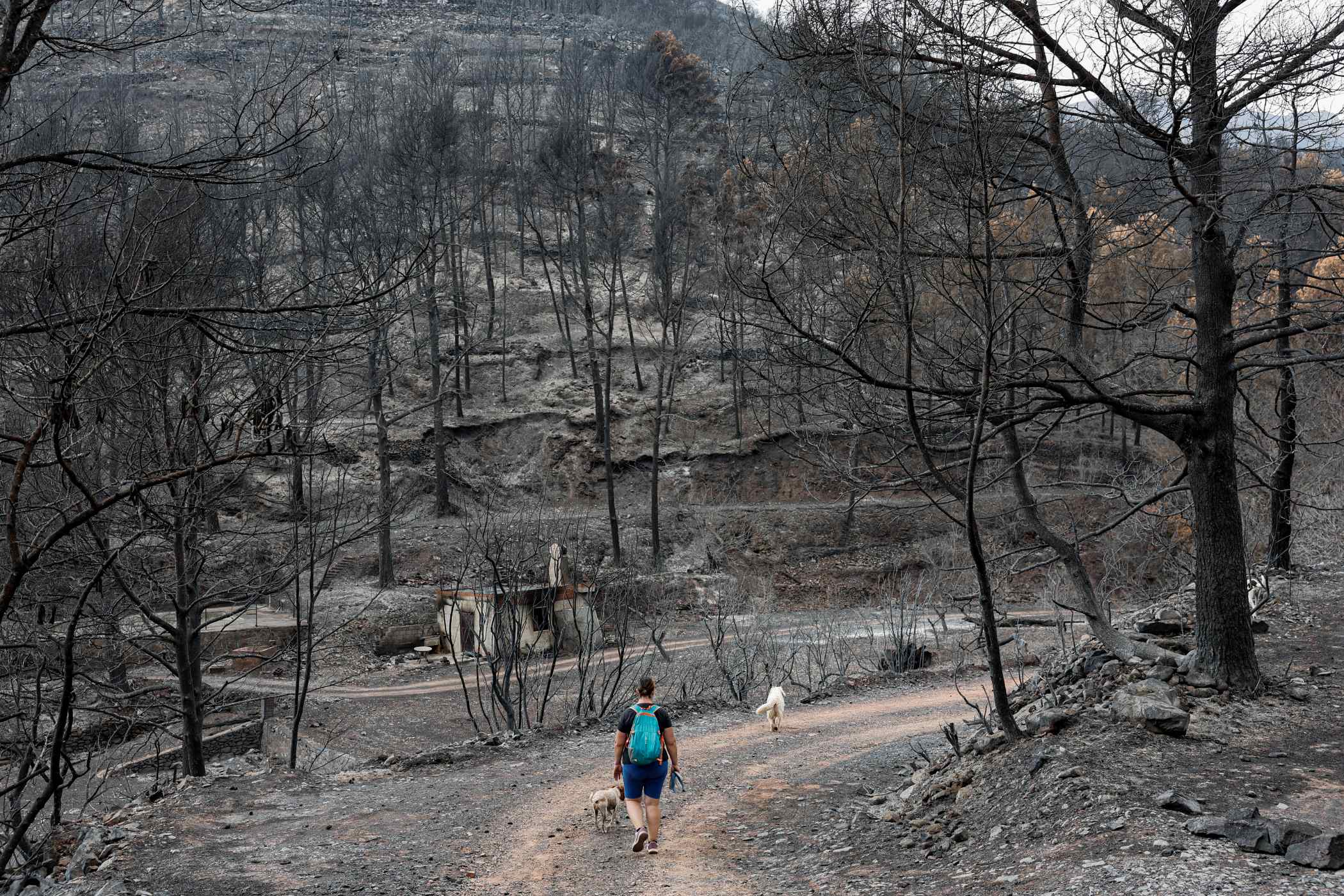
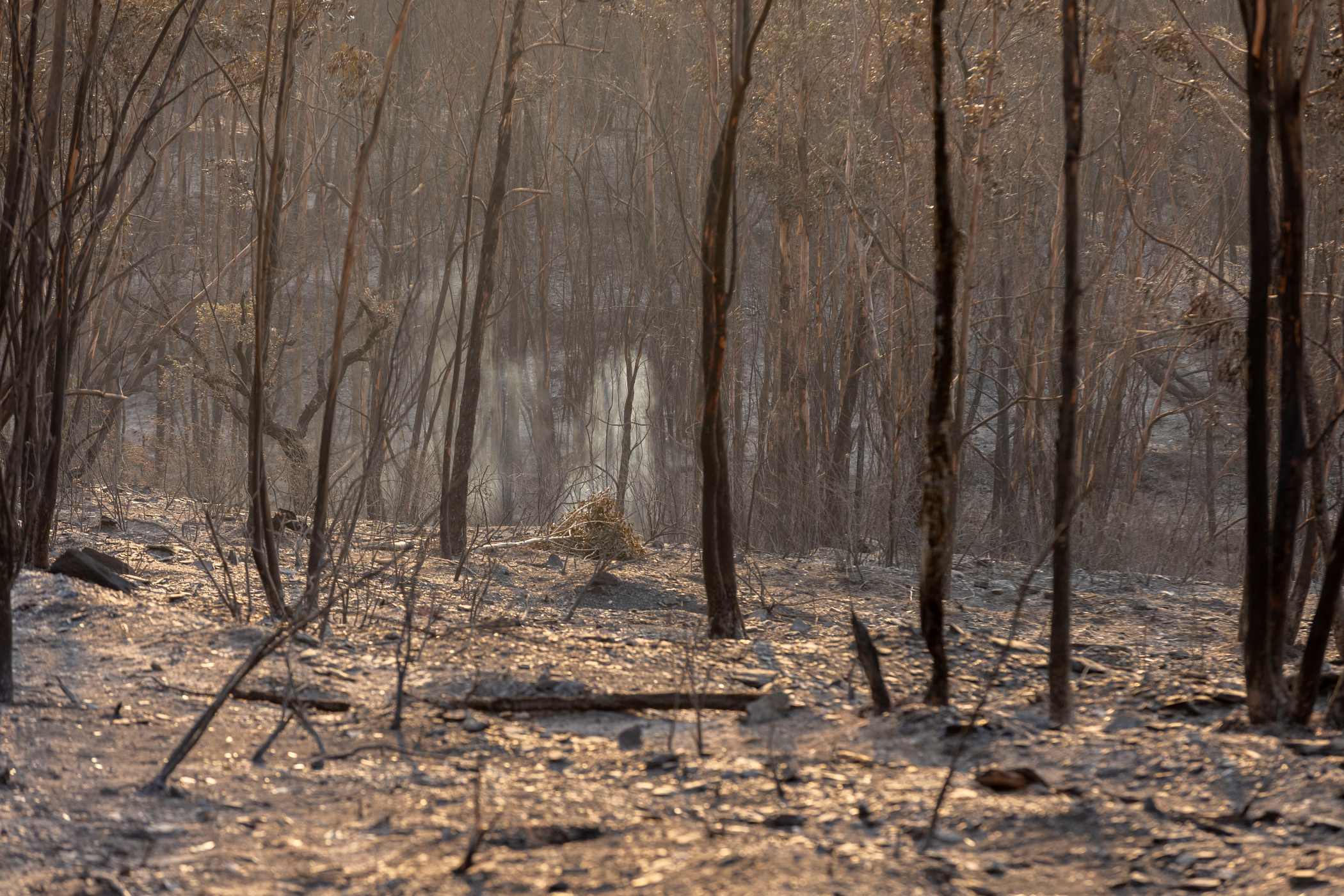
Extreme heat and wind keep numerous fires burning on the peninsula

Four people have died in the fires that began last weekend on the Iberian Peninsula and have spread to different areas of Galicia, Castile and León, Andalusia, Castile-La Mancha, Extremadura and Madrid. The heatwave that continues to grip the country, strong gusts of wind and their changing direction, and the thermal drought are hampering firefighting efforts. The government declared on Tuesday a pre-emergency phase and thousands of people have had to be evacuated.

0

How to live with fire: eight key messages for wildfire management

Extreme wildfires are becoming more frequent and causing greater environmental and social impact. Current policies that prioritise fire suppression have not only failed to prevent this situation from arising, but  actually made it worse. The report Changing Wildfires - Policy Options for a Fire-literate and Fire-adapted Europe,  released by the European Academies' Science Advisory Council (EASAC), addresses this issue by outlining eight policy options. The report's key recommendations focus on  putting landscape management first —by regulating biomass structure and land use — and empowering local communities.

1

Numerous fires are active in different parts of the peninsula

Several areas in the region of El Bierzo in León and the province of Zamora have seen numerous forest fires in recent hours, forcing more than a thousand people from different municipalities to evacuate. One person has died. The flames have affected the Las Médulas natural area, listed by UNESCO as a World Heritage Site. Another fire in Tarifa (Cádiz) has forced the evacuation of hundreds of people, and also in Tres Cantos (Madrid), where one person died. In addition, there are active outbreaks in several areas of Galicia. The government declares a pre-emergency phase.

0

The decline of large scavengers could increase the risk of disease for humans

A team from Stanford University (USA) has analysed the conservation status of 1,376 species of scavenger animals. The results, published in the journal PNAS, indicate that 36% of them are threatened or in decline, especially large species and obligate scavengers, which depend exclusively on carrion for food. In contrast, the number of small and facultative scavengers, such as rodents, for which carrion is not their only source of food, is increasing. According to the authors, this ‘could increase the risks of diseases that large scavengers have helped to mitigate’.

0

A macro study examines how other species and climate change influence the geographical distribution of brown bears

An international research project involving Spanish participation has analysed the distribution of brown bears in Europe and Turkey. To do this, the team studied more than three million locations belonging to some 3,000 bears, with data from 14 European and Turkish subpopulations in very different environments. The main conclusion is that bears occupy areas where the species that form part of their diet are distributed. The study, published in Global Change Biology, shows that the influence of climate change on these species also has an impact on the distribution of bears.

0

The economic cost of some invasive species may be 1600% higher than previously estimated

A study published in Nature Ecology & Evolution concludes that the global economic cost of invasive species may be, in the case of some of them, more than 1,600% higher than previously estimated. By region, the highest costs were recorded in Europe, and by species, invasive plants generated the greatest impacts. According to the authors, these results - based on data from 162 species - could help countries to plan cost-effective management. 

0

An article analyses the ethical challenges of extinguishing species through genetic modification

New gene editing technologies, such as gene drive tools, open the door to deliberately extinguishing species. An analysis article published in Science examines the ethical implications of this possibility based on three specific examples: the eradication of rats, the cattle barren worm, and the Anopheles gambiae mosquito, which transmits malaria. The analysis attempts to answer the question: ‘When and under what circumstances could the intentional eradication of a species be justified?".

0