biodiversity

biodiversity

biodiversity

More than 1,300 bird species will become extinct in the next 200 years
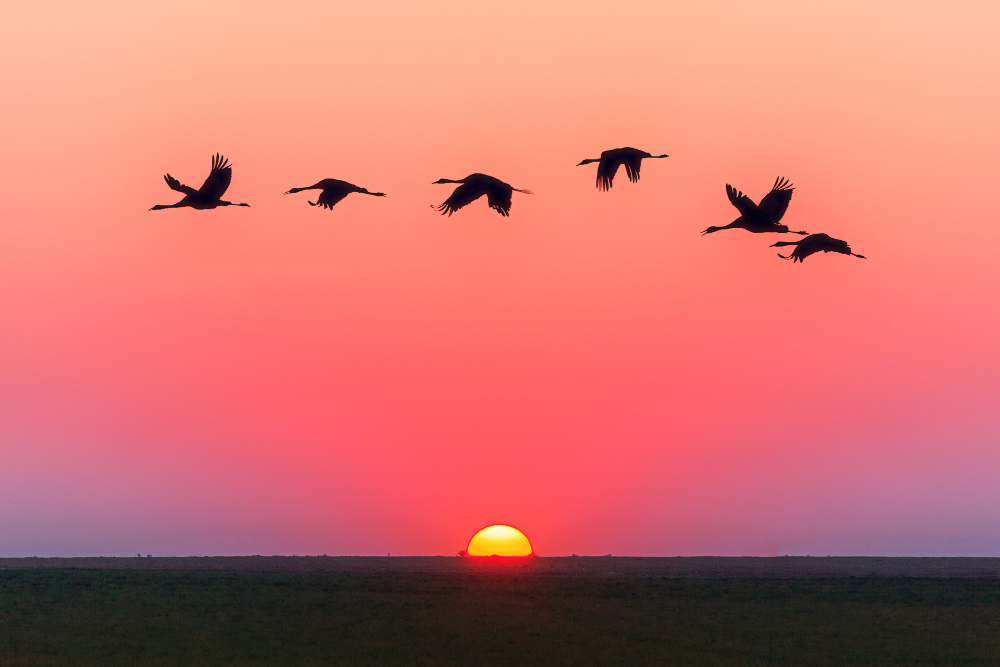
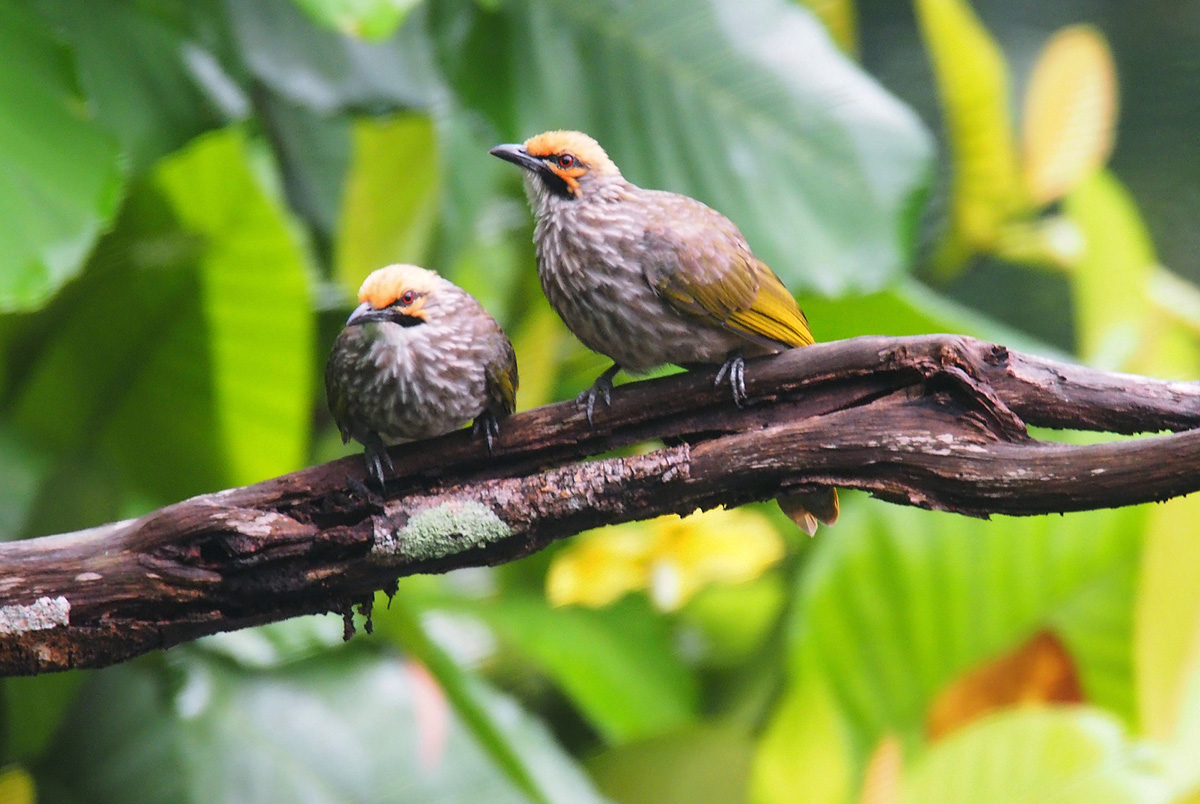
International research in which CREAF is participating estimates that more than 1,300 bird species will disappear over the next two centuries, which is more than double the number of extinctions recorded to date - 610 species have disappeared in the last 130,000 years. The study, published in the journal Science, shows that, for island endemics, the proportional losses have been and will be even greater. The authors warn that when a species becomes extinct, its role in the ecosystem may disappear with it.


0
Trees capture methane from micro-organisms that inhabit their bark

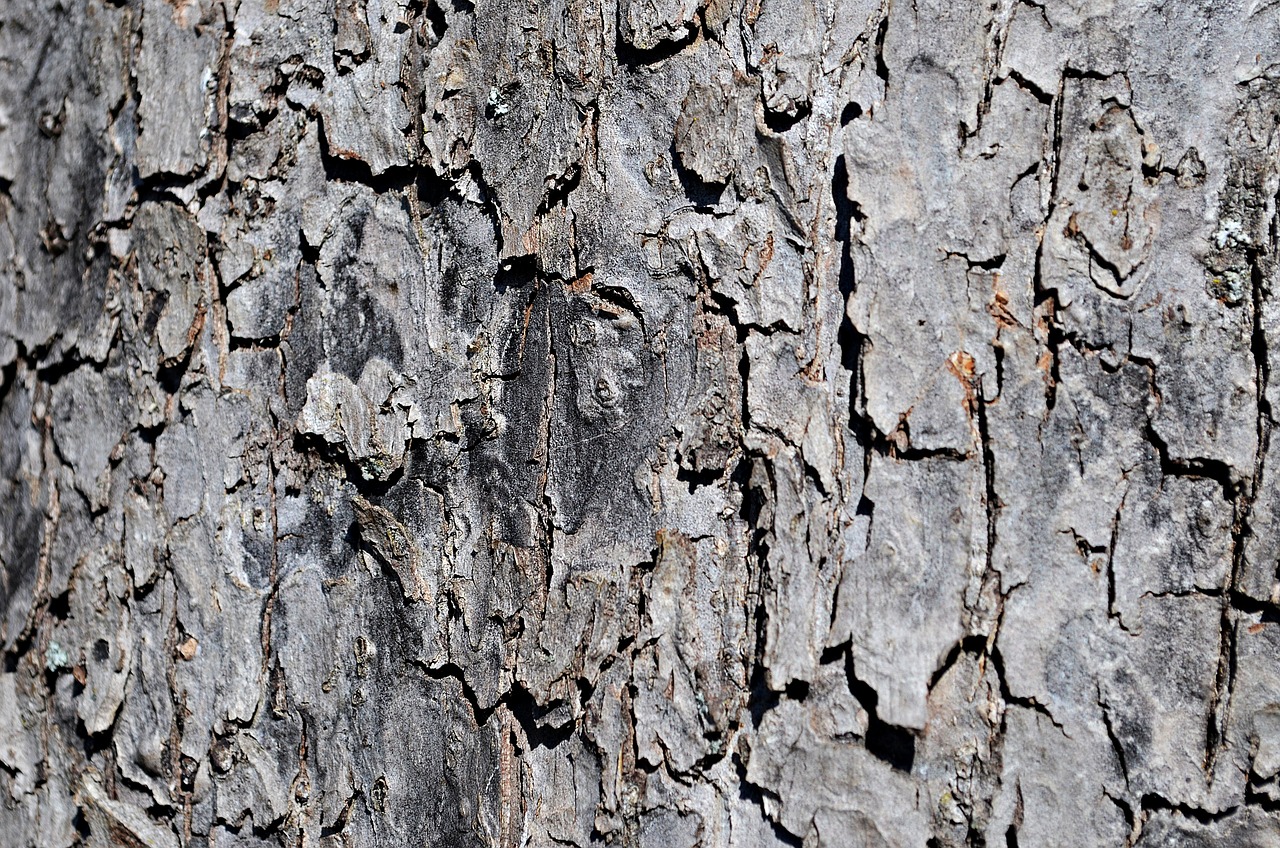
The surface of tree bark plays an important role in the elimination of methane gas from the atmosphere thanks to the microorganisms that live on it, according to a study published today in Nature in which CREAF participates. Methane is one of the gases responsible for the greenhouse effect. The authors estimate that this process, unknown until now, makes trees 10% more beneficial to the climate than previously thought.

0

Reaction: climate change will reduce the number of tree species in Europe by at least one-third over this century

A study has analyzed how 69 of the tree species present in Europe - such as oaks, ashes or willows - will behave over this century under different climate change scenarios. In the best-case scenario, the number of species able to survive per square kilometer will be reduced by a third, according to their calculations. For the authors, who publish their results in the journal Nature Ecology & Evolution, this could have strong negative repercussions on timber production, carbon storage and biodiversity conservation.

0

Reactions: two-thirds of conservation efforts help combat biodiversity loss

Two-thirds of biological conservation actions improve biodiversity or slow its decline, a meta-analysis claims. The study highlights the effectiveness of interventions focused on invasive species control, habitat loss reduction and restoration, and protected areas. The article, published in the journal Science, brings together the findings of 186 previous studies.   

0

Reaction: Mining poses underestimated risk to African great apes

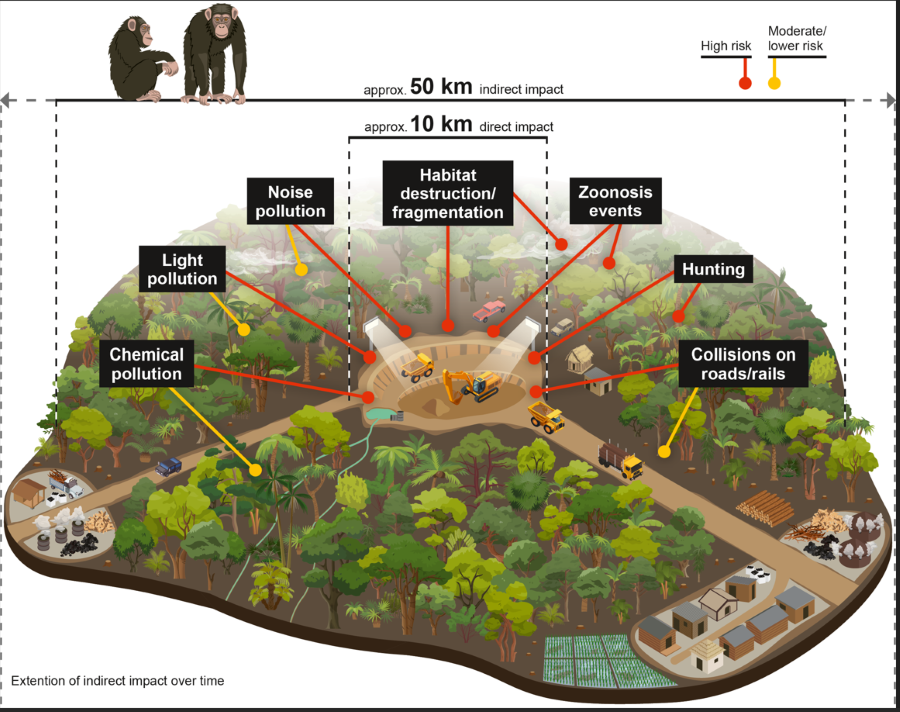
A study published in Science Advances analyses population data for great ape species in mining areas in 17 African countries and shows that their habitats overlap, endangering the apes' survival. The study also reveals a considerable information gap: 97% of the mining areas contain no population data for these animals. 

0

Reaction: UN report warns of migratory species decline

One in five species included in the list of the Convention on the Conservation of Migratory Species of Wild Animals (CMS, to which Spain is a party) is in danger of extinction. These are data from the first global monitoring report on these species published by the World Conservation Monitoring Centre, a branch of the United Nations Environment Programme (UNEP). This figure rises to 97% for fish species. The authors warn that the situation has deteriorated in recent decades due to "intense levels of anthropogenic pressure". The presentation of the report coincides with the start of the COP on the conservation of these species in Uzbekistan (COP14).

0

Reaction: Human action is causing vertebrate genera to disappear at an unprecedented rate

Research published in PNAS has analysed the conservation status of 5,400 terrestrial vertebrate genera, comprising 34,600 species, between the years 1500 and 2022. The authors found that 73 genera have become extinct since 1500. Birds suffered the greatest losses, with 44 extinct genera, followed by mammals, amphibians and reptiles. The results reveal that the extinction rate was 35 times higher during this period than the average extinction rate over the previous million years. According to the researchers, the genera lost in the last five centuries would have taken 18,000 years to become extinct without human impact.

0

Invasive species: a $400 billion threat

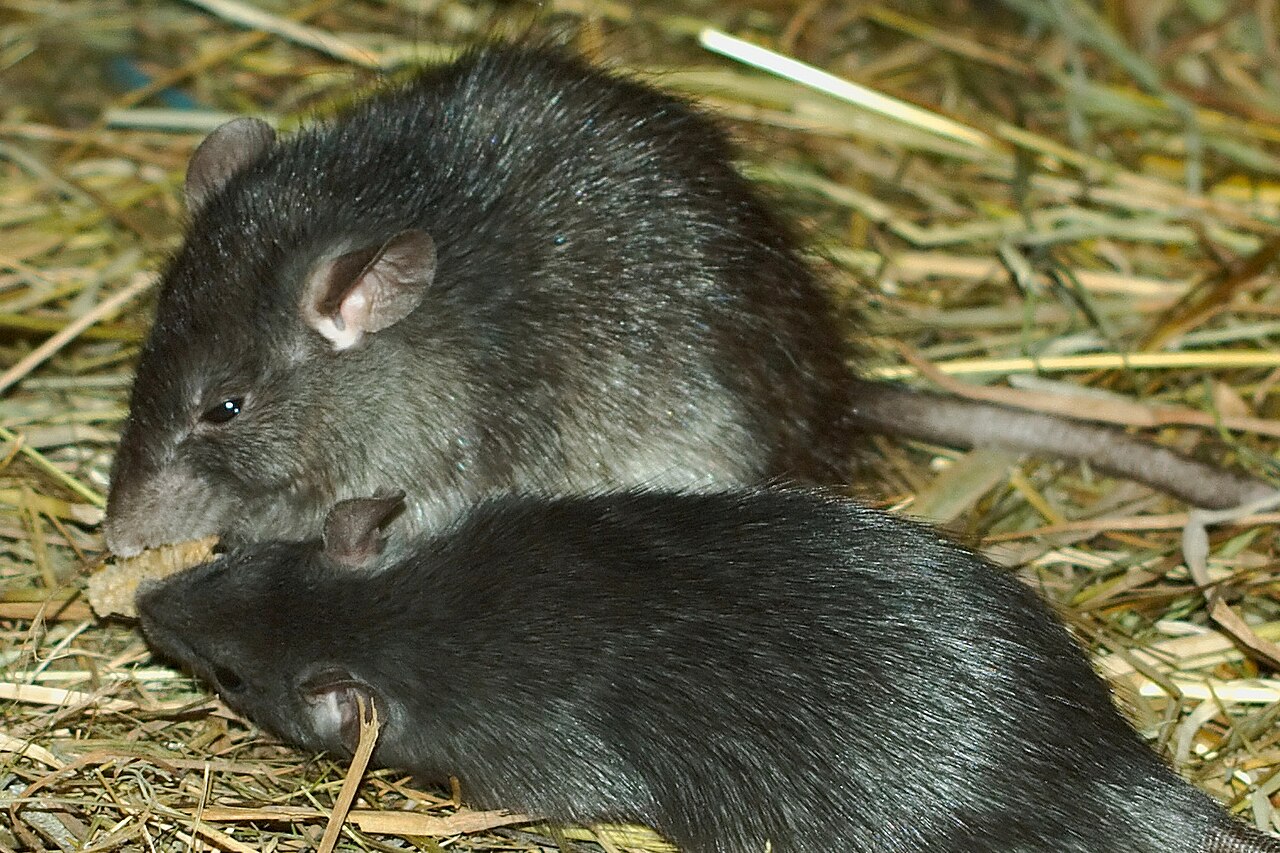
Invasive species cause great damage to ecosystems, the economy and human health, but their impacts are underestimated. These are the main conclusions of a report published by the Intergovernmental Science-Policy Platform on Biological Diversity and Ecosystem Services (IPBES). Three researchers who participated in the document explained their results in an informative session organized by the Science Media Center Spain.

0

Reactions: the fire ant, one of the most invasive species, is already in Europe and may arrive in Spain

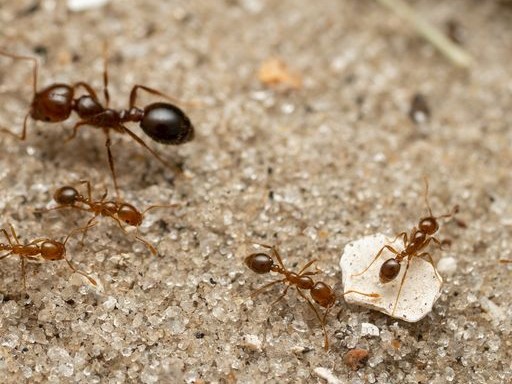
One of the world's most invasive species is Solenopsis invicta, an ant native to South America with a painful sting. In an article published in Current Biology, experts confirm the first official sighting of this species in Europe: 88 nests spread over five hectares near Syracuse in Sicily, Italy. The ants could soon spread across the continent, causing serious environmental, health and economic problems. The study is led by the Institute of Evolutionary Biology (IBE) of the CSIC and the UPF.

0