ecology

ecology

ecology

One lake in the central Amazon reached 41 °C and four others exceeded 37 °C in 2023

Lakes are considered sentinels of climate change, although most research has focused on temperate regions. An international team analysed 10 tropical lakes in the central Amazon during the 2023 drought, which caused high mortality among fish and river dolphins. Using satellite data and hydrodynamic models, the authors show how intense drought and a heatwave combined to raise water temperatures: five of the 10 lakes experienced very high daytime temperatures, exceeding 37°C. Specifically, temperatures in the shallow waters of Lake Tefé soared to 41°C—hotter than a thermal bath. The study is published in Science.

0

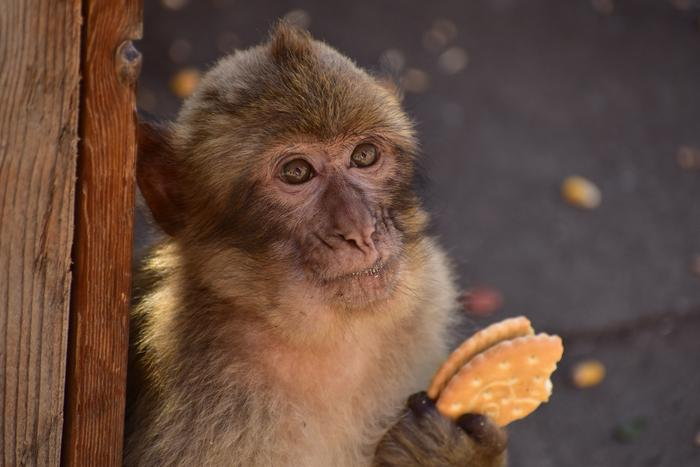
Jane Goodall, icon of primatology and environmentalism, dies

English ethologist Jane Goodall died on Wednesday at the age of 91 in California (United States), where she was participating in a lecture tour. This was announced by the Jane Goodall Institute on its social media. ‘Dr Goodall's discoveries as an ethologist revolutionised science and she was a tireless advocate for the protection and restoration of our natural world,’ the statement said. Her observations and analysis of chimpanzees in the wild over decades were a milestone in primatology.


0

The climate crisis could reduce the population of an important oxygen-producing marine bacterium by up to 50%

The cyanobacterium Prochlorococcus, the smallest and most abundant photosynthetic organism on Earth, is an important producer of oxygen and is crucial to marine ecosystems. A team from the United States has collected data from ships sailing the Pacific Ocean over a ten-year period and concluded that these cyanobacteria could experience population declines of between 17% and 51% in tropical oceans by the year 2100, depending on the warming scenario. The results, which are the product of modeling work, are published in the journal Nature Microbiology and indicate that this microorganism is more vulnerable to climate change than previously thought.

0

The decline of large scavengers could increase the risk of disease for humans

A team from Stanford University (USA) has analysed the conservation status of 1,376 species of scavenger animals. The results, published in the journal PNAS, indicate that 36% of them are threatened or in decline, especially large species and obligate scavengers, which depend exclusively on carrion for food. In contrast, the number of small and facultative scavengers, such as rodents, for which carrion is not their only source of food, is increasing. According to the authors, this ‘could increase the risks of diseases that large scavengers have helped to mitigate’.

0

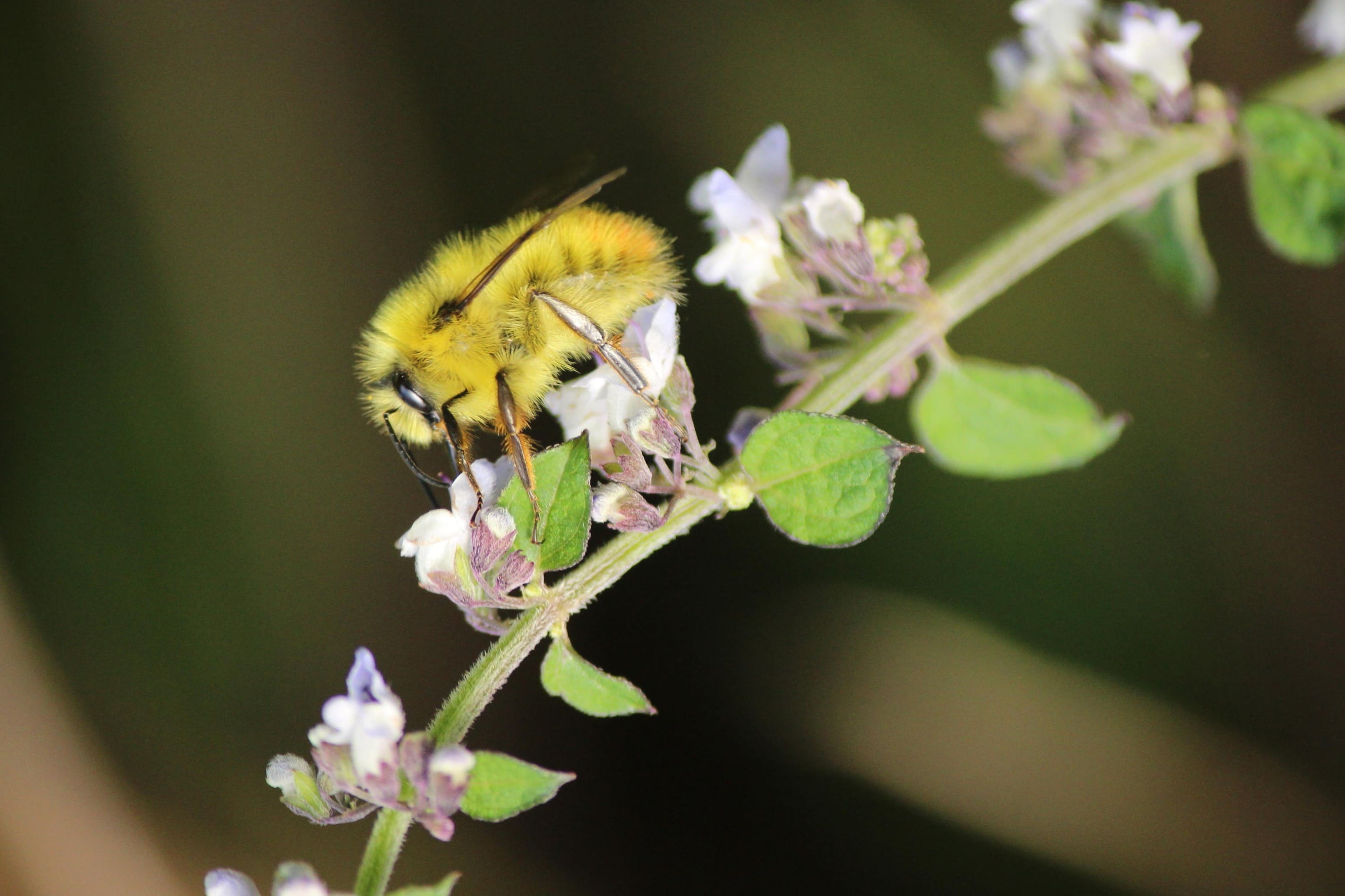
Review the dangers of climate change for plants and the possibilities for adaptation

The changes caused by the climate crisis—such as its impact on rainfall and rising temperatures—are stressful for plants in both wild and agricultural environments. A special issue of the journal Science brings together five articles reviewing this issue, including the adaptations that plants can adopt and that could be applied to combat it.

0

Children and heat: how rising temperatures affect them and how to adapt their environment to climate change

Children will suffer more from the climate crisis than their grandparents. Fifty-two per cent of people born in 2020 will experience unprecedented heat waves throughout their lives, compared to 16 per cent of those born in 1960. This was calculated by a study published in Nature last month, assuming that temperatures rise 1.5 °C above pre-industrial levels. In this article, we analyse the profile of children who already suffer from heat in our country and explain how to adapt their environments to extreme temperatures. 

0

A macro study examines how other species and climate change influence the geographical distribution of brown bears

An international research project involving Spanish participation has analysed the distribution of brown bears in Europe and Turkey. To do this, the team studied more than three million locations belonging to some 3,000 bears, with data from 14 European and Turkish subpopulations in very different environments. The main conclusion is that bears occupy areas where the species that form part of their diet are distributed. The study, published in Global Change Biology, shows that the influence of climate change on these species also has an impact on the distribution of bears.

0

Europe faces a seed dispersal crisis due to changes in animal populations

An international team of researchers has reconstructed the first European seed dispersal network based on a literature review. The data indicate that extinction threats and demographic changes in the animals that disperse them have resulted in 30% of plant species having their dispersers listed as 'high concern.' The lack of seed dispersal could hinder the recovery of declining plant populations. The authors publish their results in the journal Science. 

0