The climate crisis could reduce the population of an important oxygen-producing marine bacterium by up to 50%
The cyanobacterium Prochlorococcus, the smallest and most abundant photosynthetic organism on Earth, is an important producer of oxygen and is crucial to marine ecosystems. A team from the United States has collected data from ships sailing the Pacific Ocean over a ten-year period and concluded that these cyanobacteria could experience population declines of between 17% and 51% in tropical oceans by the year 2100, depending on the warming scenario. The results, which are the product of modeling work, are published in the journal Nature Microbiology and indicate that this microorganism is more vulnerable to climate change than previously thought.
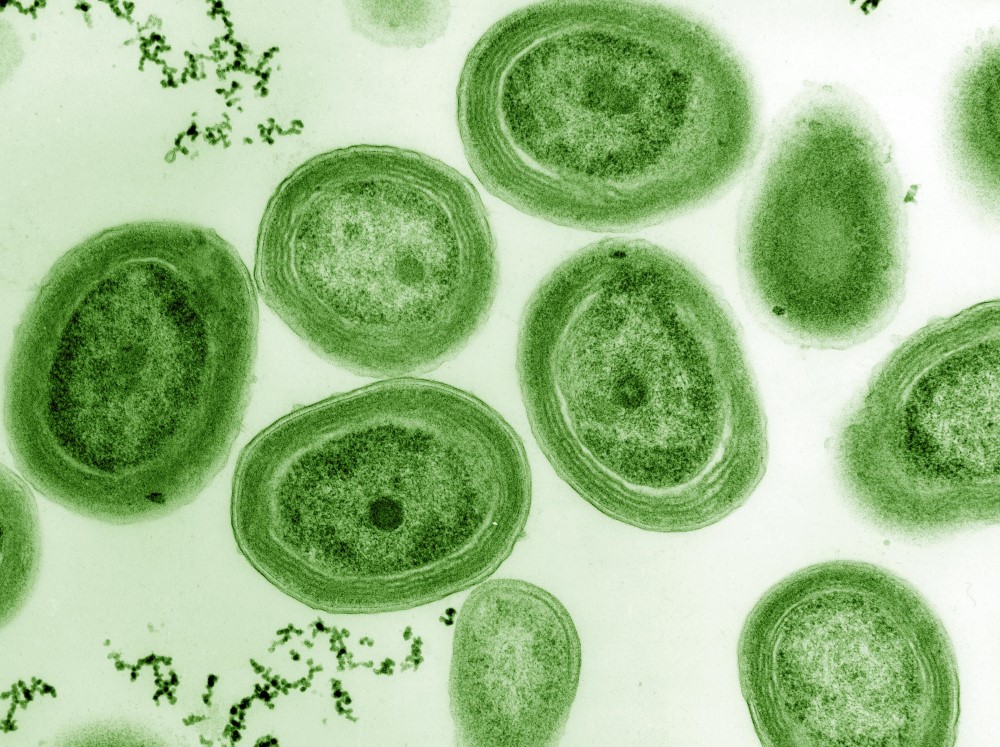
Laura Alonso-Sáez - Prochlorococcus
Laura Alonso-Sáez
Principal researcher of marine ecosystem functioning at AZTI
This article provides solid evidence that Prochlorococcus populations could experience a significant decline in our oceans as a result of climate change in the coming decades. This is particularly relevant given that Prochlorococcus is the most abundant photosynthetic organism on the planet, responsible for almost 10% of primary production in the ocean globally.
A priori, it was thought that rising temperatures and increasing stratification of ocean layers could favor these microorganisms, which typically inhabit warm, nutrient-poor waters. This hypothesis was supported by a previous study that, based on global data on the abundance of Prochlorococcus, estimated that its populations could increase by up to almost 30% by the end of the century. However, the study by Ribalet and colleagues contradicts this view. Through an extensive analysis of Prochlorococcus growth rates in situ, they show that there is a threshold close to 28°C at which its growth decreases dramatically. This will lead to a reduction in its populations of up to 50% depending on the rate of warming.
Although there are limitations in terms of data availability in the warmer areas of the ocean and uncertainty about the possible adaptation of some of its populations to thermal stress conditions, the patterns are robust enough to show that Prochlorococcus is highly vulnerable to the temperature range it will face in the short to medium term. A drastic decline in its abundance could have significant biogeochemical implications that scale up through marine food webs.
Ribalet et al.
- Research article
- Peer reviewed
- Observational study