agri-food

agri-food

agri-food

A study calculates how agricultural employment will change due to the transition to healthier and more sustainable diets

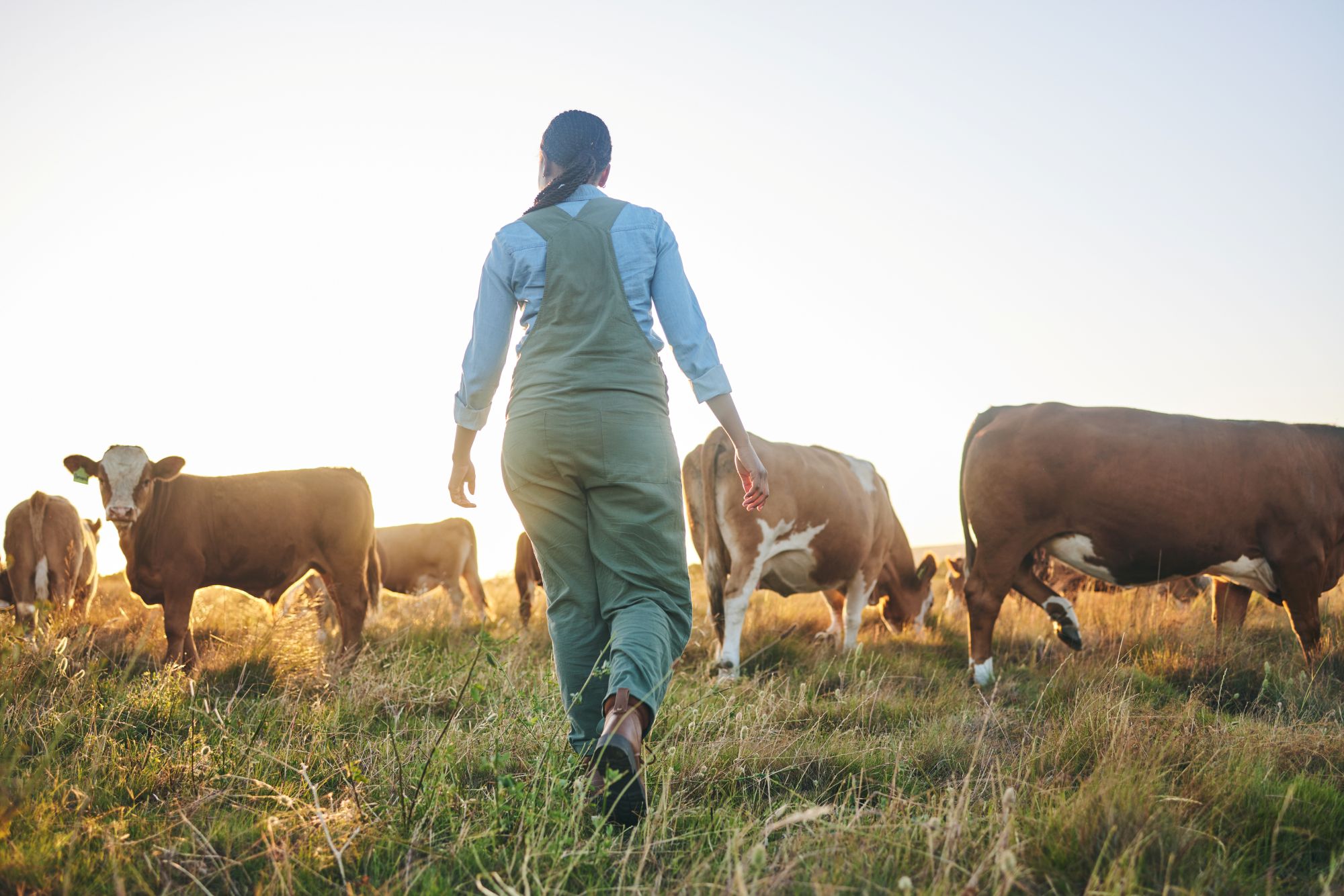
The adoption of plant-based diets could reshape agricultural employment worldwide. This is the main conclusion of an international study that estimates that by 2030, between 5% and 28% less agricultural labour would be needed, i.e. between 18 and 106 million fewer full-time jobs. The countries most affected would be those with agriculture based largely on livestock farming, while others, especially low-income countries, could need between 18 and 56 million more workers to grow fruit, vegetables, legumes and nuts. The study is published in The Lancet Planetary Health.


0

Bananas from the area around the eruption on La Palma are safe and nutritious

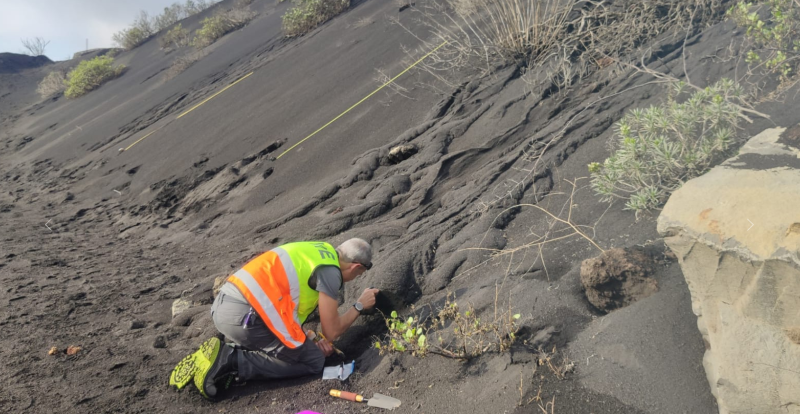
In 2021, the eruption of the Tajogaite volcano on the Canary Island of La Palma caused the loss of 53,000 tonnes of bananas, equivalent to 50% of its production, which is essential to the local economy. Given the potential risk of contamination from ash and magma, a team of researchers from Spanish centres analysed the composition of bananas in the area of the eruption. The study, conducted using mass spectrometry and published in PLOS One, confirms that they are safe and healthy to eat. For most potentially toxic elements, the estimated maximum intake remained below 1% of the tolerable daily intake (TDI) and in no case exceeded 3% of the TDI.

0

Researchers warn of risks of letting bird flu spread in poultry in the US

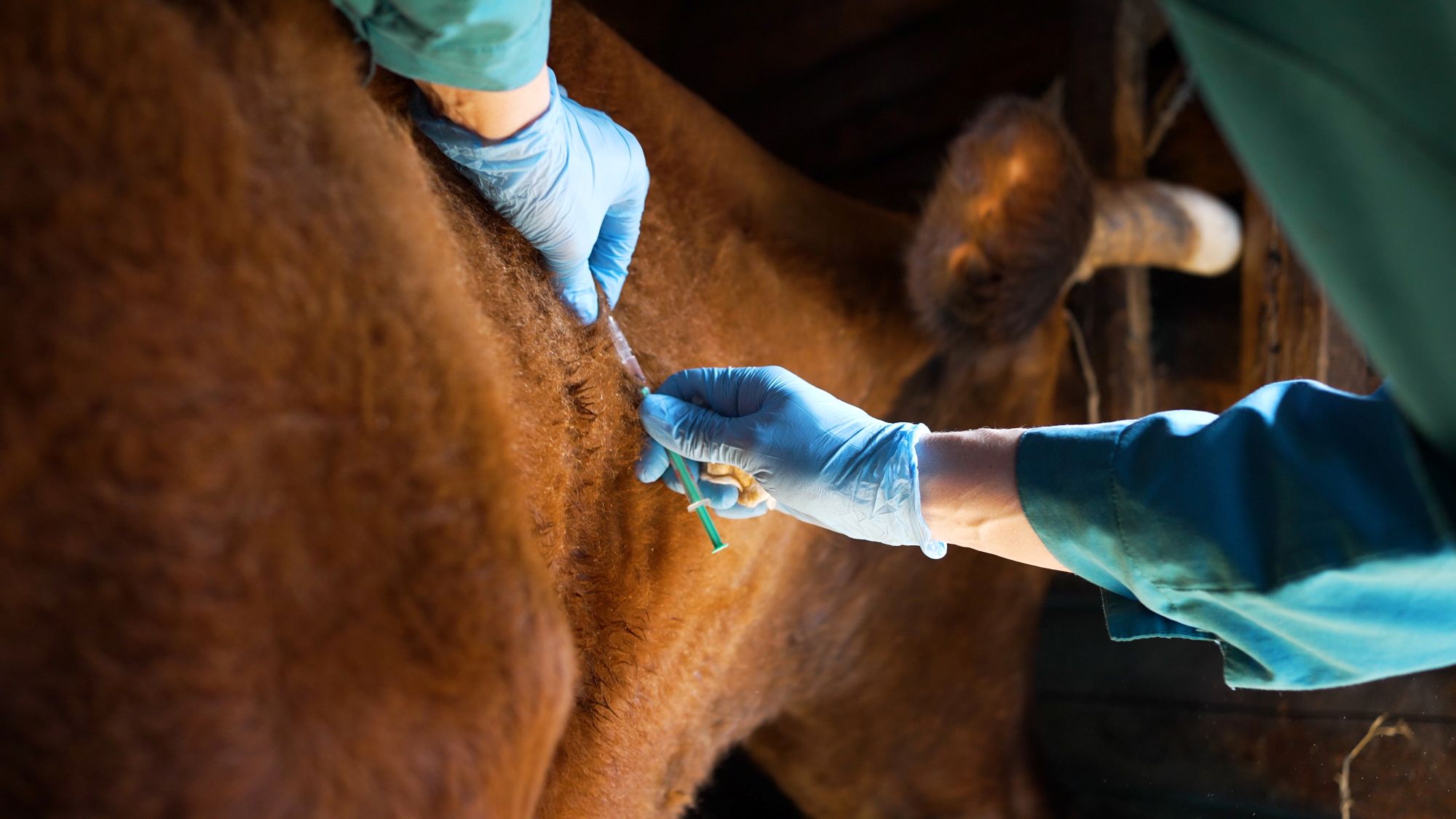
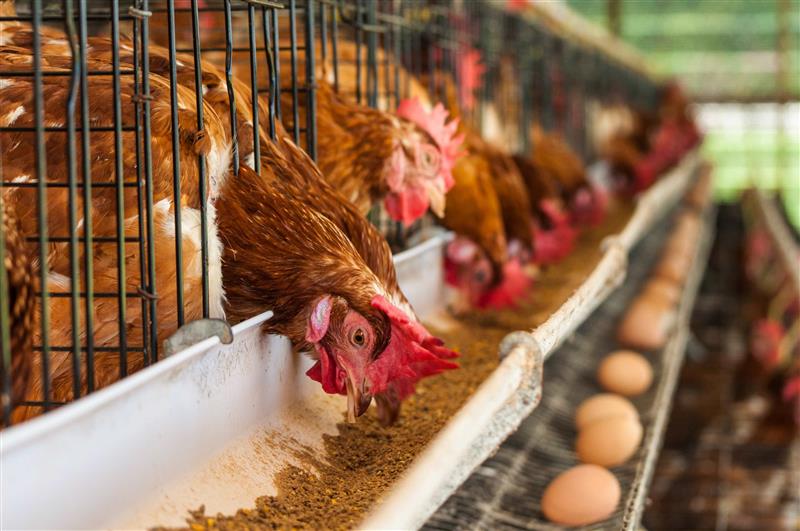
US Department of Health Secretary Robert Kennedy Jr's proposal to let bird flu spread in turkeys and chickens to identify surviving animals would be "dangerous and unethical", a group of scientists warns in a policy forum article published by Science. In addition to the suffering of infected animals, allowing a highly lethal, rapidly evolving and contagious virus to follow a natural course of infection "would prolong exposure for farmworkers, which could increase viral adaptation and transmission risks for poultry, other peridomestic animals, and humans," they warn.

0

15% of the world's crops could be contaminated by heavy metals

Up to 1.4 billion people may be living in areas with soil contaminated by heavy metals such as arsenic, cadmium, cobalt, chromium, copper, nickel and lead, according to research published in Science. The paper, which used data from more than 1,000 studies, estimates that 14-17% of farmland worldwide could be contaminated by at least one toxic metal. Cadmium is the most widespread, especially in South and East Asia, parts of the Middle East and Africa.

0

Agrochemicals, even in non-lethal doses, threaten the survival of non-pest insects

Exposure to agrochemicals, even in doses too low to kill insects, causes significant damage to their behavior, development and reproduction, which is aggravated when the temperature rises, according to a study published in Science. The research analyzes the effects of 1,024 molecules - insecticides, herbicides, fungicides, plant growth inhibitors - on the fruit fly Drosophila melanogaster and on other insects.

0

Nitrous oxide emissions increased by 40 % in 2020 compared to 1980, largely due to agricultural practices

Nitrous oxide is considered one of the three most important greenhouse gases, behind carbon dioxide and methane. According to a report by the Global Carbon Project, emissions of this gas from human activities continue to grow, with a 40% increase over the last four decades - from 2020 to 1980. The research, led by Boston College and published in the journal Earth System Science Data, reveals that in the last decade, agricultural production through the use of nitrogen fertilizers and animal manure contributed 74% of total anthropogenic emissions of this gas.

0

Reactions: Analysis of 2013 data estimates that most CAP funds go to emissions-intensive animal production

Eighty-two percent of EU farm subsidies articulated through the Common Agricultural Policy (CAP) financed high-emission livestock production in 2013, according to a study published in Nature Food. The analysis, which is based on data from 1986 to 2013 - the latest year for which records are available - highlights that 82% went to animal products in the following proportions: 38% directly and 44% for feed production. The authors note that food of animal origin is associated with 84 % of the greenhouse gases emitted by EU food production. 

0

Reactions: Review details impacts of climate change on global wine production

Some 90 % of coastal and lowland wine-growing regions in Spain, Italy, Greece and southern California are at risk from extreme events, such as excessive droughts and heat waves, according to a review published in Nature Reviews Earth & Environment. The article summarises the expected changes and the adaptations that wine producers will need to make.   

0