ageing

ageing

ageing

Moderate coffee consumption may slow biological ageing in people with severe mental disorders, according to a study

Consuming up to four cups of coffee a day is associated with an increase in telomere length in people with severe mental disorders, such as schizophrenia or bipolar disorder. Telomere length is an indicator of cellular ageing and is shorter in people with these disorders, although the causes are not clearly understood. According to the study, published in BMJ Mental Health, the effect shown is comparable to ‘a biological age five years younger’ in coffee drinkers. 

0

Multilingualism protects against accelerated aging, according to a mega-study in 27 European countries

An international team, including Spanish researchers, has analyzed data from more than 86,000 people aged 51 to 90 from 27 European countries and concluded that multilingualism—the habit of speaking more than one language—is associated with a reduced risk of accelerated aging. According to the authors, who published their findings in the journal Nature Aging, “these findings could inform educational and public health policies aimed at promoting cognitive resilience and functional capacity in older populations.”

0

New clues to ovarian ageing discovered

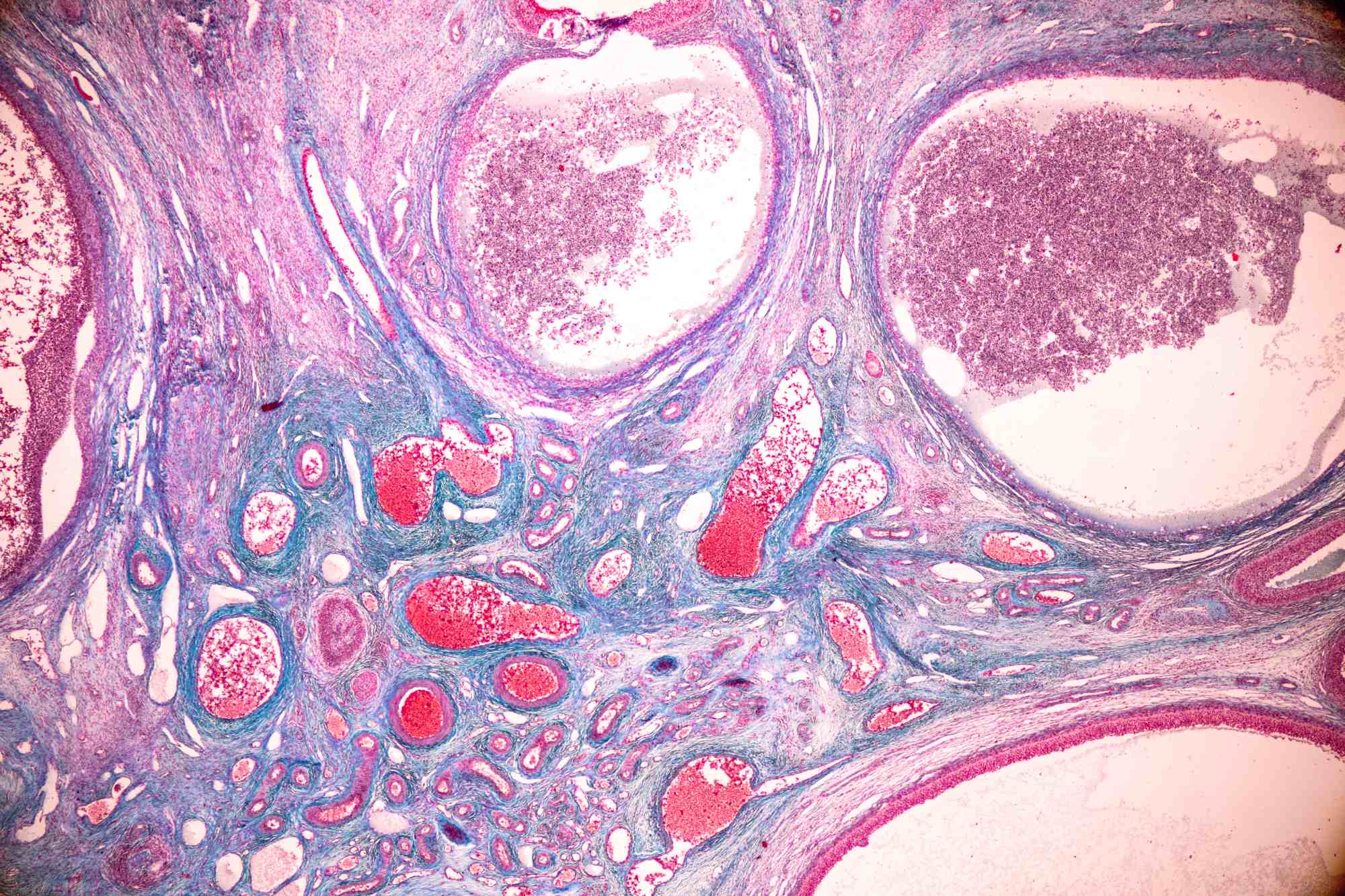
The decline in egg quality has been considered the main cause of declining fertility with age. A new study published in Science shows that the cells and tissues surrounding the oocytes within the human ovary also play a crucial role. They identified 11 types of cells in the ovaries, including nervous system cells, that influence follicle development. In addition, they have discovered that oocytes are grouped into “pockets” within the ovary and that the density within these pockets declines over the years. 

0

Molecular profile of the Spanish supercentenarian who became the oldest person in the world analysed

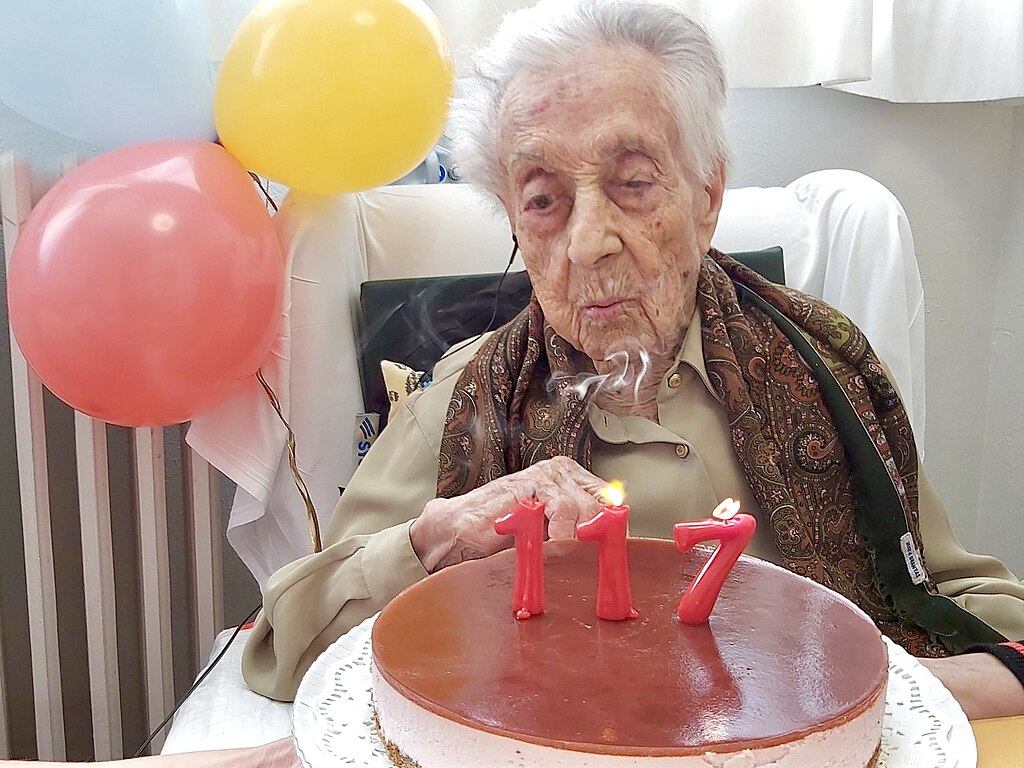
Maria Branyas was considered the oldest person in the world when she died in 2024 at the age of 117. An international team led by the Cancer Epigenetics group at the Josep Carreras Leukaemia Research Institute and the University of Barcelona has analysed her molecular profile, including her genome, metabolome, microbiome and epigenome. "Our results have helped us identify factors that could help many older people live longer, healthier lives," say the researchers, whose work is published in the journal Cell Reports Medicine.

0

A global study shows that physical, social and political factors influence ageing

An international team has analysed data from more than 160,000 people in 40 different countries, including Spain, to study differences in the speed of ageing between regions and the factors responsible. According to the results, European countries show healthier ageing, while low-income countries are associated with accelerated ageing. Protective factors include physical factors such as air quality; social factors such as socioeconomic and gender equality; and sociopolitical factors such as freedom of political parties and democratic elections. The study is published in the journal Nature Medicine.

0

Age-related inflammation does not occur in some non-industrialized populations, which calls into question its universality

Aging is associated with an increase in chronic inflammation, a phenomenon known as inflammaging that is related to different diseases and that was considered universal. Now, an international team has analyzed data on 19 inflammation-associated proteins in four different populations: two industrialized (from Italy and Singapore) and two non-industrialized (the Tsimane population of the Bolivian Amazon and the Orang Asli population of Malaysia). The results show that, at least according to this form of measurement, in the non-industrialized populations there is no increase in inflammation with age, which questions whether this is a biological imperative and indicates that it would depend on lifestyles and social and cultural factors. The paper is published in letter format in Nature Aging

0

Taurine is not a reliable marker of ageing, study shows

Several studies have suggested that taurine concentrations in the blood decrease with age and that supplementation with this amino acid could delay ageing. Now, a study carried out in the USA with Spanish participation, including data from humans, monkeys and mice, shows that this decline is not systematic and that it depends more on individual factors than on ageing, so taurine is not a reliable marker of ageing. The results are published in the journal Science.

0

Cases of skin cancer in people over the age of 65 will increase in the coming decades

Research analyzing data from more than 200 countries concludes that people over the age of 65 will face an increase in skin cancer cases over the next two decades. The study, published in JAMA Dermatology, used data from 1990 to 2021 and made estimates through 2050. Men and people living in countries with higher sociodemographic indices showed a higher incidence.

0

Detected patterns of change in blood cells with age, which could be used to develop anti-ageing therapies

A technique developed under the coordination of researchers from the Centre for Genomic Regulation (CRG) and the Institute for Biomedical Research (IRB) in Barcelona has made it possible to track methylation patterns or “barcodes” in blood cells and construct their epigenetic family tree. This has enabled them to trace their evolution and changes with age, which could be useful for disease prevention and for the study or even development of specific therapies against ageing. The results are published in the journal Nature.

0

The use of technology can reduce the risk of cognitive impairment in people over 50

According to a meta-analysis published in Nature Human Behaviour, the widespread use of digital technology may be associated with lower rates of cognitive decline in people over the age of 50. The results of the study — which analysed 57 studies involving more than 400,000 people with an average age of 69 — seem to contradict the hypothesis that the daily use of technology weakens cognitive ability.

0