infectious diseases

infectious diseases

infectious diseases

A global study shows that almost all countries overuse antibiotics with a high potential to cause resistance

Most countries overuse antibiotics, particularly those with the greatest potential to cause resistance, according to a new study published in the journal The Lancet Public Health using data from 186 countries, including Spain. The study estimated optimal national levels of antibiotic use based on the World Health Organisation’s (WHO) AWaRe guidelines, which classify antibiotics into the ‘access’ group – first-line drugs, such as amoxicillin – the ‘caution’ group – more potent drugs with more restricted use – and the ‘reserve’ group – drugs of last resort, for resistant infections. Of the 67 regions with data on antibiotic use, 72 per cent used quantities exceeding those considered optimal, and 99 per cent overused antibiotics in the ‘caution’ group – those that contribute most to the development of resistance. High-income regions used fewer antibiotics than low- and middle-income regions.

0

A British study warns of a rise in antibiotic-resistant Shigella infections among men who have sex with men

Sexually transmitted variants of the Shigella sonnei bacterium spread more rapidly than other strains, according to a study published in The Lancet Infectious Diseases. This study of more than 3,500 samples collected in the United Kingdom between 2016 and 2021 also observed that strains resulting from sexual transmission were more resistant to the antibiotic azithromycin in men who have sex with men than in other patient groups. The bacterium S. sonnei causes an acute diarrheal infection called shigellosis; it is known to cause traveler’s diarrhea, and over the past two decades, cases have increased as a sexually transmitted disease among men who have sex with men (MSM).

0

The bacterium Vibrio vulnificus is a rare threat in Spain, but one that is potentially serious for vulnerable people

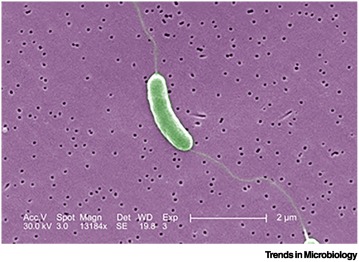
Rising sea temperatures are promoting the spread of Vibrio vulnificus, the marine bacterium nicknamed the “carnivore,” which can cause serious infections. Last summer, the European Center for Disease Prevention and Control (ECDC) warned of an increased risk during the summer months, especially in the Baltic Sea. This bacterium has also been identified along the Spanish coast, but experts explain that swimming in the Mediterranean is safe for the general public, as the bacterium thrives in waters with lower salinity. Even so, they recommend that vulnerable individuals remain vigilant and avoid swimming if they have open wounds.

0

France has confirmed a case of Ebola in a doctor who worked in the Democratic Republic of the Congo

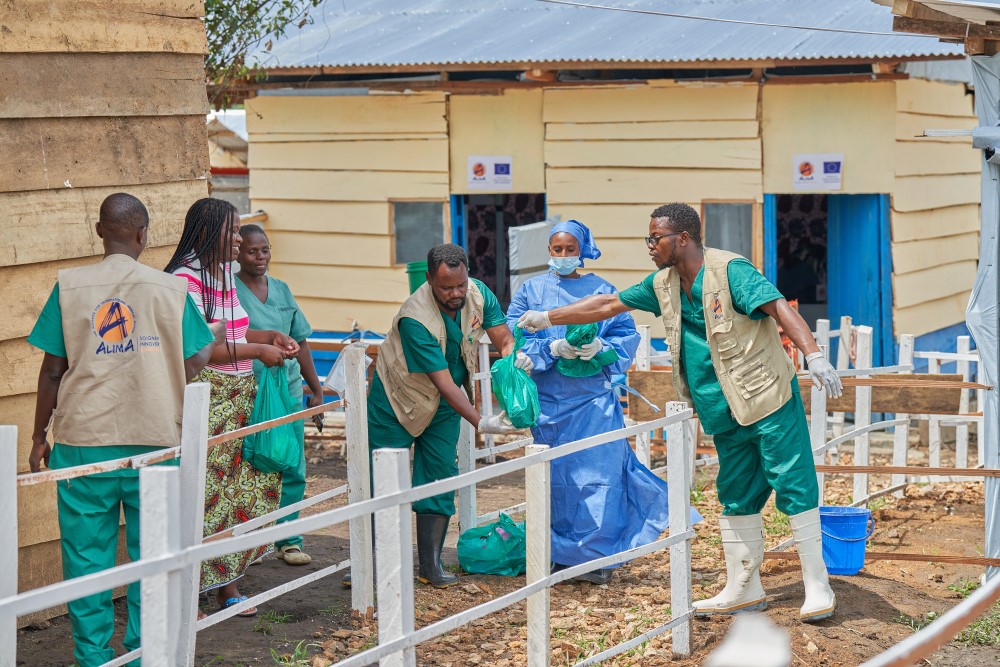
The French Ministry of Health has reported, in a statement, the first case of Ebola in the country. The patient is a doctor who has returned from a humanitarian mission in the Democratic Republic of the Congo, where the outbreak has already claimed 277 lives.


0

Gonorrhoea and syphilis infections reach their highest levels in Europe in more than a decade

The latest reports from the European Centre for Disease Prevention and Control (ECDC) indicate a rise in bacterial sexually transmitted infections (STIs) across Europe. In 2024, notifications of gonorrhoea and syphilis, along with congenital syphilis, reached their highest levels in more than a decade, reflecting sustained transmission across multiple countries. Gonorrhoea has increased by more than 300 % over the past 10 years, with Spain among the countries with the highest rates, while syphilis has risen by around 100 %, with Spain also ranking second highest. Men who have sex with men are the most affected population group for both infections. Congenital syphilis increased by almost 250 %, described as “one of the most concerning findings” by two ECDC experts during the briefing presenting the results. Possible contributing factors include reduced condom use, an increase in sexual partners, as well as higher levels of testing.

0

The WHO has declared the Ebola outbreak in the Democratic Republic of the Congo and Uganda a public health emergency of international concern

Last Saturday, the Director-General of the World Health Organisation (WHO), Tedros Adhanom Ghebreyesus, declared that the Ebola outbreak caused by the Bundibugyo virus in the Democratic Republic of the Congo and Uganda constitutes a public health emergency of international concern (PHEIC), following consultation with the organisation’s member states. By 15 May, 246 suspected cases and 80 deaths had been reported in three health zones: Rwampara, Mongbwalu and Bunia.

0

The cruise ship affected by hantavirus has arrived in Tenerife, where it will anchor to facilitate the repatriation of the passengers and part of the crew

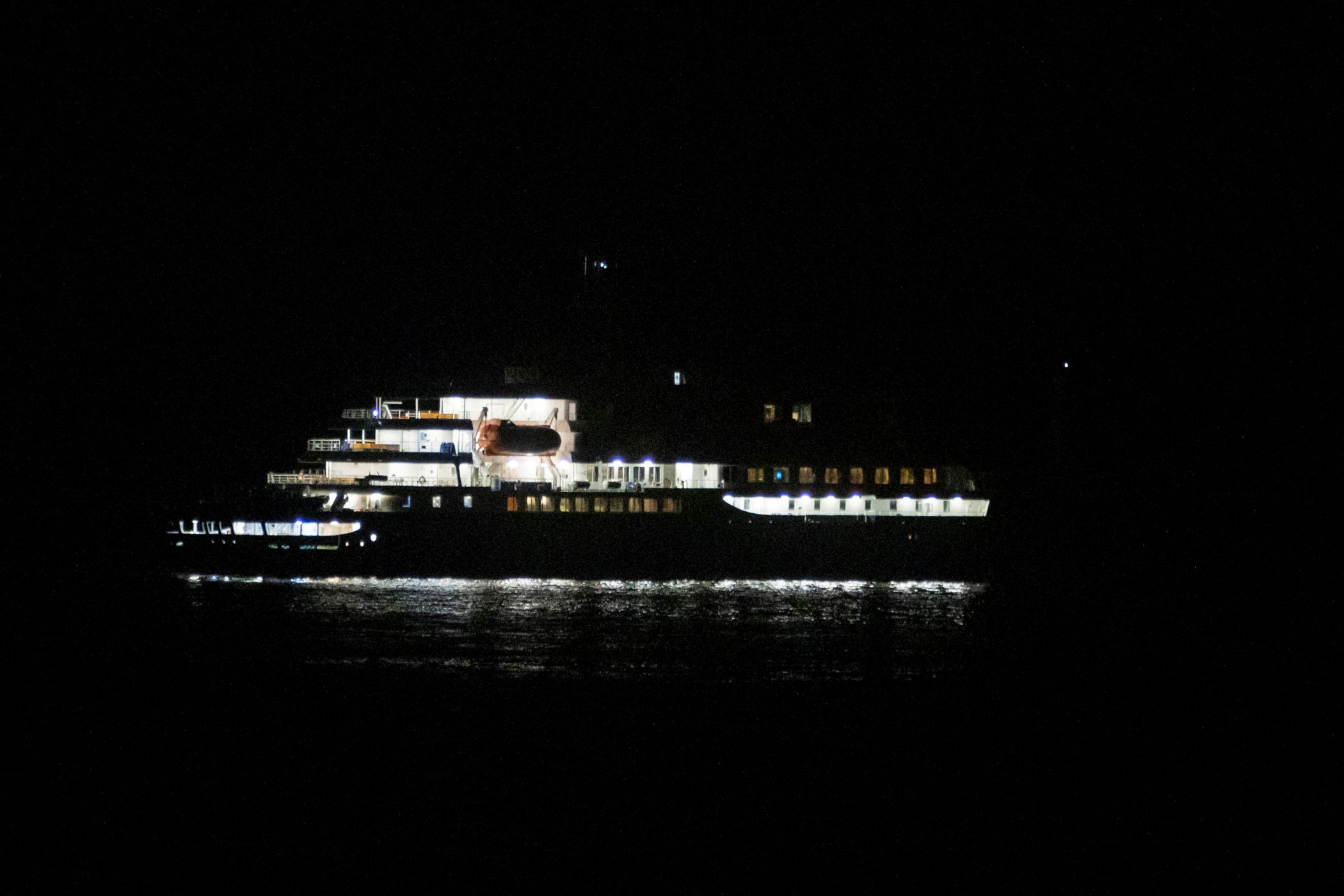
Amid an unprecedented international security and coordination operation, the MV Hondius has arrived at the port of Granadilla, in Tenerife, where epidemiologists and members of the Foreign Health Service will examine the passengers and crew, who have not shown any symptoms of hantavirus so far. Once assessed, they will leave the ship, which is moored in a dock, in small boats to the port, grouped by nationality – they come from 23 different countries. From there, they will board military vehicles to reach Tenerife South Airport, from where they will be repatriated on various flights. The 14 Spaniards and a member of the WHO from Africa are bound for Gómez Ulla Hospital (Madrid) to undergo quarantine. Once the process is complete, the cruise ship will refuel and sail to the Netherlands with part of the crew on board and the body of one of the three fatalities.


0

Spain will receive the cruise ship with an outbreak of hantavirus to the Canary Islands, following a request from the WHO and the EU

The Ministry of Health has announced that Spain will receive the MV Hondius in the Canary Islands “in accordance with international law and the spirit of humanitarianism”. The government is thus responding to a request from the World Health Organisation (WHO) and the European Union for the cruise ship, which is travelling from Argentina and has an outbreak of hantavirus on board, to dock in the Canary Islands, in the port of Granadilla, Tenerife. The European Centre for Disease Prevention and Control has assessed which passengers should be evacuated from the ship to Cape Verde, where it is currently located, and which will continue on to the Canary Islands. Once there, they will be examined and transferred to their home countries in accordance with safety protocols. The cruise ship is expected to arrive in the archipelago in three or four days.

0

The Ministry of Health is awaiting epidemiological data from the cruise ship carrying possible cases of hantavirus in order to decide where it will call

The Ministry of Health has announced on social media that, depending on the epidemiological data gathered from the ship regarding a possible hantavirus outbreak during its stopover in Cape Verde, “a decision will be made as to which port of call is most appropriate”. Various reports suggest that the World Health Organisation (WHO) would have preferred the cruise ship to stop in the Canary Islands. “Until then, the Ministry of Health will not take any decision, as we have made clear to the World Health Organisation,” it stated. Furthermore, the Ministry of Health has indicated that, following a meeting with the WHO, a team of epidemiologists will inspect the vessel this afternoon to assess the condition of those on board, determine whether there are any further cases with symptoms, and identify high-risk and low-risk contacts. “This will aid decisions regarding repatriation procedures and the ship’s route.”


0

Three people die in connection with a possible hantavirus outbreak on a cruise ship that departed from Argentina

The World Health Organization (WHO) has reported a public health event involving a cruise ship sailing in the Atlantic Ocean that departed from Argentina. To date, two cases of hantavirus infection—generally acquired through exposure to the urine or feces of infected rodents—have been laboratory-confirmed, and there are five additional suspected cases. Of these seven individuals, three have died, and one is currently in intensive care in South Africa. “The risk to the general population remains low. There is no reason to panic or impose travel restrictions,” said Hans Henri P. Kluge, WHO Regional Director for Europe.

0