infectious diseases

infectious diseases

infectious diseases

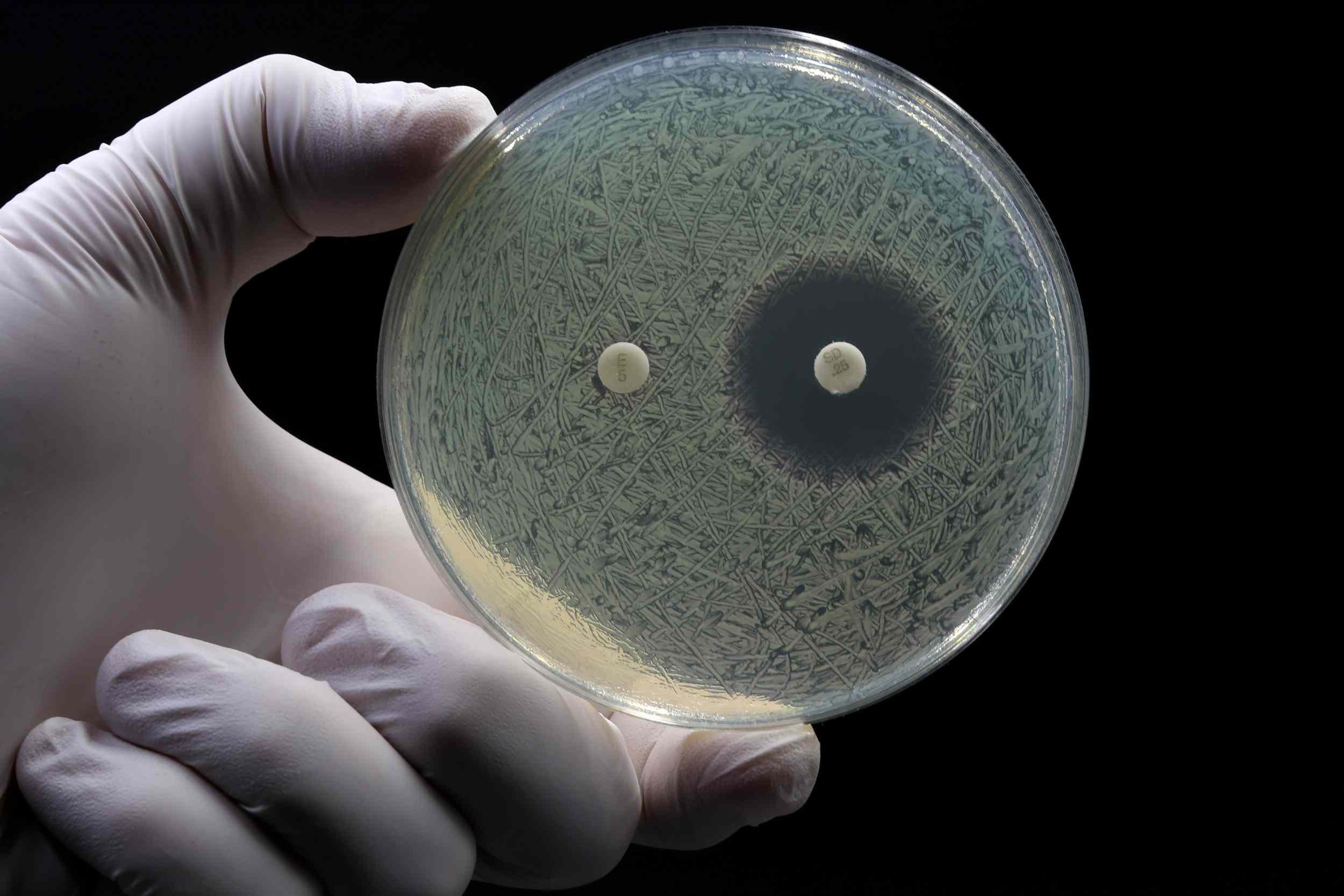
A WHO report warns that one in six confirmed bacterial infections in 2023 was resistant to antibiotics

In 2023, one in six laboratory-confirmed bacterial infections were found to be resistant to antimicrobials, according to a report published by the World Health Organisation (WHO). Between 2018 and 2023, resistance increased in more than 40% of monitored antibiotics, which ‘is limiting empirical treatment options and driving a shift from oral to intravenous treatments, including greater reliance on second-line and last-resort antibiotics,’ the report warns. For example, globally, nearly 45% of Escherichia coli bacteria are resistant to third-generation cephalosporins, a proportion that varies from 20% in Europe to more than 70% in Africa.

0

Global mortality rates are declining, but are rising among young people in some regions

According to the Global Burden of Disease study, and despite deep inequalities between countries, global life expectancy in 2023 was more than 20 years higher than in 1950. However, deaths among young people increased in some regions such as North America, Latin America—due mainly to suicide and drug use—and sub-Saharan Africa—mainly due to infectious diseases and injuries. Researchers also estimate that almost half of all deaths and disabilities could be prevented by modifying some of the main risk factors. The results are published in The Lancet and will be presented at the World Health Summit, being held in Berlin, Germany, from October 12 to 14.

0

Oropouche fever: how concerned should we be about the spread of this disease?

The Pan American Health Organisation has maintained its epidemiological alert for Oropouche fever since it was first issued in February 2024. Although the virus only circulates endemically in the Americas, the importation of cases to Europe following international travel is keeping health agencies and authorities on alert.

0

New antimalarial compounds identified that kill parasites in the mosquito vector

A study has identified and tested 22 compounds that inhibit the development of Plasmodium falciparum—one of the parasites that cause malaria—in the mosquitoes that transmit it. The most effective molecule killed 100% of the parasites present within six minutes, even in insecticide-resistant mosquitoes, according to the study published in Nature. These compounds could be used to treat bed nets.

0

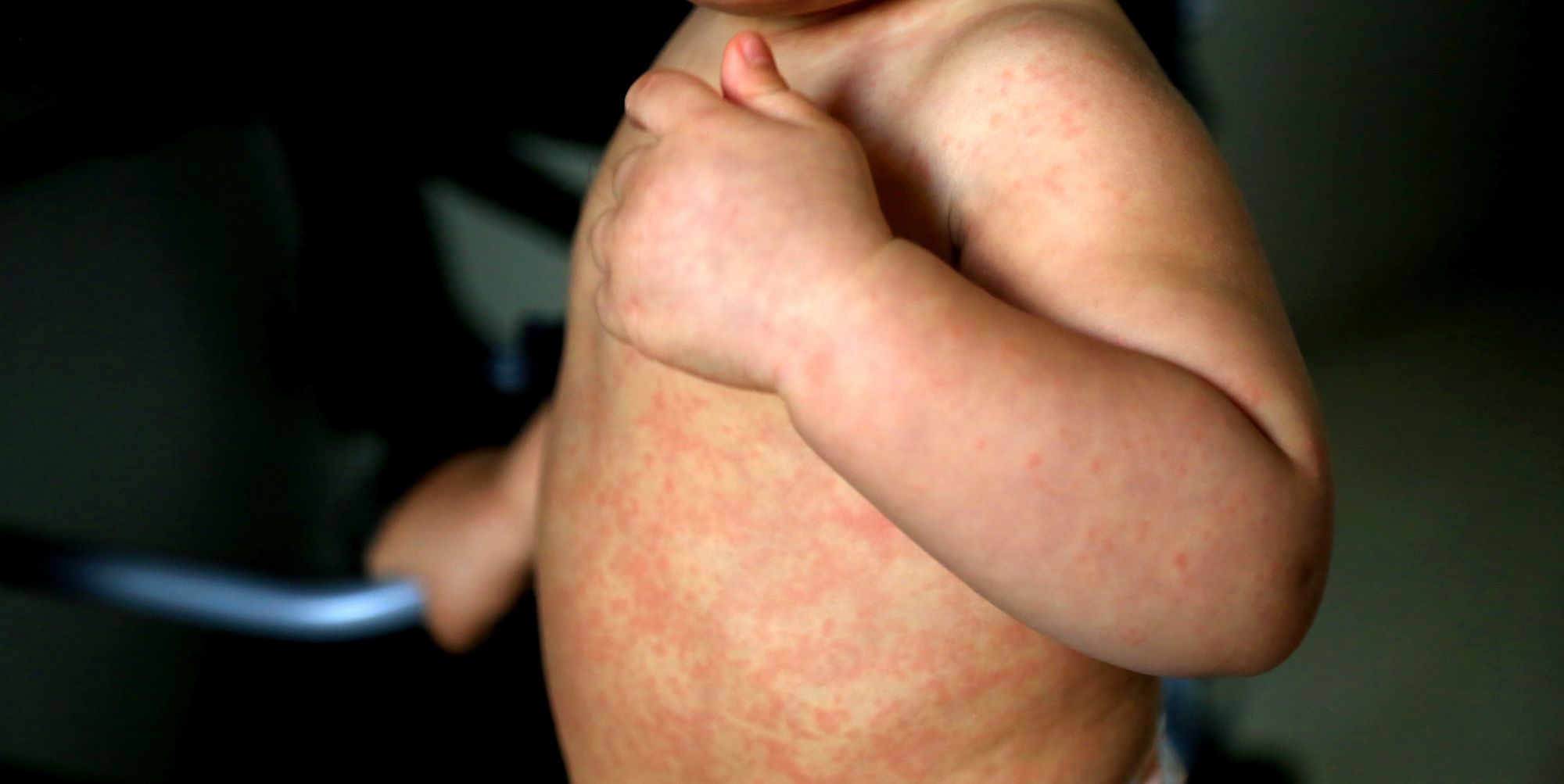
Measles cases on the rise in Spain: what is the concern and what measures should be taken?

From 1 January to 23 February 2025, more than half as many cases of measles had already been reported in Spain as in the previous year. To analyse the causes of this spike, assess the seriousness of the situation and the measures to be taken, the Science Media Centre Spain organised a briefing with Noemí López Perea, researcher at the National Epidemiology Centre (CNE-ISCIII), Fernando Moraga-Llop, paediatrician, spokesperson and senior member of the Spanish Vaccinology Association (AEV), and María del Mar Tomás, spokesperson of the Spanish Society of Infectious Diseases and Clinical Microbiology (SEIMC).

0

Paediatric HIV, a major challenge on World AIDS Day

In the context of World AIDS Day, which is celebrated on 1 December, it is essential to reflect on one of the most urgent challenges in the fight against this disease: HIV in the paediatric population. A project led by the Complutense University of Madrid seeks to reduce paediatric mortality by training research leaders in sub-Saharan Africa and applying technology and innovation.

1

Questions and answers on the Marburg virus outbreak in Rwanda

In Rwanda, according to the latest ECDC data, 25 cases and 11 deaths have been detected in what is already the third largest outbreak of the Marburg virus to date. The WHO considers the overall risk to be low and possible imported cases from Belgium and Germany - reported only yesterday in Hamburg - have proved to be false alarms. What is of concern is the national and regional spread of a virus for which mortality can be as high as 88% and for which there is no treatment or vaccine. In this article we answer the main questions.

0

High-risk Human Papillomavirus (HPV) genotypes linked to reduced male fertility

The sperm of men infected with high-risk genotypes of the human papillomavirus (HPV) suffers more damage from oxidative stress and has a weaker immune response, which can lead to reduced fertility. This is one of the conclusions of a study published in the journal Frontiers in Cellular and Infection Microbiology. The research compared the semen of 20 adults infected with high-risk genotypes, seven infected with low-risk genotypes, and 43 adults without infections.

0