antibiotics

antibiotics

antibiotics

A global study shows that almost all countries overuse antibiotics with a high potential to cause resistance
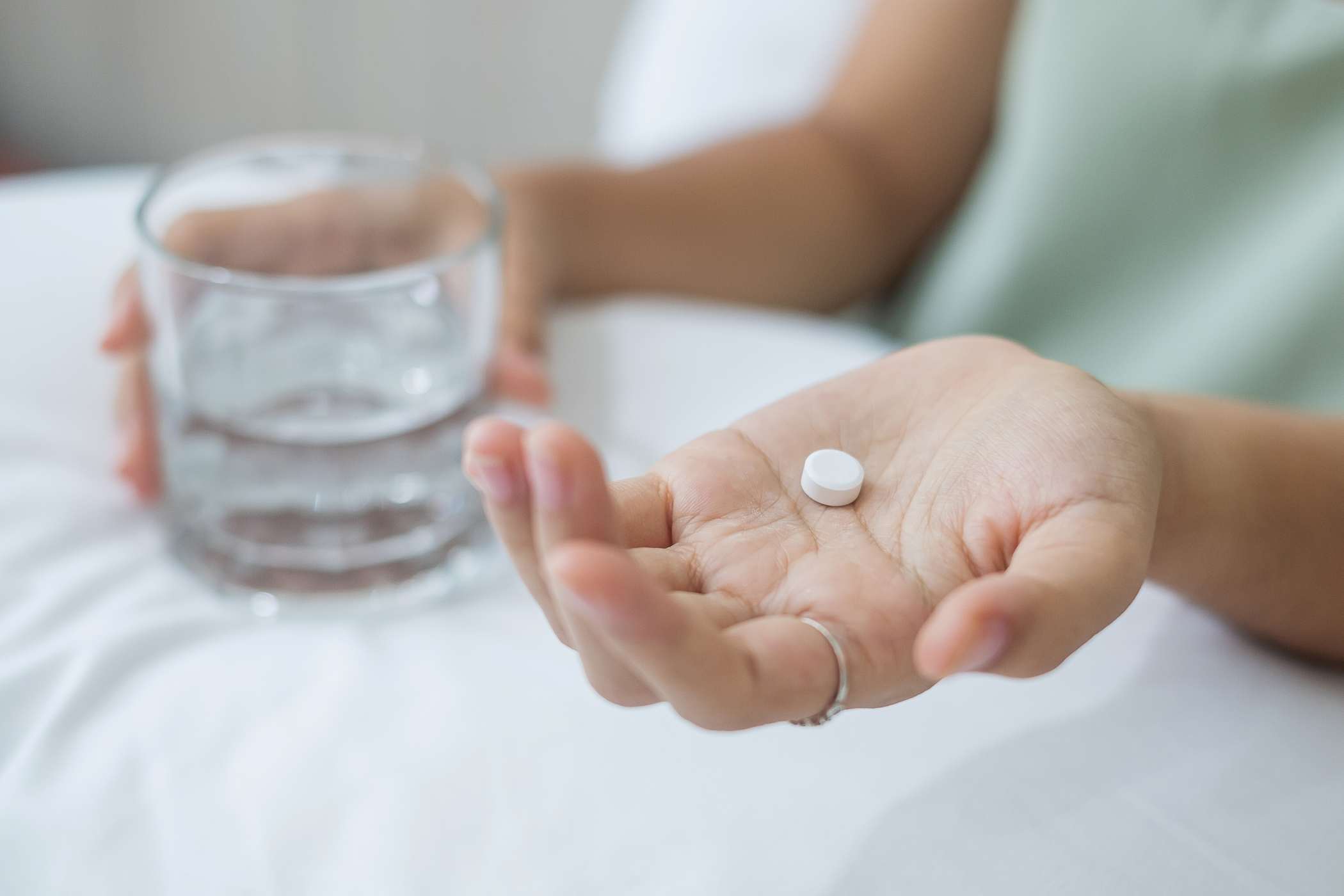
Most countries overuse antibiotics, particularly those with the greatest potential to cause resistance, according to a new study published in the journal The Lancet Public Health using data from 186 countries, including Spain. The study estimated optimal national levels of antibiotic use based on the World Health Organisation’s (WHO) AWaRe guidelines, which classify antibiotics into the ‘access’ group – first-line drugs, such as amoxicillin – the ‘caution’ group – more potent drugs with more restricted use – and the ‘reserve’ group – drugs of last resort, for resistant infections. Of the 67 regions with data on antibiotic use, 72 per cent used quantities exceeding those considered optimal, and 99 per cent overused antibiotics in the ‘caution’ group – those that contribute most to the development of resistance. High-income regions used fewer antibiotics than low- and middle-income regions.


0

A British study warns of a rise in antibiotic-resistant Shigella infections among men who have sex with men

Sexually transmitted variants of the Shigella sonnei bacterium spread more rapidly than other strains, according to a study published in The Lancet Infectious Diseases. This study of more than 3,500 samples collected in the United Kingdom between 2016 and 2021 also observed that strains resulting from sexual transmission were more resistant to the antibiotic azithromycin in men who have sex with men than in other patient groups. The bacterium S. sonnei causes an acute diarrheal infection called shigellosis; it is known to cause traveler’s diarrhea, and over the past two decades, cases have increased as a sexually transmitted disease among men who have sex with men (MSM).

0

Researchers observe link between drought and antibiotic resistance in soil bacteria

Drought is linked to the growth of antibiotic-resistant bacteria in the soil, according to a study published in Nature Microbiology. Using data from hospitals in 116 countries, the study observes a link between local aridity and the prevalence of antibiotic-resistant bacteria, although the research does not prove a causal relationship between the two phenomena.

0

Phase 3 trial shows efficacy of new antibiotic against gonorrhoea

One oral dose of zoliflodacin—a new antibiotic—is as effective as the current treatment for uncomplicated urogenital gonorrhoea, according to the results of a phase 3 clinical trial published in The Lancet. In some parts of the world, the bacteria that cause gonorrhoea have developed resistance to the current treatment, which combines an injection of ceftriaxone and an oral dose of azithromycin. Zoliflodacin could be an alternative to this treatment, concludes the study, which included 900 people from five countries.

0

A WHO report warns that one in six confirmed bacterial infections in 2023 was resistant to antibiotics

In 2023, one in six laboratory-confirmed bacterial infections were found to be resistant to antimicrobials, according to a report published by the World Health Organisation (WHO). Between 2018 and 2023, resistance increased in more than 40% of monitored antibiotics, which ‘is limiting empirical treatment options and driving a shift from oral to intravenous treatments, including greater reliance on second-line and last-resort antibiotics,’ the report warns. For example, globally, nearly 45% of Escherichia coli bacteria are resistant to third-generation cephalosporins, a proportion that varies from 20% in Europe to more than 70% in Africa.

0

The meningococcal B vaccine may provide partial protection against gonorrhoea

Gonorrhoea is the second most common sexually transmitted disease in the world, with 80 million cases each year. There is no effective vaccine, and the bacteria responsible are becoming resistant to common antibiotics. Some studies have suggested that the meningococcal B vaccine, a unrelated bacterium, may offer partial protection against gonorrhoea. Now, an Italian team has identified 17 antibodies that could explain this cross-immunity, which, according to the authors, could be used to develop treatments and vaccines. The results are published in the journal Science Translational Medicine.

0

WHO estimates impact of vaccines in reducing deaths from antimicrobial resistance

Antimicrobial resistance caused around 5 million deaths worldwide in 2019. The use of vaccines has the potential to reduce these deaths - 515,000 fewer deaths per year - according to a report published by the WHO. The work focused on 24 pathogens and 44 vaccines, licensed by regulatory agencies, in clinical development or in development. By counting existing vaccines alone, antibiotic use could be reduced by 142 million daily doses per year.  

0

Reaction: New synthetic antimicrobial developed that is effective against multidrug-resistant bacteria

Cresomycin, a new synthetic molecule, exhibits robust efficacy against multiple evolutionarily divergent forms of antimicrobial resistance (AMR), according to a study published today in Science. By structurally analyzing how antibiotics bind to ribosomes of various bacterial species, researchers developed a new antibiotic molecule that adopts the exact conformation necessary for ribosomal binding.

0

Reaction: Phase 1 trial tests fecal transplantation to reduce antibiotic-resistant bacteria in susceptible individuals

The risk of developing resistant bacteria is higher in some people, such as those who have to take long-term antibiotics after organ transplantation. To try to reduce them, a phase 1 clinical trial has performed a fecal transplant on 10 people who had previously received a kidney transplant and had resistant bacteria. The fecal transplants accelerated decolonization, shortened the time it took to test negative for multidrug-resistant organisms, and, according to the authors, may also "reduce the recurrence of infections." The results are published in the journal Science Translational Medicine.

0