microbiome

microbiome

microbiome

A study shows that changes in the gut microbiome can identify people at risk of developing Parkinson's disease

One of the best-known genetic risk factors for developing Parkinson’s disease is carrying variants of the GBA1 gene. A new study published in the journal Nature Medicine compared the microbiomes of 43 carriers of this gene who had not developed the disease with those of 271 Parkinson’s patients and 150 healthy individuals. The results showed, in addition to alterations in the microbiome in the patient group, that 25% of the microbiome of carriers of this gene exhibited alterations, representing an intermediate profile between the other two groups. The results were validated using independent cohorts from the United Kingdom, South Korea, and Turkey. According to the authors, “alterations in the gut microbiome can identify individuals with both genetic and non-genetic risk in the general population who may be progressing toward Parkinson’s disease.”
 

0

An opinion piece refutes studies linking gut microbiota and autism

There is no solid scientific evidence that alterations in the gut microbiota cause autism, according to an opinion piece published in the scientific journal Neuron. The research supporting this hypothesis—observational studies and clinical trials in humans, as well as mouse models—has both conceptual and methodological shortcomings, the authors write.

0

Gut bacteria engineered as a possible treatment for kidney stones

Researchers have modified a bacterium to colonise the gut microbiota and treat kidney stones. They genetically engineered Phocaeicola vulgatus to make it able to break down oxalate molecules, a cause of recurrent kidney stones, and consume a specific nutrient called porphyrin. In mice and in preclinical trials in healthy people, this reduces oxalate levels, the authors report in the journal Science.

0

A study in mice suggests that faecal microbiota transplantation could have unexpected effects on other areas of the digestive system

An international study has warned of the potential risks of widespread use of faecal microbiota transplantation without taking into account the region of the intestine where the transferred microbes arrive. The experiment, conducted on mice and human tissue samples, showed that the microbes from the transplant—mostly anaerobic microbes from the colon—colonised the small intestine, persisted there for months and modified that new environment, causing changes in the host's metabolism. According to the authors, whose study is published in the journal Cell, this may have long-lasting and unforeseen consequences, as well as imbalances in the intestinal ecosystem of patients.


0

Transplanting faeces from elite athletes improves metabolic parameters in mice

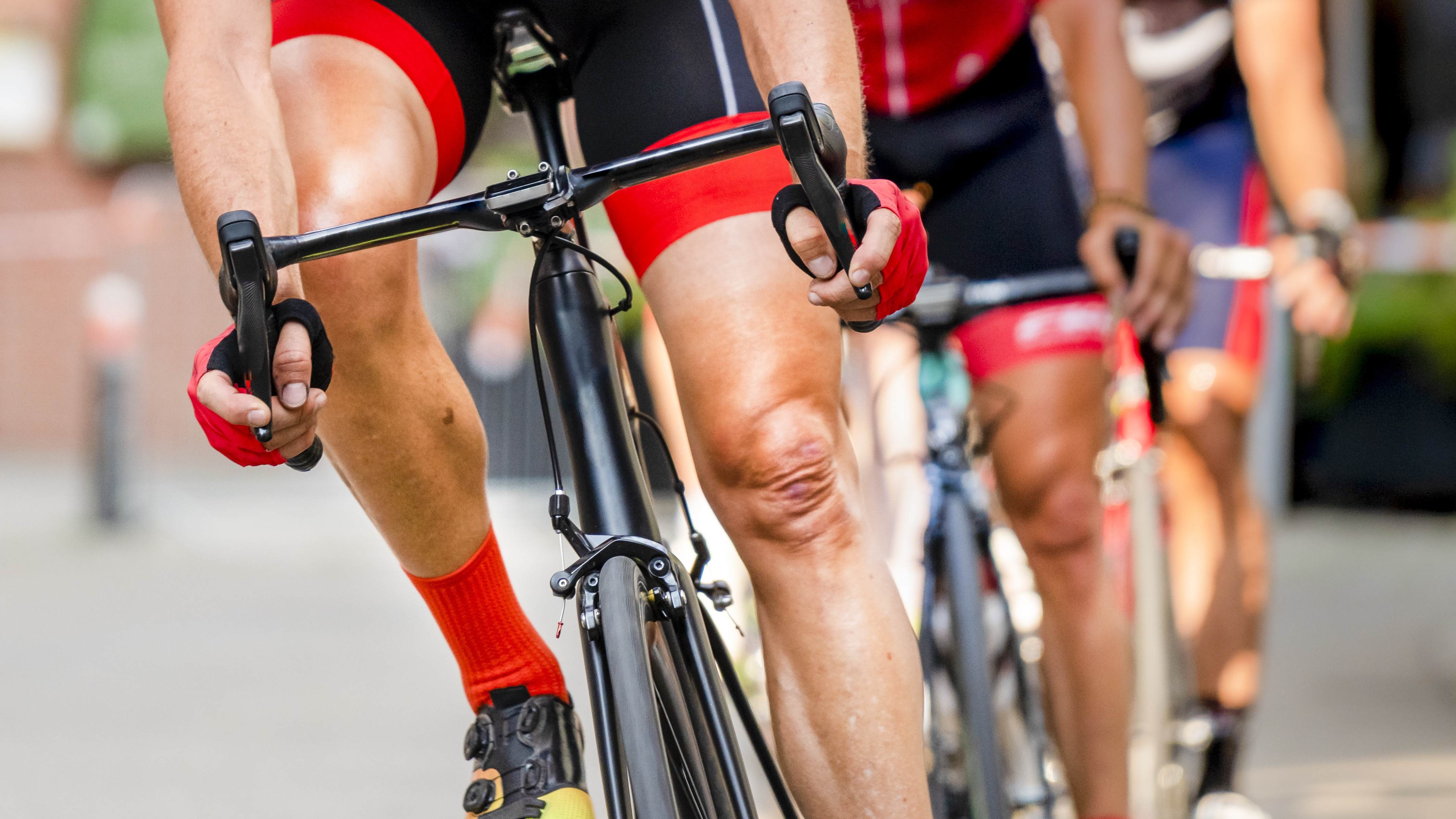
A team from France has studied the intestinal microbiota of elite athletes with high aerobic capacity (footballers and cyclists). The data indicates that they have less bacterial diversity and that the transplantation of faeces from athletes to mice improves metabolic parameters such as insulin sensitivity and glycogen deposits in the muscles. The results are published in the journal Cell Reports.

0

Specific species of microbiota associated with severity of multiple sclerosis

A team from the University of Iowa (USA) has found a relationship between specific species of microbiota bacteria and the severity of multiple sclerosis. Specifically, a lower ratio between the quantities of Bifidobacterium and Akkermansia was related to the disease and to a worse course of the disease, both in mice and in two cohorts of patients and people without the disease. According to the authors, who publish the results in the journal PNAS, the finding could be used to improve the diagnosis and treatment of multiple sclerosis.

0

Synthetic microbiome therapy eliminates intestinal infection in mice without using antibiotics

A synthetic microbiome therapy, tested on mice, protects against the severe symptoms of a difficult-to-treat and potentially fatal intestinal infection in humans: Clostridioides difficile. Although inspired by the idea of human faecal transplants, the new approach does not require faecal matter. Instead, it uses fewer, but more precise, bacterial strains. The study is published in the journal Cell Host & Microbe.

0

Genital microbiome could help identify sexual offenders

‘Bacterial signatures’ from genital areas could serve as a forensic tool to identify perpetrators of sexual assault, even if there is no trace of sperm, according to a study published in the journal iScience, by the Cell group. After sequencing the DNA of bacteria from genital samples from 12 stable couples, the authors show that a transfer of bacterial species occurs during intercourse, allowing the identification of each person’s own genital microbiome or ‘sexome’.

0

Children who grow up with pets or on farms may develop fewer allergies because of their microbiota

An analysis of the gut microbiota of children growing up on farms or with pets shows that early establishment of anaerobic commensal bacteria is associated with lower rates of allergy later in life. The study, which used data from 65 children aged between three days and 18 months, is published in the journal PLOS ONE

0