microbiome

microbiome

microbiome

Reactions: study explores how reduced microbiota transfer between mothers and babies born by c-section is compensated

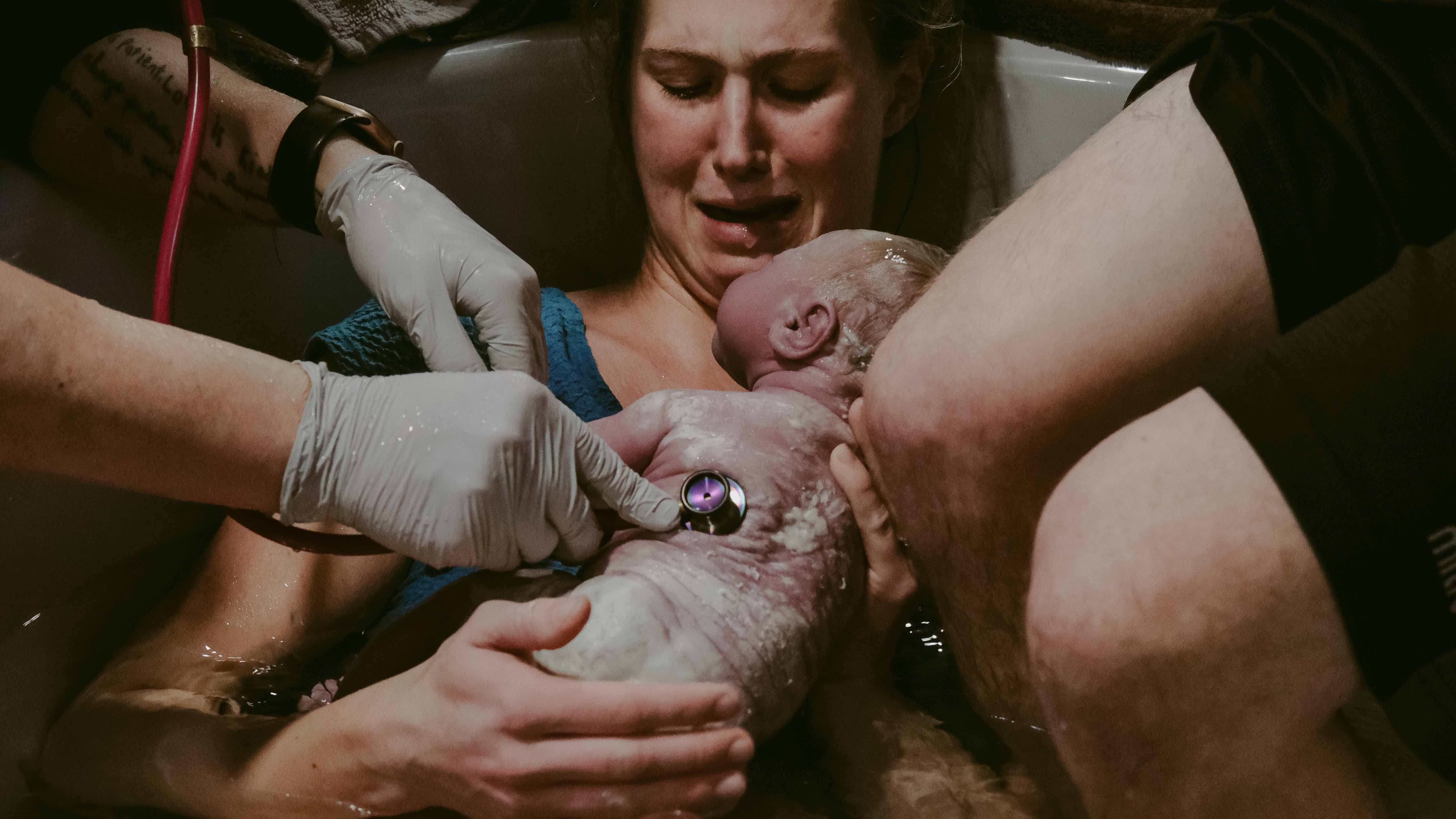
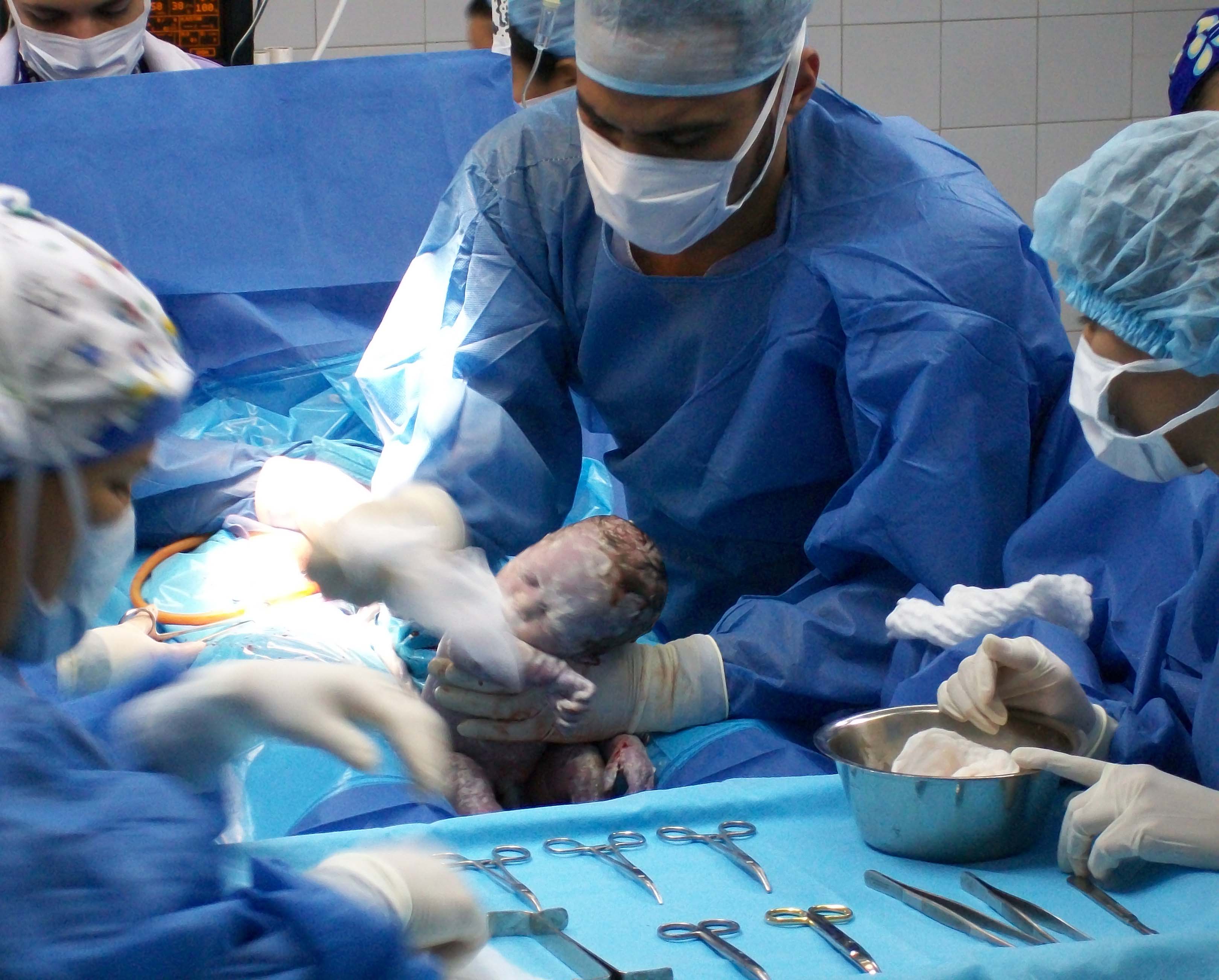
About 58.5% of a baby's microbiota come from various parts of its mother's body, according to a study of the transmission of microbes between mother and child in the first month of life. The research, published in Cell Host & Microbe, is based on samples collected from 120 mother-baby pairs, with material from their nose/throat, saliva, skin, milk, vagina and faeces. It compares babies born by caesarean section and vaginally, and confirms that the reduced transfer of faecal microbes in caesarean births can be partially compensated by other transmission routes, such as breastfeeding.

0

Reactions: two studies link microbiome changes to chronic fatigue syndrome

Two studies have found changes in the microbiome of patients affected by chronic fatigue syndrome. In particular, they have found a decrease in both butyrate and certain bacteria that produce butyrate. Butyrate is a factor related to the protection of the intestinal barrier and appears to play a role in the regulation of the immune system. Both papers are published in the journal Cell Host and Microbe.

0

Reactions to the study exploring how the microbiome is transmitted by social contact

An international team including researchers from Spain has analysed the level of exchange of microbial strains between different generations (vertical transmission) and between people who share a household or are close contacts (horizontal transmission). The analysis, published in the journal Nature, is based on about 9,700 microbiome samples from the faeces and saliva of people with different lifestyles from countries. According to the research, the transmission of bacteria is more frequent for the mouth microbiome than for the gut microbiome among people living together.   

0

Reactions: Mother's microbiota may pass genes to baby's microbiota by horizontal transfer

The establishment of the baby's microbiota occurs around the time of birth, when it receives bacteria directly from the mother. A study in the journal Cell suggests that genes can also be transmitted between them by horizontal transfer, without the need for the passage of these micro-organisms.

0

Reaction: Study suggests infants born by caesarean section respond worse to some vaccines because of changes in the microbiome

A study has found a link between caesarean delivery and changes in the microbiome, as well as a reduced response to pneumococcal and meningococcal vaccines in children. The results are published in the journal Nature Communications.

0