
University of Oviedo
If you are the contact person for this centre and you wish to make any changes, please contact us.
Ramón y Cajal researcher in the Department of Biochemistry and Molecular Biology of the University of Oviedo.
Senior Lecturer in the Department of Zoology at the University of Oviedo
Researcher at the Mixed Institute for Biodiversity Research (IMIB), CSIC-University of Oviedo-Principality of Asturias
Assistant Professor in the Department of Philosophy at the University of Oviedo
Permanent lecturer in the Department of Philosophy, University of Oviedo
Senior scientist at the CSIC and head of the Department of Biodiversity and Global Change of the Joint Institute for Biodiversity Research (University of Oviedo-CSIC)
Full Professor at the University of Oviedo in the area of “Computer Languages and Systems”
Researcher in the Department of Biochemistry and Molecular Biology
Member of the Department of Neurology, Stroke Unit of the Central University Hospital of Asturias (HUCA) and Associate Professor of Health Sciences, University of Oviedo
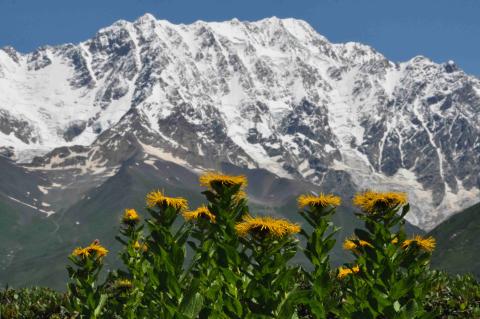
The peaks of European mountains such as the Pyrenees or the Sierra Nevada may be gaining plant species as the climate warms, but this apparent increase in biodiversity is masking a growing wave of local extinctions. These are the main conclusions of a study published in the journal Science, which includes Spanish participation and analyses nearly a thousand vegetation plots spread across 62 European mountain peaks. The reason is that higher-altitude mountain regions have gained plant species in recent decades as plants from lower altitudes have expanded up the slopes, but this may mask the decline or disappearance of specialised, high-altitude resident species.
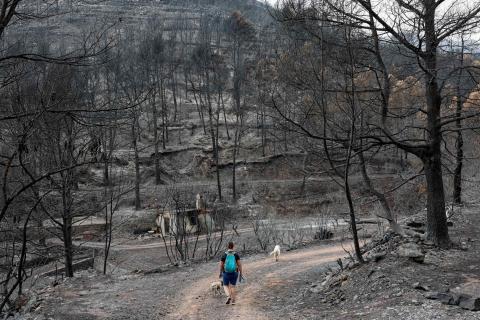
So far this year, up to 20 August, 262,000 hectares have been burnt in Spain, compared with the average of 105,600 hectares burnt between 2015 and 2024. Large-scale wildfires, exacerbated by climate change, are increasing both in frequency and in the area affected. But what happens in the forests after a fire? Can the woodland regenerate on its own? What criteria should be followed? We analyse, with the help of experts, how these ecosystems recover and what measures are taken to protect and restore them.
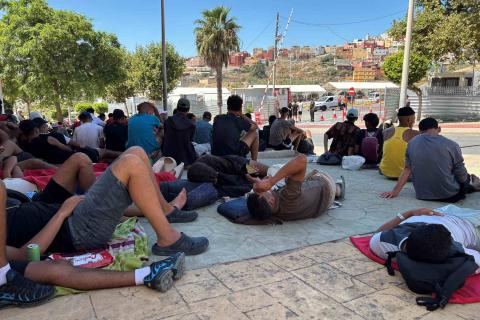
Among the migrants who have been in Ceuta for several weeks, there are confirmed or suspected cases of tuberculosis, chickenpox, scabies and gastroenteritis. Specialists in public health, epidemiology and infectious diseases explain to SMC España the basic recommendations that must be followed when providing care for this population.
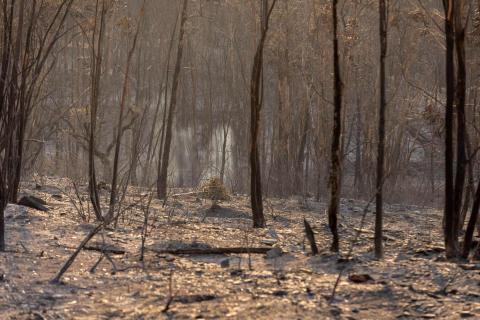
A study published in Science Advances has shown that areas affected by extreme wildfires – characterised by rapid spread and great difficulty in extinguishing them – have lower tree cover and reduced resilience compared to less intense fires, which may lead to long-term changes in vegetation. The team analysed 32.1 million hectares of coniferous forest in Canada and the western United States that were affected by fires between 2012 and 2023. Of this area, more than a third was burnt by extreme fires. In these cases, they observed that the faster the fire front advances, the greater the size and severity of the fire and the greater the distance from seed sources for the surviving trees, paving the way for long-term changes in vegetation.
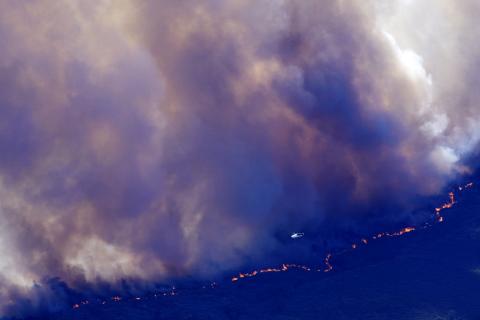
The fire in Ávila, which merged with the one in the south-western mountains of Madrid last Saturday and spread to the province of Toledo, remains unstabilised, although it is under control in some areas. Wind gusts of up to 30 km/h will complicate fire-fighting efforts on Monday, according to the Madrid 112 Safety and Emergency Agency. The fire in Ávila is now the largest in Spain’s recent history. Meanwhile, the fire that broke out on Saturday in La Vall d’Uixó (Castellón), which has spread into the Sierra de Espadán Natural Park, has not yet been stabilised either. In total, around 100,000 people have been evacuated or are under lockdown across all the fire fronts.
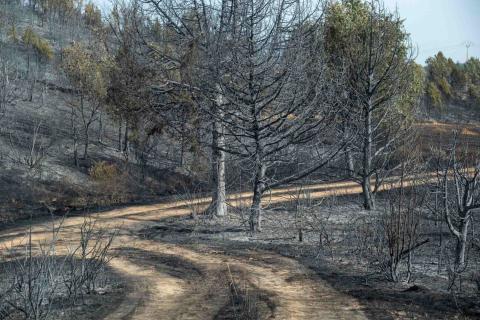
Data from the Copernicus European Forest Fire Information System (EFFIS) show that, as of 22 July, 119,458 hectares have been burnt in Spain. The average number of hectares burnt from 2006 to 2025 up to this date stands at 35,736 hectares. The fire in the Sierra Norte de Guadalajara, which has scorched more than 30,000 hectares and is still active, together with numerous fire fronts in other provinces and the fire in Los Gallardos (Almería), in which 13 people died, have caused the total area burnt to soar.
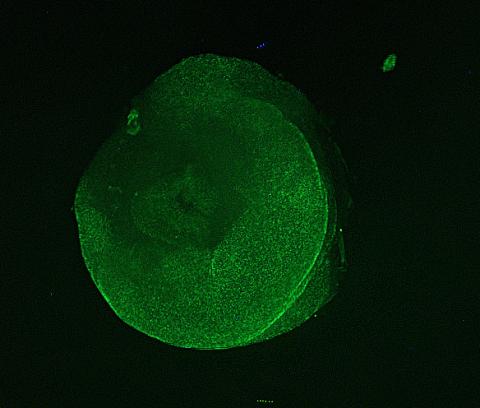
Sea cucumbers are known for their regenerative capacity and for exhibiting minimal cellular ageing. An article published in the journal Science Advances has documented the viability of amputated tissue from the species Psolus fabricii for over three years in natural seawater. Samples taken from three individuals of this species showed cellular diversification, immune activity, tissue reorganisation and the uptake of dissolved amino acids—properties that are unparalleled in the current scientific literature, according to the article. The authors also note that the finding may pave the way for a new experimental model, free from ethical concerns, for regenerative biology, biomedical research and tissue engineering.

Ageing is characterised by the accumulation of cellular damage. Among the biomarkers associated with this process are epigenetic ‘clocks’, which analyse non-genetic modifications of DNA over time. However, these approaches have certain limitations, as they do not reflect the activity of specific genes. Now, a study published in Nature has analysed more than 11,000 transcriptomes from over 25 tissues in mice, rats, macaques and humans, showing that ageing-associated changes are conserved across species and cell types. The findings reveal universal transcriptomic signatures of ageing and mortality in mammals. Using these data, the authors developed their own molecular ‘clocks’, capable of estimating biological age and expected mortality.
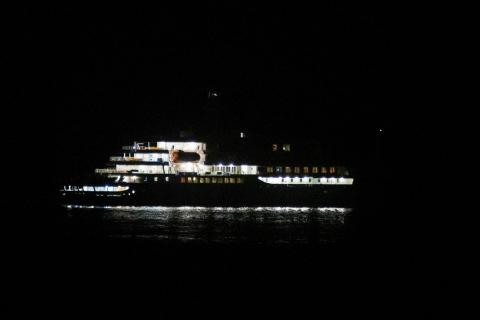
Amid an unprecedented international security and coordination operation, the MV Hondius has arrived at the port of Granadilla, in Tenerife, where epidemiologists and members of the Foreign Health Service will examine the passengers and crew, who have not shown any symptoms of hantavirus so far. Once assessed, they will leave the ship, which is moored in a dock, in small boats to the port, grouped by nationality – they come from 23 different countries. From there, they will board military vehicles to reach Tenerife South Airport, from where they will be repatriated on various flights. The 14 Spaniards and a member of the WHO from Africa are bound for Gómez Ulla Hospital (Madrid) to undergo quarantine. Once the process is complete, the cruise ship will refuel and sail to the Netherlands with part of the crew on board and the body of one of the three fatalities.
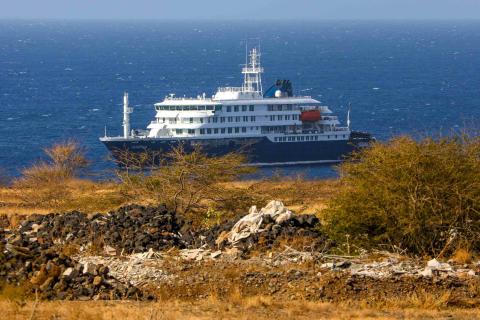
The Ministry of Health has announced that Spain will receive the MV Hondius in the Canary Islands “in accordance with international law and the spirit of humanitarianism”. The government is thus responding to a request from the World Health Organisation (WHO) and the European Union for the cruise ship, which is travelling from Argentina and has an outbreak of hantavirus on board, to dock in the Canary Islands, in the port of Granadilla, Tenerife. The European Centre for Disease Prevention and Control has assessed which passengers should be evacuated from the ship to Cape Verde, where it is currently located, and which will continue on to the Canary Islands. Once there, they will be examined and transferred to their home countries in accordance with safety protocols. The cruise ship is expected to arrive in the archipelago in three or four days.