
University of Oviedo
If you are the contact person for this centre and you wish to make any changes, please contact us.
Ramón y Cajal researcher in the Department of Biochemistry and Molecular Biology of the University of Oviedo.
Senior Lecturer in the Department of Zoology at the University of Oviedo
Researcher at the Mixed Institute for Biodiversity Research (IMIB), CSIC-University of Oviedo-Principality of Asturias
Assistant Professor in the Department of Philosophy at the University of Oviedo
Permanent lecturer in the Department of Philosophy, University of Oviedo
Senior scientist at the CSIC and head of the Department of Biodiversity and Global Change of the Joint Institute for Biodiversity Research (University of Oviedo-CSIC)
Full Professor at the University of Oviedo in the area of “Computer Languages and Systems”
Researcher in the Department of Biochemistry and Molecular Biology
Member of the Department of Neurology, Stroke Unit of the Central University Hospital of Asturias (HUCA) and Associate Professor of Health Sciences, University of Oviedo
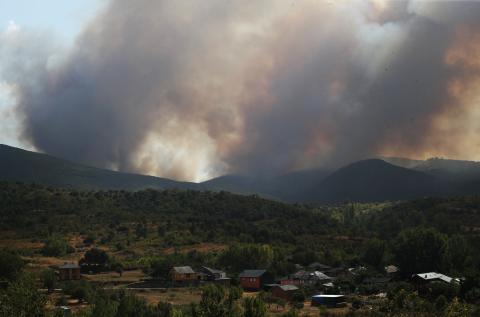
Several areas in the region of El Bierzo in León and the province of Zamora have seen numerous forest fires in recent hours, forcing more than a thousand people from different municipalities to evacuate. One person has died. The flames have affected the Las Médulas natural area, listed by UNESCO as a World Heritage Site. Another fire in Tarifa (Cádiz) has forced the evacuation of hundreds of people, and also in Tres Cantos (Madrid), where one person died. In addition, there are active outbreaks in several areas of Galicia. The government declares a pre-emergency phase.
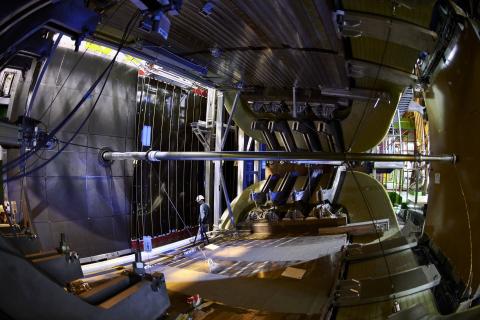
Cosmological models suggest that matter and antimatter were created in equal amounts in the Big Bang, but in the current universe matter seems to predominate over antimatter. This imbalance is believed to be due to differences in the behaviour of the two, a violation of symmetry known as CP violation. This effect was predicted by the Standard Model of Physics and observed experimentally in mesons more than 60 years ago. Now, the LHCb collaboration at CERN, which includes significant Spanish participation, has observed this phenomenon for the first time in the decay of baryons, particles that make up most of the matter in the observable universe. The study is published in Nature.
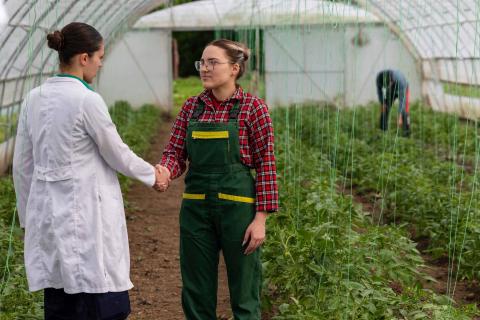
Spanish citizens trust science and researchers, and want them to be more involved in the issues that affect people's lives. Television and social media are the most commonly used channels for obtaining information on these topics. 81.4% recognise that climate change is a serious problem and, with regard to AI, although more than 80% use it, there is concern about its risks and governance. These figures come from the latest edition of the FECYT's biennial Social Perception of Science and Technology Survey (EPSCT) 2024.
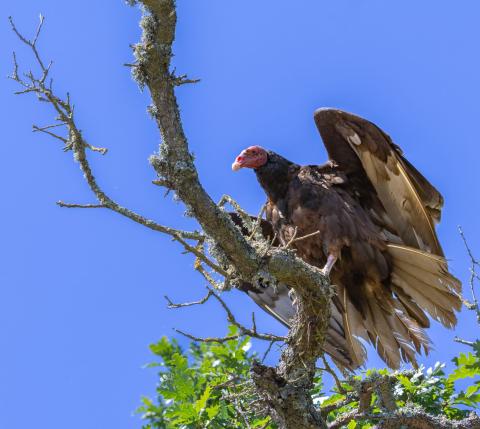
A team from Stanford University (USA) has analysed the conservation status of 1,376 species of scavenger animals. The results, published in the journal PNAS, indicate that 36% of them are threatened or in decline, especially large species and obligate scavengers, which depend exclusively on carrion for food. In contrast, the number of small and facultative scavengers, such as rodents, for which carrion is not their only source of food, is increasing. According to the authors, this ‘could increase the risks of diseases that large scavengers have helped to mitigate’.
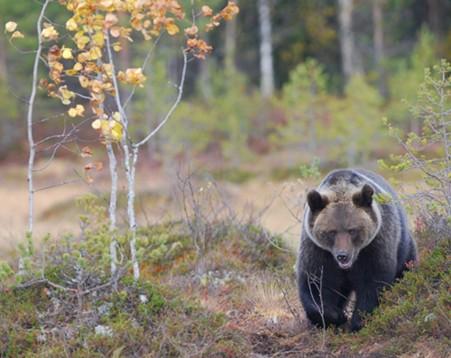
An international research project involving Spanish participation has analysed the distribution of brown bears in Europe and Turkey. To do this, the team studied more than three million locations belonging to some 3,000 bears, with data from 14 European and Turkish subpopulations in very different environments. The main conclusion is that bears occupy areas where the species that form part of their diet are distributed. The study, published in Global Change Biology, shows that the influence of climate change on these species also has an impact on the distribution of bears.
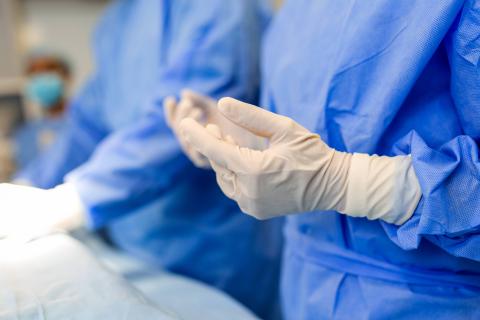
In 2024, a team of researchers in China transplanted a pig's liver for the first time, with six genes modified to prevent rejection, into a person who was brain dead. After 10 days, they evaluated the condition of the organ and the recipient. According to the authors, who are now publishing the work in the journal Nature, the results suggest that genetically modified pig livers can survive and function in humans, which could serve as a bridge therapy for patients with liver failure who are waiting for human donors.

A team of researchers from the University of California (USA) has analyzed the presence of hate speech on the social network X (formerly Twitter) since its purchase by Elon Musk in October 2022 until June 2023. Their findings are that this type of racist, homophobic and transphobic speech increased by approximately 50 % throughout this period. In addition, the presence of bots and fake accounts did not decrease, contrary to Musk's own promises. The results are published in the journal Plos One.

Results from a cohort study of more than 100,000 people reveal the strong and persistent association of headache diagnoses with attempted and completed suicide. The authors suggest that behavioural health assessment and treatment may be important for these patients. The paper is published today in the journal JAMA Neurology.
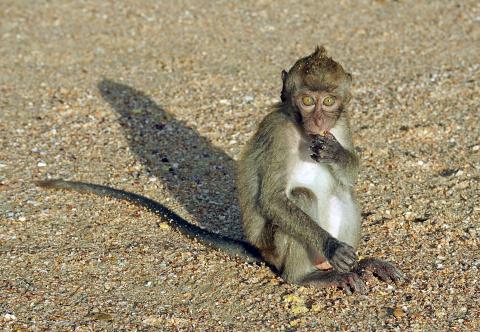
Patients receiving organ transplants often need to be treated with long-term immunosuppressants to reduce the likelihood of rejection, which has numerous side effects. An international team has shown in crab macaque monkeys that, in the case of heart transplantation, the use of these drugs could be avoided if combined with a kidney transplant from the same donor. The results are published in the journal Science Translational Medicine.
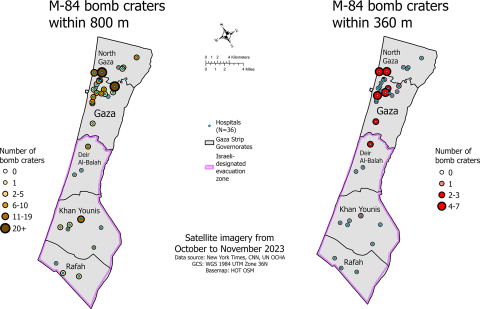
A study has used geospatial data and satellite imagery to analyze the number of MK 84 bombs dropped by the Israeli army in the Gaza Strip between October 7 and November 17, 2023 that detonated near hospital infrastructure. Of the 36 existing hospitals, 30 of them had suffered at least one explosion within 800 meters. According to the authors of the paper, which is published in PLOS Global Public Health, the research “reveals concerns about indiscriminate shelling near hospital infrastructure, which enjoys special protection under international humanitarian law.”