Spanish National Research Council (CSIC)
If you are the contact person for this centre and you wish to make any changes, please contact us.
'Ramón y Cajal' postdoctoral researcher at the Biologial Mission of Galicia and head of the ECOP research group – Landscape Ecology
Senior Scientist at the Spanish Institute of Oceanography, IEO-CSIC
Senior scientist at the CSIC at the Animal Health Research Centre (CISA), National Institute for Agricultural and Food Research and Technology (INIA)
Researcher at the Instituto Cajal, CSIC
Doctor in Ecology and postdoctoral researcher at the National Museum of Natural Sciences (CSIC) in Madrid
Professor of Economics at Durham University (United Kingdom), Research Professor at the Spanish National Research Council (CSIC) and Lead Author of the International Cooperation chapter of the IPCC's AR6
EMERGIA post-doctoral research in the Sky Quality Office
Research professor at public research organisations at the CSIC Institute of History, in the Department of Archaeology and Social Processes
Researcher at the Institute of Public Goods and Policies of the CSIC (IPP-CSIC)
CSIC research professor and expert in food safety and water quality
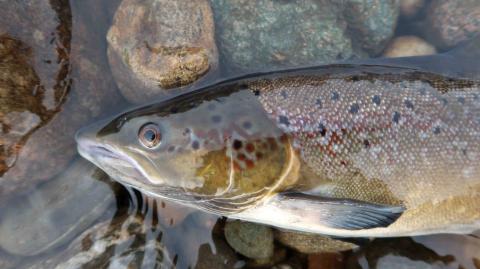
An assessment of the extinction risk of freshwater fauna, covering more than 23,000 species, reveals that around 24% of the species studied are at risk of extinction. The analysis, published in Nature, identifies the main threats from pollution, dams, agriculture and invasive species. Decapods - such as freshwater crabs and shrimps - have the highest percentage of threatened species (30 %), followed by freshwater fish (26 %) and odonates - such as dragonflies (16 %).
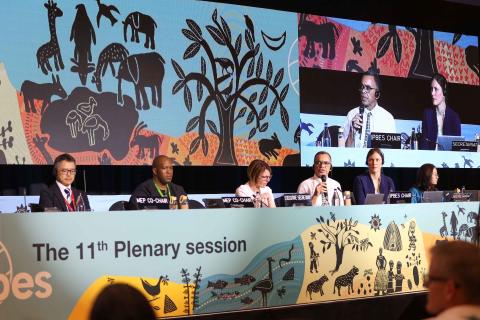
Meeting in the city of Windoek (Namibia), the plenary of the IPBES - Intergovernmental Science-Policy Platform on Biodiversity and Ecosystem Services - has ratified two new reports: the Nexus Assessment and the Transformative Change Assessment. Three of their authors explained the main findings and the changes they propose at a briefing organised by SMC Spain.
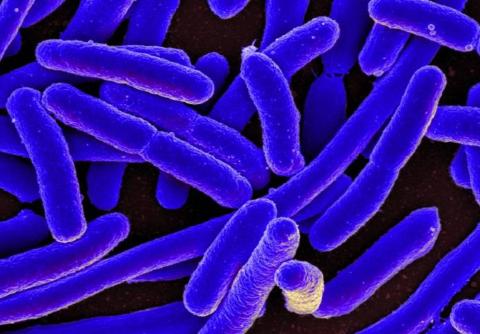
Thirty eight scientists from different specialties, including Craig Venter, a pioneer in the creation of artificial synthetic life, have written an article in the journal Science in which they assess the possibilities of synthesizing mirror organisms, but also warn of the risks they pose. This type of microorganisms, which would present a mirror structure to that currently found in nature, would have potential applications due to their resistance to biological degradation. However, they would also pose a danger because they would not be recognized by our defenses and could spread in ecosystems. Scientists call for more research and a broad debate, and warn that until more is known, this type of organism should not be created.

A team of researchers has analyzed more than 300 human genomes from the last 50,000 years and has concluded that most of the gene flow we received from Neanderthals is attributable to a single period, which probably occurred between 50,500 and 43,500 years ago. In addition, Neanderthal inheritance underwent rapid natural selection in subsequent generations, especially on the X chromosome, according to a study published in Science.

Researchers in China have analysed data from more than 4,500 people and identified 13 proteins linked to brain ageing. In addition, changes in protein concentrations in the blood tend to peak at ages 57, 70 and 78. According to the authors, who publish the results in the journal Nature Aging, these ages may reflect transitions in human brain health at specific ages, and could therefore be important for designing possible interventions in the brain ageing process.
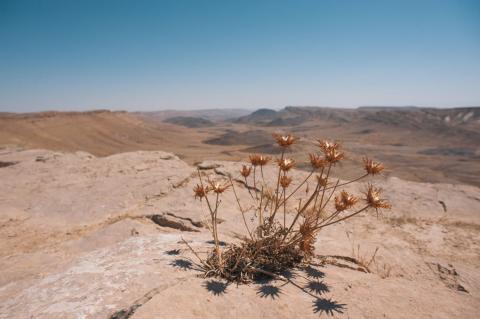
More than three-quarters of the earth's land surface experienced drier climates between 1990 and 2020 compared to the previous three decades, according to a new report by the United Nations Convention to Combat Desertification. Over the past 30 years, 40.6 percent of the global landmass, excluding Antarctica, is classified as drylands, three percentage points more than the previous three decades. The report, which is being presented at the COP16 on desertification being held in Riyadh, Saudi Arabia, also shows that 2.3 billion people were living in drylands in 2020, a population that could rise to 5 billion by 2100 under a worst-case climate change scenario.

According to a study published in Nature Medicine, deep brain stimulation of the lateral hypothalamus improves walking and promotes recovery in humans and rodents with spinal cord injuries. In humans, the authors tested this technique on two patients who relied on assistive devices and had difficulty walking; both showed improved performance in the ten-meter and six-minute walking tests. Combined with rehabilitation, the patients experienced recovery that persisted even after the deep brain stimulation was turned off.
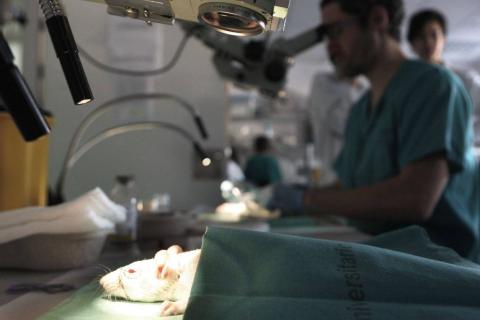
The seventh Annual Report of the COSCE Transparency Agreement, prepared by the European Animal Research Association, which analyses transparency in the use of animals for scientific experimentation in Spain in 2023, was presented today. According to the document, transparency is consolidated among the signatory institutions -168 in 2024- and all of them publish a statement on their websites on the use of animals. Public mention of the number and species used stands at 47%, compared to 38% the previous year.
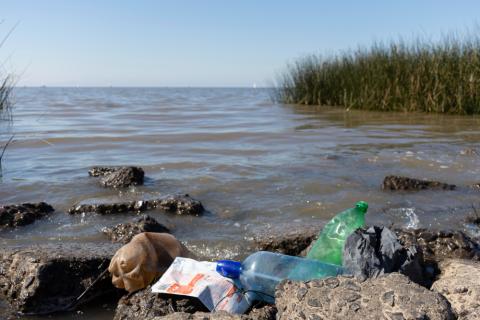
The fifth session of the United Nations Intergovernmental Negotiating Committee to develop an international legally binding instrument on plastic pollution (INC-5) ended without a treaty in Busan, South Korea, in the early hours of the morning. The more than 100 countries participating in what was to be the final round of negotiations have agreed to continue negotiating, reports Reuters.
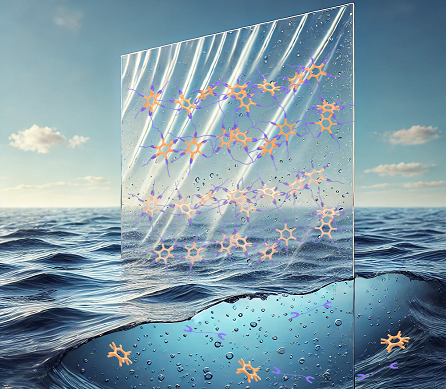
A study published today in Science reveals a new plastic as durable as conventional plastics that decomposes in seawater. According to the authors, this new material could help reduce microplastic pollution accumulating in the oceans and eventually entering the food chain.