plastics

plastics

plastics

A study claims that patients who have suffered a heart attack have higher levels of micro- and nanoplastics in their blood

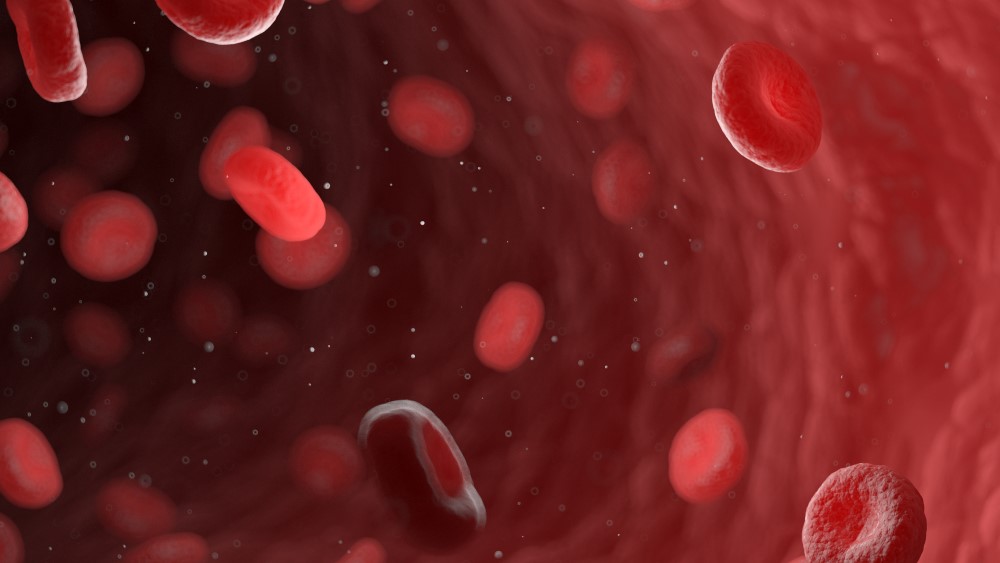
A study involving a small group of people, published in the European Heart Journal, has measured the levels of plastic in the blood supplying the heart in 61 patients with myocardial infarction, chronic ischaemic heart disease or normal coronary arteries. According to the data, microplastics and nanoplastics were detected in 84 per cent of patients who had suffered a heart attack, compared with 40 per cent of patients with chronic ischaemic heart disease and 32 per cent of those with normal coronary arteries. Those exposed to higher levels of air pollution and smokers were more likely to have microplastics in their blood.


0

Researchers develop indicator to measure plastic pollution footprint of different products

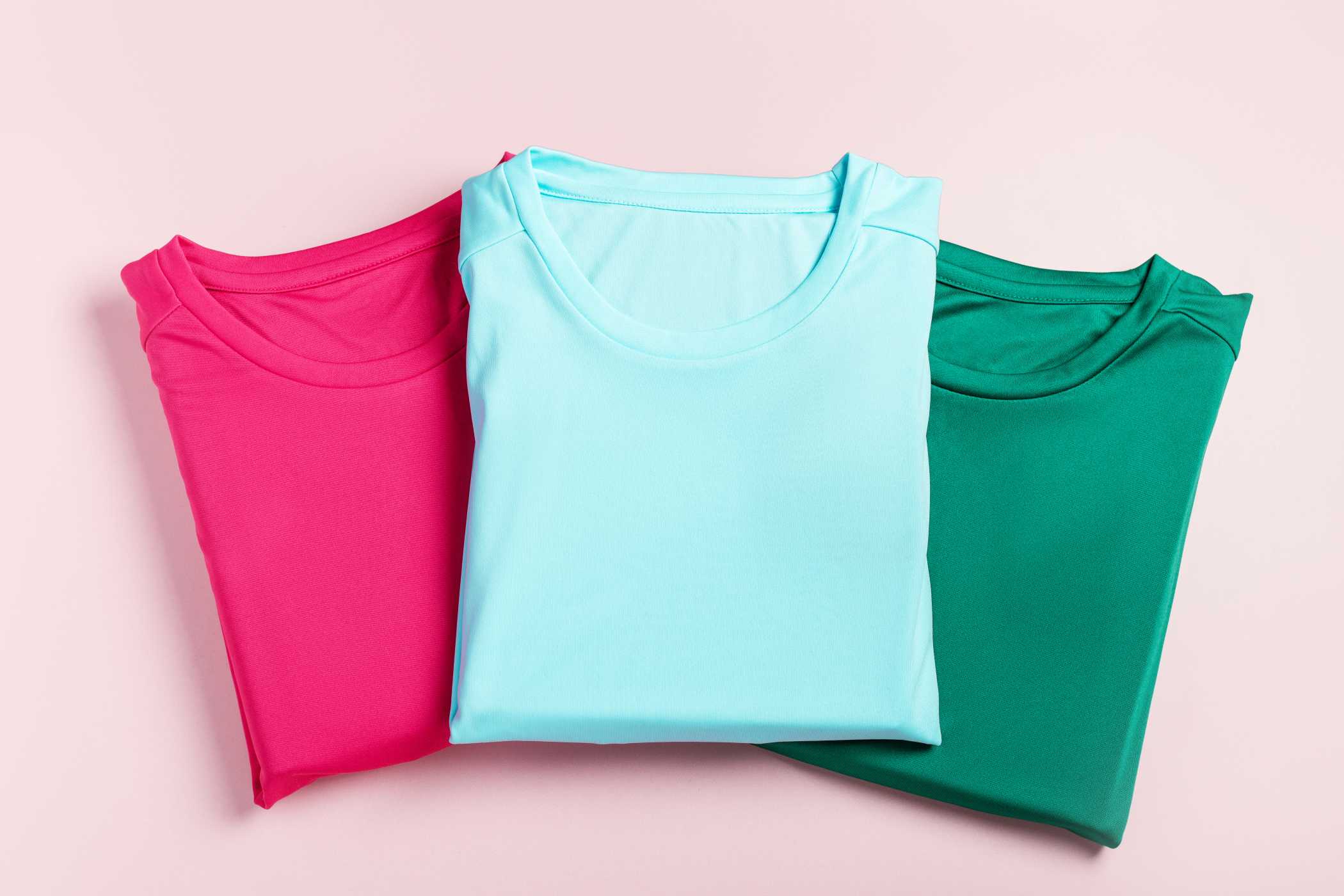
A team has proposed an indicator known as the plastic particle footprint (PPF) to measure the environmental impact of microplastics and nanoplastics in products. In an article published in Science Advances, the authors apply this calculation to four everyday items and claim that calculating this footprint could “radically change the best material option”. For example, a polyester T-shirt and a cotton one have a similar carbon footprint, but the PPF of the former is higher than that of the cotton garment.

0

An experiment assesses the effect of microplastics on atmospheric warming

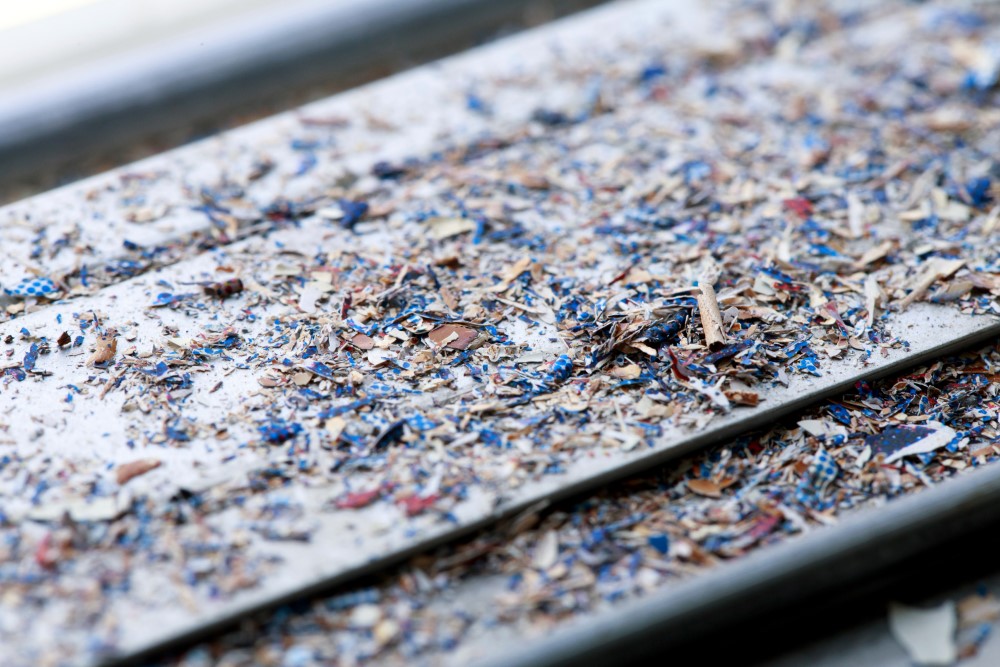
Colored microplastics and nanoplastics suspended in the atmosphere could contribute to global warming at a level equivalent to 16% of that caused by soot. The findings, published today in the journal Nature Climate Change, suggest that these particles may be previously unrecognized contributors to climate change, and that their role should be taken into account in future climate assessments. The authors note that laboratory experiments are a simplified version of atmospheric processes and that the global distribution of microplastic and nanoplastic particles must be determined more precisely through observations.

0

The health impacts related to plastic emissions could double by 2040

A study based on models and data concludes that adverse health effects related to plastic emissions could more than double by 2040 if current practices do not change. The authors note that their model could not assess the potential impacts associated with many chemicals contained in plastics, nor with the microplastics and nanoplastics that form throughout their life cycle, due to a lack of data and “a serious lack of transparency regarding their composition.” The results are published in The Lancet Planetary Health. 

0

A study claims that atmospheric microplastic emissions may be overestimated

A study published in Nature estimates that atmospheric microplastic emissions have been overestimated. The authors compared measurements of atmospheric microplastics from 76 studies conducted between 2014 and 2024 at various locations around the world with model simulations. According to the simulations, atmospheric microplastic concentrations were between 100 and 10,000 times lower than previously estimated.

0

A method is developed to recycle plastic waste into a base molecule for cancer drugs

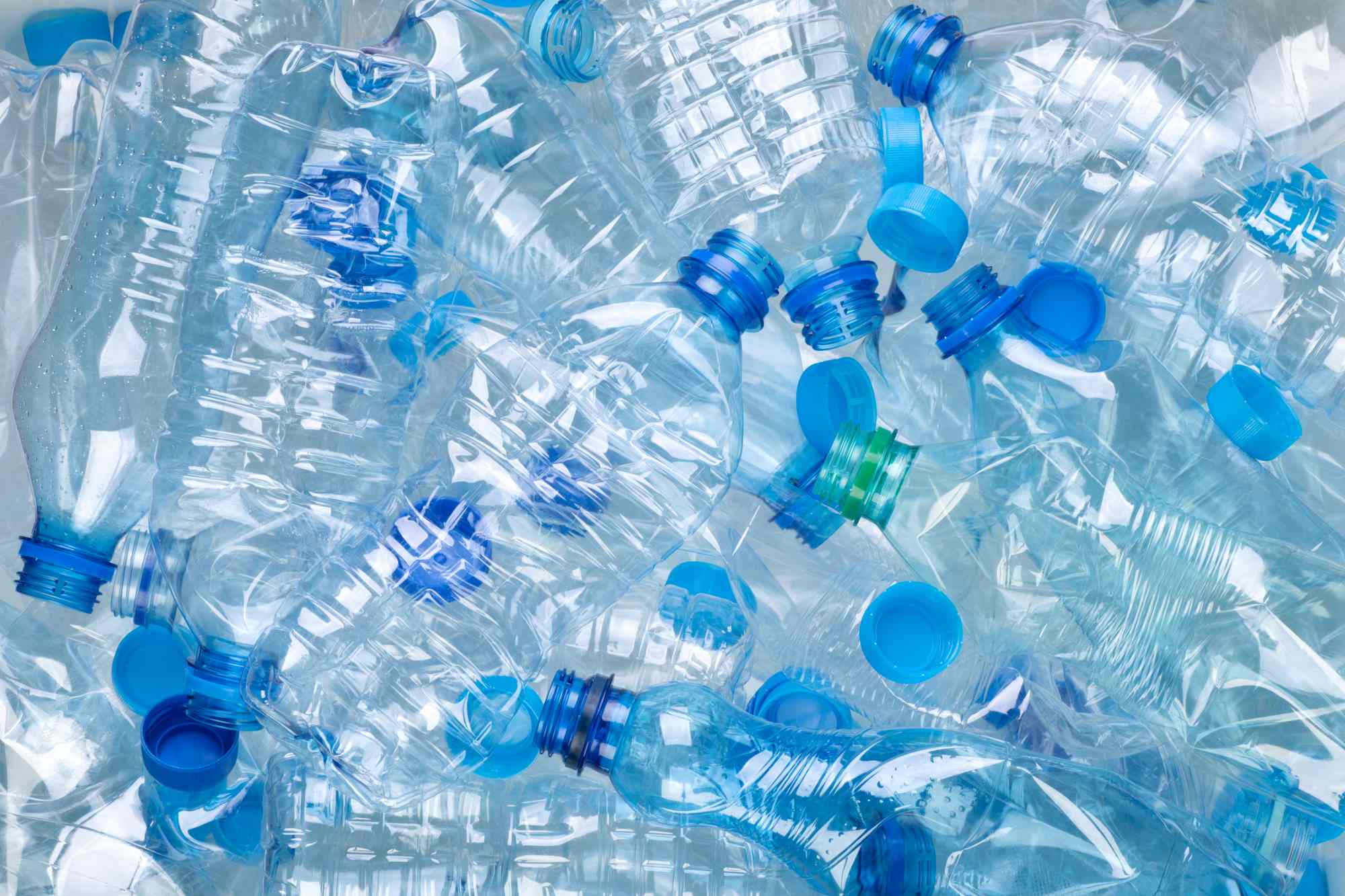
Recycling household PET waste—such as plastic bottles—using a new chemical process could generate a compound useful for synthesizing drugs, according to a study published in the journal Angewandte Chemie International Edition. The team discovered that, thanks to semi-hydrogenation, the waste could be broken down into a compound called EHMB, which is key to producing the cancer drug imatinib, a chemotherapy drug called procarbazine, and the insecticide fenpyroximate.

0

A study of 10,000 marine animal necropsies reveals that one-third of birds and nearly half of turtles had ingested macroplastics

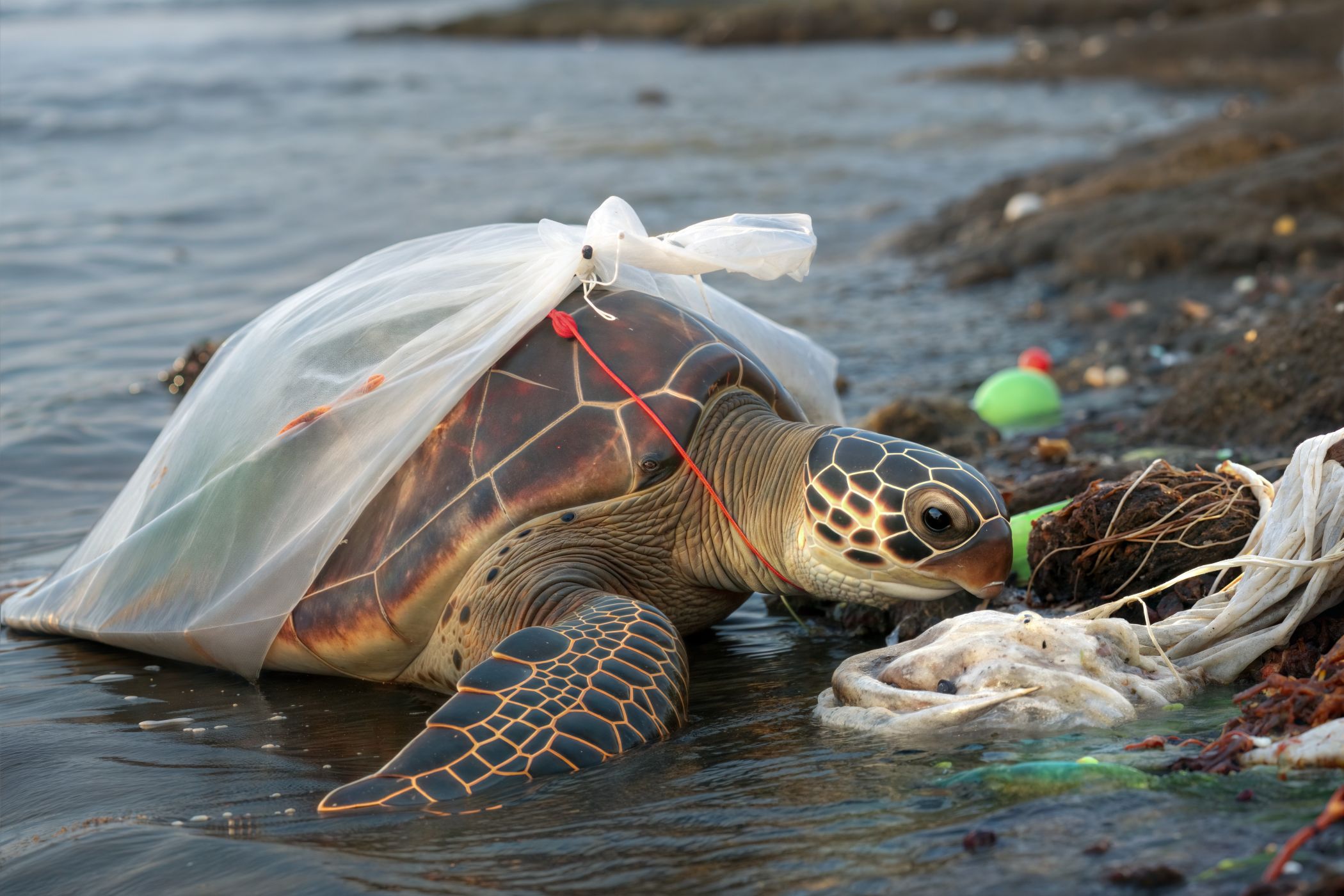
According to a study compiling data from 10,000 marine animal necropsies, 35% of birds, 12% of mammals, and 47% of turtles examined had ingested macroplastics, causing death in 1.6%, 0.7%, and 4.4% of these animals, respectively. The types of plastic that pose the greatest risk are rubber for birds, soft plastics and fishing debris for mammals, and hard and soft plastics for sea turtles, concludes this study published in PNAS.


0

Negotiations to move forward with global plastics treaty fail

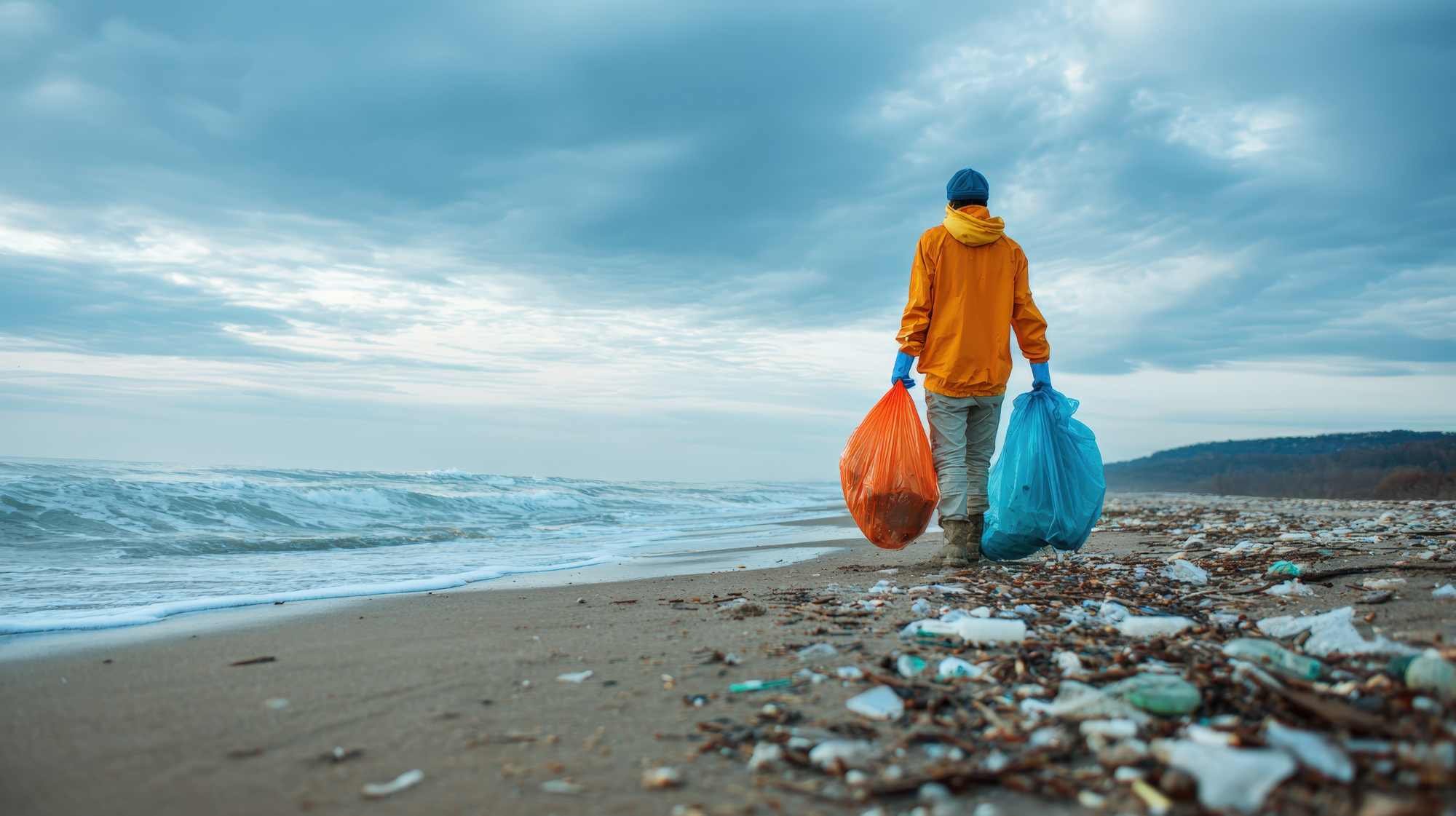
After 10 days of meetings and beyond the deadline, representatives from more than 180 countries gathered at the UN headquarters in Geneva (Switzerland) have failed to agree on a global treaty against plastic pollution, the first legally binding one. This negotiation was, in principle, the last chance to reach an agreement, after the last meeting in Busan (South Korea) also ended without a treaty in December, two and a half years after negotiations began.

0

Plastic pollution is an underrecognized threat to health, according to The Lancet.

Ahead of the anticipated conclusion of a United Nations global treaty on plastics, a group of international experts calls for greater attention to health effects when addressing plastic pollution. The work, published in The Lancet, reviews current evidence on how plastics—including microplastics and plastic chemicals—affect health, and announces the launch of a new project to monitor these effects.

0

High concentrations of nanoplastics found in Atlantic Ocean

Most research on the presence of plastics in the seas has focused on macro- and microplastics. Now, an international team has analyzed the presence of nanoplastics - smaller in size - in different locations and depths of the North Atlantic Ocean, including areas near the European coasts. The results suggest that these may account for the majority fraction of the total mass of plastic in the oceans and that the total mass of marine plastic may be greater than previously thought. The work is published in the journal Nature

0