plastics

plastics

plastics

More than 3,000 chemicals in contact with food are identified in human samples

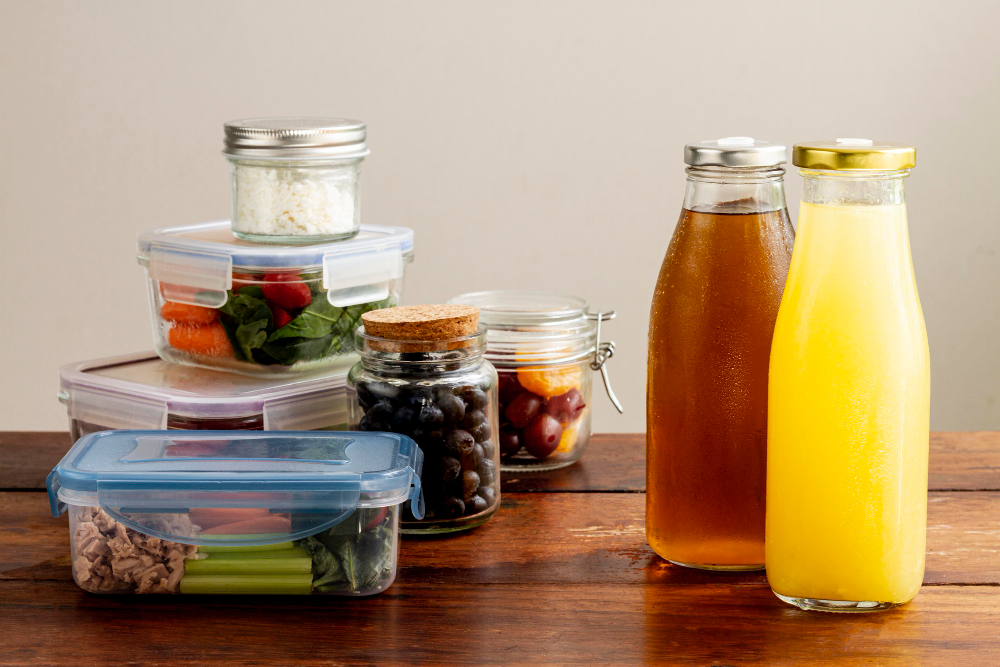
An international team of researchers has analyzed various data sources and scientific literature and identified 3,601 chemical substances in human samples such as blood, urine or breast milk that are known to be in contact with food, for example, because they are used in packaging. According to the authors of the study, “this work shows that food contact materials are not completely safe, even if they comply with regulations, because they transfer known substances to food". The research is published in the Journal of Exposure Science and Environmental Epidemiology.

0

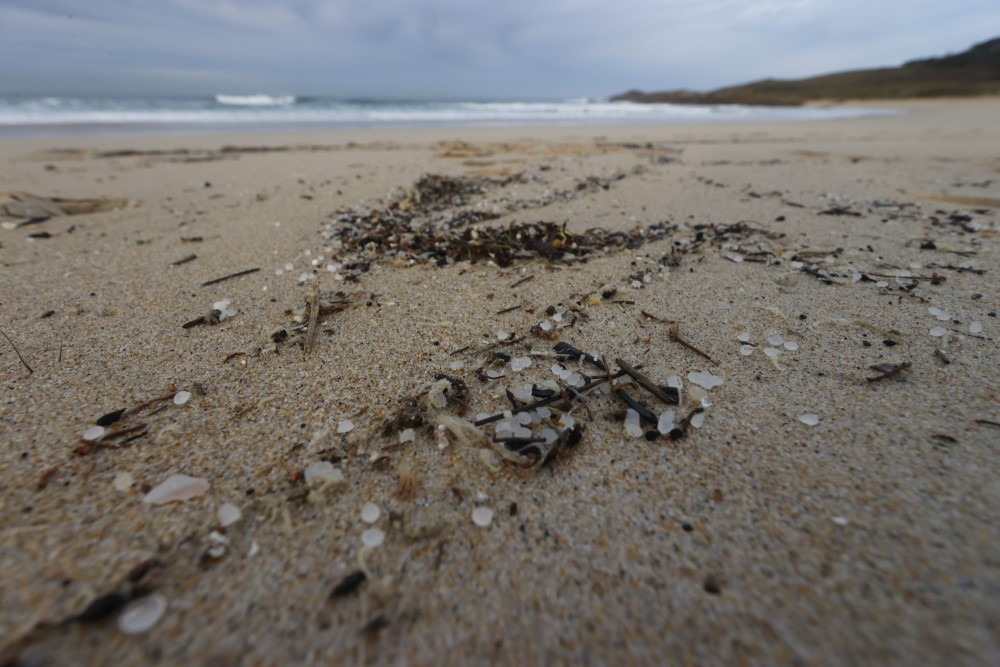
Plastic pollution reaches 52 million tonnes per year globally

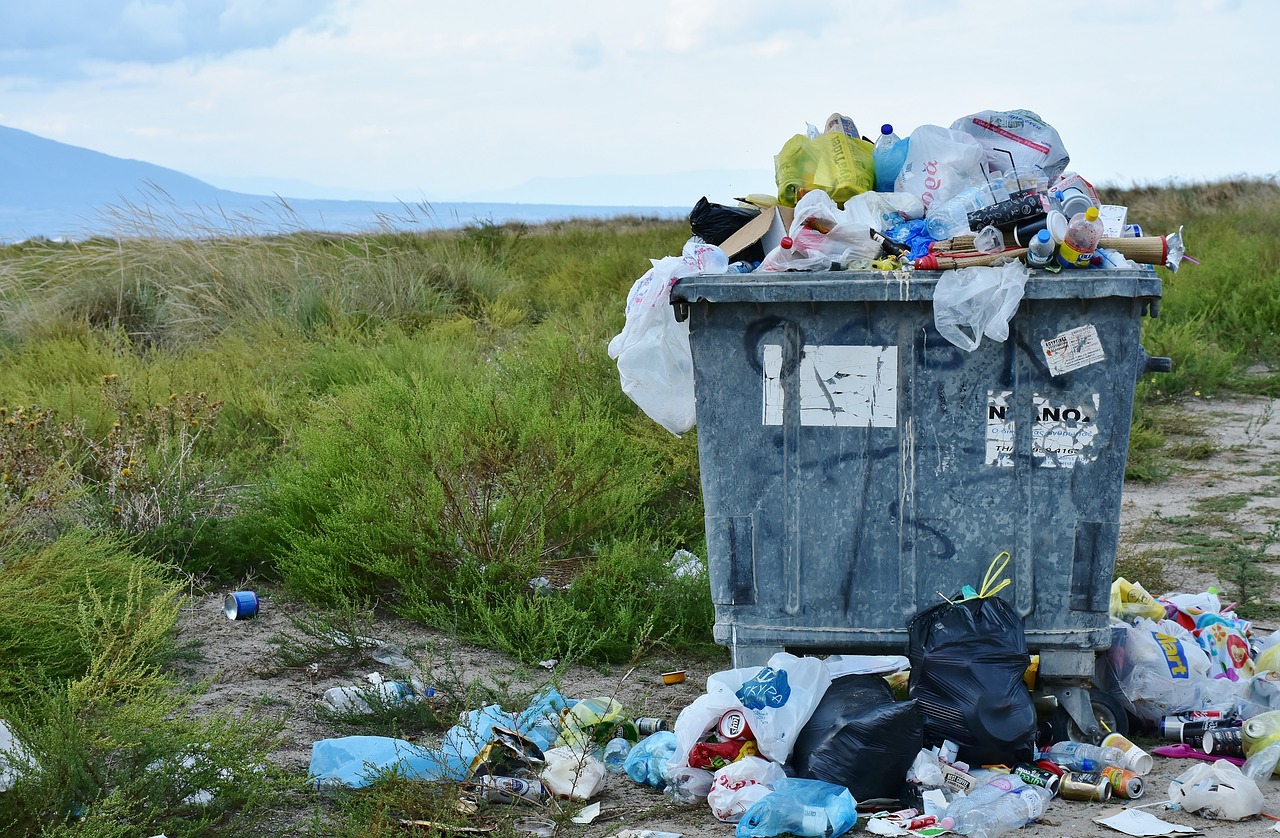
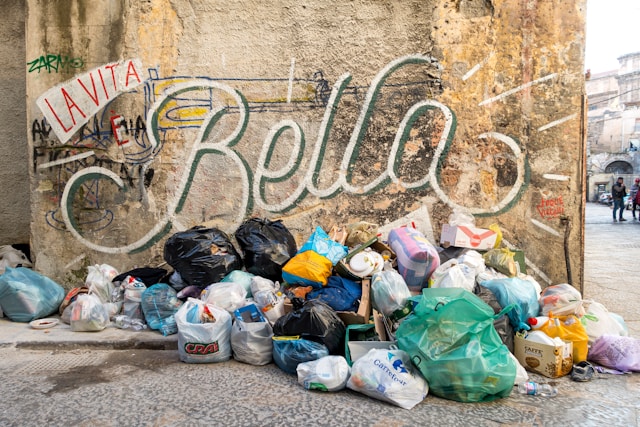
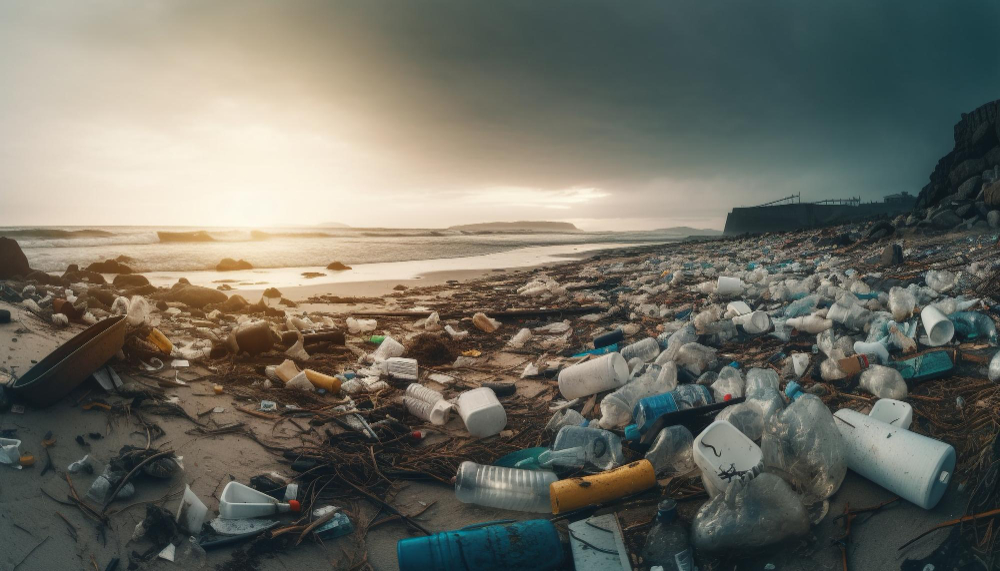
More than 52 million tonnes of plastic waste are emitted around the world every year, according to a study published in Nature that inventories plastic pollution in 50,702 cities. It concludes that littering is the largest source of plastic emissions in the global North, and uncollected waste is the largest source in the South.  

0

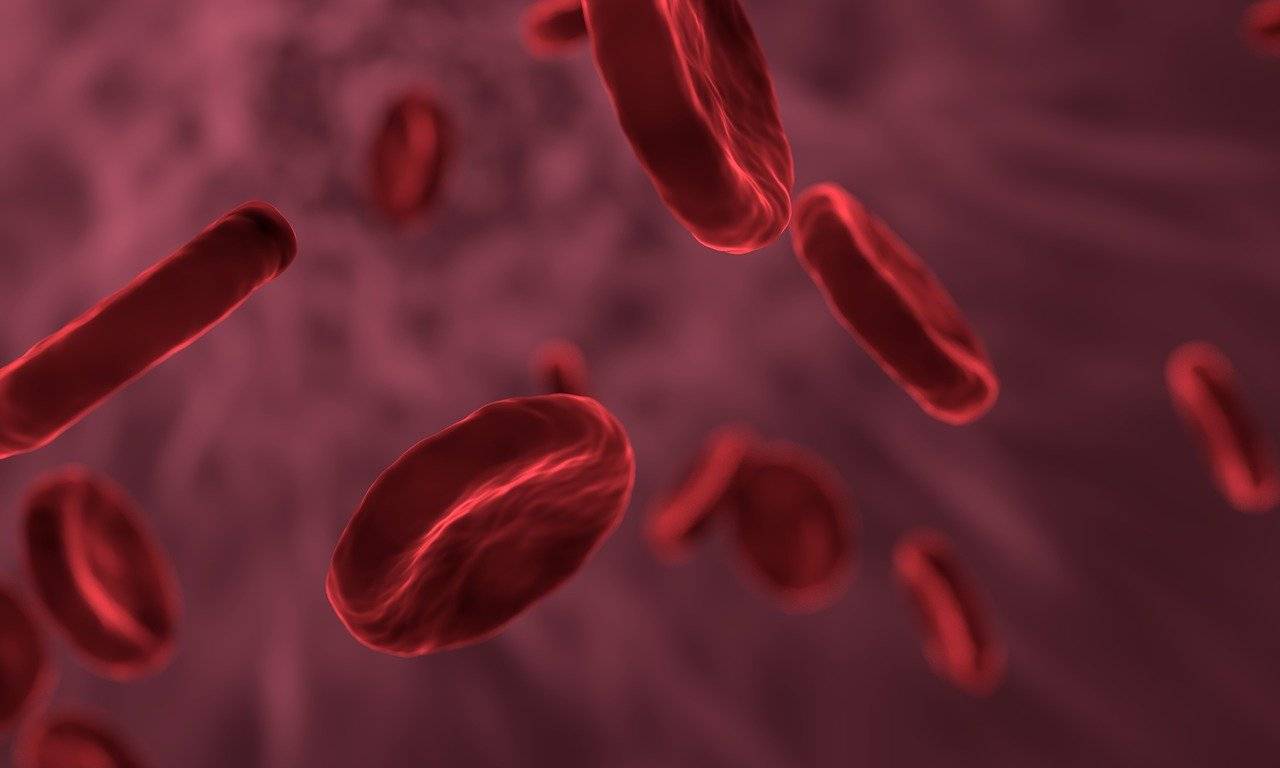
Plastics in the lumen of the carotid arteries

Research published a few days ago in the New England Journal of Medicine (NEJM) found a considerable and hitherto unknown degree of micro- and nanoplastic contamination in human arteries. It was a bit of a surprise that NEJM accepted the paper, as it usually publishes little on the environmental causes of human disease. The good thing is that the publication makes visible, legitimises, stirs up and will encourage other similar work.
 

1

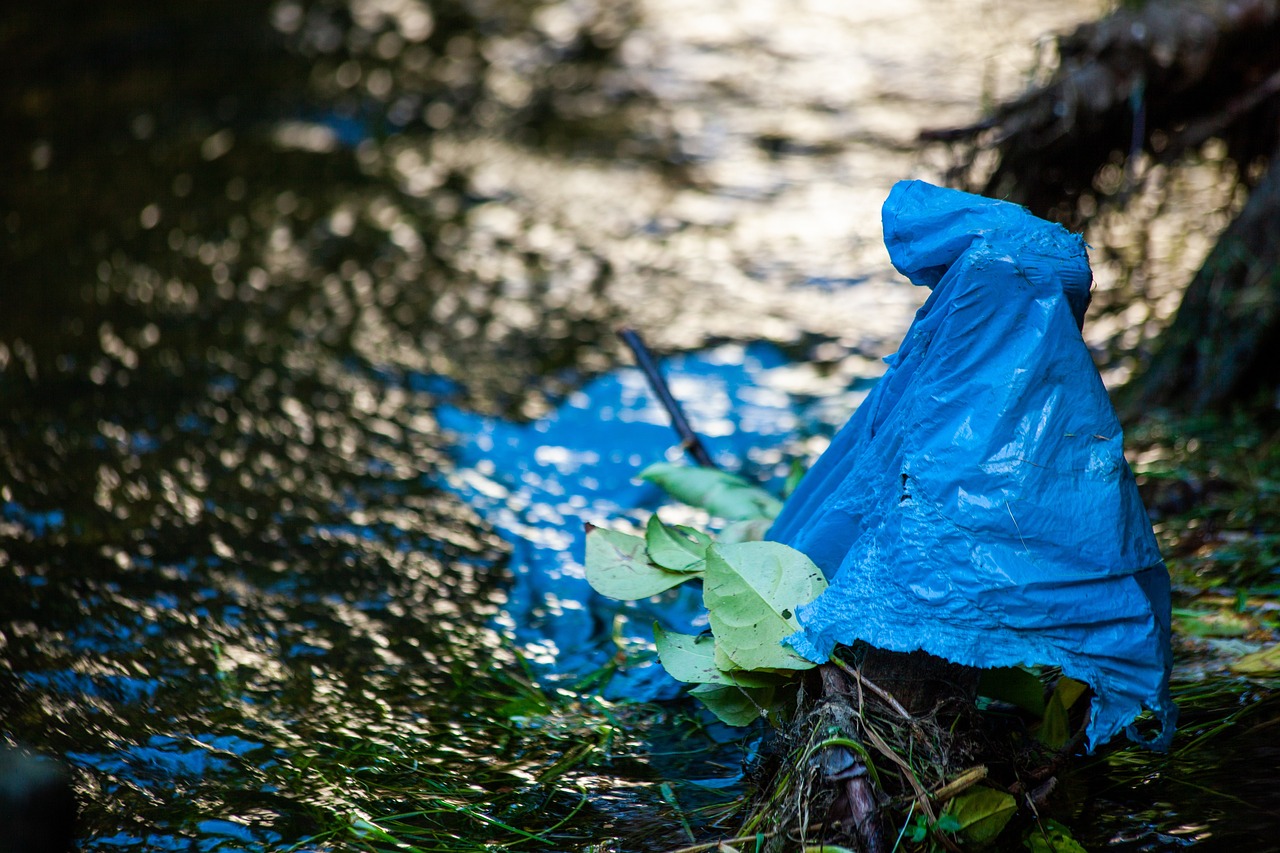
Reaction: plastic waste in rivers can act as reservoir of antibiotic resistance genes

Plastic debris in rivers harbours specific types of bacteria that are potentially pathogenic and may act as reservoirs of antibiotic-resistance genes, according to a study published in Microbiome, which analysed samples collected from the River Sowe in the UK. This mixture of bacteria is different from that found in surrounding water, but similar to that found on wooden surfaces. The team, which includes a Spanish author, highlights the presence of Pseudomonas aeruginosa, Acinetobacter and Aeromonas bacteria.

0

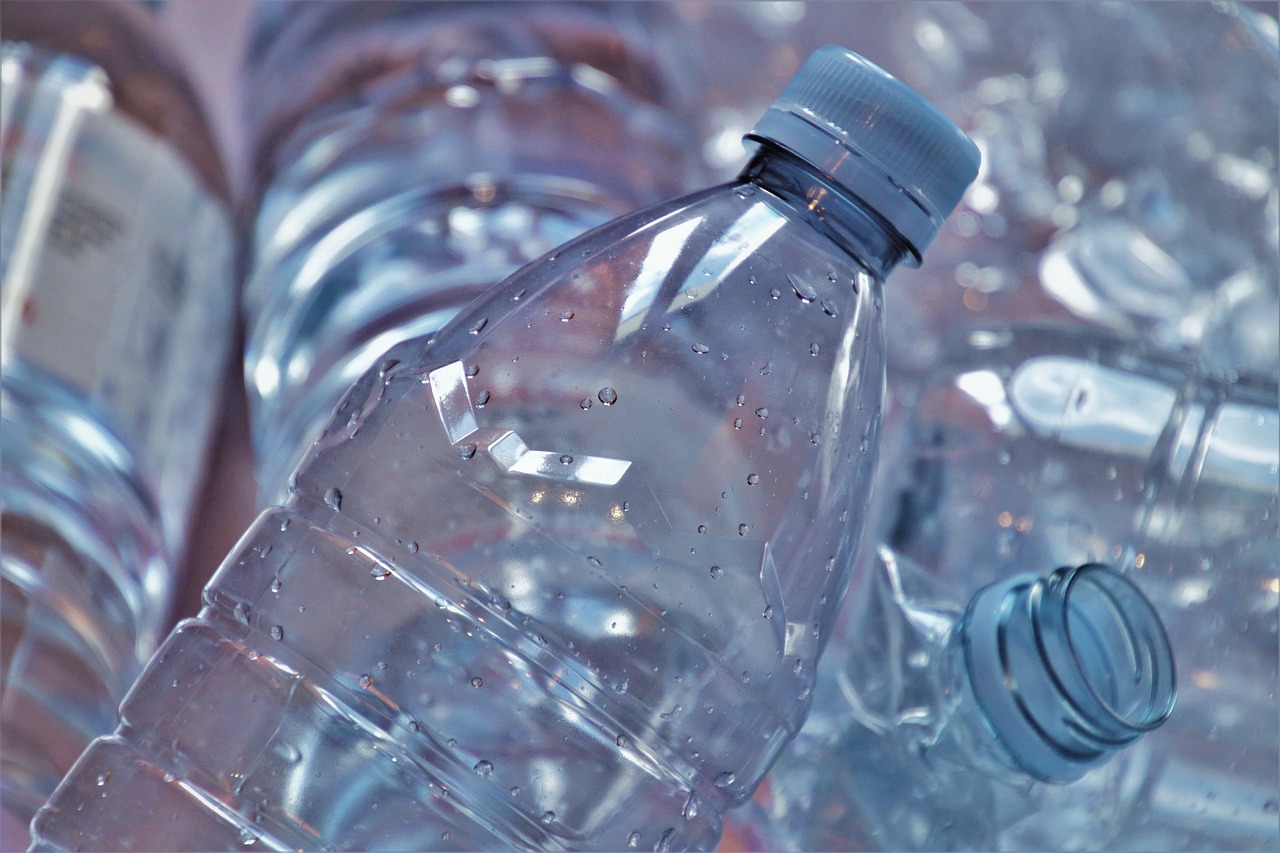
Reaction: Artificial protein designed to degrade microplastics

Based on a defense protein of the strawberry anemone, researchers from the Barcelona Supercomputing Center, CSIC and the Complutense University of Madrid have designed, through artificial intelligence and the use of supercomputers, an artificial protein capable of degrading PET micro and nanoplastics, such as those used in bottles. According to the authors, its efficiency is between 5 and 10 times higher than that of the proteins currently used and it works at room temperature. The results are published in the journal Nature Catalysis.

0

Bisphenol A: why has EFSA lowered the tolerable daily intake, and what are the health risks?

A few weeks ago, the European Food Safety Authority (EFSA) said that exposure to bisphenol A through food is a risk to human health. The agency recommended a much lower tolerable daily intake dose than it had its own previous recommendations. In this explainer, we review key facts and documents to cover this issue--which will continue to make the headlines in months and years to come.  

0

Reaction: A study shows that a common bioplastic did not degrade in the sea for more than a year

Most so-called compostable plastics require specific conditions to degrade that are only obtainable in industrial settings, warns a study published in the journal PLoS One. Polylactic acid - a polymer obtained from natural renewable sources that is used as an alternative to petroleum-based plastics - takes more than a year to degrade in a marine environment, compared to 35 days for natural cellulose fibres, according to the analysis, which combines observations in waters off the coast of California (US) with laboratory measurements. 

0