Marta Nieto

Marta Nieto

Marta Nieto
Position

Head of the Cerebral Cortex Development research group at the National Center for Biotechnology (CNB-CSIC)

Topics

A study suggests that premature birth disrupts the maturation of the cerebellum

The cerebellum, a region of the brain involved in movement and various cognitive functions, undergoes rapid development in the foetus during the final trimester of pregnancy. A study published in Science shows that premature birth disrupts the maturation of different types of cerebellar cells and their neural connections. These alterations vary depending on the timing of delivery and are observed even when premature babies reach the age they would have been had they been born at term. Although it is not yet known whether the observed changes persist in the long term, these findings could help us understand the motor and cognitive difficulties associated with prematurity.


0
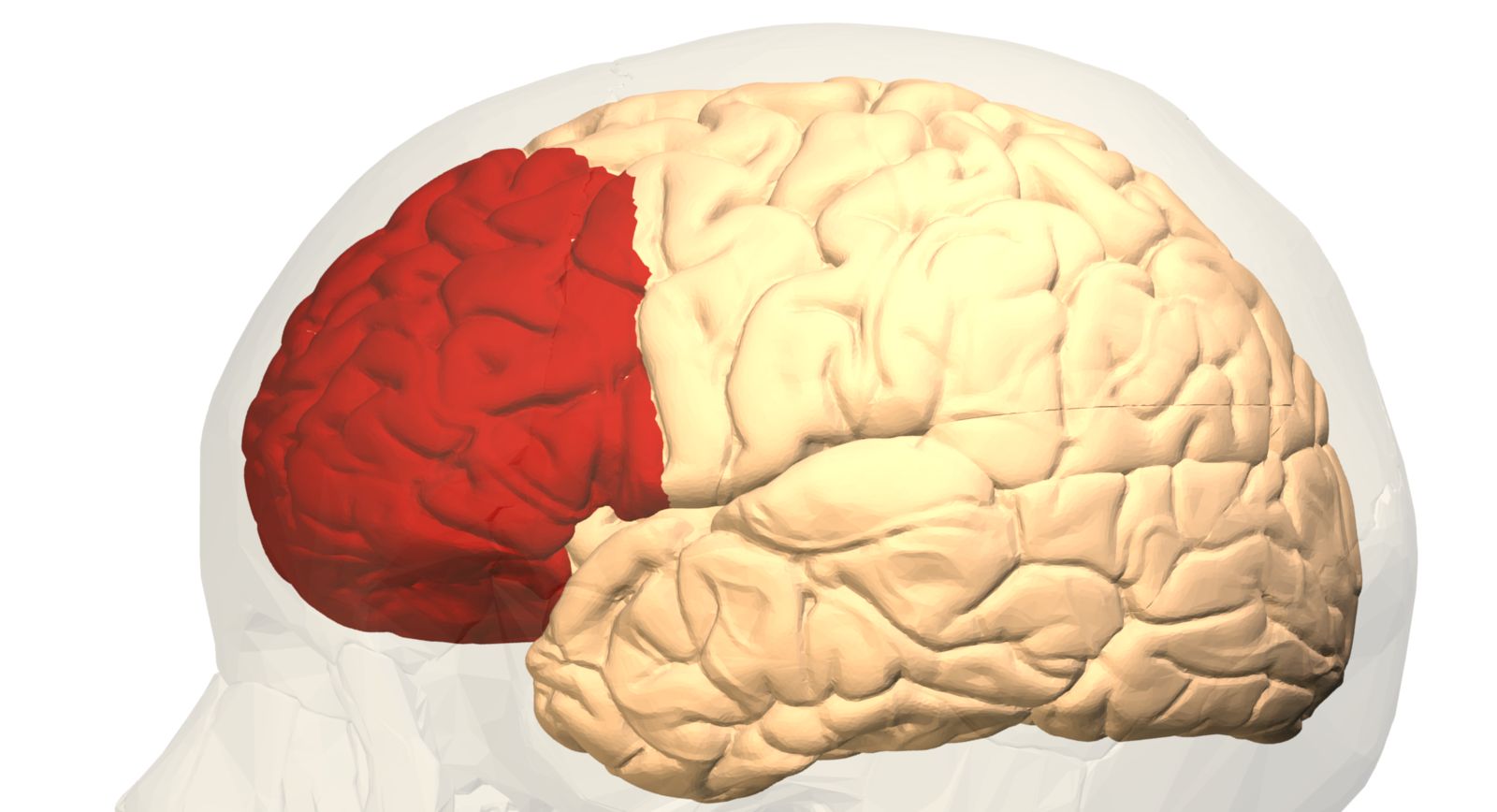
The most extensive gene expression map of the prefrontal cortex suggests that the maturation process is completed around age 24

The prefrontal cortex is a brain region involved in some of the defining characteristics of human beings, such as planning, complex problem-solving, and impulse regulation. Researchers from the PsychAD consortium have created the most comprehensive map to date of gene expression in this region across the lifespan. According to the authors, the maturation process is complete by approximately age 24. The study—which will facilitate research into aspects of aging and cognitive decline—is published in Nature alongside seven other papers describing disease-related alterations and new genetic risk factors.

0

A cellular map reveals how Down syndrome affects prenatal brain development

A study published in Science analyzed more than 100,000 human neocortical cells from weeks 13 to 23 of gestation, when cortical neurons are generated. The samples came from 26 donors, some with and others without Down syndrome. Using single-cell genomics, they observed how trisomy 21 disrupts the developmental sequence of various types of neurons, which could explain subsequent differences in cognition. A second study in the same journal, which examines the postnatal brains of children with Down syndrome, finds that many of these changes persist into childhood. The authors note that their study will not have short-term clinical applications, but they hope it can be used to develop specific drugs or create gene therapies. 

0