Elisa Pérez Ramírez

Elisa Pérez Ramírez

Elisa Pérez Ramírez
Position

Researcher in the Department of Infectious Diseases and Global Health at the Centre for Animal Health Research CISA-INIA, CSIC

Cases of avian influenza in birds are on the rise in Spain, which has lost its disease-free status
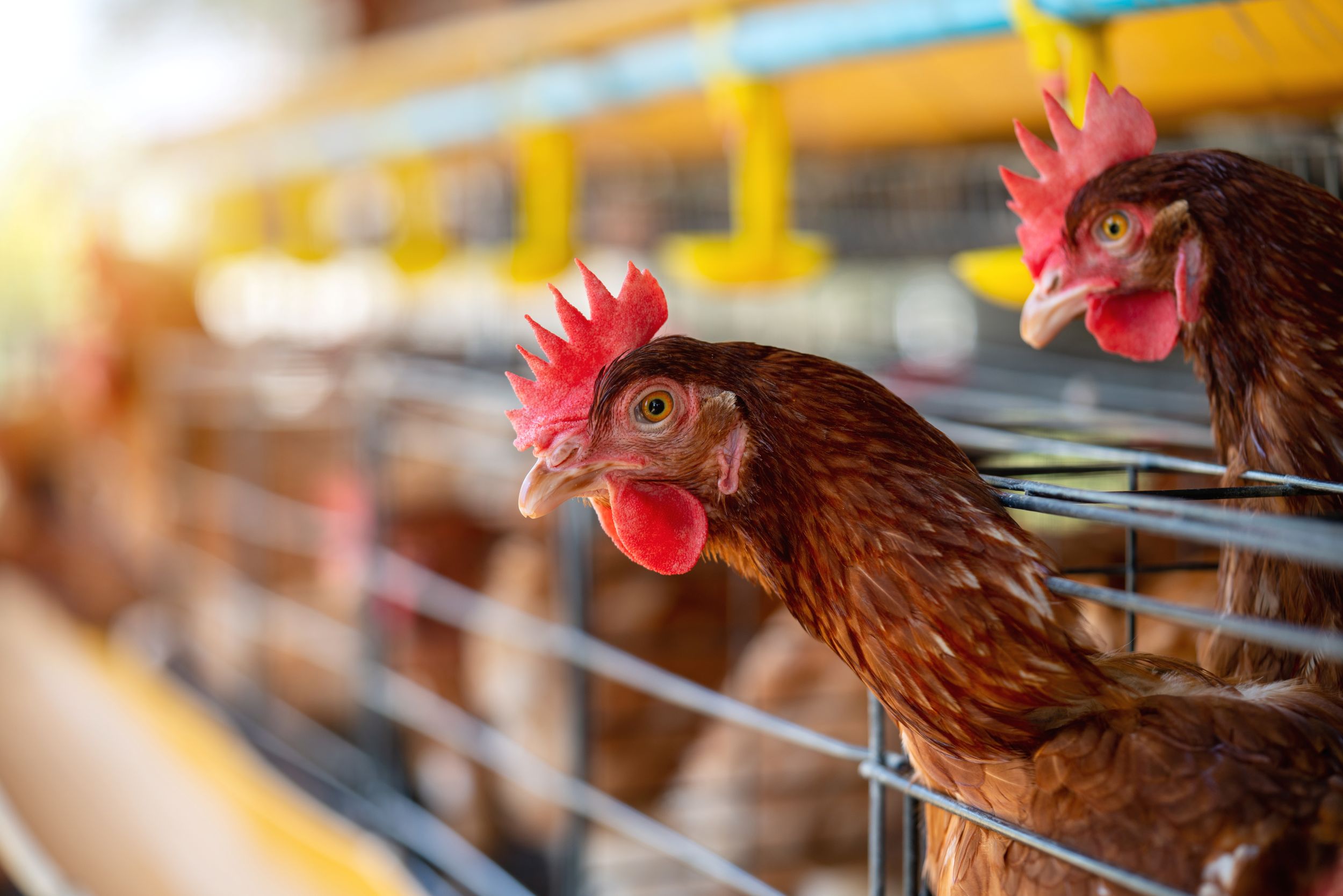
Avian influenza has returned to Spain this summer. In addition to a few cases in wild birds, since 18 July there have been several outbreaks in poultry in different autonomous communities, causing the country to lose its disease-free status. To answer questions about the situation, its possible causes, evolution and consequences, SMC Spain organised an information session with researchers Inmaculada Casas, Ursula Höfle and Elisa Pérez Ramírez.


0
Researchers warn of risks of letting bird flu spread in poultry in the US

US Department of Health Secretary Robert Kennedy Jr's proposal to let bird flu spread in turkeys and chickens to identify surviving animals would be "dangerous and unethical", a group of scientists warns in a policy forum article published by Science. In addition to the suffering of infected animals, allowing a highly lethal, rapidly evolving and contagious virus to follow a natural course of infection "would prolong exposure for farmworkers, which could increase viral adaptation and transmission risks for poultry, other peridomestic animals, and humans," they warn.

0

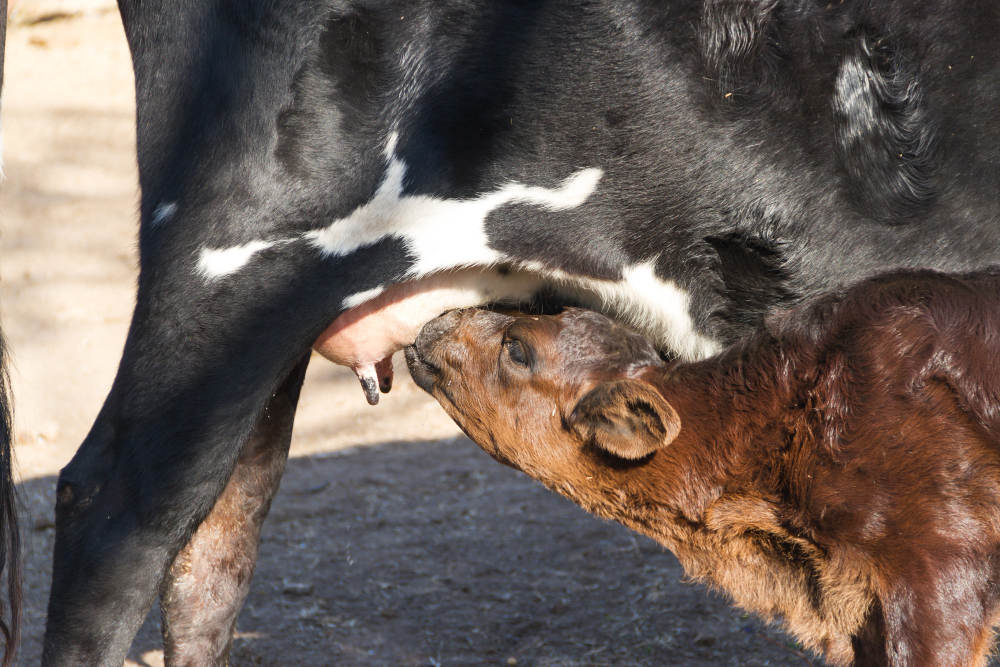
The H5N1 avian influenza virus is transmitted between mammals from contaminated cow's milk and reaches the mammary glands

The H5N1 avian influenza virus can be transmitted between mammals, according to a study published in Nature. The research team isolated the virus from the milk of an infected cow in New Mexico (USA) and found that it spreads in mice and ferrets, reaching the mammary glands of both animals. In addition, the virus was also transmitted from infected lactating mice to their offspring. The European Centre for Disease Prevention and Control (ECDC) has issued a press release on Monday recommending increased surveillance for these viruses.


0

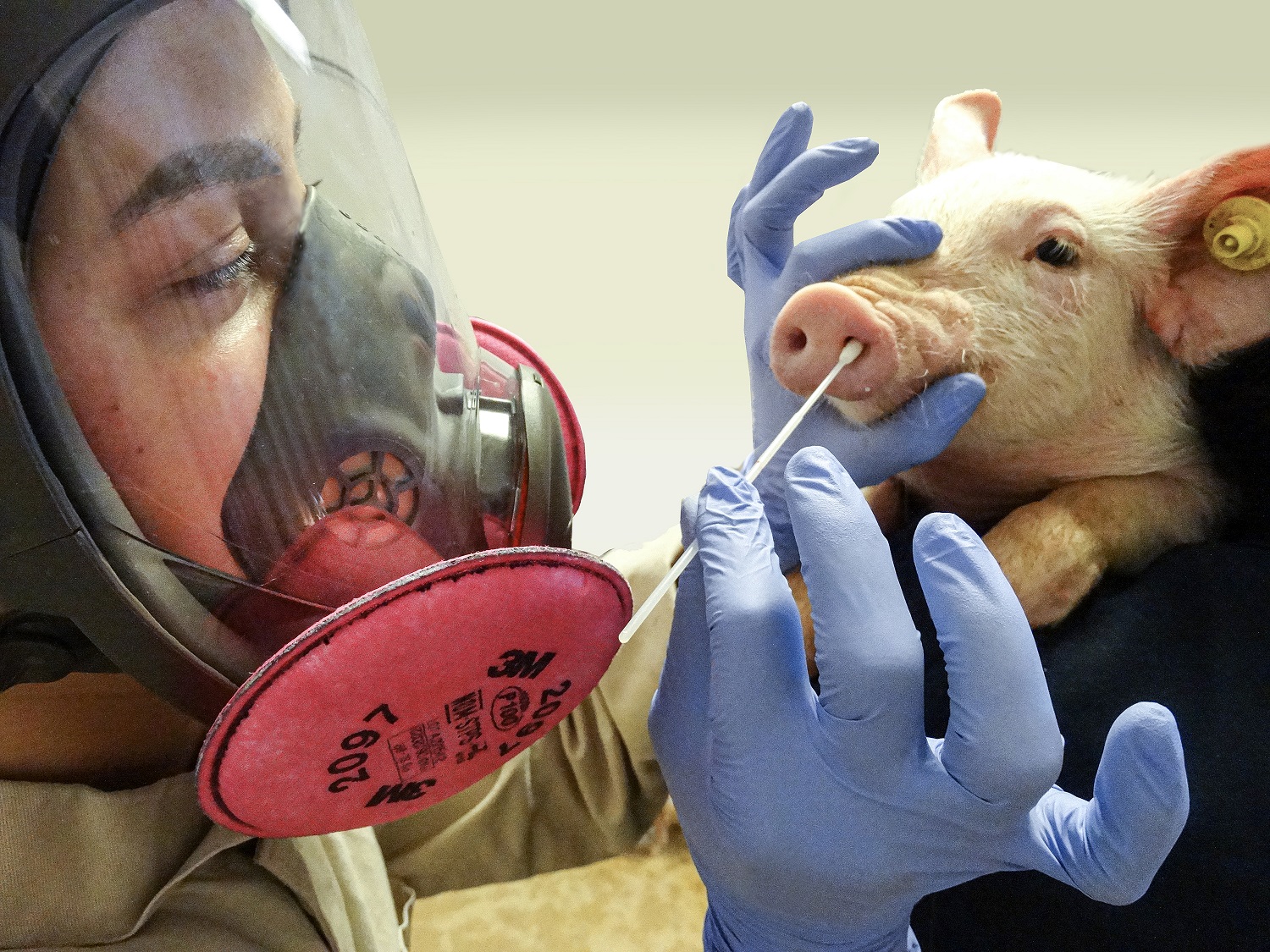
Reactions: The lineage of the so-called 'swine flu' has passed from humans to pigs almost 400 times since 2009

Influenza A can cause influenza in humans, birds, pigs, and other mammals. In 2009 and 2010, a pandemic caused by the pdm09 strain—popularly called 'swine flu' because it contained genetic sequences from avian, swine, and human influenza—caused thousands of human deaths worldwide. Since then, this lineage has crossed over 370 times from humans to pigs in the United States, according to a study published in PLOS Pathogens. The research also indicates that the circulation of the virus among pigs may cause further evolutionary changes in this lineage, which would increase the risk of the virus passing back to humans.

0

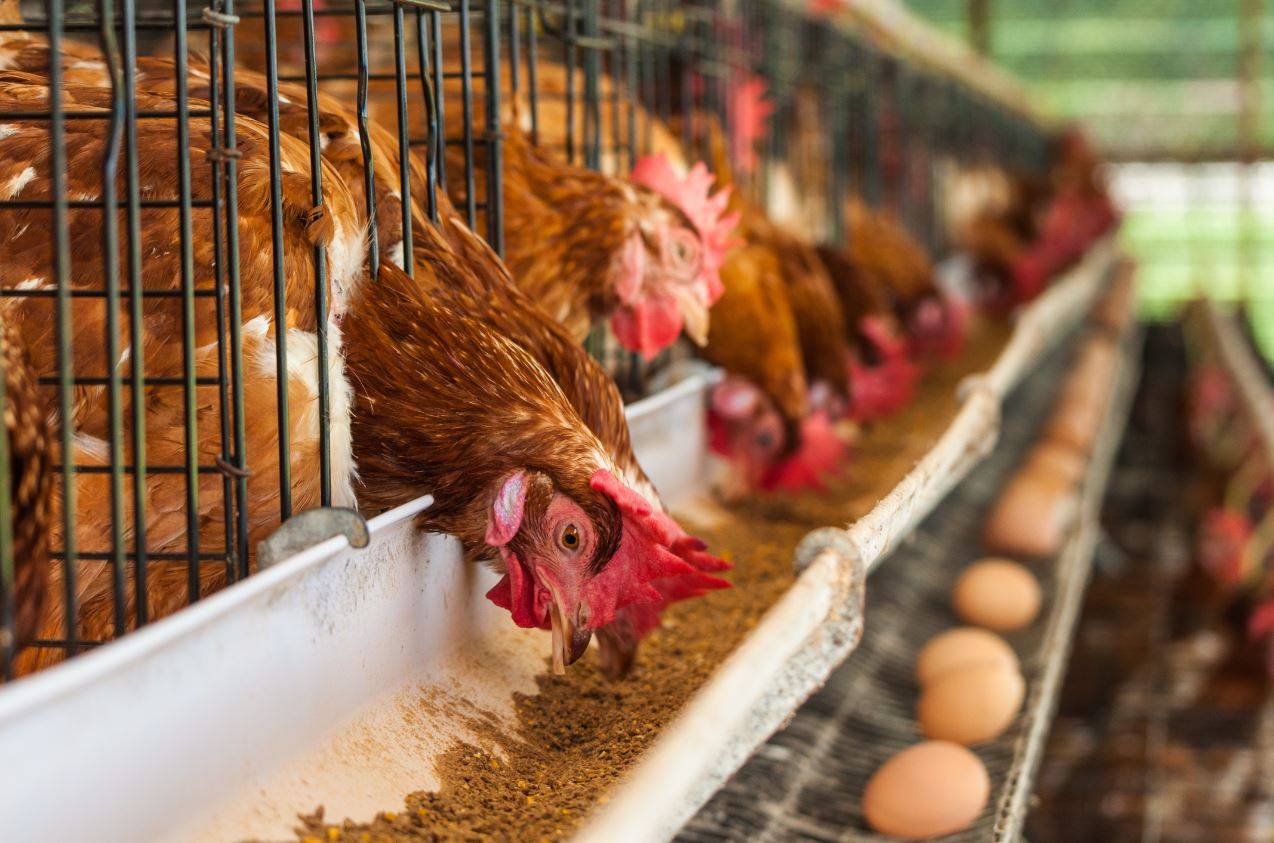
Reactions: bird flu cases detected in Spain in 2022 were not real infections

Analysis of the two asymptomatic cases of H5N1 avian influenza detected in Spain in autumn 2022 in workers at a poultry farm in Guadalajara has confirmed the theory that no actual infections occurred, but that both were in contact with genetic material of the virus found in the environment. Spain has recently modified its protocols, according to the analysis published in Eurosurveillance.

0