Carlos Pobes

Carlos Pobes

Carlos Pobes
Position

CSIC Tenured Scientist of the Q-MAD group at the Institute of Nanoscience and Materials of Aragon (INMA)

Highest-energy cosmic neutrino detected to date

An international team of scientists from the KM3NeT collaboration has detected the signal from the highest-energy cosmic neutrino to date, some 30 times higher than those previously detected. The result suggests that the particle came from beyond the Milky Way, although its precise origin has yet to be determined. The results are published in the journal Nature

0

Reaction: IceCube detects for the first time the emission of high-energy neutrinos from inside the Milky Way galaxy

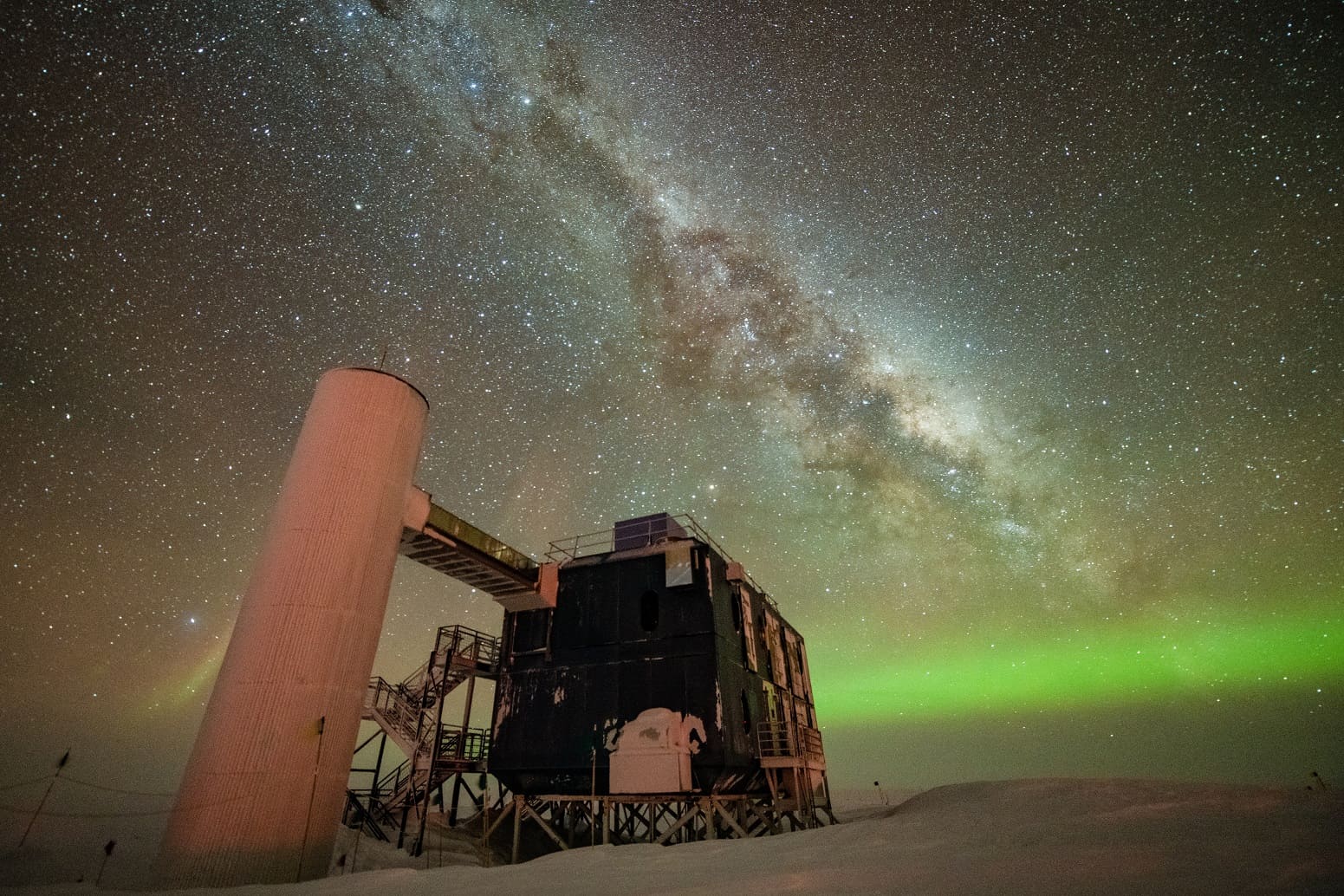
The IceCube neutrino observatory, built deep under Antarctic ice, has detected the emission of high-energy neutrinos from within the Milky Way. According to the research, published in the journal Science, this is the first time scientists have obtained solid evidence for the emission of these particles within our galaxy, as they had previously identified high-energy neutrino emission from extragalactic sources.

0

Reactions to the discovery of high-energy neutrinos emitted by an active galaxy

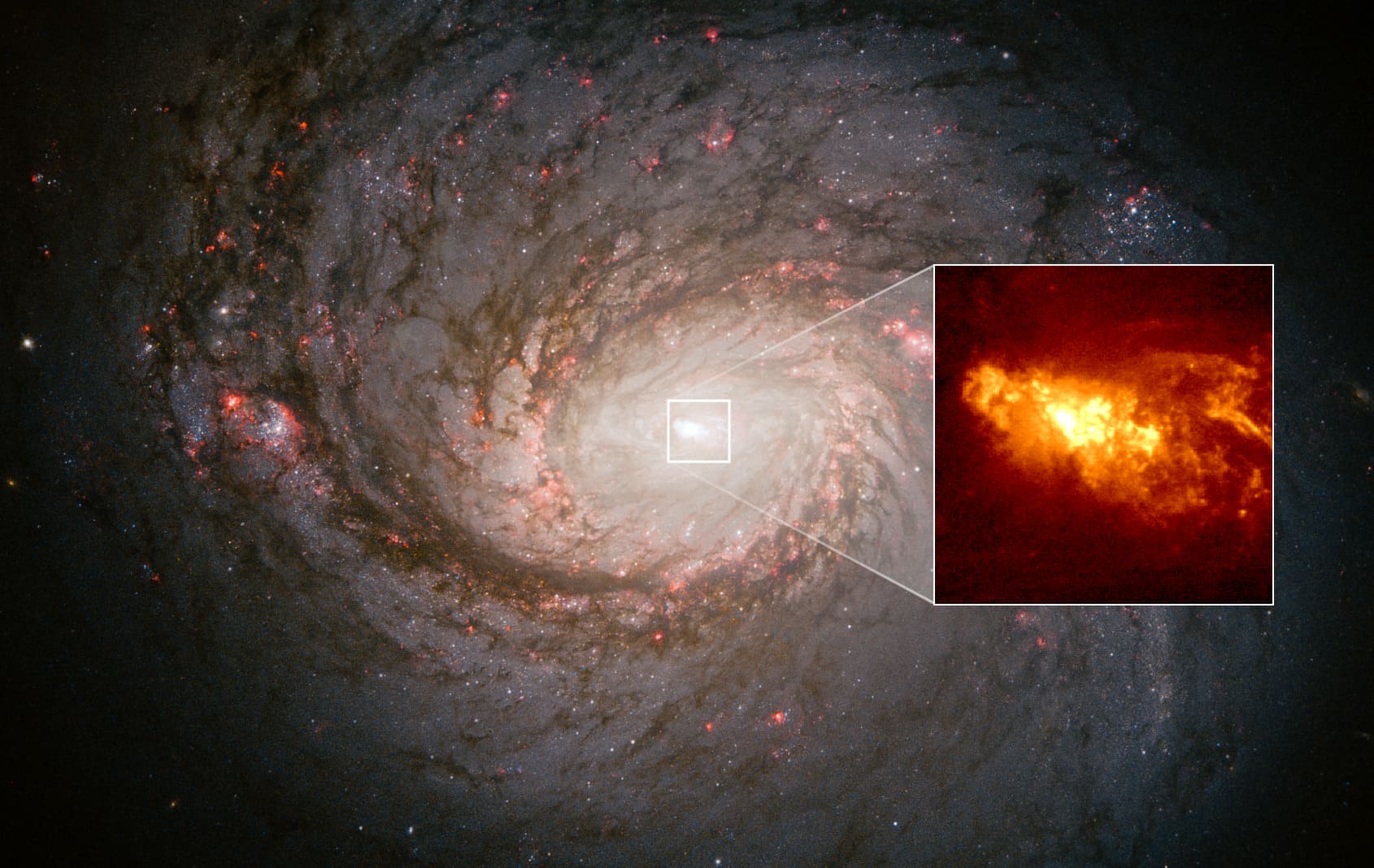
For the first time, the IceCube collaboration team has found evidence for high-energy neutrino emission from NGC 1068, an active galaxy 47 million light-years away with a supermassive black hole. The finding, made with the detector located under the Antarctic ice sheet, is published in the journal Science.

0

Reactions to experiment using neutrinos to understand quantum gravity

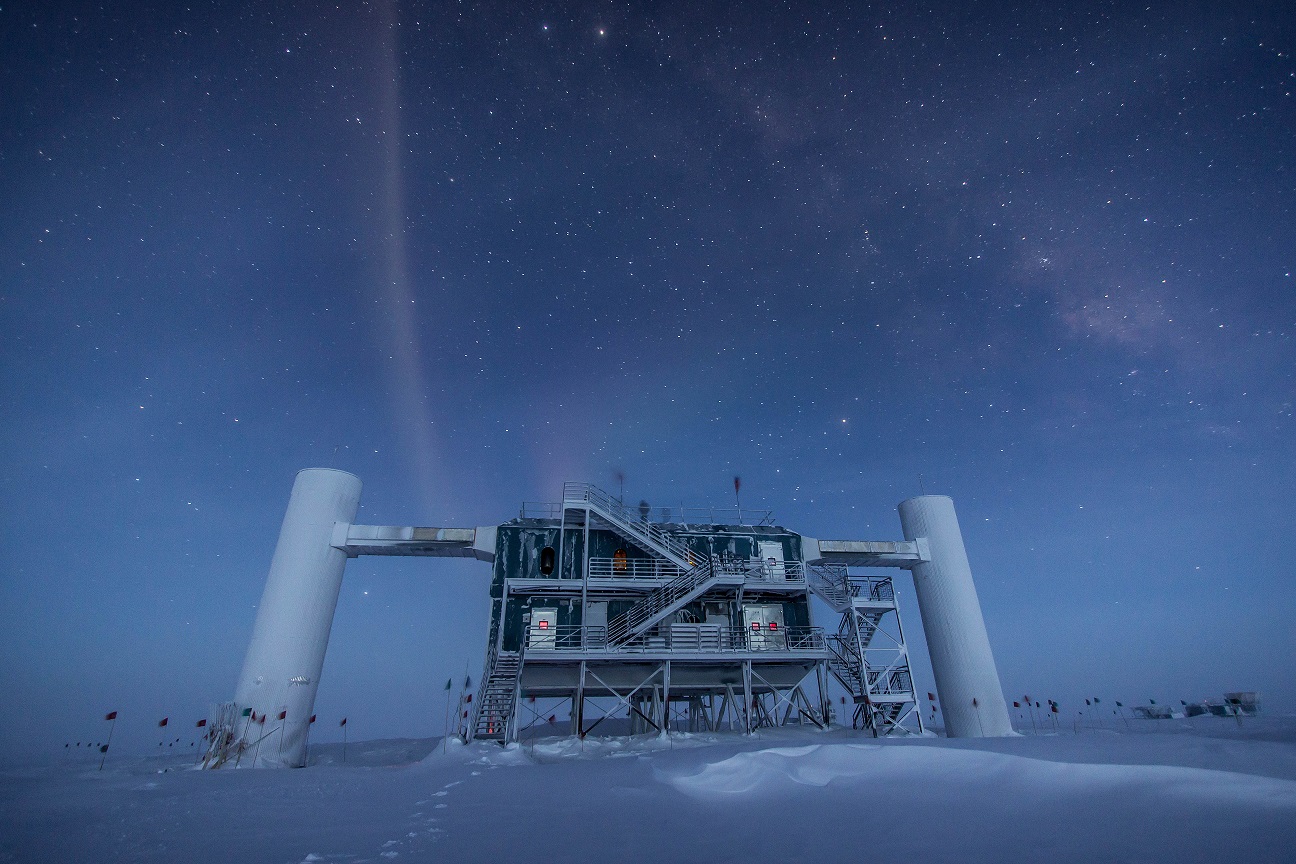
The IceCube collaboration, with its detector located under the Antarctic ice sheet, has used astrophysical neutrinos to search for changes in the structure of space-time. In the research, published in Nature Physics, the team analysed more than seven years of data and found no signs of a modified structure of space-time imprinted in the characteristics of these particles, a further step towards understanding quantum gravity. 
 

0