Spanish National Research Council (CSIC)
If you are the contact person for this centre and you wish to make any changes, please contact us.
'Ramón y Cajal' postdoctoral researcher at the Biologial Mission of Galicia and head of the ECOP research group – Landscape Ecology
Senior Scientist at the Spanish Institute of Oceanography, IEO-CSIC
Senior scientist at the CSIC at the Animal Health Research Centre (CISA), National Institute for Agricultural and Food Research and Technology (INIA)
Researcher at the Instituto Cajal, CSIC
Doctor in Ecology and postdoctoral researcher at the National Museum of Natural Sciences (CSIC) in Madrid
Professor of Economics at Durham University (United Kingdom), Research Professor at the Spanish National Research Council (CSIC) and Lead Author of the International Cooperation chapter of the IPCC's AR6
EMERGIA post-doctoral research in the Sky Quality Office
Research professor at public research organisations at the CSIC Institute of History, in the Department of Archaeology and Social Processes
Researcher at the Institute of Public Goods and Policies of the CSIC (IPP-CSIC)
CSIC research professor and expert in food safety and water quality
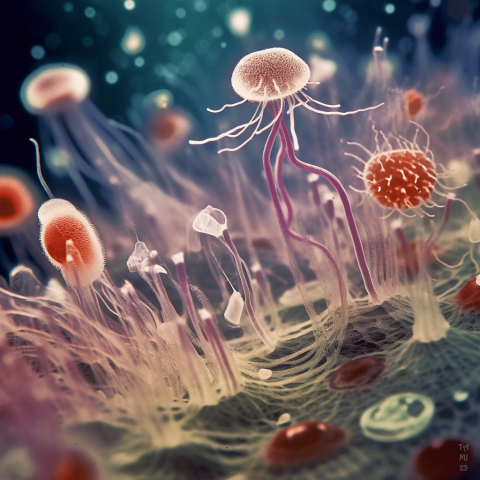
An international team has discovered a new type of molecular fossil in sedimentary rocks from the mid-Proterozoic - which spans from 2.5 billion to 542 million years ago. Protosteroids, a type of lipids found in abundance in those rocks, indicate that eukaryotes were a dominant life form in aquatic environments between 1.6 billion and 800 million years ago, the authors explain in Nature. The finding would confirm the theory of Nobel laureate Konrad Bloch, who predicted the existence of these primordial molecules.

A meta-analysis including 30 clinical trials published between 1980 and 2022 concludes that vegetarian and vegan diets are associated with lower blood lipid concentrations, including cholesterol. The research is published in the European Heart Journal.
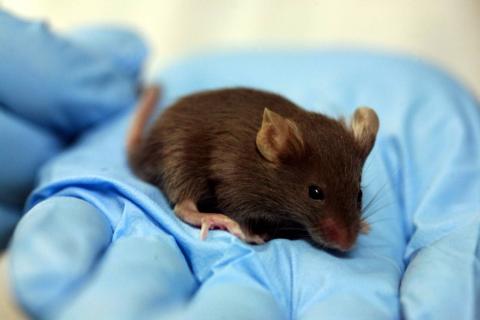
Researchers have shown that hypoxia, or oxygen restriction - equivalent to living at 5,000 metres above sea level - increases life expectancy by up to 50% and decreases neurological decline in laboratory mice. It has already been shown in yeast, worms and flies, but this is the first time it has been demonstrated in mammals. The results are published in the journal PLOS Biology.
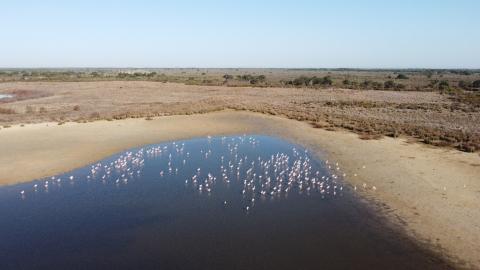
Species of birds common in the marshes of Doñana as the common tern, the brown pochard, the marbled teal, the marsh harrier or the black-bellied sandpiper have recorded a decline in their population for more than a decade, a trend that accelerated since 2019. This is one of the conclusions of the Report on the conservation status of waterfowl in Doñana, published today by SEO/BirdLife.
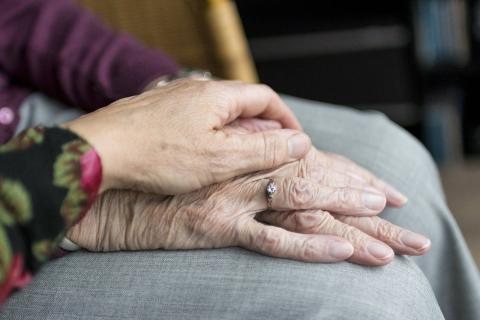
A study led by Spanish researchers and published in Science Advances has tested a new technique to improve gene therapy treatments for Parkinson's disease. Using ultrasound, they have managed to open the blood-brain barrier in specific areas, allowing the viruses used in the therapy to pass through and better reach the desired brain areas. After testing it on monkeys and three patients -patients were not given gene therapy, but the efficacy of the technique was tested using a radiotracer that does not normally cross the blood-brain barrier-, their conclusions are that the technique is safe and feasible and "could allow early and frequent interventions to treat neurodegenerative diseases".
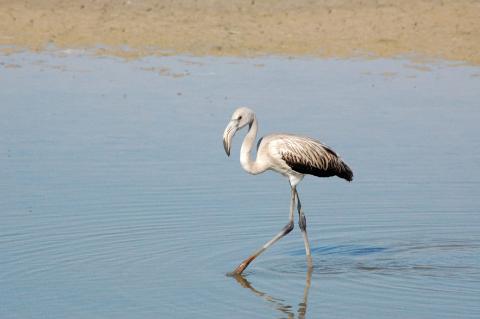
The Participation Council of Doñana has analysed this Monday in an extraordinary meeting the bill presented in the Andalusian Parliament that aims to extend the legal irrigation in the area. The Andalusian Government maintains its support for the new regulation, which will begin its parliamentary debate tomorrow, Wednesday, with the proposal to take the bill into consideration. For his part, the director of the Doñana Biological Station, Eloy Revilla, in his speech to the Council warned of the general deterioration of the lagoon system and pointed out that "the current exploitation of the aquifer is not sustainable". "Spain has been condemned by the European Court of Justice for failing to comply with its obligations under the Water Framework Directive and the Habitat Directive," he said. The Ministry for Ecological Transition has warned that it will take the law to the Constitutional Court.

Chinese researchers have succeeded in developing macaque embryo-like structures from embryonic stem cells. They have also managed to implant them in the uterus of female macaque monkeys and develop a hormonal response similar to that of a gestation, although they have only survived for about a week. According to the authors, whose research is published in Cell Stem Cell, these models could be used to improve our understanding of embryonic development and to investigate the causes of some early miscarriages.
The European Medicines Agency (EMA) has licensed Hipra's vaccine - currently called Bimervax - against SARS-CoV-2 as a booster in people aged 16 years and older who have previously been vaccinated with mRNA vaccines. The EMA began the ongoing evaluation of the vaccine, which was expected to be approved in the middle of last year, on 29 March 2022.

Research published in The BMJ has compared the information on cancer drugs available to regulatory authorities with that officially received by doctors and patients. According to the authors, important information is often omitted. In particular, "none of the package inserts communicated information about the benefits of the drug that patients could expect based on the results of the studies". In addition, doubts raised by European evaluators about the reliability of the evidence "were rarely communicated to physicians, patients or the public," they say.
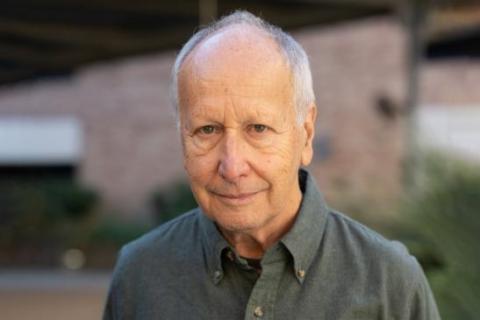
The Norwegian Academy of Science and Letters has awarded the Abel Prize to Luis A. Caffarelli, a native of Argentina with US-Argentine nationality, for his "fundamental contributions to the theory of the regularity of nonlinear partial differential equations". Considered the Nobel Prize of mathematics, the award recognises work over an entire career - unlike the Fields Medal, which is awarded for a result under the age of 40. Caffarelli has become the first Latin American to receive this award.