food

food

food

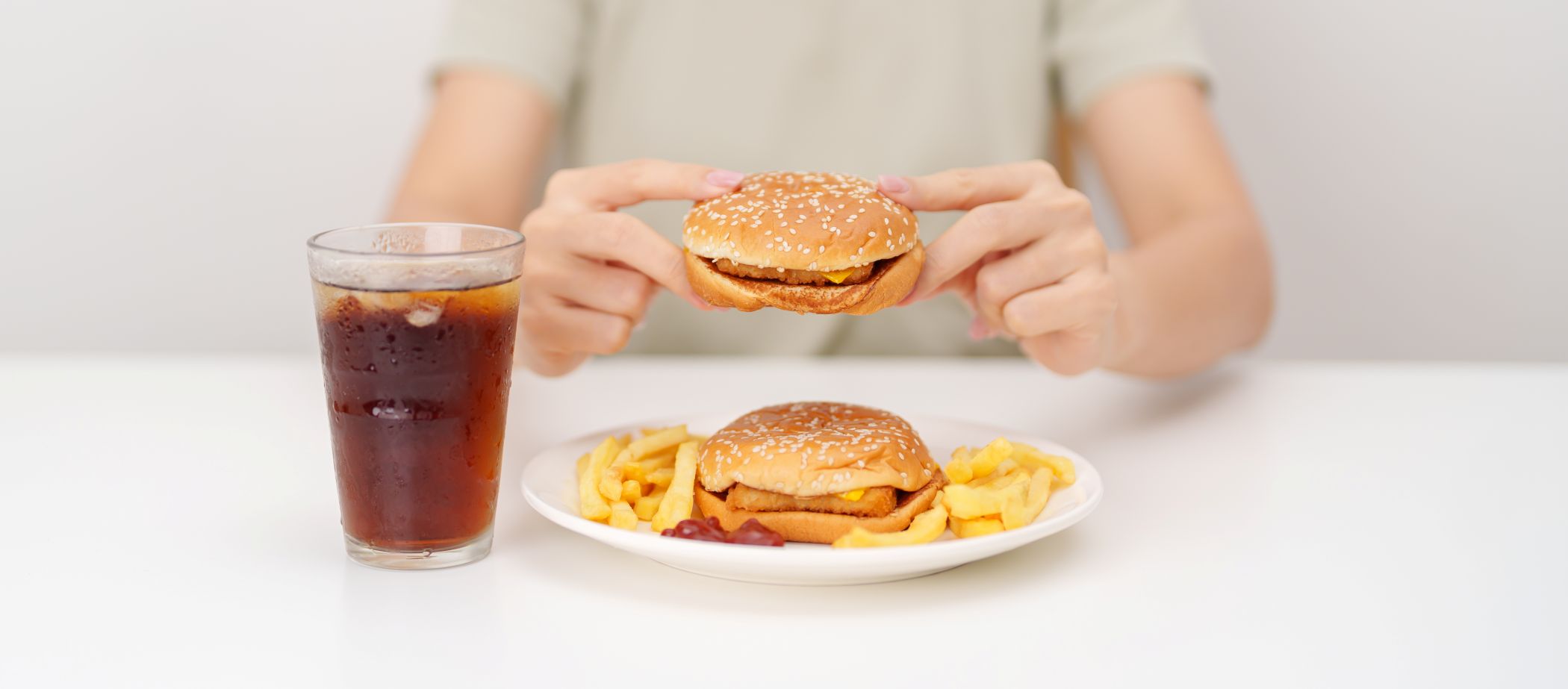
The ketogenic diet may be more beneficial in the short term than other diets for people with obesity, according to a small clinical trial

A team in the United States conducted a clinical trial to study the effectiveness of three types of diets in people with obesity, prediabetes, and fatty liver disease. For approximately five months, 42 people followed a low-carbohydrate, high-fat ketogenic diet, a Mediterranean diet, or a low-fat plant-based diet (14 in each group). Weight loss was similar in all three cases, but those who completed the high-fat diet showed a better response in markers associated with diabetes and liver metabolic function. The results are published in Cell Metabolism.

0

An analysis suggests that baby food pouches with spouts are more like sugary drinks or milkshakes than nutritious food

Baby foods sold in pouches with spouts — intended to supplement nutritional intake from six months onwards — tend to resemble sugary drinks and milkshakes more than nutritious foods, according to an analysis of products from the UK published in the journal Archives of Disease in Childhood, part of the BMJ group. The analysis shows that these products often have a higher sugar content and lower nutritional density than breast milk or infant formula, and frequently lack the texture needed to help babies learn to eat solid foods.


0

Reducing protein intake could promote healthier ageing in most people, according to a review of studies

Numerous sources, including the new dietary guidelines from the United States, recommend increasing protein intake. Now, a review of more than 350 studies —primarily in laboratory animals— carried out by two researchers suggests, on the contrary, that consuming less protein could have greater health benefits. According to the authors, “it is clear that protein provides benefits for muscle growth and the response to exercise in active people, but, given that most people are relatively sedentary, it is likely that many consume more protein than they actually need, which is likely to have negative health consequences”. The study is published in Cell Press Blue, a journal of the Cell group.

0

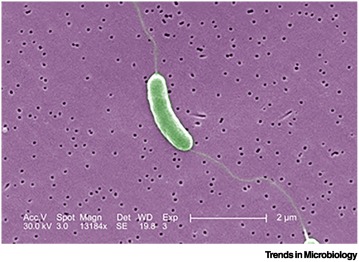
The bacterium Vibrio vulnificus is a rare threat in Spain, but one that is potentially serious for vulnerable people

Rising sea temperatures are promoting the spread of Vibrio vulnificus, the marine bacterium nicknamed the “carnivore,” which can cause serious infections. Last summer, the European Center for Disease Prevention and Control (ECDC) warned of an increased risk during the summer months, especially in the Baltic Sea. This bacterium has also been identified along the Spanish coast, but experts explain that swimming in the Mediterranean is safe for the general public, as the bacterium thrives in waters with lower salinity. Even so, they recommend that vulnerable individuals remain vigilant and avoid swimming if they have open wounds.

0

A noninvasive optical technique that makes it possible to determine the sex of chicks while they are still in the eggs

An article published in the journal Newton, part of the Cell Press group, has studied the optics of chicken eggs using a noninvasive technique known as time-domain diffuse optical spectroscopy. This technique is used to determine the absorption and scattering properties of the material based on the distribution of photons within the shell. The study shows that photons bounce off the shell numerous times inside the egg, making it possible to inspect its interior, determine whether the eggs have been fertilized, and detect the sex of the embryos. According to the research team, this technique could prevent the current culling of millions of male chicks at birth—since they do not lay eggs and are not profitable for the industry.

0

Social changes have led to a stronger link between genetics and obesity in recent decades, according to a study

A team from the UK has analyzed body mass index (BMI) and genetic variants associated with obesity in four generations of Britons born in 1946, 1958, 1970, and 2001—that is, before and after the rise in obesity rates. The results indicate that people with a genetic predisposition to a high BMI are likely more susceptible than others to changes in their environment that promote obesity, such as those that have occurred in recent decades related to ultra-processed food and sedentary lifestyles. In other words, although genetics has not changed, the obesogenic environment has strengthened its association with obesity. The work is published in Plos Genetics.  

0

Daily intake of a multivitamin supplement slightly slows biological ageing, according to a clinical trial

A clinical trial (COSMOS) involving 958 healthy adults with an average age of 70 tested the ability of a multivitamin supplement, together with cocoa extract, to slow ageing. The results, published in Nature Medicine, show that the supplement slightly slowed two of the five biological markers of ageing measured after two years of daily use. The two markers affected were PCPhenoAge and PCGrimAge, whose rate of increase was reduced by 2.6 months and 1.4 months respectively. The slowing effect was greater among participants who initially showed more accelerated ageing. Cocoa showed no effect.

0

Intermittent fasting is not as effective for weight loss in obese or overweight individuals, according to a meta-analysis

A meta-analysis published in the Cochrane Database of Systematic Reviews concludes that intermittent fasting is not particularly effective for weight loss in adults who are obese or overweight, who showed moderate weight loss. This strategy also does not differ significantly from standard dietary advice or improvement in quality of life. The review included 22 studies with nearly 2,000 participants and evaluated various forms of intermittent fasting, including restricting food intake for most of the day and fasting every other day.


0

Diet improvement at age 45 can extend life by two to three years, says study

Adopting a healthy diet at age 45 can add between two and three years to life expectancy in men, and between 1.5 and 2.3 years in women, according to a study based on data from more than 103,000 people in the United Kingdom. The positive impact is greater for men who follow a diabetes risk reduction diet (DRRD) and for women who follow a Mediterranean-style diet (AMED), says the article published in Science Advances.

0