food

food

food

Cells ‘remember’ obesity through epigenetic changes, which could explain the ‘yo-yo effect’

Adipose tissue retains a ‘memory’ of obesity through cellular transcriptional and epigenetic changes that persist after weight loss, which may increase the likelihood of regaining weight, experiments in human and mouse cells show. The findings, published in Nature, could help explain the problematic ‘yo-yo effect’, the rapid weight rebound often seen with dieting. 

0

Climate change and more destructive HLDD: are we prepared?

The DANA that devastated the province of Valencia on 29 October, leaving more than 200 people dead and many missing, has been followed by another one, still located over the peninsula. How can we adapt to these extreme phenomena? What repercussions do they have on public health? How can the public prepare for them? The Science Media Centre España organised a briefing session with two experts and an expert from the CSIC to discuss these questions. 

0

Report estimates 8% loss of GDP by 2050 due to global water crisis

An international report by the Global Commission on the Economics of Water says the water crisis puts more than half of the world's food production at risk by 2050. It also claims that it threatens an average loss of 8% of GDP in countries around the world by 2050, with losses of up to 15% in the lowest income countries. 
 

0

More than 3,000 chemicals in contact with food are identified in human samples

An international team of researchers has analyzed various data sources and scientific literature and identified 3,601 chemical substances in human samples such as blood, urine or breast milk that are known to be in contact with food, for example, because they are used in packaging. According to the authors of the study, “this work shows that food contact materials are not completely safe, even if they comply with regulations, because they transfer known substances to food". The research is published in the Journal of Exposure Science and Environmental Epidemiology.

0

Metagenome sequencing of bacteria, fungi, and yeasts present in more than 2,500 foods

An international team with Spanish participation has developed a database with the metagenome of bacteria, fungi, and yeasts present in more than 2,500 foods, mostly dairy products, followed by beverages and fermented meats. The authors identified more than 10,800 microorganisms, half of which were previously unknown species. The study, published in Cell, shows that food-associated microorganisms are present in 3% of the adult gut microbiome and 56% of that of newborns.

0

Keto diet improves results of pancreatic cancer drug in mice

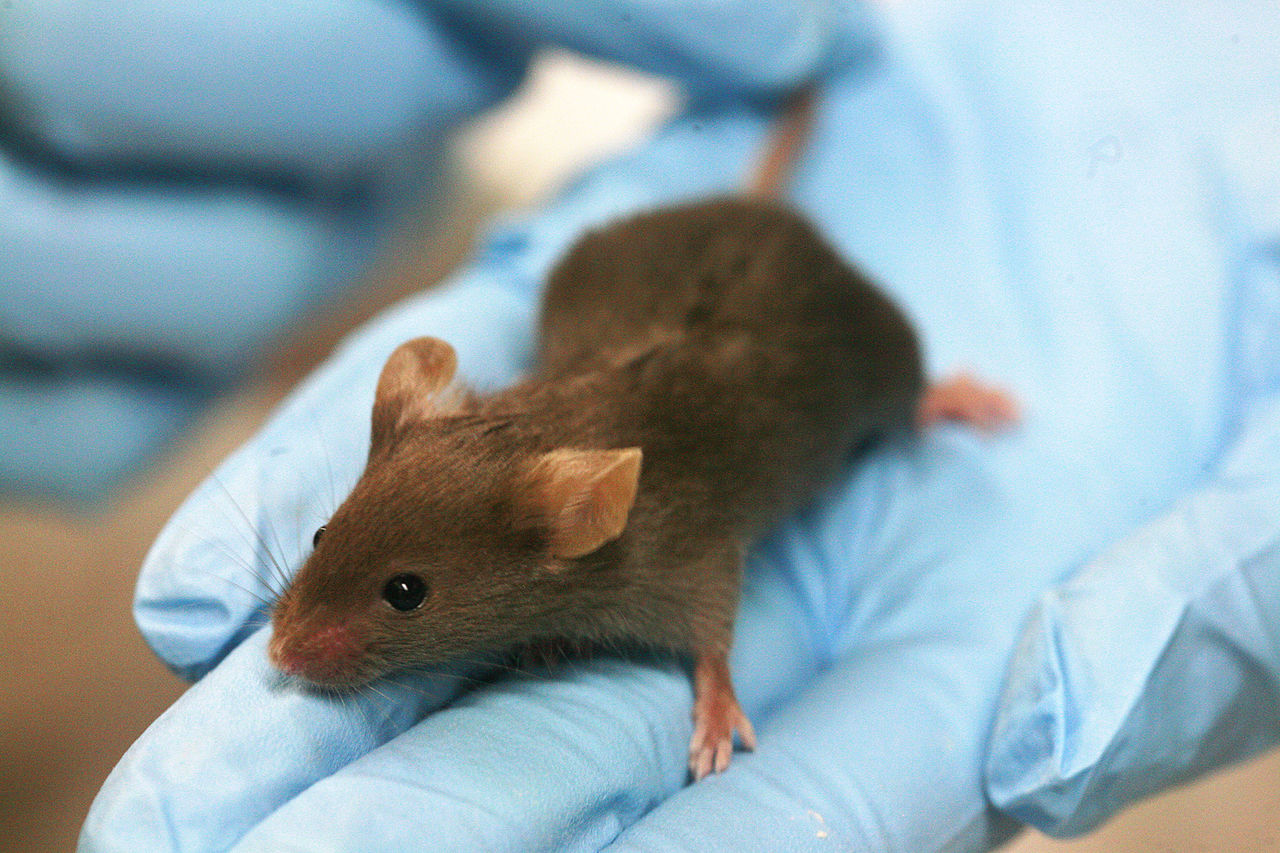
A ketogenic diet improves the results of a pancreatic cancer therapy in mice, according to a study published in Nature. The US research team fed the animals a high-fat, low-carbohydrate diet before administering them a new drug, currently in clinical trials; in the absence of glucose, the body converts fat into ketone bodies. The drug blocks the metabolism of fat - the cancer's only source of energy while the mice are on this diet - and slows the growth of pancreatic tumours. 

0

Short-term vegan diet associated with benefits in biological ageing

Eating a vegan diet for eight weeks is associated with reductions in biological age estimates based on levels of DNA methylation, a type of chemical modification of DNA that alters the expression of genes, but not the DNA itself. This is the main conclusion of a study published in BMC Medicine in which 21 pairs of twins participated in a clinical trial. Of each pair, one person followed an omnivorous diet and the other a vegan - and lower calorie - diet during that period.

0

A structure for growing cultured meat improves its flavour by releasing compounds when heated

South Korean scientists have developed a type of matrix for growing meat that releases meat flavour compounds upon reaching cooking temperature. According to the researchers, who publish their results in the journal Nature Communications, the cultured and cooked meat has "a flavour pattern similar to that of grilled beef".

0

Study finds correlation between high salt intake and atopic dermatitis

A higher intake of salt - as measured by the concentration of sodium in urine - is associated with an increased likelihood of atopic dermatitis, says a study published in JAMA Dermatology. The researchers used data on the amount of sodium in urine samples from more than 215,000 people in the UK, collected in a previous study. The authors suggest that restricting salt intake "may be a cost-effective and low-risk intervention" for this skin disease. 

0

Study shows correlations between consumption of different types of ultra-processed foods and mortality

People who eat more ultra-processed foods have a "slightly higher" mortality rate, according to an analysis published in The BMJ. The study analysed data from more than 110,000 people followed up for over 30 years in the United States. The correlation between ultra-processed food intake and all-cause mortality was strongest for the meat, poultry and seafood group. 

0