Scientists

Scientists

For science to make the news in a rigorous and attractive way, good sources are needed. Because access to scientific knowledge is a citizen's right.

¿Qué me ofrece?

Help science make headlines with rigour and context. We’ll ask you for feedback on current events in your field and you can participate in the briefings we’ll organise. Need to prepare for an interview? Use our resources on science communication.

Icono
Cómo trabajamos

We’re on the lookout for controversial information about science and we will contact you for your analysis in your area. Do you want to be part of our sources? Contact us. We will not pass your contact details on to anyone else. You can find out more about how we work here.   

Título qué me ofrece
What we offer you
Título cómo trabajamos
How we work

Newborn genetic screening outperforms standard screening in detecting more serious diseases, preliminary study finds

Early results from a study of newborn screening methods show that DNA analysis detects many more serious preventable or treatable diseases than standard newborn screening. The study, published today in the journal JAMA, is one of the first large-scale studies in the world to use genome sequencing as a method of newborn screening and is the first to publish preliminary results. 

0

Mondays and New Year's Day have a higher risk of suicide, says international study

An international team with Spanish participation has analysed which day of the week has the highest risk of suicide mortality, and it is Monday. The research, published in The BMJ, includes more than 1,700,000 suicide cases registered in 26 countries - including Spain - from 1971 to 2019. The data also show a sharp increase in the risk of suicide on New Year's Day in most of the countries analysed. Taking these results into account, the authors propose that they should be used to define plans and awareness-raising campaigns.

0

A tool capable of adding a watermark to AI-generated text to detect it has been developed

A study published in the journal Nature describes a tool capable of inserting watermarks into text generated by large linguistic models - artificial intelligence (AI) systems - thereby improving their ability to identify and track artificially created content. The tool uses a sampling algorithm to subtly bias the model's choice of words, inserting a signature that can be recognised by the detection software.

0

New method developed to capture CO2 directly from the air

Current carbon capture technologies to mitigate climate change only work well when applied to concentrated sources, such as power plant exhaust gases. An international team of researchers has developed a new method using a special porous material capable of capturing CO2 directly from the air, despite its low concentration. According to the authors, who publish their results in the journal Nature, this technology ‘represents a significant step towards clean air’.

0

Adults with early-onset type 2 diabetes are almost four times more likely to die than the general population

A team of researchers has analysed the evolution of 4,550 people aged 25 to 65 diagnosed with type 2 diabetes who had been studied for 30 years in the UK. They found that those diagnosed before the age of 40 had a risk of dying almost four times higher than in the general population. If diagnosed later, the risk was 1.5 times higher. The authors publish their findings in the journal The Lancet Diabetes & Endocrinology.

0

Living in a state reduced the risk of lethal violence against women in pre-Hispanic Andean societies

In pre-Hispanic Andean societies, the gender of individuals and the political organisation of the region where they lived had a major impact on the physical violence they experienced, says a study published in PNAS. Living in a state ‘drastically’ reduced the likelihood of lethal violence for women, but not for men. The study analysed archaeological data from more than 8,600 adults collected in 169 studies and dating from 155 sites.

0

Home brain stimulation device improves symptoms of depression, clinical trial finds

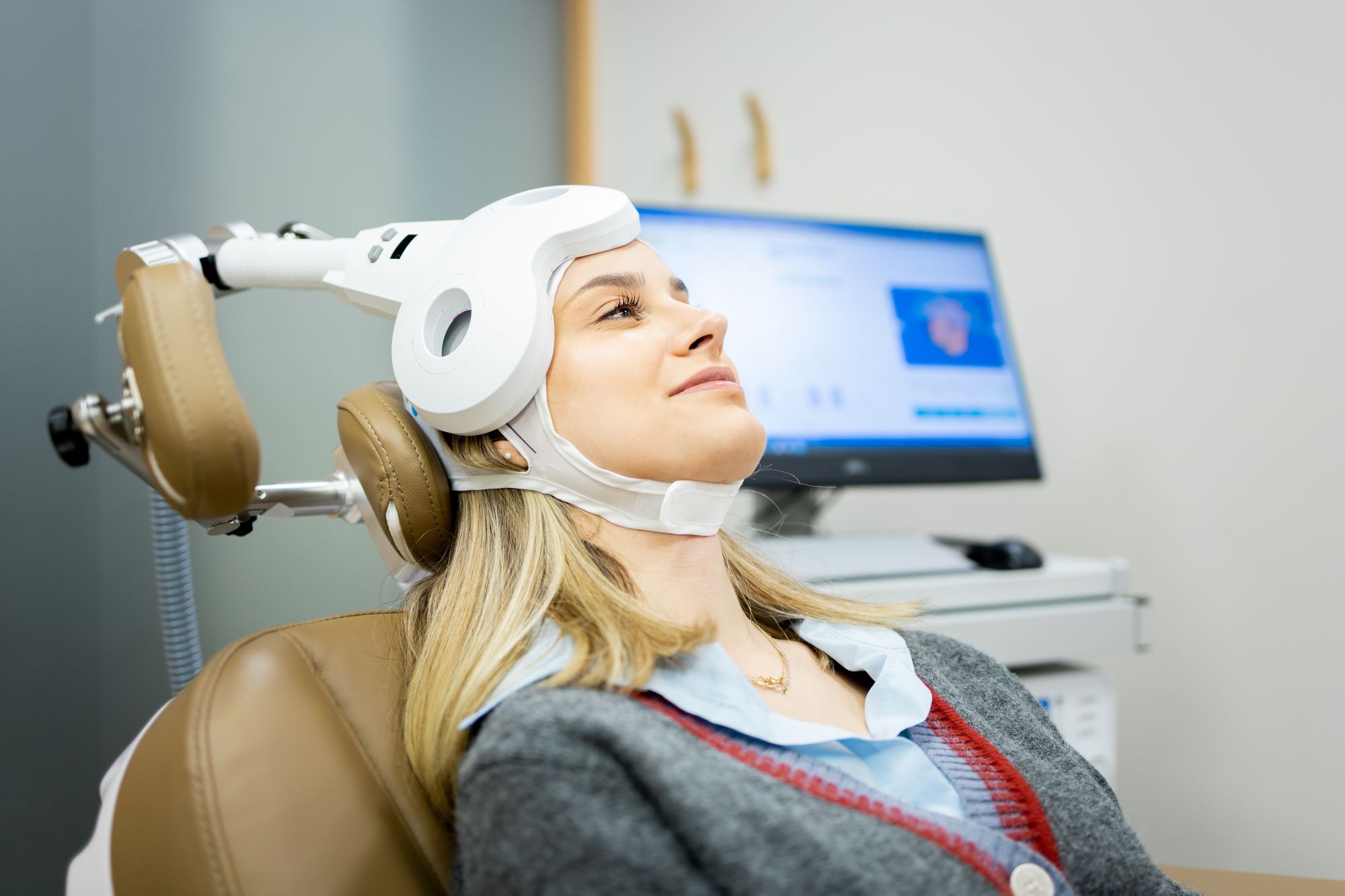
A phase 2 clinical trial has tested the efficacy and safety of a transcranial magnetic stimulation device used at home to treat major depression in 174 patients. After dividing them into two groups, one group received the treatment and the other a placebo procedure. After ten weeks, both groups had improved their symptoms, but the improvement in the active treatment group was 0.4 points greater on the Hamilton depression scale. According to the authors, who publish the results in the journal Nature Medicine, ‘it could potentially serve as a first-line treatment for major depression’.

0

Self-harm remains neglected globally, with at least 14 million episodes per year

A report by the Lancet Commission on Self-Harm highlights that at least 14 million episodes of self-harm occur each year - particularly among young people and in low- and middle-income countries. The paper argues that their impact has been neglected by governments globally and sets out a series of recommendations to reduce their incidence. 

0