cardiovascular diseases

cardiovascular diseases

cardiovascular diseases

People with type 1 and type 2 diabetes are at greater risk of sudden cardiac death

A study published in the European Heart Journal shows that people with type 1 and type 2 diabetes have a higher risk of sudden cardiac death than those without these diseases. In addition, their life expectancy is lower. The research analysed data from 6,862 cases of sudden cardiac death in Denmark in 2010, and concluded that the incidence of these deaths is 3.7 times higher in people with type 1 diabetes than in the general population, and 6.5 times higher in people with type 2 diabetes. Those under the age of 50 were at the highest risk.

0

Colchicine use reduces strokes and heart attacks in people with cardiovascular disease, according to a Cochrane review

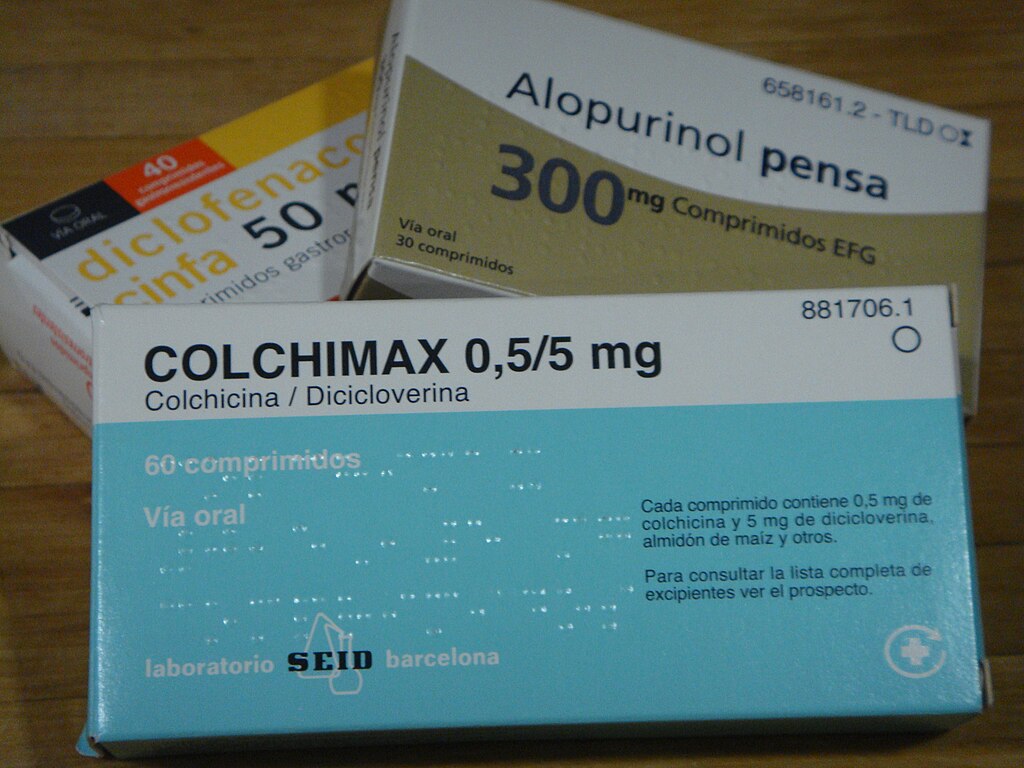
A review conducted by the Cochrane Collaboration analyzed the effects of colchicine—a medication commonly used to treat some rheumatic diseases—on people who had already experienced a cardiovascular event. The review included 12 clinical trials with more than 23,000 patients and concluded that colchicine reduces the risk of stroke or heart attack in these individuals. Overall, for every 1,000 people treated, there were 9 fewer heart attacks and 8 fewer strokes compared to those who did not take the medication, with no apparent serious side effects.

0

Prevalence of pediatric hypertension nearly doubled in the last 20 years

The prevalence—proportion of cases—of hypertension in minors has almost doubled worldwide between 2000 and 2020, rising from 3.4% to 6.53% in boys and slightly less in girls, according to a systematic review published in The Lancet Child & Adolescent Health. The study brings together data from nearly 444,000 children and adolescents up to the age of 19 in 21 countries.

0

Using beta blockers does not benefit patients who have survived a heart attack with normal cardiac function, according to a new study

A meta-analysis concludes that the use of beta-blockers is not necessary in patients who have suffered a heart attack but have normal cardiac function. The research, coordinated in Spain by the CNIC, brings together data from five clinical trials and 17,801 patients. One of these trials, REBOOT, already showed that patients who did not have reduced cardiac function after a heart attack did not benefit from treatment with beta blockers. According to this recent meta-analysis, published in the New England Journal of Medicine and presented at the American Heart Association Congress in New Orleans (USA), the use of these drugs does not reduce mortality, reinfarction or heart failure in this group of patients.

0

The risk of myocarditis in children vaccinated against COVID-19 between in the United Kingdom was much lower than in those infected

The Pfizer-BioNTech COVID-19 vaccine has been linked to rare cases of heart inflammation in children and young people. The largest study of these risks in children, published in The Lancet Child & Adolescent Health, concluded that receiving the vaccine is associated with a risk of developing myocarditis or pericarditis within six months of 0.85 additional cases per 100,000 vaccinated children; while after COVID-19 infection, the risk is 2.24 additional cases per 100,000. The study used data from 98% of the British population under the age of 18 (almost 14 million) between January 2020 and December 2022.


0

Continued use of melatonin for insomnia is associated with an increased risk of heart failure

Taking melatonin supplements to treat insomnia for more than a year is associated with an increased risk of heart failure—including an increase in hospitalisations and mortality—within five years of use, according to a study presented at a conference of the American Heart Association. The study compared a group of 65,000 adults diagnosed with insomnia who had a prescription for melatonin with another group who did not have a prescription for this supplement.

0

Stem cell therapy is associated with a lower risk of heart failure after a heart attack, according to a study

[The BMJ published an "expression of concern" about this study on November 12] A phase 3 clinical trial has analyzed the effectiveness of administering stem cells to prevent heart failure in people who have suffered a major heart attack. The trial included 396 patients, 136 of whom received a stem cell infusion. According to the results, published in The BMJ, the treatment significantly reduced the rates of heart failure, although it did not affect mortality.

0

Women remain underrepresented in clinical trials for cardiovascular diseases

An international team has analysed gender representation in more than 1,000 clinical trials on cardiovascular disease between 2017 and 2023, involving more than one million people. Although female participation has increased, especially in areas such as obesity and heart failure, women continue to be underrepresented overall compared to men. The results, presented at the European Society of Cardiology (ESC) Congress held in Madrid from 29 August to 1 September, are published in JAMA Network Open.

0

Most ADHD drugs, not just stimulants, affect heart rate and blood pressure

An international team has carried out a review of studies and a meta-analysis on the cardiovascular safety of the drugs used to treat ADHD (attention deficit hyperactivity disorder). Their conclusions are that most of them, and not just the stimulants, affect the pulse and blood pressure. According to the authors, who publish the results in the journal The Lancet Psychiatry, although the changes are slight, ‘professionals should monitor blood pressure and pulse in patients with ADHD treated with any pharmacological intervention’.

0