Scientists

Scientists

For science to make the news in a rigorous and attractive way, good sources are needed. Because access to scientific knowledge is a citizen's right.

¿Qué me ofrece?

Help science make headlines with rigour and context. We’ll ask you for feedback on current events in your field and you can participate in the briefings we’ll organise. Need to prepare for an interview? Use our resources on science communication.

Icono
Cómo trabajamos

We’re on the lookout for controversial information about science and we will contact you for your analysis in your area. Do you want to be part of our sources? Contact us. We will not pass your contact details on to anyone else. You can find out more about how we work here.   

Título qué me ofrece
What we offer you
Título cómo trabajamos
How we work

What to expect from the Baku Climate Summit

Next Monday sees the start of COP29 in Baku, the capital of Azerbaijan, a summit marked by Donald Trump's victory as president of the United States on Tuesday. His denial of climate change and his commitment to fossil fuels during his previous term in office will weigh down a meeting from which no major agreements are expected and from which experts are calling for greater ambition. 

0

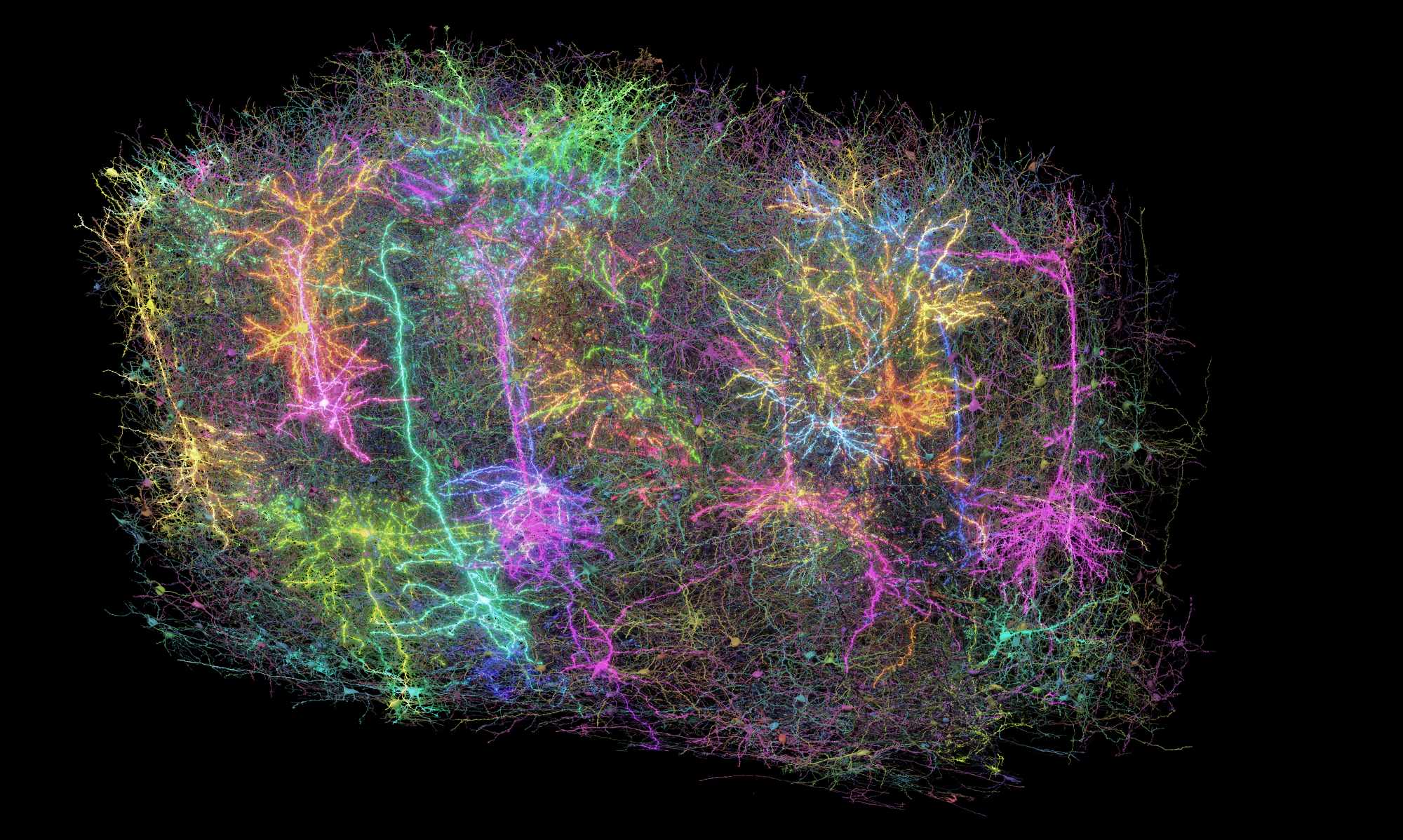
Astrocytes, like neurons, would also store memories

Until now, memories have been explained by the activity of neurons that respond to learning events and control recall. A study published in Nature changes this theory by showing that non-neuronal cells in the brain called astrocytes - star-shaped cells - also store memories and work in concert with clusters of connected neurons called engrams to regulate the storage and retrieval of memories.

0

What impact will Donald Trump's victory have on climate change?

For the second time, Donald Trump has won yesterday's US presidential election. The Republican leader returns to the White House four years later, after a first term in office with climate policies that ran counter to scientific evidence. Among other controversial measures, he abandoned the Paris Agreement and repeatedly denied the existence of climate change. 

0

The heavy rainfall of the Valencia DANA was mainly due to climate change, according to a study

A study by a team from the ClimaMeter project claims that the intensification of rainfall from the DANA that devastated Valencia and other regions on 29 October is mainly attributed to human-induced climate change. Natural climate variability, on the other hand, probably played a modest role. According to the analysis, this DANA was driven by very exceptional weather conditions. The work also shows that the DANA-like depressions that cause flooding in the southeastern peninsular are up to 15 % wetter than they were in the past. In addition, temperatures are up to 3°C warmer, which favours storm formation in these events over the Mediterranean basin. 

0

First mapping of the human spliceosome, the machinery that allows multiplying the variety of proteins from the same DNA

A team of researchers led by the Center for Genomic Regulation in Barcelona has mapped the human spliceosome for the first time. This complex and partially unknown cellular machinery is responsible for cutting and splicing the RNA fragments encoded by genes in different ways, making it possible to obtain a wide variety of proteins from the same sequence. Its alteration is related to processes such as cancer, neurodegenerative processes or various rare diseases. According to the researchers, who publish the results in the journal Science, “by knowing exactly what each part does, we can find completely new angles to address a broad spectrum of diseases”.

0

The rationing of sugar in early years reduces the risk of chronic diseases in adulthood

The restriction of sugar during the first 1,000 days of life, starting from gestation, may protect against diabetes and hypertension in adulthood, according to a study published in Science. The research uses data from sugar rationing implemented in the United Kingdom after World War II. The findings highlight the long-term benefits of reduced sugar intake during early development.

0

A collection of atlases of tumors makes it possible to study their onset and evolution

The HTAN (Human Tumor Atlas Network) consortium is simultaneously publishing 11 papers in different journals of the Nature group. These include analyses of the architecture of tumors and their environment in more than 2,000 patients and twenty different locations, which will make it possible to study how they start and evolve. Among the novelties found are new clues about the development of metastasis and resistance to treatments, and the finding that colorectal cancer can arise from multiple cells with different mutations that act collectively, instead of from a single initial clone as previously thought.

0