Scientists

Scientists

For science to make the news in a rigorous and attractive way, good sources are needed. Because access to scientific knowledge is a citizen's right.

¿Qué me ofrece?

Help science make headlines with rigour and context. We’ll ask you for feedback on current events in your field and you can participate in the briefings we’ll organise. Need to prepare for an interview? Use our resources on science communication.

Icono
Cómo trabajamos

We’re on the lookout for controversial information about science and we will contact you for your analysis in your area. Do you want to be part of our sources? Contact us. We will not pass your contact details on to anyone else. You can find out more about how we work here.   

Título qué me ofrece
What we offer you
Título cómo trabajamos
How we work

Last round of plastics treaty talks ends without agreement

The fifth session of the United Nations Intergovernmental Negotiating Committee to develop an international legally binding instrument on plastic pollution (INC-5) ended without a treaty in Busan, South Korea, in the early hours of the morning. The more than 100 countries participating in what was to be the final round of negotiations have agreed to continue negotiating, reports Reuters.

0

Paediatric HIV, a major challenge on World AIDS Day

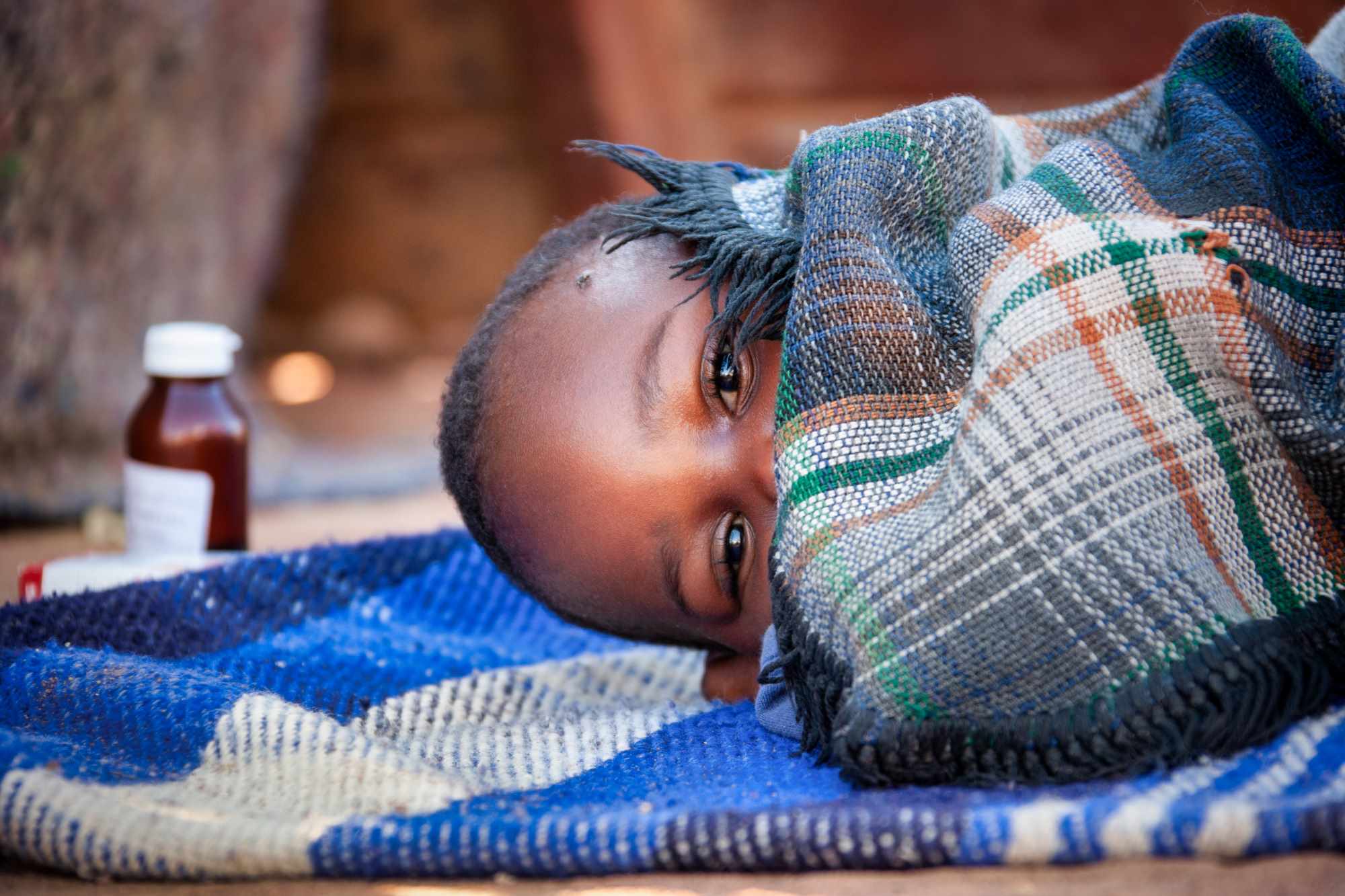
In the context of World AIDS Day, which is celebrated on 1 December, it is essential to reflect on one of the most urgent challenges in the fight against this disease: HIV in the paediatric population. A project led by the Complutense University of Madrid seeks to reduce paediatric mortality by training research leaders in sub-Saharan Africa and applying technology and innovation.

1

Outrage facilitates the spread of misinformation on social networks

According to a study published in Science, social media content containing misinformation provokes more moral outrage than content containing accurate information, and this outrage facilitates the spread of misinformation. In addition, the results also showed that people are more likely to share this outrage-provoking misinformation without reading it first. 

0

Footprints of coexistence of different hominids described in Kenya 1.5 million years ago

At least two hominin species - Homoerectus and Paranthropus boisei- coexisted in Kenya's Turkana Basin around 1.5 million years ago, a study published in Science confirms. The authors describe the first physical evidence of this coexistence in the form of footprints, found at several sites in the area.

0

Most sites in North America that will host the 2026 World Cup are at high risk of extreme heat

Ten of the 16 stadiums that will host the 2026 FIFA Men's World Cup in Mexico, the United States and Canada are at ‘very high’ risk of extreme heat stress conditions, according to a study published in Scientific Reports. Using data from the Copernicus Climate Change Service, the analysis concludes that the risk will be highest at stadiums in Arlington, Houston (USA) and Monterrey (Mexico).

0

New treatment for asthma attacks more effective than current treatment, phase 2 trial finds

Benralizumab is a monoclonal antibody used in the maintenance treatment of severe asthma. Now, a phase 2 clinical trial has tested its use in asthma attacks or exacerbations of COPD (chronic obstructive pulmonary disease) in 158 patients. The results, published in The Lancet Respiratory Medicine, indicate that it was more effective than standard corticosteroid-based treatment and that more patients responded to it. According to the authors, these data could be ‘a game changer’ in the treatment of this type of attack.

0

Children who grow up with pets or on farms may develop fewer allergies because of their microbiota

An analysis of the gut microbiota of children growing up on farms or with pets shows that early establishment of anaerobic commensal bacteria is associated with lower rates of allergy later in life. The study, which used data from 65 children aged between three days and 18 months, is published in the journal PLOS ONE

0

New nasal treatment for Alzheimer's disease tested in mice

A study by Italian researchers has tested a treatment administered as a nasal spray to slow down early-stage Alzheimer's disease. Administered in mice, the treatment inhibits an enzyme linked to the disease and to insulin resistance. According to the researchers, who publish the work in the journal PNAS, application of the spray to the animals “can counteract the accumulation of harmful proteins in neurons and delay the onset and progression of cognitive decline”. 

0

From COP29 to the Heidelberg Accord: the role of research funders in the fight against climate change

Funding has been one of the major obstacles to agreement at the Baku Climate Summit. More sustainable science also depends on how research is funded. It is imperative that research institutions also develop strategies to incorporate more sustainable practices and contribute to climate neutrality.

1

Wildlife surveillance technology used to observe women without their consent

En un parque nacional del norte de la India, una investigación ha revelado que hay hombres que usan las tecnologías de vigilancia de la fauna para observar a mujeres sin su consentimiento e intimidarlas. El estudio, realizado por la Universidad de Cambridge (Reino Unido), describe cómo individuos de pueblos cercanos al bosque y de gobiernos locales hacen un mal uso de cámaras, grabadoras de sonido y drones, originalmente destinados a vigilar áreas protegidas con fines de conservación de animales. Esas tecnologías “son fácilmente captadas para fines ajenos a la conservación que refuerzan normas patriarcales y propagan la violencia estructural de género”, denuncia la investigación, que se publica en Environment and Planning F

0