Scientists

Scientists

For science to make the news in a rigorous and attractive way, good sources are needed. Because access to scientific knowledge is a citizen's right.

¿Qué me ofrece?

Help science make headlines with rigour and context. We’ll ask you for feedback on current events in your field and you can participate in the briefings we’ll organise. Need to prepare for an interview? Use our resources on science communication.

Icono
Cómo trabajamos

We’re on the lookout for controversial information about science and we will contact you for your analysis in your area. Do you want to be part of our sources? Contact us. We will not pass your contact details on to anyone else. You can find out more about how we work here.   

Título qué me ofrece
What we offer you
Título cómo trabajamos
How we work

COP29 agrees rich countries to provide $300 billion to poorer countries for climate finance

In the early hours of the morning, after more than two weeks of negotiations and on the verge of collapse, participants at COP29 in Baku (Azerbaijan) reached an agreement to set the new climate finance target. In the end, at least 300 billion dollars a year will be contributed by rich countries to the least developed countries until 2035, within a broader global commitment of up to 1.3 trillion dollars directed at these same countries. The renewal of this target was part of the Paris Agreement and will enable governments to support developing countries in their climate action on adaptation, mitigation and damage from the climate crisis. The previous target - set at the Copenhagen Summit in 2009 - was $100 billion per year.

0

Women with endometriosis are at increased risk of premature death, study finds

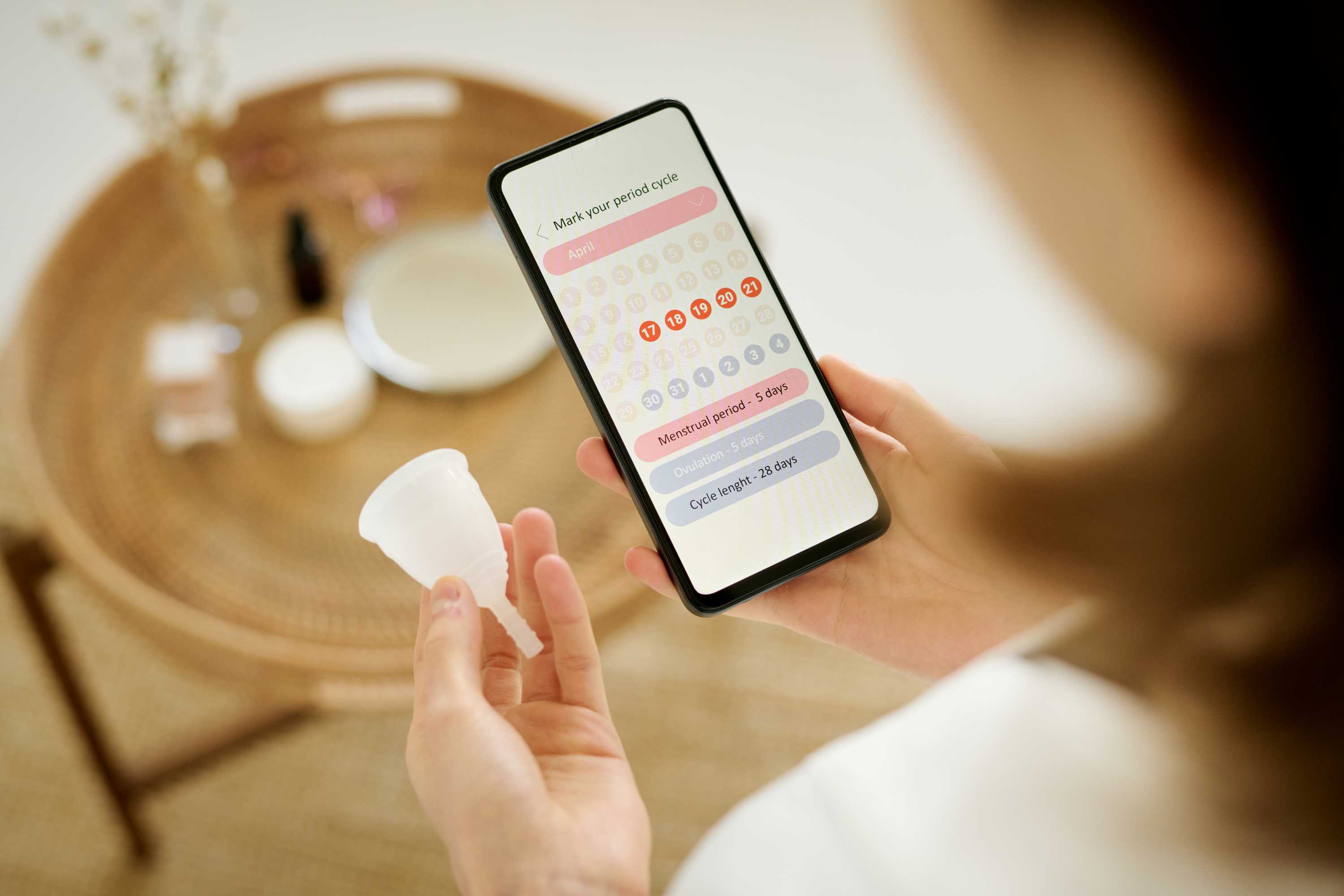
A US study analysed data from more than 110,000 women since 1993 and found that those with a history of endometriosis had a 31% higher risk of premature death (before the age of 70). In absolute terms, the rate of premature death in women with and without endometriosis was 2 and 1.4 per 1,000 person-years, respectively. In contrast, the presence of uterine fibroids was not associated with an overall increased risk, although the risk of death from gynaecological tumours was increased. The results are published in The BMJ.

0

Nature publishes results of the Human Cell Atlas

The Human Cell Atlas, an international research consortium, publishes biological data from different cell types in the human body in a series of articles in Nature and other journals in its family. One of the articles integrates single-cell RNA sequencing datasets from the gastrointestinal tract of healthy people and others with different diseases. It describes inflammation-induced changes in stem cells that alter mucosal tissue architecture and promote increased inflammation, a concept that can be applied to other tissues and diseases.

0

Cells ‘remember’ obesity through epigenetic changes, which could explain the ‘yo-yo effect’

Adipose tissue retains a ‘memory’ of obesity through cellular transcriptional and epigenetic changes that persist after weight loss, which may increase the likelihood of regaining weight, experiments in human and mouse cells show. The findings, published in Nature, could help explain the problematic ‘yo-yo effect’, the rapid weight rebound often seen with dieting. 

0

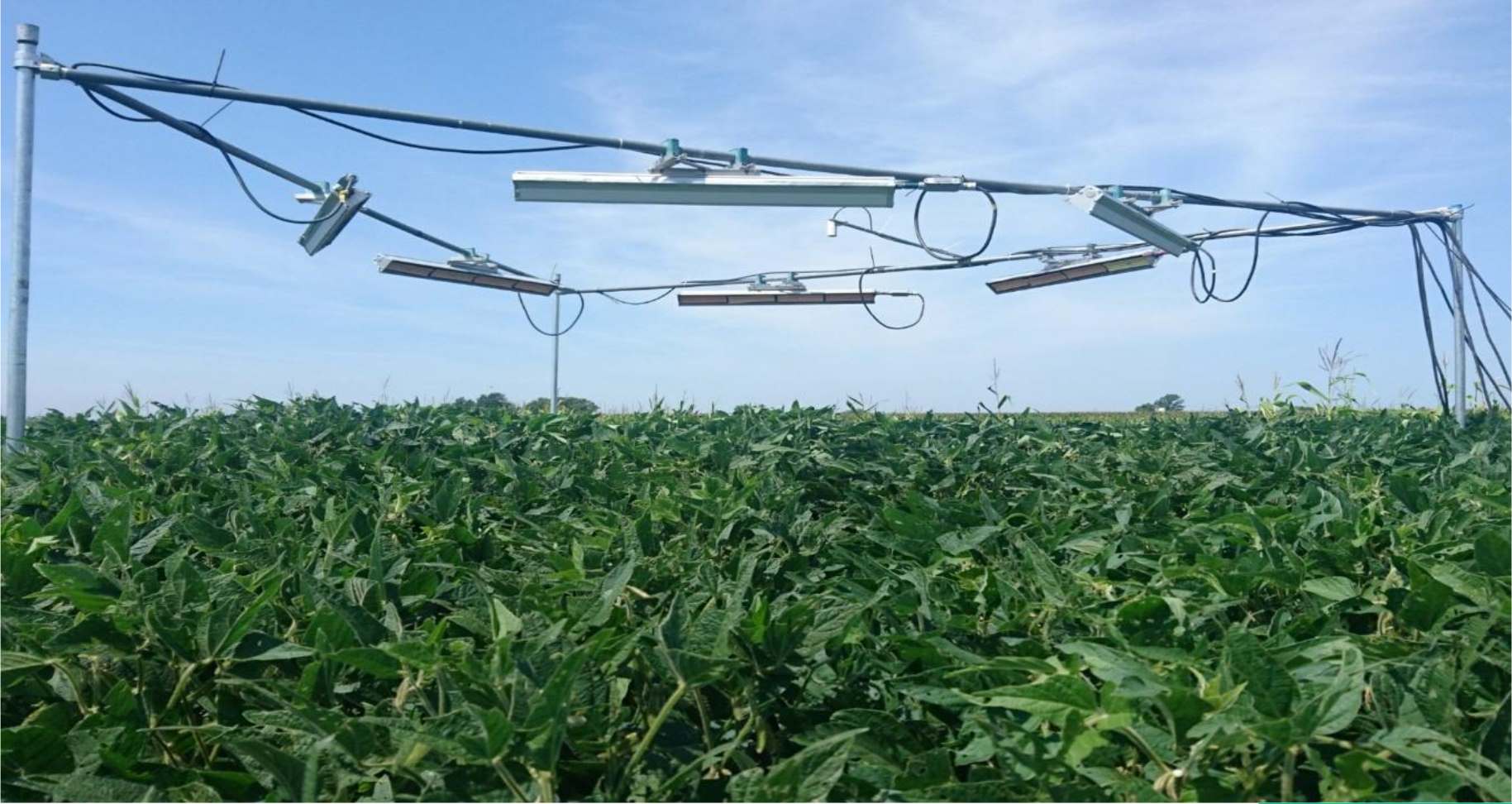
Climate change and more destructive HLDD: are we prepared?

The DANA that devastated the province of Valencia on 29 October, leaving more than 200 people dead and many missing, has been followed by another one, still located over the peninsula. How can we adapt to these extreme phenomena? What repercussions do they have on public health? How can the public prepare for them? The Science Media Centre España organised a briefing session with two experts and an expert from the CSIC to discuss these questions. 

0

A study analyses why better decisions are made in adulthood than in adolescence

Adults make better decisions than adolescents, according to a study of 92 participants aged 12 to 42. So-called ‘noise’ in decision-making - making choices that are not the most efficient - decreases with age and is linked to the development of skills such as flexibility and planning, according to the study published in PLoS Biology.


0

Mismanaged plastic waste will double by 2050 under current policies

If practices and public policies do not change, the mass of mismanaged plastic waste in the world will double to 121 million tonnes per year by 2050, according to a study published in Science. The article also assesses the potential impact of global measures, such as those envisaged by the forthcoming UN global treaty on plastic pollution, which begins its final negotiating session at the end of this month.

0

EMA revises earlier decision and decides to approve lecanemab for Alzheimer's disease

Less than four months after the European Medicines Agency recommended in July not to grant marketing authorisation for Leqembi™ (lecanemab) for the treatment of Alzheimer's disease, the EMA's Committee for Medicinal Products for Human Use (CHMP) has reassessed the available evidence to conclude that the benefits outweigh the risks.


0

New early warning system proposed to estimate heat and cold deaths

A new epidemiological forecasting model could provide a better system for early temperature-related health warnings, according to a paper published in Science Advances. The model, called Forcaster.health, could provide mortality predictions at least 10.5 days before cold episodes and 8.3 days before hot episodes. The Universitat Pompeu Fabra and ISGlobal took part in its design.

0