Reaction to record temperatures at both geographical poles
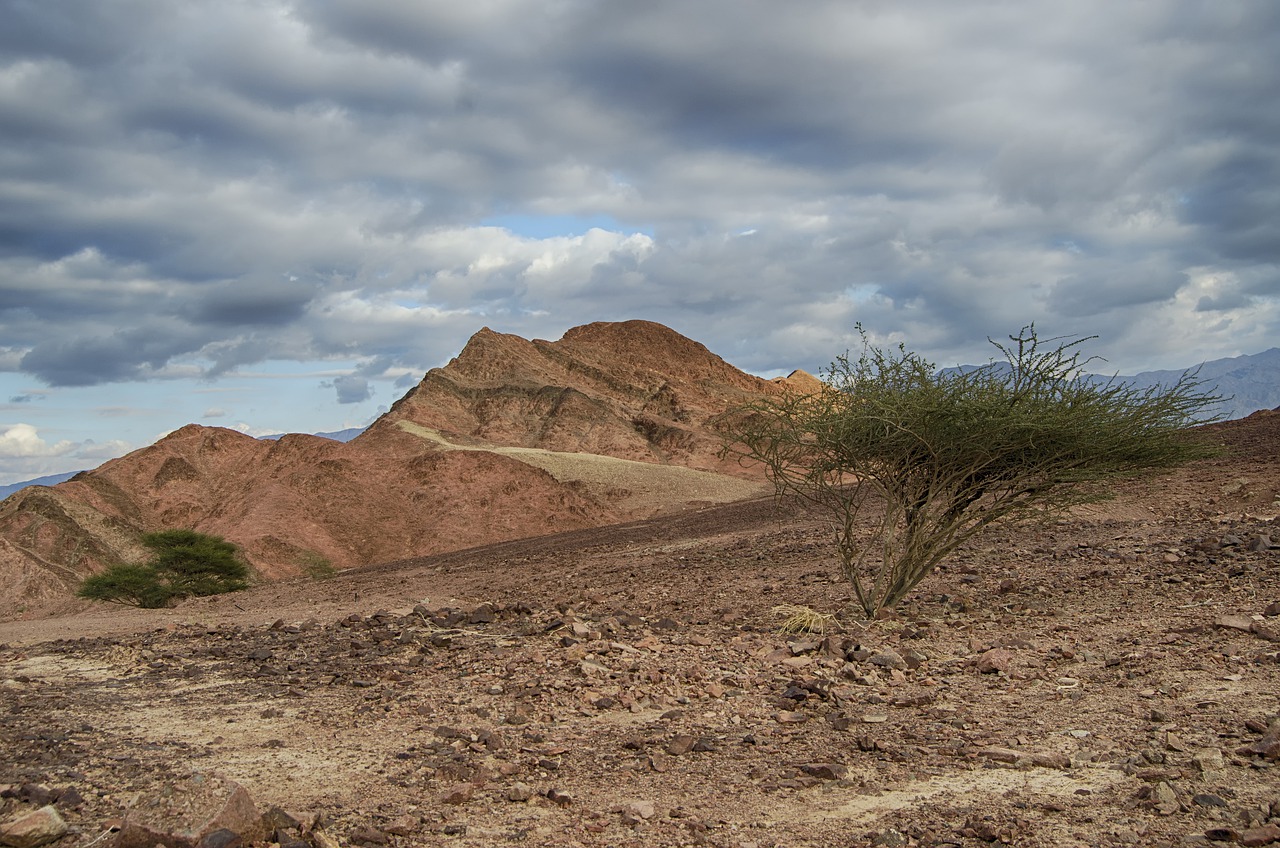
The weekend saw record temperatures in both the Arctic and Antarctica, up to 40°C above normal for this time of year.
For science to make the news in a rigorous and attractive way, good sources are needed. Because access to scientific knowledge is a citizen's right.
We’re on the lookout for controversial information about science and we will contact you for your analysis in your area. Do you want to be part of our sources? Contact us. We will not pass your contact details on to anyone else. You can find out more about how we work here.
The weekend saw record temperatures in both the Arctic and Antarctica, up to 40°C above normal for this time of year.
The Public Health Commission has updated the Covid-19 Surveillance and Control Strategy, which will come into force on Monday 28 March. From then on, as long as indicators of healthcare utilisation are at low risk, diagnostic testing will focus on vulnerable individuals and settings and severe cases. Surveillance will focus on these groups.
Japan's IBUKI greenhouse gas observation satellites (GOSAT) have just announced the detection of a sharp annual increase in the average atmospheric methane concentration in 2021, the largest since 2011. European (ESA) and US (NASA) space agencies, as well as ground stations, have also detected spikes.
The Intergovernmental Panel on Climate Change (IPCC) is meeting between 21 March and 1 April to approve the study on measures to curb the climate crisis, on which more than 200 authors from all over the world have been working for three years. The text will be published on 4 April.
Nearly three and a half million Ukrainians have fled their country; half of them are children. Ensuring their physical well-being is a priority, but we cannot forget the effect that war can have on children's mental health.
The publications in which scientific results are made public, known as papers in the jargon, are sometimes newsworthy, that is, what they report can be narrated to a wider - non-scientific - audience as journalistic news. But in the paper-news transition the message is formatted very differently.
Journalists are not the only generators of information content, but they certainly are the ones who are trained to select, channel, and amplify truthful information and combat misinformation. In crisis situations, where scientific evidence guides decision-making, science communication to society takes on an almost strategic role. Here are some key points for scientists talking to journalists at such times.
Every day, all over the world, hundreds of press releases about scientific studies travel from the communication offices of research centres to the computers of journalists. Their mission is to attract the attention of their recipients and eventually get their stories published by the media. Here are some tips on this process.
Arriving at an interview without nerves helps to convey messages clearly and, if the topic calls for it, with some emotion. Communication is human: the warmer it is, the more powerful. It is worth taking a moment to prepare.
More and more scientists are becoming aware of the need to improve the relationship between the public and science, and of the fact that contributing to improving the scientific culture of society is for the good of all of us. The popularisation of science is experiencing a magnificent golden age. It is, however, a different activity from science journalism. Here we explain why.