earthquake

earthquake

earthquake

Android earthquake early warning system proves effective on smartphones

Between 2021 and 2024, the Android Earthquake Alerts system detected an average of 312 earthquakes per month and sent alerts in 98 countries associated with 60 events of magnitude greater than 4.5, according to a study published in the journal Science. The study also includes comments from users who received the alerts: 85% said they felt tremors, 36% received the alert before noticing them, 28% during the event and 23% after they occurred. In addition, 84% said they would trust the system more next time, according to the research team from Google and the universities of California - Berkeley and Harvard (USA).

0

Reaction: some large earthquakes can emit signals months before they occur

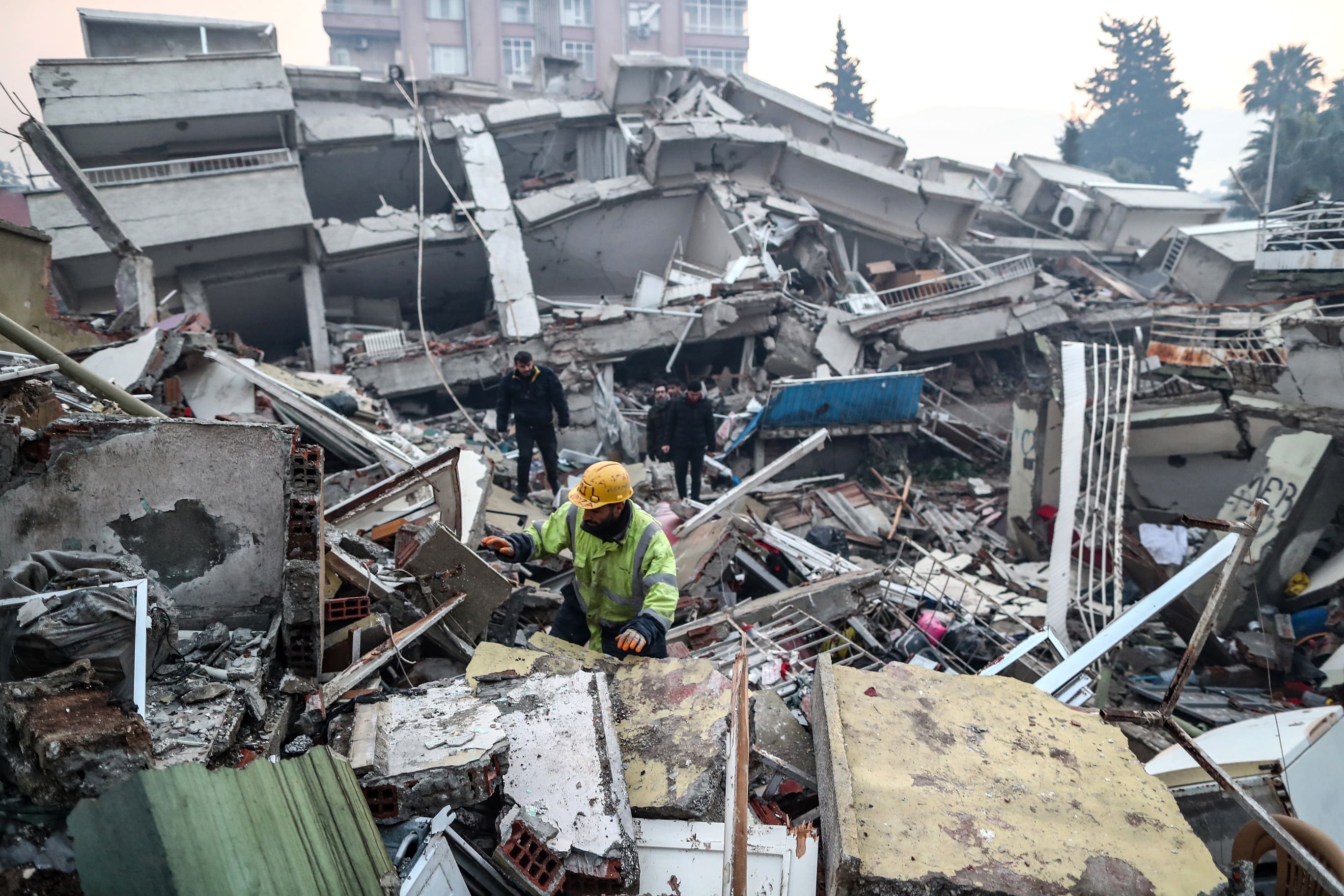
According to research published in the journal Nature Communications, the magnitude 7.8 earthquake that was felt in parts of Turkey and Syria in February this year emitted detectable signals eight months before it struck. Although it is currently not possible to predict the magnitude, time and location of earthquakes in the short term, these results would indicate that some large earthquakes may show a detectable preparation phase. However, the authors admit that, due to the large number of variables, recognising these signals and using them for medium-term earthquake prediction remains a challenge.

0

Earthquakes in Turkey and Syria: what the historical record of the East Anatolian fault tells us

Faults can generate the most devastating earthquakes. The East Anatolian fault, where the earthquakes in Turkey and Syria occurred on 6 February, has been rupturing quite frequently - every few decades to hundreds of years. Seismic hazard maps are used to design buildings and infrastructure to withstand strong shaking during an earthquake. Reinforced concrete buildings with earthquake-resistant designs are the most appropriate, but often unaffordable for certain regions.

1