Briefings

Briefings

Briefings

We bring together journalists and scientific sources to answer questions and discuss current issues. These can be face-to-face or virtual. Registration is required.

Pep Canadell: “Coal is once again contributing to the increase in emissions after the pandemic slowdown"

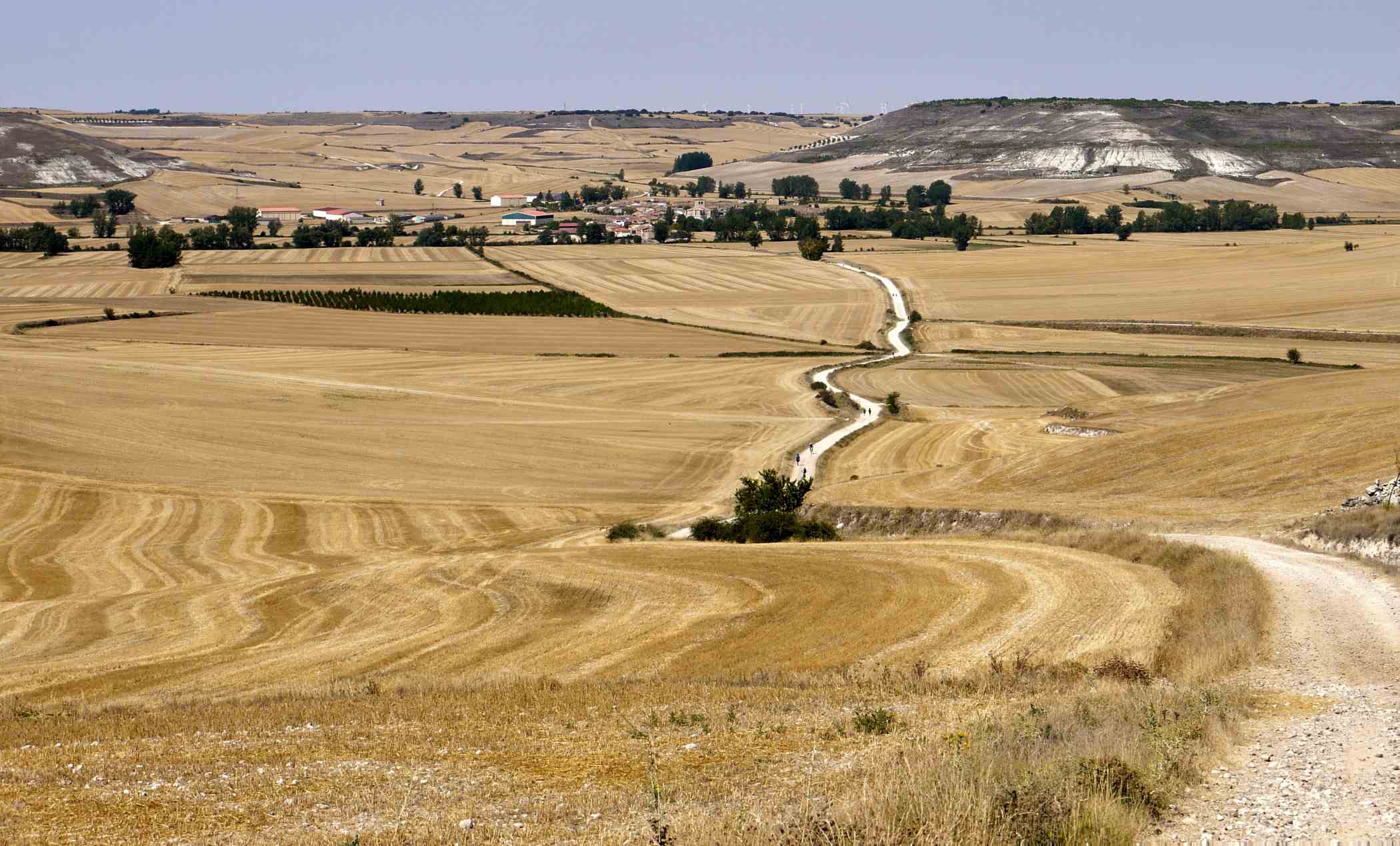
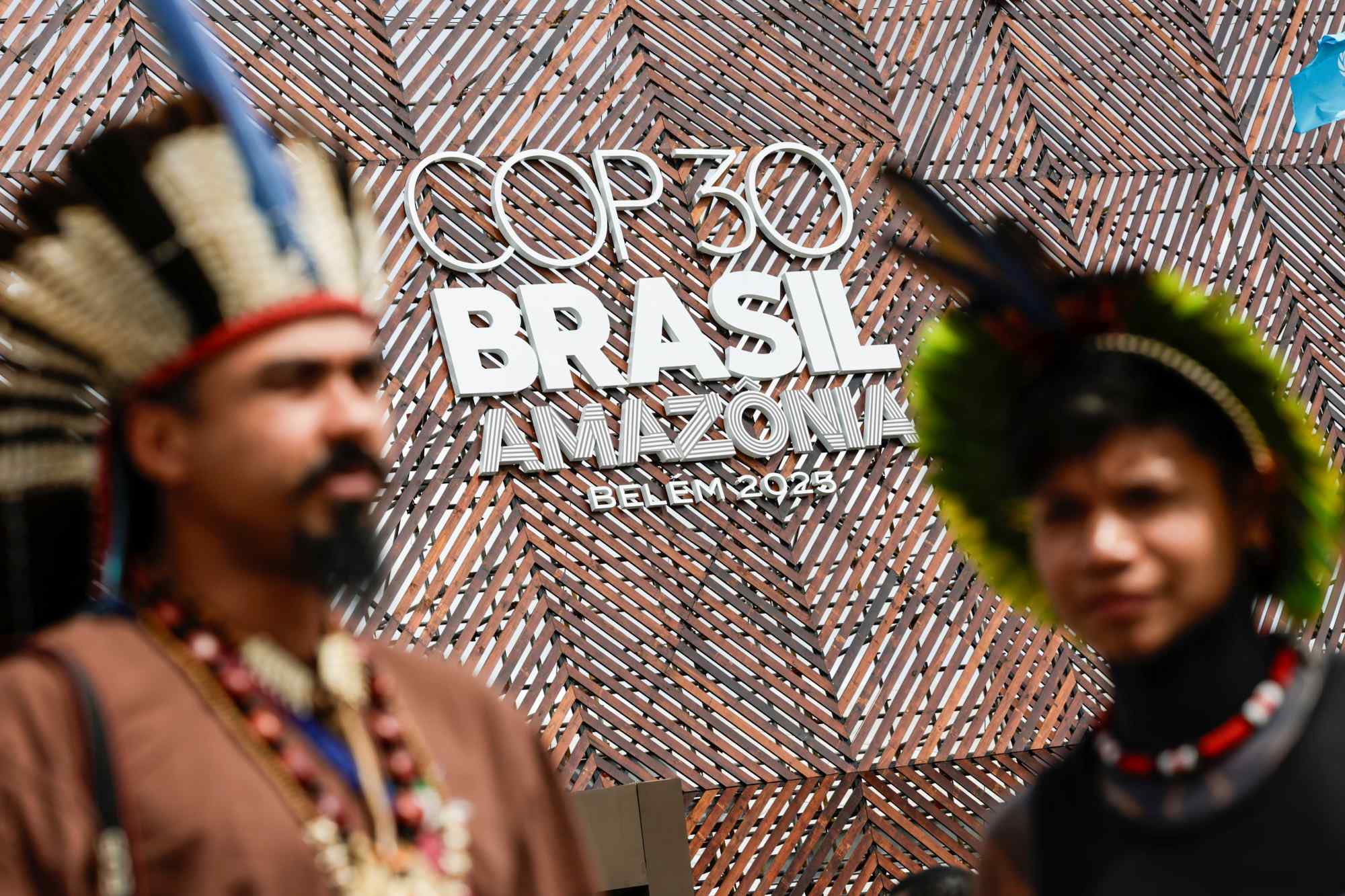
At the current rate of carbon dioxide emissions, the 1.5°C temperature increase limit set in the Paris Agreement will be exceeded in four years. This is one of the predictions of the Global Carbon Budget 2025, the global report on the carbon balance, now in its 20th edition, which will be presented at COP30 in Belém (Brazil). Pep Canadell, one of its authors, analyzed its findings at a briefing organized by SMC Spain.


0

Pollution and going back to school: how air quality affects children's health

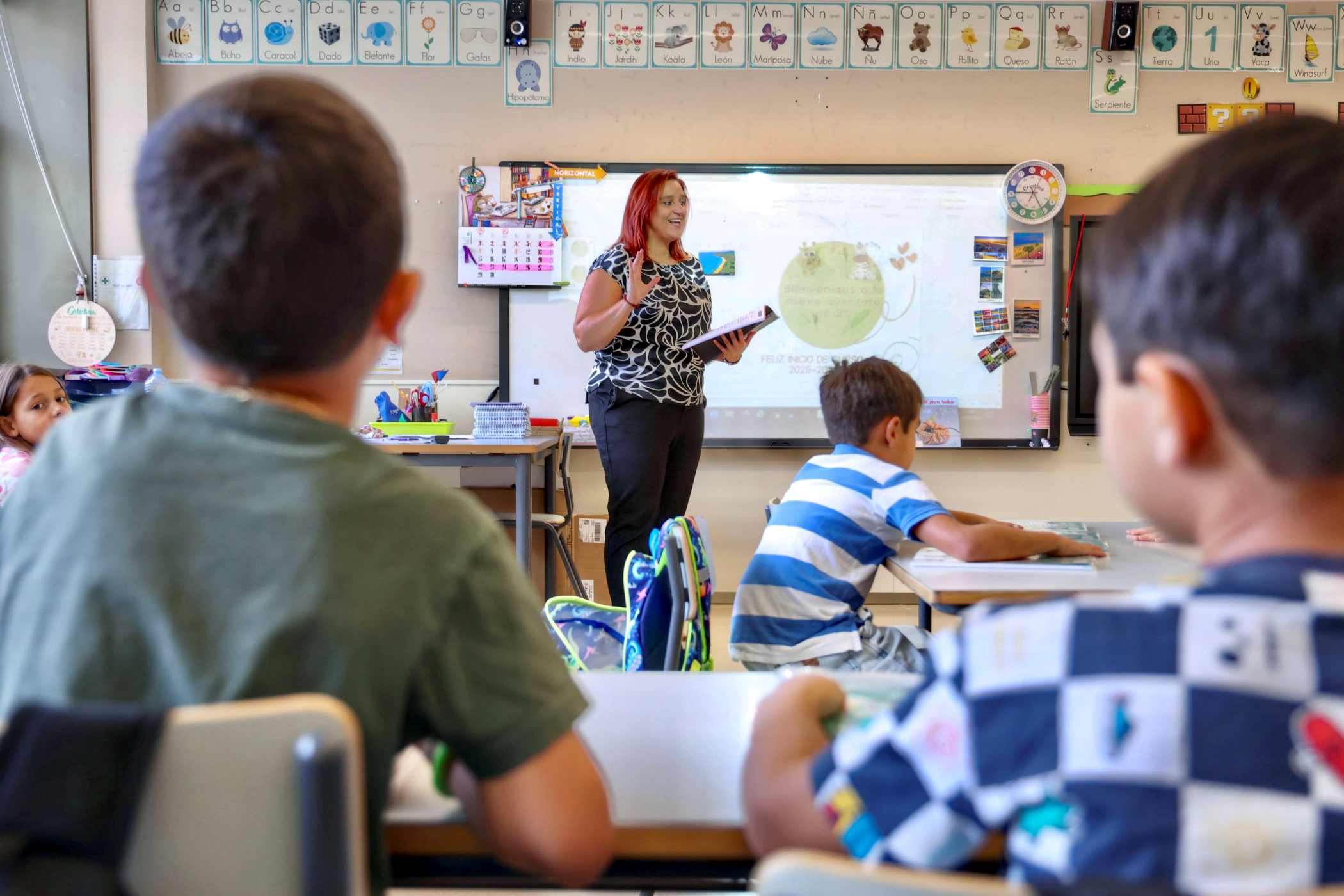
A new school year has begun, and pollution, which exceeds recommended limits in many urban centres, will once again affect children and their families. What consequences could this have on health? How does climate change affect it? What solutions can be implemented? SMC Spain organised an informative session with Julio Díaz and Cristina Linares to answer these questions.


0

Cases of avian influenza in birds are on the rise in Spain, which has lost its disease-free status

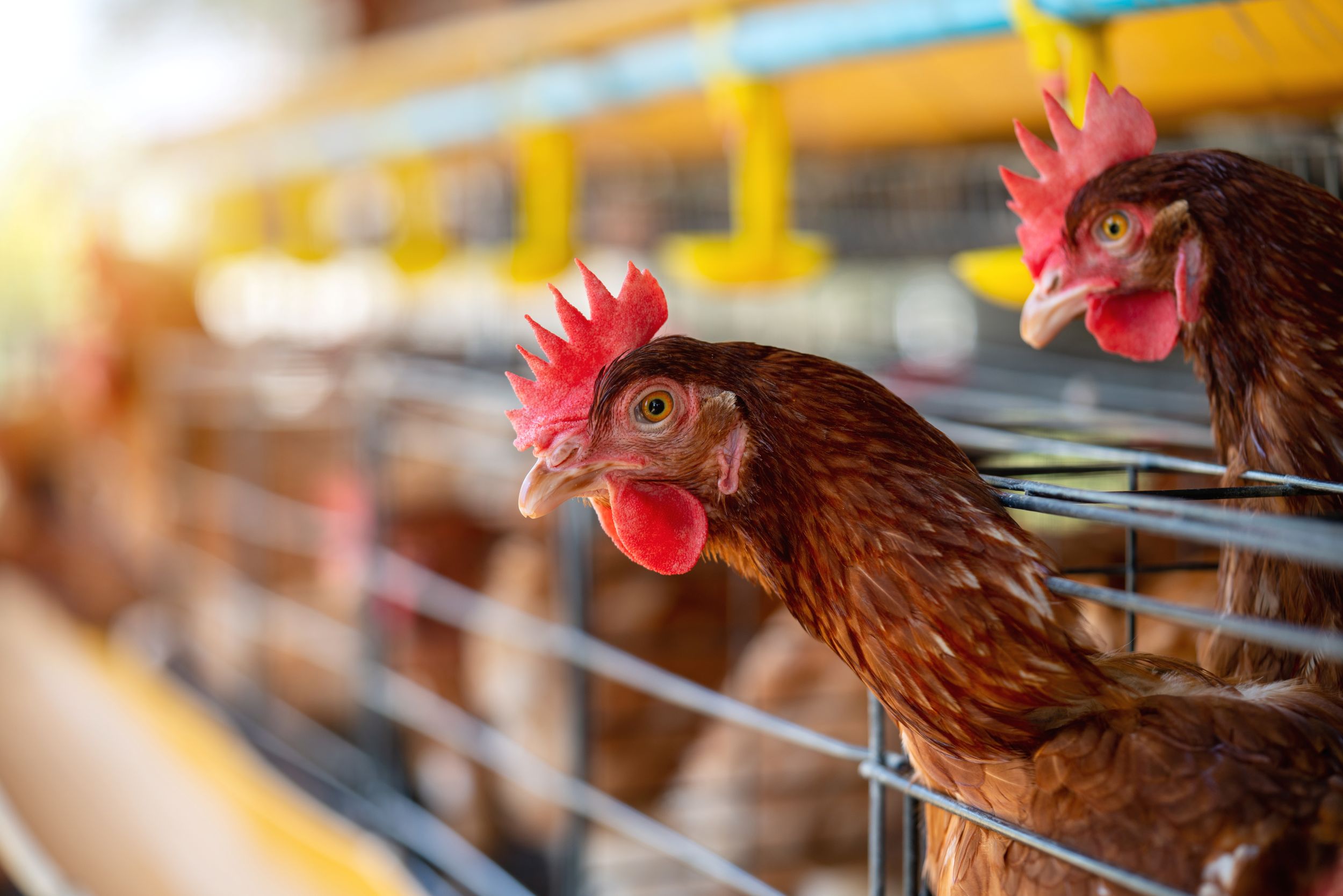
Avian influenza has returned to Spain this summer. In addition to a few cases in wild birds, since 18 July there have been several outbreaks in poultry in different autonomous communities, causing the country to lose its disease-free status. To answer questions about the situation, its possible causes, evolution and consequences, SMC Spain organised an information session with researchers Inmaculada Casas, Ursula Höfle and Elisa Pérez Ramírez.


0

Sixth-generation fires in Spain: are we prepared?

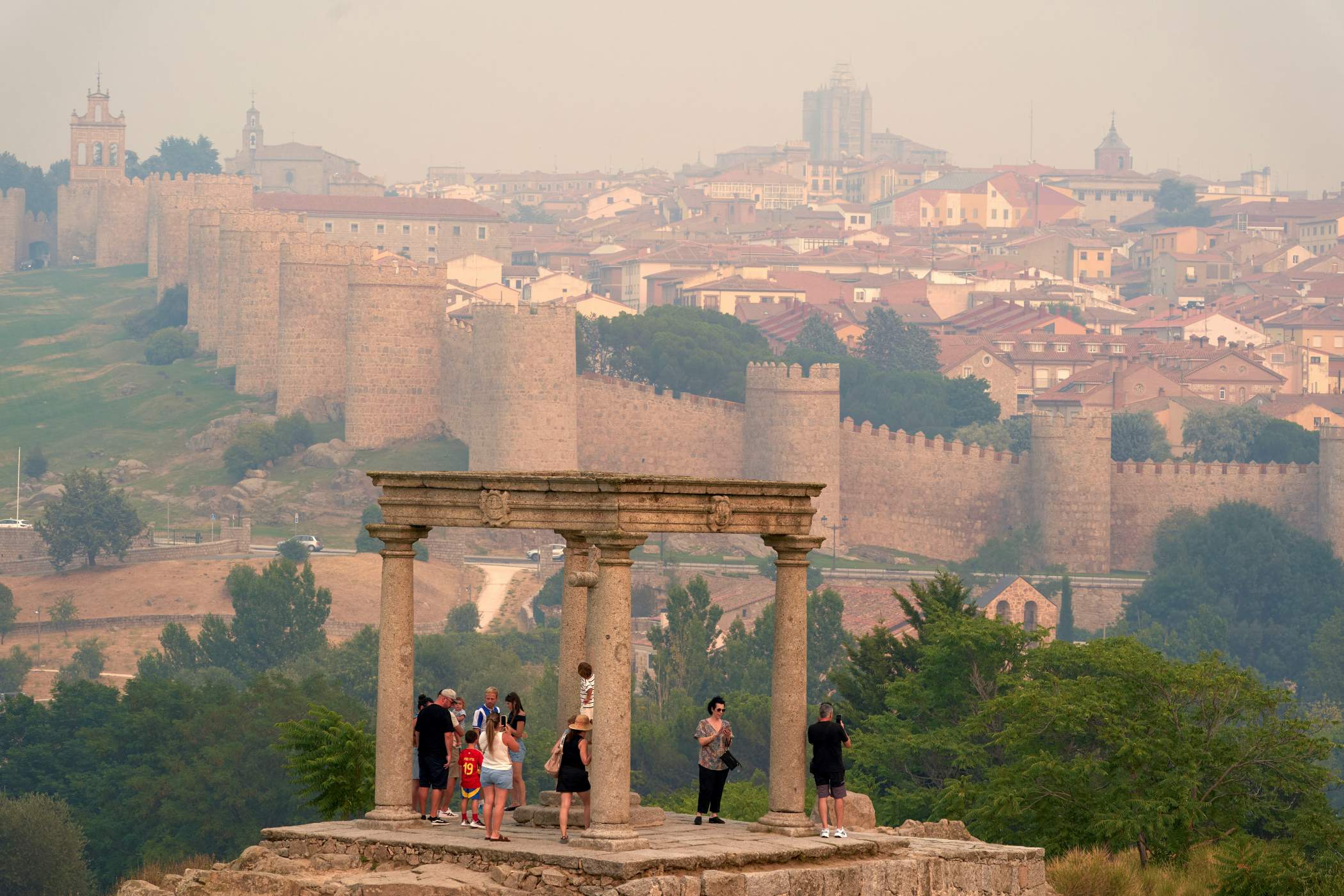
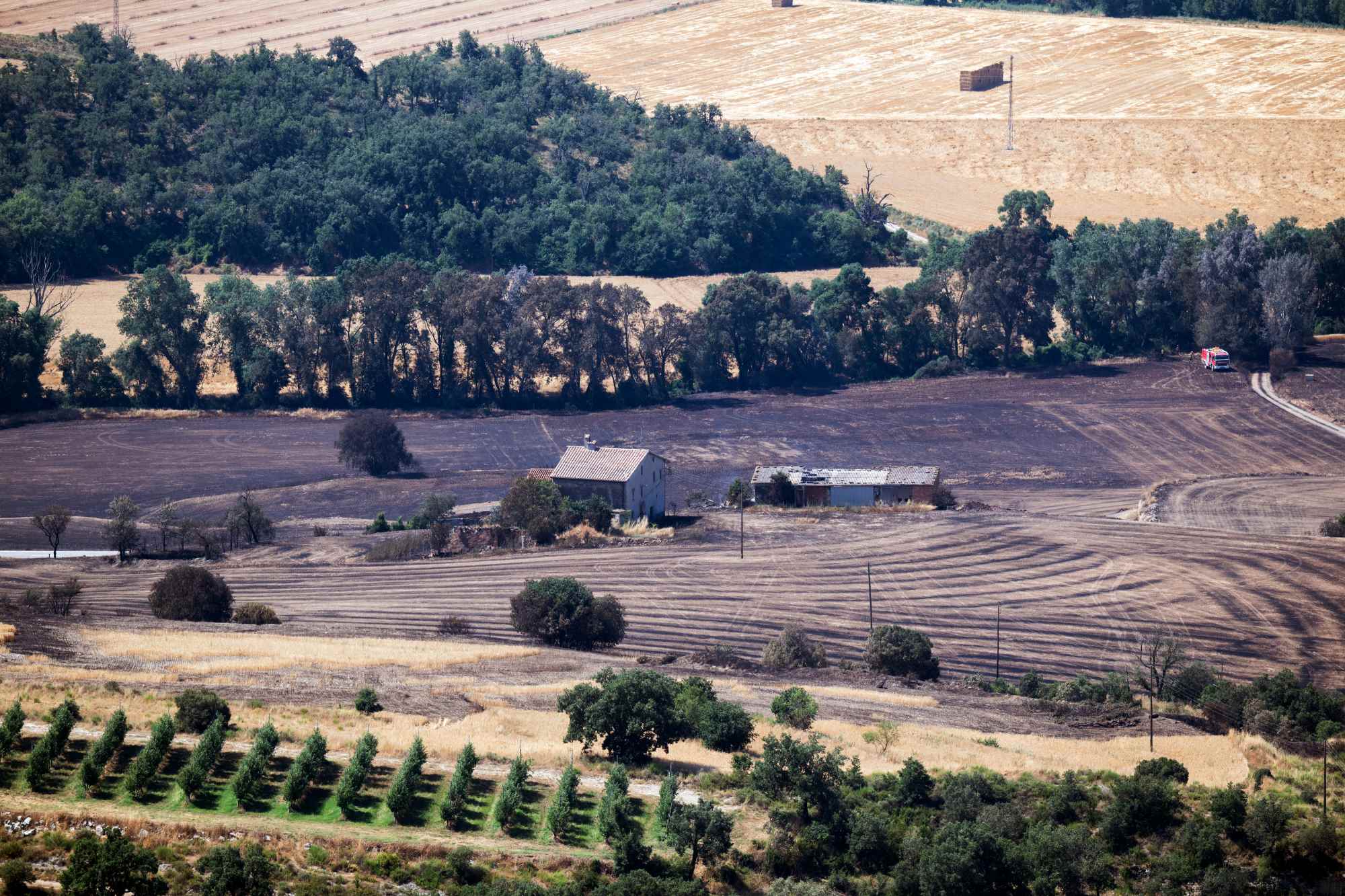
The last few weeks have been marked by devastating fires in Spain and other European countries. In Catalonia, just days after a fire killed two people and burned 5,500 hectares in the province of Lleida, another fire broke out in the province of Tarragona, affecting more than 3,200 hectares and now stabilised, which resulted in another person's death. What are the characteristics of these large fires? How can we prevent them? The Science Media Centre Spain organised an informative meeting with two experts to answer these questions and clarify key concepts.

0

Children and heat: how rising temperatures affect them and how to adapt their environment to climate change

Children will suffer more from the climate crisis than their grandparents. Fifty-two per cent of people born in 2020 will experience unprecedented heat waves throughout their lives, compared to 16 per cent of those born in 1960. This was calculated by a study published in Nature last month, assuming that temperatures rise 1.5 °C above pre-industrial levels. In this article, we analyse the profile of children who already suffer from heat in our country and explain how to adapt their environments to extreme temperatures. 

0

Measles cases on the rise in Spain: what is the concern and what measures should be taken?

From 1 January to 23 February 2025, more than half as many cases of measles had already been reported in Spain as in the previous year. To analyse the causes of this spike, assess the seriousness of the situation and the measures to be taken, the Science Media Centre Spain organised a briefing with Noemí López Perea, researcher at the National Epidemiology Centre (CNE-ISCIII), Fernando Moraga-Llop, paediatrician, spokesperson and senior member of the Spanish Vaccinology Association (AEV), and María del Mar Tomás, spokesperson of the Spanish Society of Infectious Diseases and Clinical Microbiology (SEIMC).

0

Populist attitudes towards science in Spain analysed

Populist movements often pit people against political elites, but they can also target academic elites. Science-related populism pits ‘ordinary people’ and common sense against academic elites and scientific knowledge. A report published by FECYT analyses this phenomenon in Spain for the first time. Science Media Centre España organised an informative meeting with its authors to explain the main results.

0

Two IPBES reports propose global changes to tackle current environmental crises

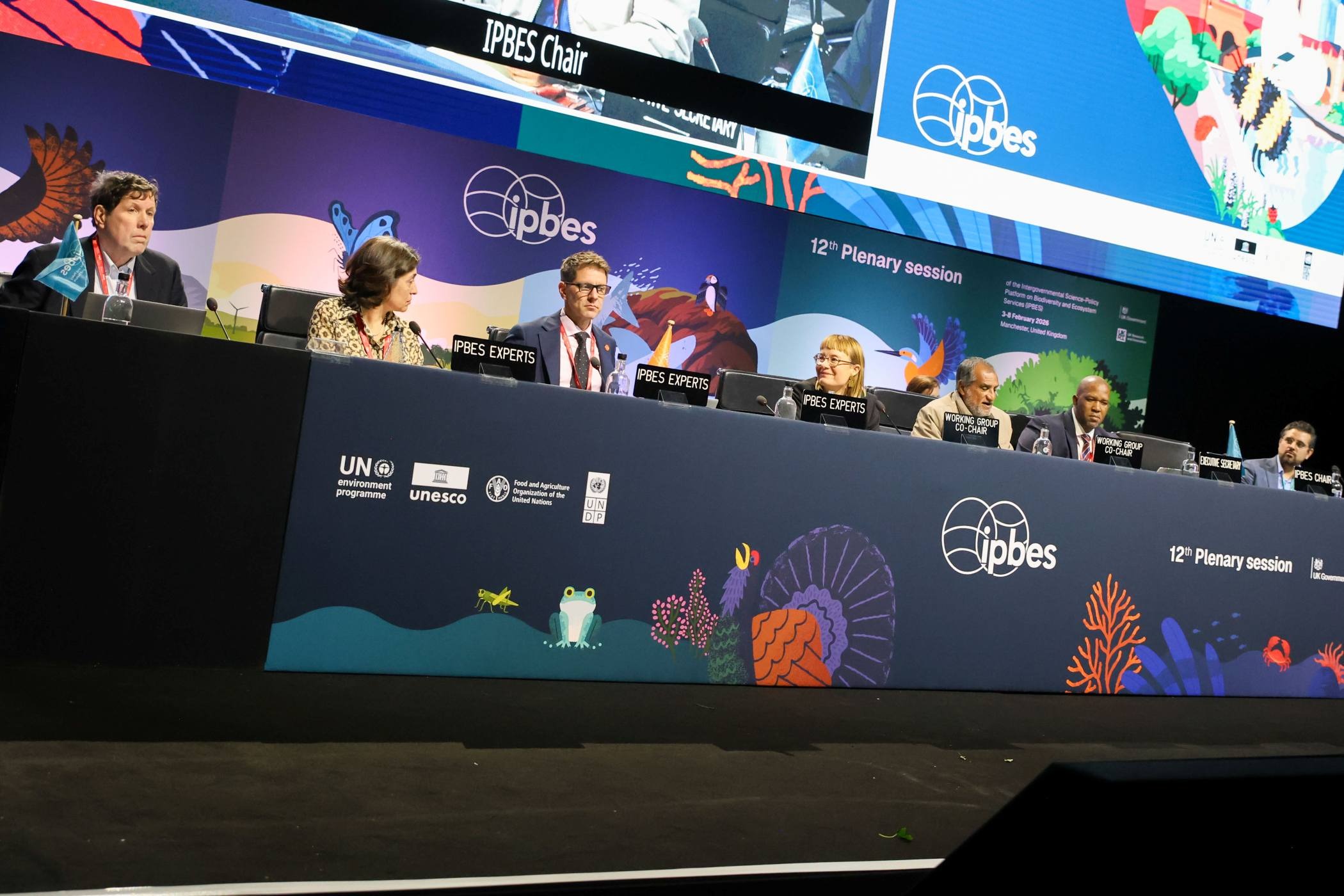
Meeting in the city of Windoek (Namibia), the plenary of the IPBES - Intergovernmental Science-Policy Platform on Biodiversity and Ecosystem Services - has ratified two new reports: the Nexus Assessment and the Transformative Change Assessment. Three of their authors explained the main findings and the changes they propose at a briefing organised by SMC Spain.

0

More than half of researchers who communicate science in the media in Spain say they suffered attacks, according to a SMC survey

The report 'Experiences of researchers who interact with the media and social networks in Spain', carried out by FECYT’s Science Media Centre Spain (SMC) in collaboration with the research group Gureiker, from the University of the Basque Country, analyses data from a survey, the first of its kind in Spain, on the relationship with the media and social networks of the expert sources contacted by the SMC Spain from March 2022 to July 2024. The results show that scientists have a positive or very positive perception of their participation in the media (83.12%). However, 51.05% of respondents admit to having suffered an attack after communicating science. Women receive significantly more attacks than men: 56.86% of female scientists report attacks compared to 46.21% of male scientists. The social network X (formerly Twitter) is the most common avenue for this type of attack. 

0

A study in Nature led by Spanish researchers achieves a breakthrough in explaining autism

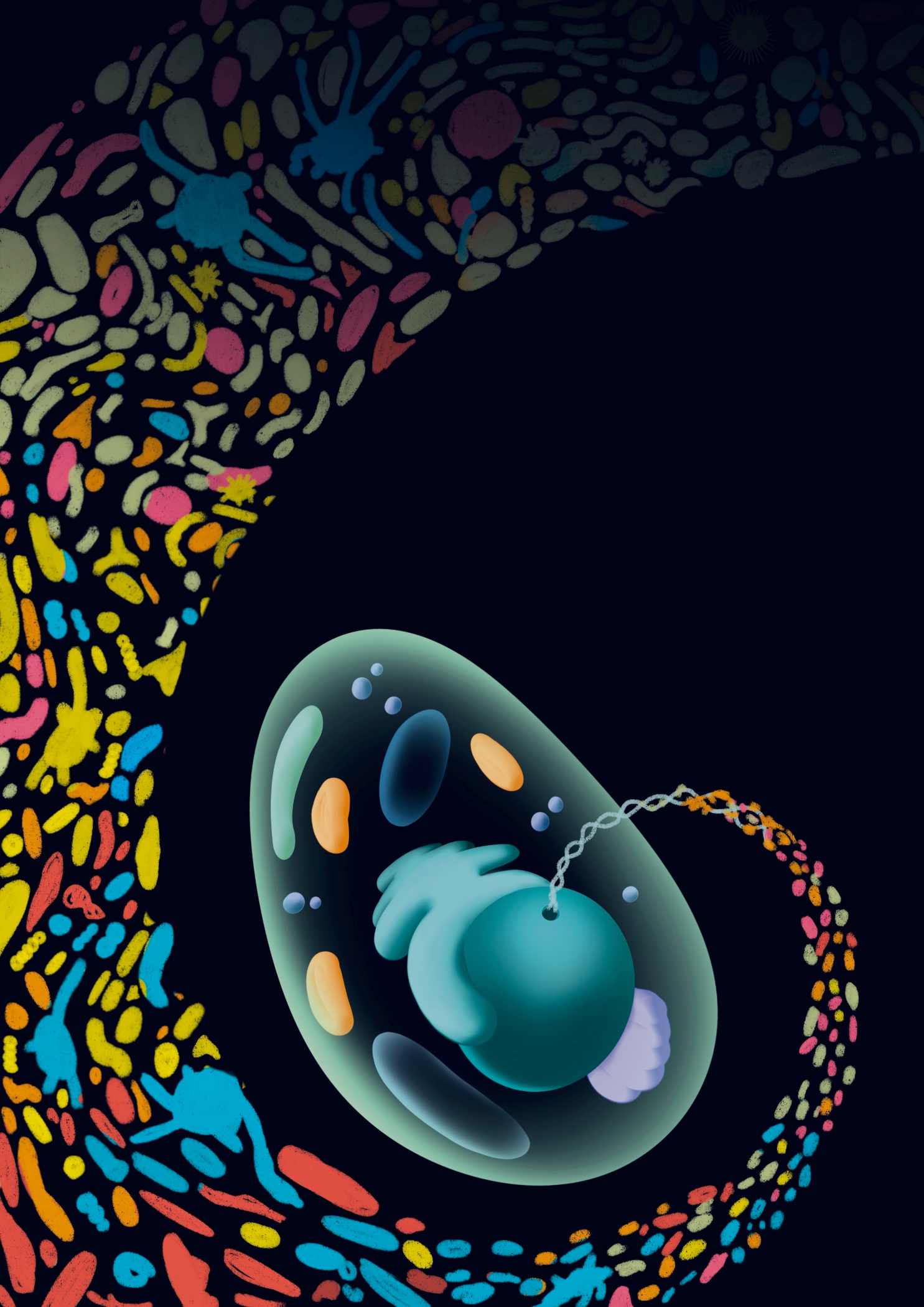
Most cases of autism have no known cause. Now, a study led at IRB Barcelona has discovered a mechanism that could explain a good part of these situations. The loss of a few amino acids in a crucial protein would affect the activity of hundreds of genes and the development of neurons. To explain the study, which is published in the journal Nature and which could open the door to future treatments, the Science Media Centre Spain organized an informative session with Raúl Méndez and Xavier Salvatella, the two scientists who have led the research. 

0