physical activity

physical activity

physical activity

Moderate exercise may slow cognitive decline caused by preclinical Alzheimer's disease

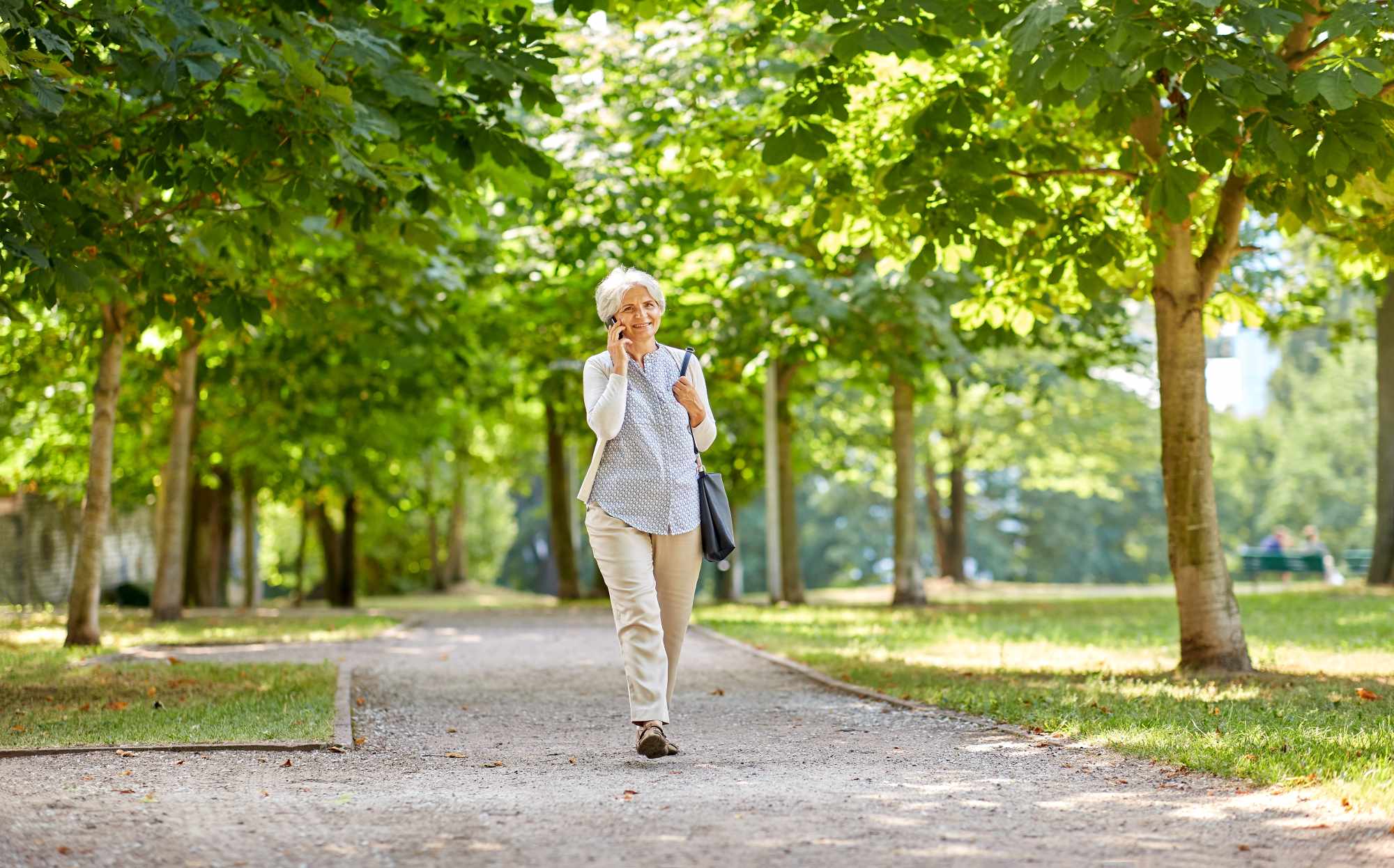
Physical inactivity is a risk factor for the onset of Alzheimer's disease. An international team has studied nearly 300 people with preclinical Alzheimer's—without symptoms but with an accumulation of tau and beta-amyloid proteins in the brain—for 14 years to find out whether physical exercise can also influence its progression. The results indicate that even very moderate activity—walking between 3,000 and 5,000 steps per day—was associated with slower deterioration, while the benefits—which appear to be related to lower tau protein deposits—were greater and tended to stabilise with activity involving between 5,000 and 7,500 steps. The results are published in the journal Nature Medicine.

0

City design influences the physical activity of its inhabitants, according to a study using mobile data from more than 5,000 people

Analysis of data from a mobile health app covering more than 5,000 people in 1,609 cities in the United States reveals that moving from a less walkable area to a more walkable area leads to an increase in the number of steps taken per day, and vice versa. Walkability was measured using the Walk Score, an index based on parameters such as proximity to services, block length and intersection density. According to the authors, the results can serve as a guide for urban design policies that improve public health. The study is published in Nature.

0

The myelin content of the brain decreases after running a marathon

In marathon runners, the myelin content of specific regions of the brain is reversibly reduced, according to a study carried out in the Basque Country. This observation is consistent with animal evidence suggesting that myelin lipids - a substance that surrounds neurons - can act as energy reserves in extreme metabolic conditions, as detailed by the authors in Nature Metabolism. The analysis is based on magnetic resonance imaging of eight men and two women before and after running a marathon. According to the study, the myelin content was fully recovered two months after the race.

0

Reaction: Adolescents and children from low socioeconomic neighborhoods walk less and engage in less physical activity

A study published in the journal PLOS ONE, which includes data from over 3,000 Spanish adolescents and children, has shown that those living in more walkable areas report spending more minutes per day engaging in active transportation compared to those from less walkable neighborhoods. Along those lines, the lowest average minutes spent playing outdoors are observed among participants from neighborhoods with lower socioeconomic status and less walkability. The research is part of the PASOS study, coordinated by the Gasol Foundation.

0

Neighbourhoods with no space to play, walk or play sport: how the postcode affects children and young people's health

Research involving more than 3,000 adolescents and children from all Spanish autonomous communities concludes that those living in less walkable neighbourhoods with lower socioeconomic status walk less and engage in less physical activity at weekends than those living in more walkable areas with higher socioeconomic status. The paper, published in the journal PLOS ONE and part of the PASOS study, was presented by two of its authors at a briefing organised by SMC Spain. 

0